

Loading, please wait...
Loading, please wait...

Congenital talipes equinovarus, or clubfoot, is a prevalent orthopedic birth defect in India. Recent research provides new insights into how maternal risk factors clubfoot exposures influence the laterality of the deformity. Specifically, the study analyzed whether factors like maternal smoking or medication use affected one foot or both feet differently. Consequently, understanding these patterns helps clinicians provide better prenatal counseling and identify high-risk pregnancies within the Indian public health framework.
Moreover, the researchers examined data from state birth defects registries to determine specific associations. They found that cigarette smoking during the first trimester strongly correlates with bilateral clubfoot. Furthermore, certain maternal medications used during early pregnancy also increased the likelihood of the defect. However, the study noted distinct differences in how these exposures impacted unilateral versus bilateral cases. Therefore, these findings underscore the importance of early lifestyle interventions for pregnant women.
Additionally, the Indian healthcare system emphasizes early detection through programs like Rashtriya Bal Swasthya Karyakram (RBSK). Because bilateral clubfoot often requires more complex treatment, identifying maternal risk factors clubfoot earlier can optimize surgical and physiotherapy planning. In conclusion, clinicians should prioritize educating expectant mothers about the risks of smoking and unmonitored medication. This proactive approach can significantly reduce the severity and incidence of congenital limb deformities in newborns.
Research indicates that smoking during the first trimester is more strongly associated with bilateral clubfoot, which affects both feet. This suggests a systemic impact on fetal development compared to unilateral cases.
Yes, certain medications taken during early pregnancy can interfere with musculoskeletal development. Clinicians recommend reviewing all prescriptions during the first trimester to mitigate potential risks.
Disclaimer: This content is for informational and educational purposes only. It does not constitute medical advice or a professional relationship. Refer to the latest local and national guidelines for clinical practice.
References
1. Casey SM et al. Differential Effects of Maternal Exposures on Clubfoot Laterality: A Case-Control Study. Birth Defects Res. 2026 Jun undefined. doi: 10.1002/bdr2.70076. PMID: 42226024.
2. Ahirwar R et al. Demographic study of congenital talipes equinovarus deformity in central India. Int J Res Med Sci. 2021;9(5):1409-1414.
3. Centers for Disease Control and Prevention. Facts about Clubfoot. 2023.

Read summarized clinical updates, watch expert medical content, and earn CME certifications right from your smartphone.
Open your smartphone camera to scan and install.





This study explores how maternal smoking and medication use in early pregnancy influence the laterality of clubfoot in newborns....
4 months ago
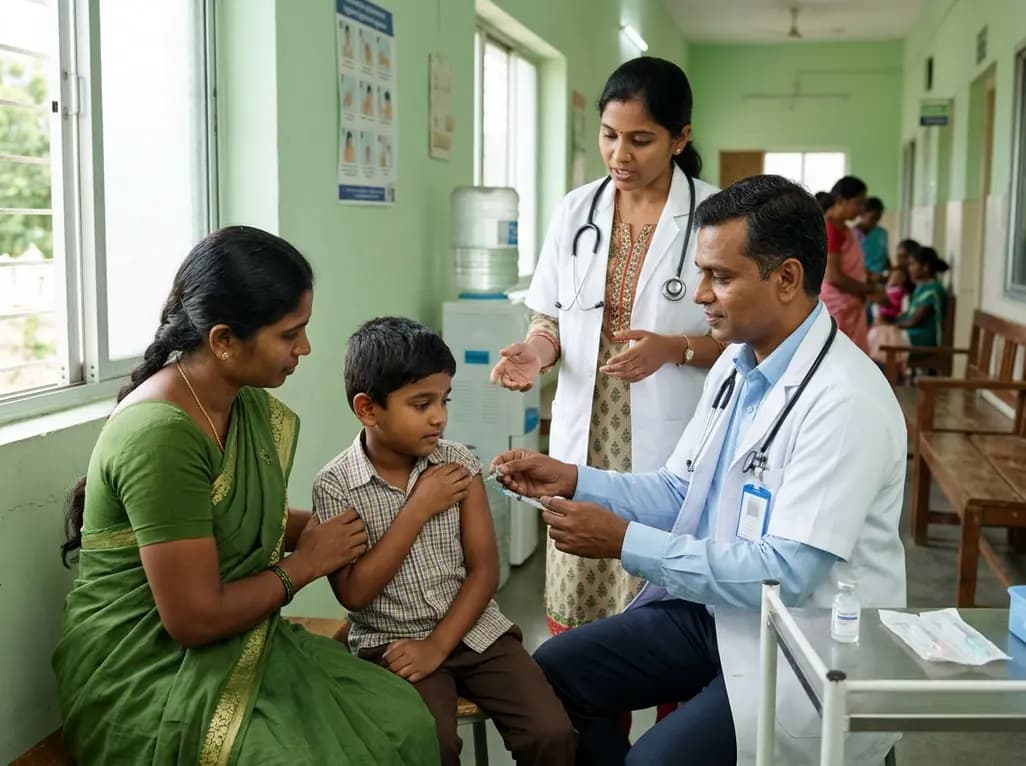
As monsoon seasons elevate arboviral disease threats, Tamil Nadu has initiated an ICMR-monitored evaluation of the tetravalent dengue vaccine in Tenkasi district. Clinicians emphasize clinical monitoring, public prevention, and high-quality early pediatric care to reduce disease morbidity across endemic regions.
Today
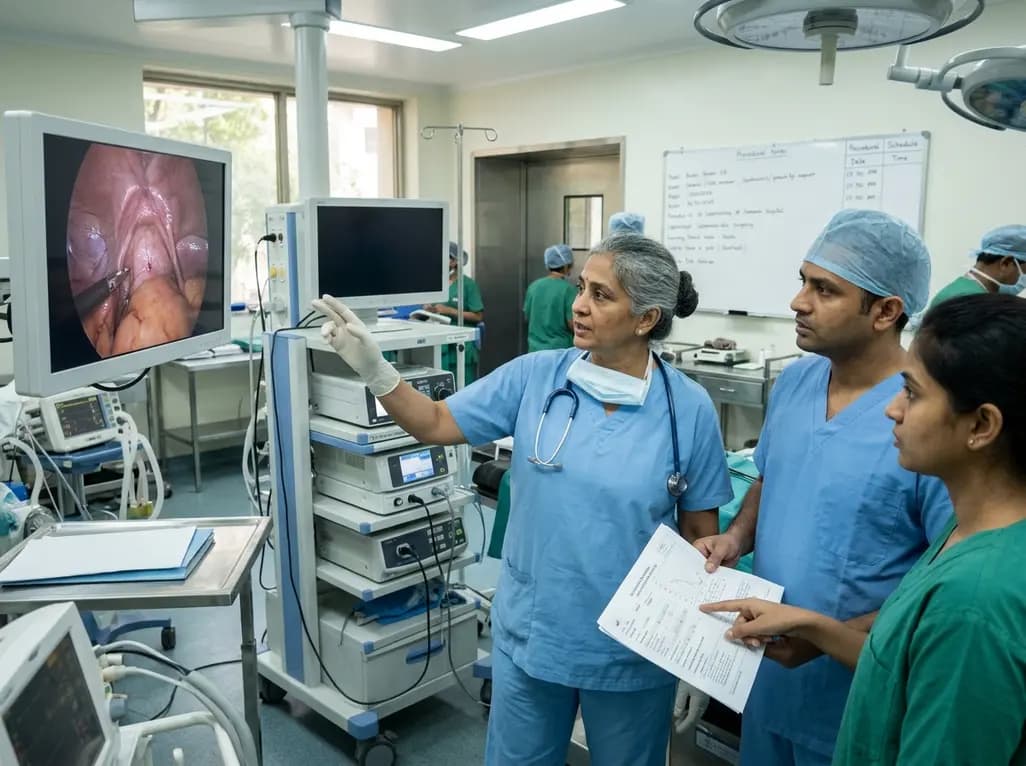
A comparative cohort study evaluates vNOTES vs TLH hysterectomy for benign conditions, demonstrating shorter operative duration, faster return to daily activities, and equivalent female sexual function scores without increased dyspareunia.
Today
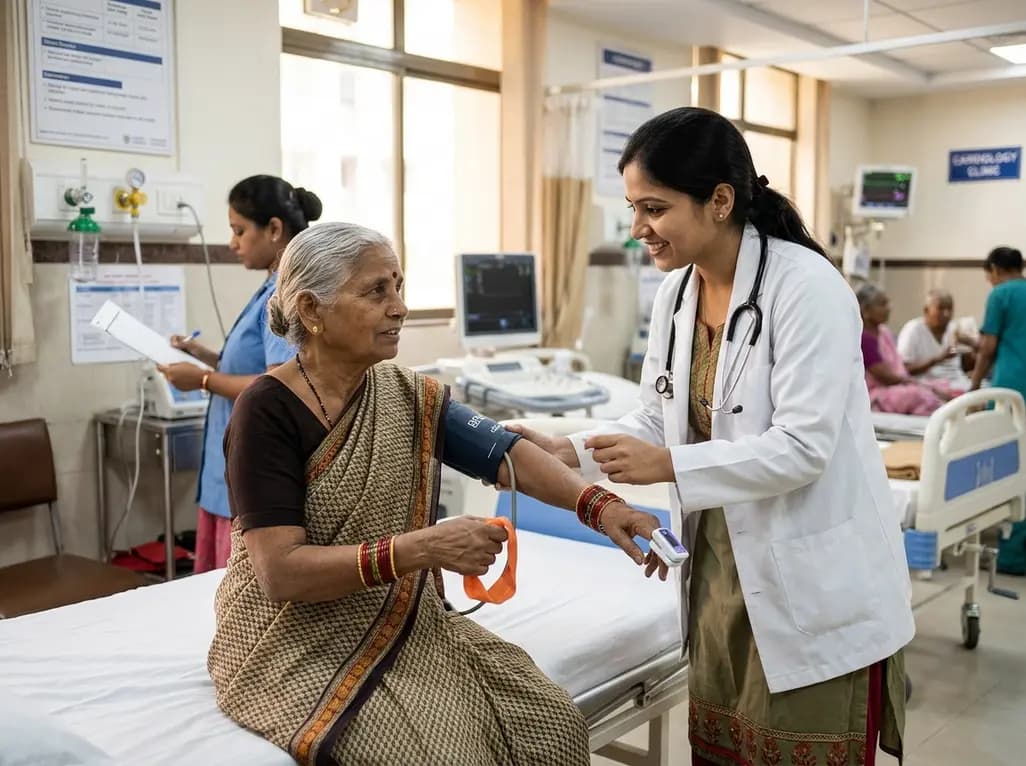
Review how tailored exercise programs benefit frail older patients with heart failure. Explore pathophysiological mechanisms, individualized training prescriptions, and strategies to overcome adherence barriers in clinical practice.
Today
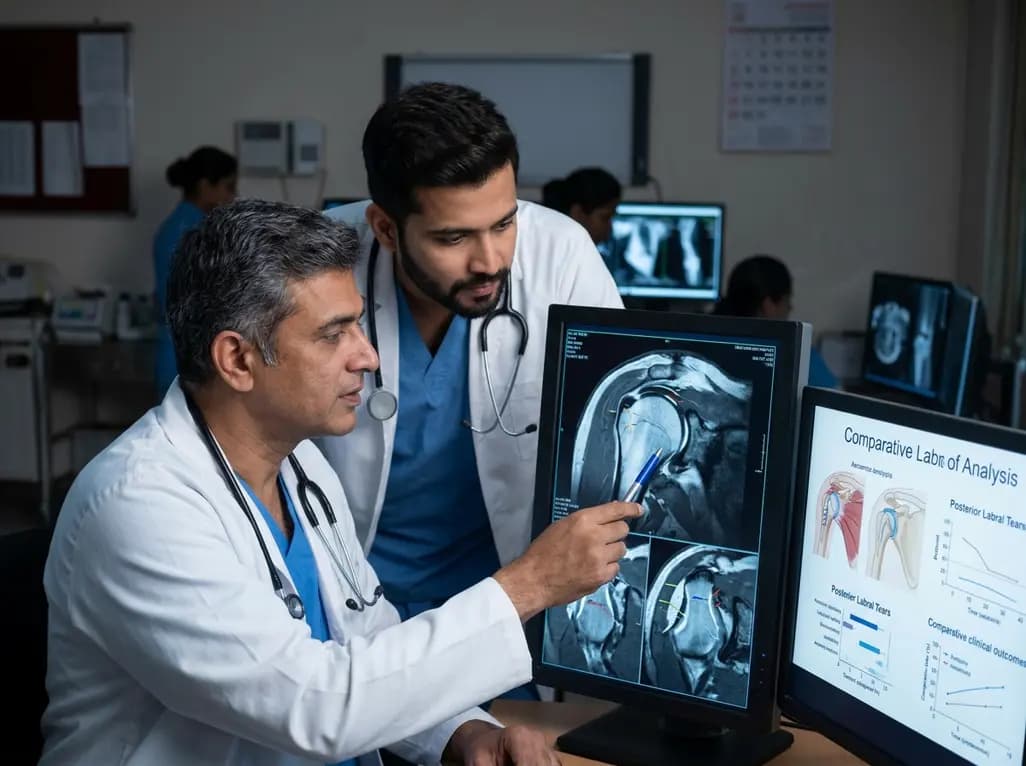
This comparative study evaluates posterior labral tears with and without glenohumeral instability, highlighting distinct demographic patterns, MRI underestimation in stable shoulders, and successful arthroscopic repair outcomes.
Yesterday
A clinical study demonstrates that early intervention with tocilizumab, either as monotherapy or bridged with corticosteroids, achieves significant proptosis reduction and resolves active inflammation in treatment-naive thyroid eye disease.
Today
