.webp&w=384&q=75)

Loading, please wait...
Loading, please wait...
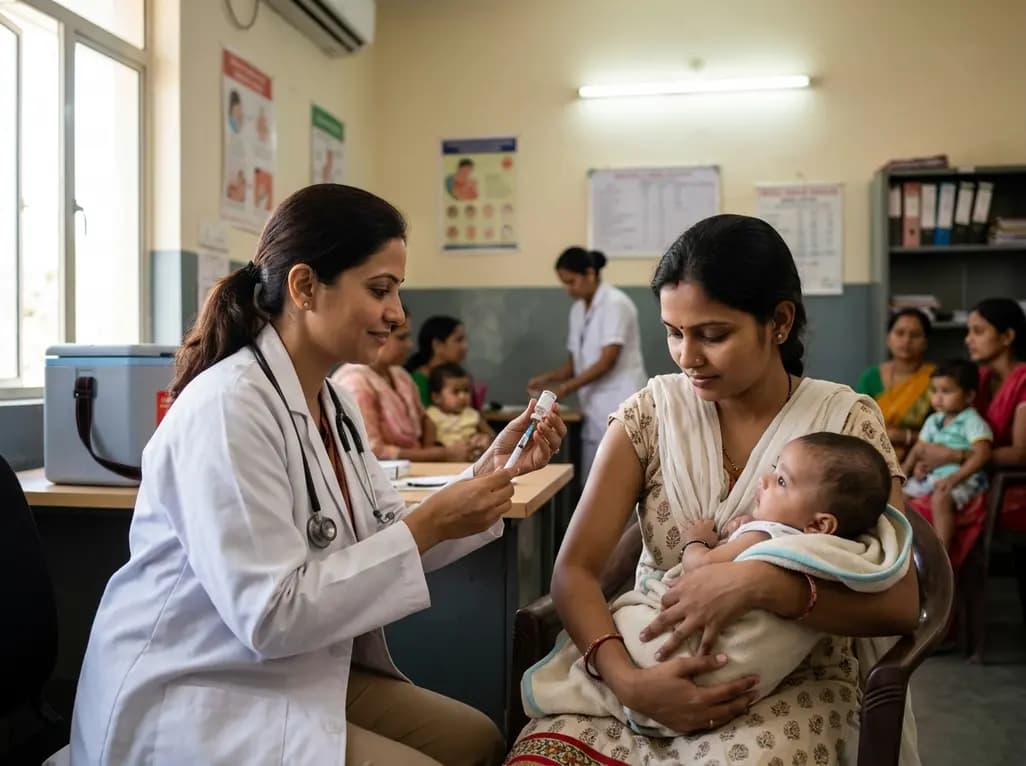
Maternal immunization represents a cornerstone of modern preventive medicine, offering a unique opportunity to provide dual protection to both the mother and her developing fetus. Among the various vaccines recommended during gestation, the influenza vaccine stands out due to the high seasonal burden of the virus and its potential for severe complications in pregnant populations. Recent longitudinal data, such as the comprehensive study by Morris SE and colleagues, have underscored the substantial maternal influenza vaccination benefits observed over a decade of public health monitoring. For clinicians in India, where influenza circulation often coincides with the monsoon and winter seasons, understanding these benefits is vital for optimizing antenatal care. The evidence consistently demonstrates that a single dose of the inactivated influenza vaccine can drastically alter the clinical trajectory for vulnerable families. This protection is particularly critical because infants under six months of age remain ineligible for direct influenza vaccination, leaving them entirely dependent on the passive immunity acquired through the placenta.
Pregnancy induces significant physiological and immunological alterations that fundamentally change how the body responds to respiratory pathogens. From a respiratory standpoint, the growing uterus eventually displaces the diaphragm, reducing the functional residual capacity of the lungs and making pregnant women more susceptible to severe pneumonia. Furthermore, the immune system undergoes a complex modulation to accommodate the semi-allogeneic fetus, which can lead to a more aggressive inflammatory response or a less effective clearance of viral infections. Consequently, pregnant women face a disproportionately higher risk of influenza-associated hospitalizations and intensive care unit admissions compared to non-pregnant women of similar age. Notably, influenza during pregnancy is not merely a maternal concern; it is also associated with adverse neonatal outcomes, including preterm birth, low birth weight, and even stillbirth in severe cases. Therefore, the implementation of vaccination programs serves as a critical intervention to mitigate these systemic risks. By reducing the maternal viral load and preventing severe illness, clinicians can ensure a more stable environment for fetal development and significantly improve the overall health of the mother during the peripartum period.
When evaluating the maternal influenza vaccination benefits, the impact on healthcare systems and individual families is profound. Data from 2011 to 2020 indicates that widespread vaccination coverage among pregnant women has averted tens of thousands of hospitalizations. Specifically, the vaccine has been shown to reduce the risk of laboratory-confirmed influenza illness in pregnant women by approximately 50 percent. This reduction in disease severity is equally impressive, as vaccinated women who do develop the flu are far less likely to require mechanical ventilation or prolonged ICU stays. Moreover, the public health benefits extend beyond the immediate clinical setting to include broader socio-economic advantages, such as reduced absenteeism and lower healthcare costs. In the context of global health, the World Health Organization and the Federation of Obstetric and Gynaecological Societies of India emphasize that pregnant women should be a top priority for seasonal flu shots. By prioritizing this cohort, health systems can effectively lower the burden of respiratory disease during peak seasons. The ripple effect of this protection ensures that the maternal-fetal unit is shielded from the most debilitating effects of the influenza virus, fostering better health outcomes throughout the first year of the infant's life.
The mechanism by which maternal vaccination protects the neonate is a masterclass in biological efficiency. When a pregnant woman receives the inactivated influenza vaccine, her immune system generates high titers of influenza-specific immunoglobulin G (IgG) antibodies. These antibodies are actively transported across the placenta via the neonatal Fc receptor, especially during the second and third trimesters. Consequently, the infant is born with a baseline level of passive immunity that provides a "safety net" during the first few months of life. This period is particularly dangerous for infants because their own immune systems are immature and they cannot yet be vaccinated against influenza. Research has consistently shown that infants born to vaccinated mothers have a significantly lower incidence of influenza-associated hospitalizations, with some studies suggesting a reduction of up to 60 percent. Furthermore, the presence of these maternal antibodies in breast milk provides an additional layer of mucosal protection for the nursing infant. Therefore, the choice of vaccination timing is crucial, as late second-trimester or third-trimester administration typically results in the highest concentration of antibodies at the time of delivery, ensuring the longest duration of passive protection for the newborn.
In India, the seasonality of influenza can be complex, with different regions experiencing peaks at different times, often linked to the monsoon. This variability necessitates a strategic approach to maternal immunization. While global data provides a strong foundation, local clinicians must consider the timing of the vaccine to ensure maximum efficacy. The Ministry of Health and Family Welfare and FOGSI recommend the inactivated influenza vaccine for all pregnant women, yet uptake remains suboptimal in many regions due to vaccine hesitancy or lack of awareness. To address this, healthcare providers should incorporate vaccination counseling into every routine antenatal visit. Explaining the maternal influenza vaccination benefits clearly to patients can significantly improve acceptance rates. Moreover, clinicians should emphasize that the vaccine is safe at any stage of pregnancy, although many prefer the second or third trimester to maximize infant antibody levels. Consequently, integrating flu shots into the standard ANC package—similar to the tetanus and adult diphtheria (Td) vaccines—can help normalize the practice. Ultimately, a proactive stance from gynecologists and family physicians is essential to reducing the burden of respiratory illness in the Indian pediatric and maternal populations.
Safety remains a paramount concern for both clinicians and expecting parents when considering any intervention during pregnancy. Extensive surveillance data over decades have confirmed that the inactivated influenza vaccine is safe for both the mother and the fetus. Large-scale studies have found no increased risk of congenital malformations, miscarriages, or adverse birth outcomes associated with the vaccine. In fact, by preventing the high fevers and systemic inflammation associated with natural influenza infection, the vaccine actually protects the pregnancy from potential complications. From a public health perspective, the cumulative data from 2011 to 2020 demonstrates that even modest increases in vaccination coverage can lead to significant population-level gains. Furthermore, every hospitalization prevented translates into more resources available for other critical maternal health needs. Therefore, advocating for maternal vaccination is not just a clinical recommendation; it is a vital public health strategy. By fostering a culture of prevention, medical educators can empower the next generation of doctors to use every tool available to safeguard the health of the most vulnerable members of society, ensuring a healthier start for every newborn.
While the influenza vaccine is safe and effective during any trimester, most experts suggest that vaccination during the late second or early third trimester provides the optimal window for antibody transfer. This timing ensures that the highest concentration of protective IgG antibodies crosses the placenta before delivery. Consequently, the newborn enters the world with robust passive immunity, which is crucial since they cannot receive their own flu vaccine until they are six months old.
No, the influenza vaccine administered during pregnancy is an inactivated (killed) virus vaccine. It does not contain live virus and therefore cannot cause influenza infection. Some women may experience mild side effects, such as soreness at the injection site, a low-grade fever, or muscle aches, which are simply signs that the body is building an immune response. These symptoms are temporary and much less severe than the actual influenza illness, which poses significant risks.
The passive immunity provided by maternal influenza vaccination benefits the infant primarily during the first four to six months of life. Antibody levels are highest immediately after birth and gradually decline as the infant's immune system develops. This "bridge" of protection is essential because it covers the period of highest vulnerability for severe respiratory complications. Once the infant reaches six months of age, they should begin their own pediatric influenza vaccination series to maintain ongoing protection.
Disclaimer: This content is for informational and educational purposes only and does not constitute medical advice. Always seek the advice of a qualified healthcare provider regarding any medical condition or treatment. Refer to the latest local and national guidelines for clinical practice.
References
Morris SE et al. Public health benefits of maternal influenza vaccination among pregnant women and infants <6 months in the United States, 2011-2020. Vaccine. 2026 Jun 30. doi: undefined. PMID: 42378812.
Federation of Obstetric and Gynaecological Societies of India (FOGSI). Good Clinical Practice Recommendations for Vaccination in Pregnancy. 2023.
World Health Organization. Vaccines against influenza: WHO position paper - May 2022. Weekly Epidemiological Record. 2022;97(19):185-208.
Zerbo O, et al. Effectiveness of Influenza Vaccination During Pregnancy Against Influenza in Infants During the First 6 Months of Life. Obstetrics & Gynecology. 2025;145(1):1-10.

Read summarized clinical updates, watch expert medical content, and earn CME certifications right from your smartphone.
Open your smartphone camera to scan and install.





Maternal influenza vaccination offers dual protection, significantly reducing severe respiratory illness and hospitalizations for both mothers and their infants under six months of age, as demonstrated by a decade of longitudinal public health data.
3 months ago

Novel diimide and hydrazone scaffolds, particularly compound #C4, synergistically reactivate latent HIV-1 when combined with JQ1 or PKC activators. Demonstrating donor-matched proviral transcription ex vivo and non-canonical signaling, these findings advance shock and kill strategies toward reservoir eradication.
Today

A cross-sectional study reveals that maternal RSV vaccination coverage reached only 43.7% in Argentina, with maternal vaccine knowledge being the sole independent predictor of uptake. Clinicians play a crucial role in eliminating informational and structural barriers to optimize infant health.
Today

Review how tailored exercise programs benefit frail older patients with heart failure. Explore pathophysiological mechanisms, individualized training prescriptions, and strategies to overcome adherence barriers in clinical practice.
Yesterday

This comparative study evaluates posterior labral tears with and without glenohumeral instability, highlighting distinct demographic patterns, MRI underestimation in stable shoulders, and successful arthroscopic repair outcomes.
Yesterday

A clinical study demonstrates that early intervention with tocilizumab, either as monotherapy or bridged with corticosteroids, achieves significant proptosis reduction and resolves active inflammation in treatment-naive thyroid eye disease.
Today
