.webp&w=384&q=75)

Loading, please wait...
Loading, please wait...

World Health Organization Director-General Dr. Tedros Adhanom Ghebreyesus recently met India's Union Health Minister JP Nadda in Dili. During this high-level dialogue, the global health leader commended India's substantial advancements across diverse healthcare indicators. Specifically, significant transformations in maternal and child health highlighted the bilateral discussions alongside aggressive strategies targeting communicable and non-communicable diseases.
India has achieved remarkable progress in lowering preventable mortalities among mothers and newborns. Consequently, global public health leaders recognize the country's structured maternal safety interventions. Institutional deliveries have surged from 78 percent to an impressive 93 percent across states. Furthermore, this dramatic rise reflects improved facility readiness, enhanced transport, and dedicated cash incentives. Healthcare providers now manage obstetric complications with standardized evidence-based protocols. Additionally, routine immunization programs have expanded coverage against life-threatening childhood infections significantly. As a result, infant mortality rates and under-five mortalities continue their sustained downward trajectory. Clinical teams at primary centers routinely deliver comprehensive prenatal monitoring and timely postnatal checkups. Moreover, early identification of high-risk pregnancies prevents severe complications like preeclampsia and postpartum hemorrhage. In addition, health centers ensure nutritional supplementation reaches vulnerable expectant women. These concerted community efforts generate lasting improvements in neonatal survival benchmarks. Therefore, India's reproductive health paradigm provides an effective template for developing nations worldwide. Subsequently, sustained public investment strengthens obstetric critical care units in district hospitals. In fact, clinical professionals emphasize respectful maternity care during labor. Overall, timely clinical audits reinforce continuous quality improvements across all maternal care facilities.
The rapid establishment of 160,000 Ayushman Arogya Mandirs represents a monumental structural reform. Consequently, primary healthcare facilities now deliver preventive and curative clinical services directly to peripheral villages. Historically, rural populations traveled long distances to access basic medical consultations. However, these upgraded centers provide vital screening for hypertension, diabetes, and common regional cancers locally. Mid-level healthcare providers utilize standardized digital health records to monitor chronic non-communicable diseases systematically. Furthermore, structured clinical protocols guide early diagnosis and protocol-based pharmacological therapies. Patients needing tertiary interventions receive timely referrals through established public health pathways. In addition, these centers maintain dependable supplies of essential anti-hypertensive and anti-diabetic medications. Therefore, out-of-pocket medical expenditure decreases significantly among low-income households. Wellness initiatives, including routine yoga sessions and lifestyle counseling, also encourage holistic patient wellness. Notably, tele-consultation services connect rural patients with urban specialist physicians seamlessly. Thus, the Ayushman Arogya Mandir network ensures universal health coverage reaches underserved demographic segments. Ultimately, this decentralized infrastructure bridges diagnostic gaps and mitigates late-stage chronic disease presentations across India. Similarly, frontline nurses perform routine cervical and oral cancer screenings using point-of-care techniques. Moreover, clinicians track treatment adherence through community registries effectively. As a result, population-level cardiovascular disease control shows steady improvements nationwide.
Accredited Social Health Activists, commonly known as ASHA workers, serve as the backbone of community medicine. Indeed, these dedicated frontline female health workers link remote households directly with formal healthcare systems. They track pregnant mothers meticulously from conception through the postpartum period. Consequently, institutional delivery rates have experienced unprecedented national growth over the past decade. Furthermore, ASHA workers counsel families on exclusive breastfeeding, complementary feeding, and adequate childhood immunization schedules. Their regular domestic visits help identify childhood malnutrition and infectious symptoms before acute complications develop. However, their responsibilities extend far beyond traditional maternal and child health domains. Specifically, ASHAs now assist in screening community members for chronic hypertension and high blood glucose. They distribute essential micronutrient supplements and provide basic first-line medical remedies in distant hamlets. Additionally, their empathetic communication builds deep trust within historically hesitant populations. In fact, public health agencies rely heavily on their outreach during widespread disease surveillance campaigns. Therefore, international organizations rightly celebrate these healthcare workers as indispensable community leaders. Ultimately, investing in frontline health workers guarantees equitable healthcare distribution across diverse geographic topographies. Moreover, ongoing digital training equips ASHAs with smartphone apps for real-time epidemiological monitoring. As a result, primary health centers receive immediate alerts regarding emerging infectious clusters.
India continues to spearhead aggressive, multi-pronged clinical strategies to eliminate tuberculosis nationwide. Consequently, the National Tuberculosis Elimination Programme emphasizes active case finding across vulnerable and dense populations. State agencies deploy rapid molecular diagnostic platforms, such as cartridge-based nucleic acid tests, in remote districts. Furthermore, early pathogen identification enables prompt initiation of appropriate drug-susceptible or drug-resistant therapeutic regimens. Clinicians now follow evidence-based treatment guidelines that incorporate novel, shorter oral regimens for multidrug-resistant cases. Additionally, direct benefit transfer schemes provide crucial nutritional financial support to undergoing patients through the Ni-kshay portal. Malnutrition significantly impairs host immunity; therefore, targeted nutritional support substantially enhances clinical cure rates. Private healthcare providers also collaborate closely through mandatory digital notification systems and subsidized testing initiatives. Moreover, community volunteers and cured patient advocates help eliminate lingering social stigma around tuberculosis. In fact, real-time epidemiological tracking platforms allow public health administrators to locate persistent transmission hotspots rapidly. As a result, treatment adherence rates have risen noticeably across both urban and rural areas. Overall, India's robust commitment aligns firmly with the global End TB strategy benchmarks. Similarly, preventive chemoprophylaxis regimens protect vulnerable household contacts from latent disease progression. Thus, comprehensive diagnostic accessibility transforms the nationwide fight against mycobacterial infections.
Beyond domestic achievements, India increasingly shapes international health policy and multilateral medical governance. Specifically, bilateral talks between the World Health Organization and Indian leaders explored regulatory harmonization of medical products. Rigorous regulatory benchmarks ensure that manufactured pharmaceuticals and biologicals satisfy stringent international quality and safety metrics. Consequently, Indian therapeutic products continue to support accessible healthcare across developing and developed continents. Furthermore, discussions addressed India's substantial contributions to integrating evidence-informed traditional medicine with modern healthcare paradigms. The WHO Global Traditional Medicine Centre in Jamnagar exemplifies this collaborative scientific endeavor. Additionally, leaders addressed multilateral negotiations concerning the Pathogen Access and Benefit Sharing framework under the WHO Pandemic Agreement. Developing nations require equitable access to medical countermeasures, genomic data, and vaccine manufacturing technologies during global emergencies. Therefore, India advocates for balanced intellectual property terms and rapid technological sharing mechanisms. In fact, proactive health diplomacy strengthens resilient pandemic preparedness architectures worldwide. Thus, international public health authorities view India as an indispensable partner in driving global health security. Moreover, standardized post-marketing surveillance systems detect adverse drug events with greater clinical precision. As a result, global regulatory agencies place increasing trust in Indian pharmaceutical production standards. Ultimately, robust multilateral cooperation accelerates equitable health solutions across all sovereign borders.
Q1: How do Ayushman Arogya Mandirs improve chronic disease detection in India?
Ayushman Arogya Mandirs decentralize chronic disease detection by bringing diagnostic screenings directly into local communities. Trained community health officers utilize standardized protocols to screen adults for hypertension, diabetes, and oral, breast, and cervical cancers. Patients identified with abnormal readings receive prompt lifestyle counseling and initiated medical therapy. Furthermore, established digital health records ensure seamless referrals to secondary or tertiary hospitals when complicated clinical conditions require advanced specialist intervention.
Q2: What primary factors contributed to the rise in institutional deliveries across India?
Institutional deliveries increased from 78 percent to 93 percent due to integrated governmental maternal health initiatives. Targeted conditional cash transfer programs, such as Janani Suraksha Yojana, incentivize hospital births among economically vulnerable women. Additionally, dedicated emergency ambulance services improve transport accessibility from rural regions to equipped maternity centers. Dedicated ASHA workers identify expectant mothers early, coordinate institutional delivery plans, and provide continuous emotional support throughout the entire intrapartum journey.
Q3: How does India support global health initiatives under the WHO Pandemic Agreement?
India actively participates in negotiating the Pathogen Access and Benefit Sharing framework within the WHO Pandemic Agreement. The country advocates for equitable distribution of critical medical countermeasures, diagnostic reagents, and affordable vaccines during global emergencies. Furthermore, India shares vital genomic surveillance data while defending balanced intellectual property rules that enable developing nations to manufacture essential pharmaceuticals locally. Consequently, these diplomatic efforts strengthen worldwide pandemic preparedness and reinforce sustainable global health security.
Disclaimer: This content is for informational and educational purposes only. It does not constitute medical advice or replace professional judgment. Refer to the latest local and national guidelines for clinical practice.
References

Read summarized clinical updates, watch expert medical content, and earn CME certifications right from your smartphone.
Open your smartphone camera to scan and install.





At the 79th Regional Committee session, the World Health Organization commended India's public health advancements. Key achievements include the operationalization of 160,000 Ayushman Arogya Mandirs, higher institutional delivery rates, strong ASHA networks, and persistent efforts to eliminate tuberculosis nationwide.
last month
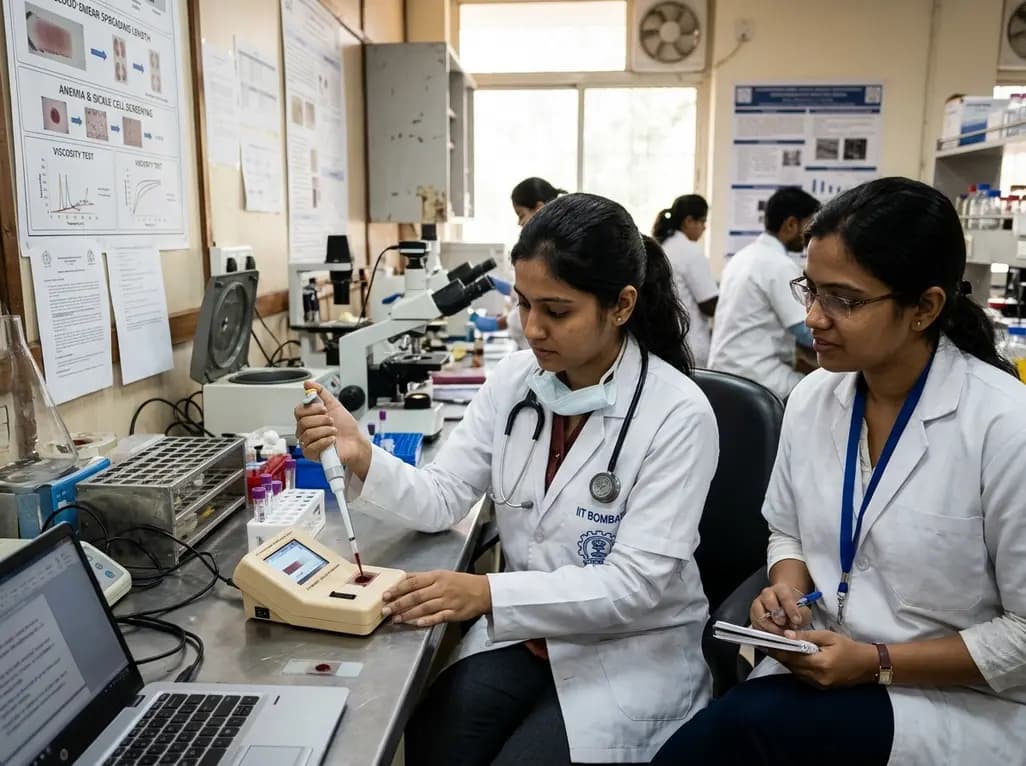
Researchers at IIT Bombay have engineered an automated, cost-effective point-of-care device that diagnoses anaemia and sickle cell disease from a single drop of blood. By measuring blood smear spreading length, this portable tool assesses blood viscosity to offer rapid screening in resource-limited healthcare centers.
Today

A population-based study of 20,928 children reveals that small vulnerable newborns face sex-divergent mental capital outcomes at ages 6-7: term SGA girls show higher behavioral difficulties and lower resilience, while preterm non-SGA boys experience increased behavioral problems.
Today
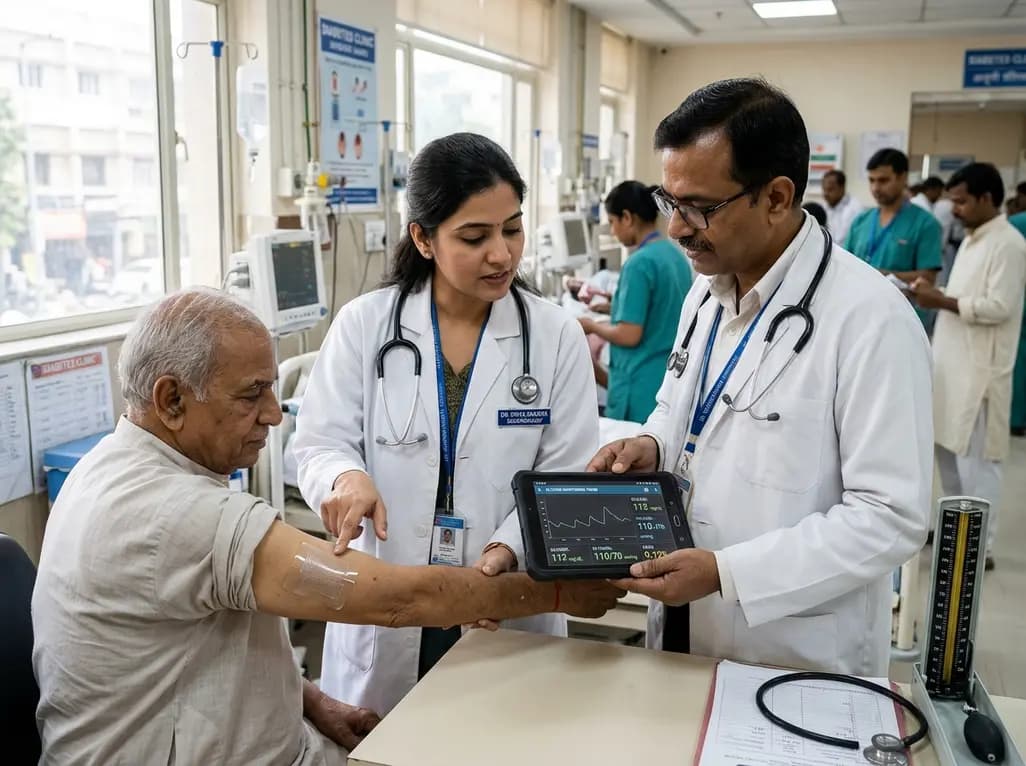
A breakthrough ultrathin multimodal sensor decouples physical hemodynamic monitoring from disposable electrochemical calibration, achieving long-term wearable glucose prediction with 81.36% accuracy and a 9.12% MARD. This offers a robust, drift-free solution for outpatient metabolic surveillance.
Today
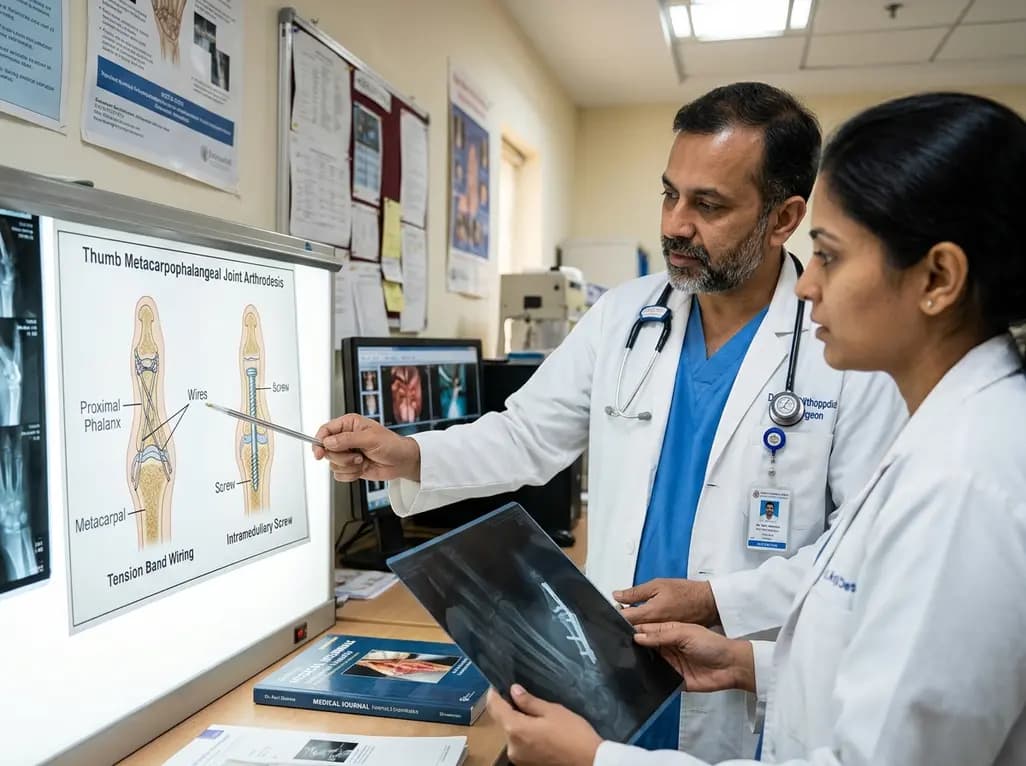
A comparative review of tension band wiring and intramedullary screw fixation in thumb metacarpophalangeal arthrodesis, evaluating union rates, hardware complications, and clinical outcomes.
Today

Following regulatory scrutiny from FSSAI regarding promotional representations and lean muscle preservation claims, Dr. Reddy's Laboratories and Nestlé Health Science are currently reviewing the branding and marketing strategy for their joint nutritional supplement Celevida GLP+.
Today
