.webp&w=384&q=75)

Loading, please wait...
Loading, please wait...

Match-fixing remains a pervasive threat to the integrity of global sports. Researchers recently examined the psychological mechanisms driving this behavior. They focused specifically on match-fixing susceptibility among competitive athletes. This study involved 406 participants from three different countries. The results show a clear link between moral disengagement and unethical intentions.
Moral disengagement occurs when individuals justify unethical actions to avoid self-censure. In this study, athletes with higher levels of moral disengagement showed significantly higher match-fixing susceptibility. Furthermore, the internal ethical climate of a team serves as a critical moderator. Interestingly, the positive relationship between moral disengagement and susceptibility was stronger in teams perceived to have high ethical standards. This suggests that athletes may use complex cognitive justifications even within seemingly ethical environments.
Consequently, sports medicine professionals and psychologists must look beyond individual traits. They should also evaluate the contextual influences within sports organizations. Promoting a culture of transparency is vital. However, understanding how athletes rationalize the deactivation of their moral standards is equally important. Therefore, intervention programs should target both cognitive restructuring and environmental ethics to effectively safeguard sports integrity.
Moral disengagement refers to the cognitive process where athletes convince themselves that ethical standards do not apply to them in specific situations. This allows them to engage in behaviors like cheating or match-fixing without feeling significant guilt or internal conflict.
A team's ethical climate provides the social context for decision-making. While a positive climate is generally protective, this research indicates that high-disengagement individuals might still find ways to justify misconduct. Thus, a healthy team culture must be paired with individual moral education.
Disclaimer: This content is for informational and educational purposes only. It does not constitute professional medical or psychological advice. Refer to the latest local and national guidelines for clinical practice.
References
Barkoukis V et al. The Role of Moral Disengagement and Perceived Ethical Climate in Match-Fixing Susceptibility Amongst Athletes. Res Q Exerc Sport. 2026 Mar 24. doi: 10.1080/02701367.2026.2623653. PMID: 41874549.
Boardley ID, Kavussanu M. Moral disengagement and sport integrity: identifying and mitigating integrity breaches in sport management. ResearchGate. 2021 Jun 25.
O'Shea D et al. Athletes' Perceptions and Knowledge About Match Fixing: An Investigation in Six European Countries. University of Limerick. 2025 Apr 16.

Read summarized clinical updates, watch expert medical content, and earn CME certifications right from your smartphone.
Open your smartphone camera to scan and install.





A study explores how moral disengagement and team ethical climate interact to predict match-fixing susceptibility among 406 competitive athletes....
6 months ago
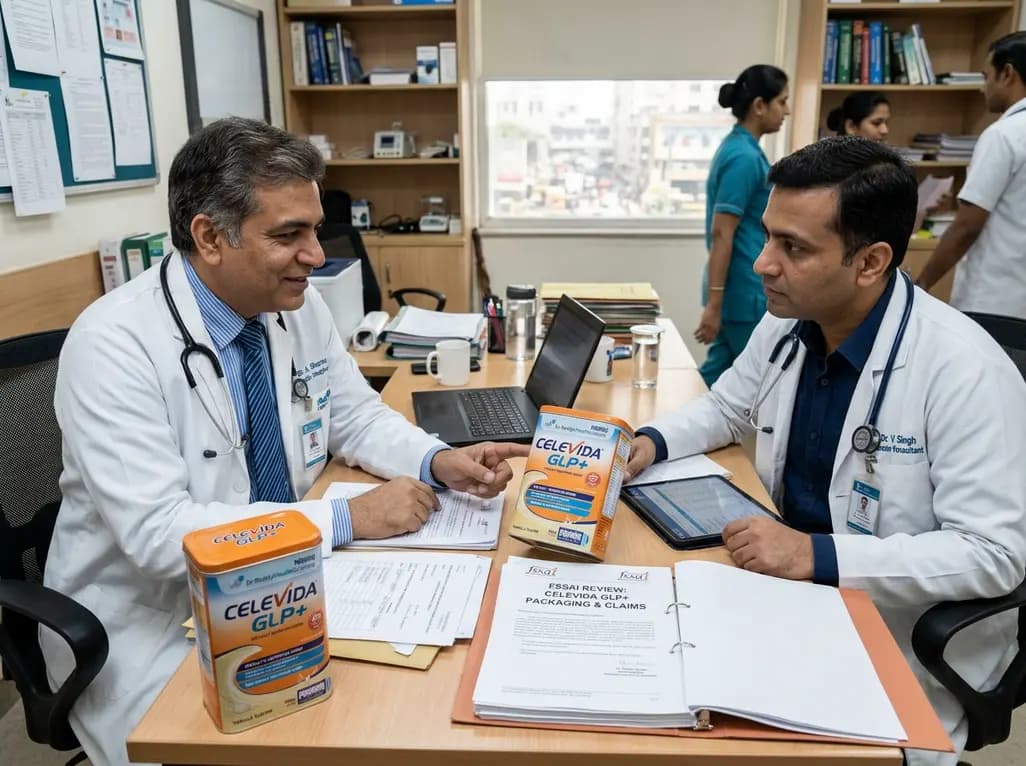
Following regulatory scrutiny from FSSAI regarding promotional representations and lean muscle preservation claims, Dr. Reddy's Laboratories and Nestlé Health Science are currently reviewing the branding and marketing strategy for their joint nutritional supplement Celevida GLP+.
Today

Demanding exhaustive hormonal profiling can inadvertently discourage clinical studies involving females. Methodological standards must align with the specific scientific question to expand, not restrict, equitable evidence for women.
Today

The Directorate General of Health Services directs Indian states to halt the hazardous reuse and reprocessing of single-use medical devices. Discover regulatory implications under the Drugs and Cosmetics Act, critical infection risks, legal liabilities, and operational changes required across clinical specialties.
Today
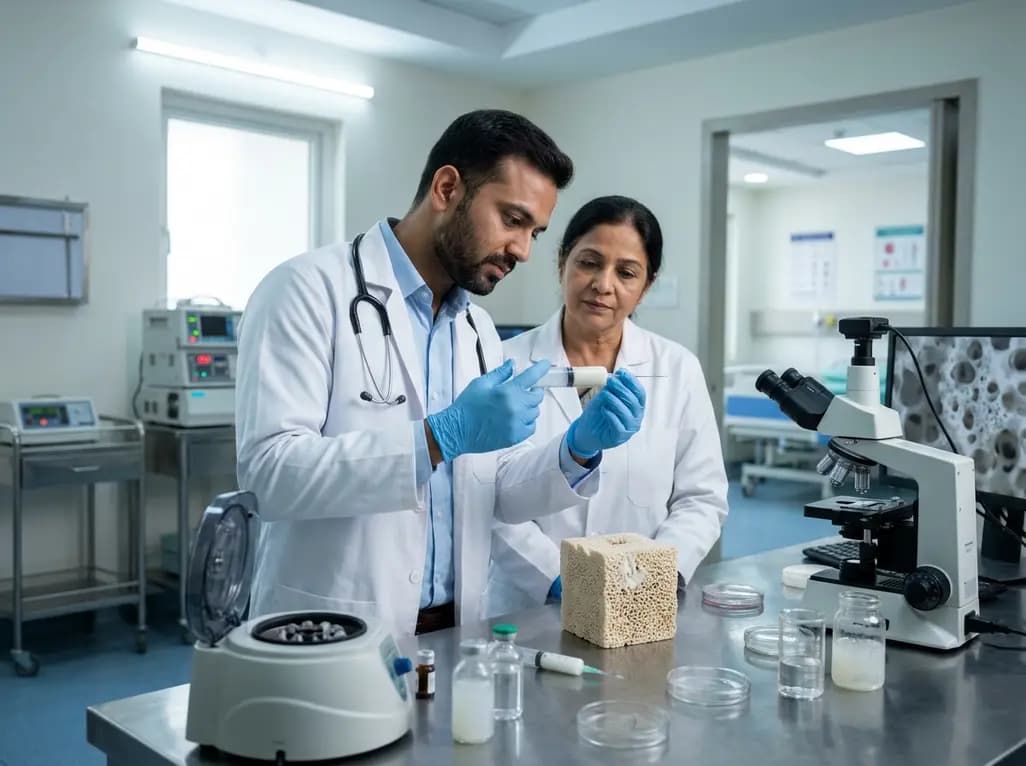
A novel calcium polyphosphate coacervate enables injectable bone implants with in situ hierarchical porosity via phase separation and gas foaming, significantly enhancing cell proliferation, energy metabolism, and osteogenic differentiation for minimally invasive bone defect repair.
Today

India is advancing preventive healthcare by integrating genomics, artificial intelligence, and quantum technologies. With the SANGAM programme sequencing one million Indian genomes, clinicians can unlock personalized therapies, detect cardiometabolic risks early, and curb the burden of diabetes and heart disease.
Today
