.webp&w=384&q=75)

Loading, please wait...
Loading, please wait...
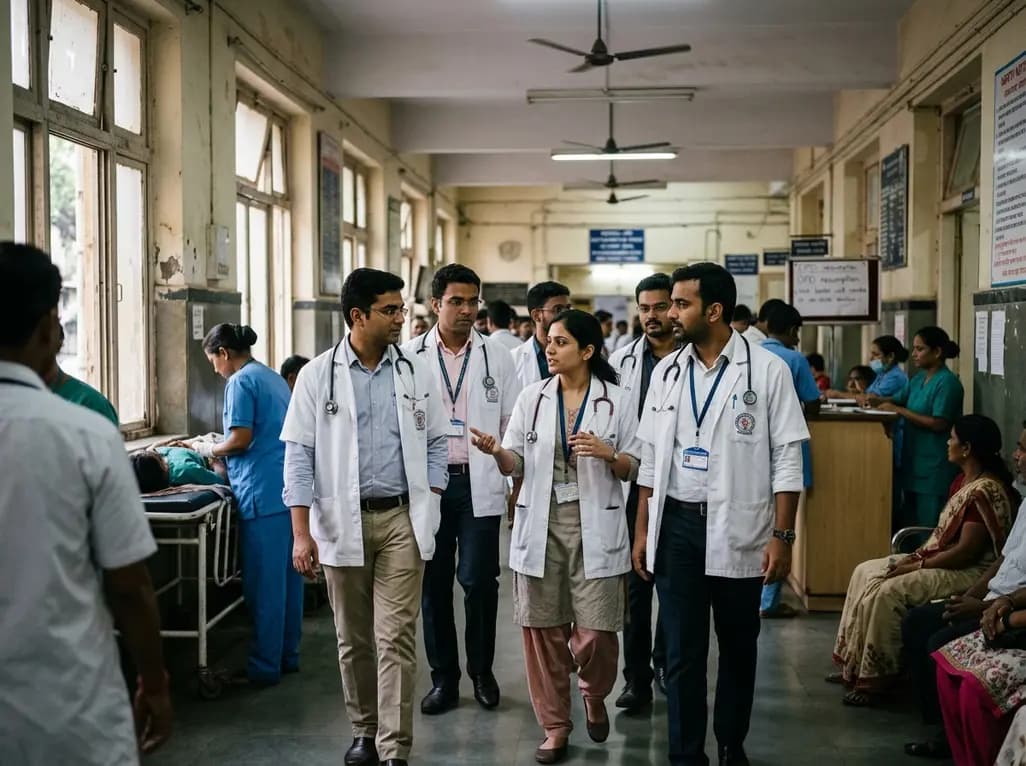
The Maharashtra State Association of Resident Doctors recently called off their statewide strike following explicit directives from the Bombay High Court. This legal development emerged during an intense debate surrounding the BHMS CCMP registration framework across public hospitals in Maharashtra. Resident doctors initiated an indefinite protest against state resolutions permitting homeopathy graduates with modern pharmacology qualifications to practice allopathic medicine. While the judicial intervention compelled doctors to resume essential healthcare duties, medical bodies maintain an unwavering stance against cross-pathy practices. Consequently, understanding the regulatory background, clinical implications, and judicial rationale becomes imperative for modern healthcare professionals operating within the Indian healthcare framework.
The Bombay High Court intervened firmly when resident doctors across Maharashtra suspended non-emergency hospital services. Taking judicial notice of the widespread operational disruption, the division bench directed protesting healthcare workers to resume immediate clinical duties. Furthermore, the court emphasized that patient care cannot suffer due to professional disputes between medical organizations and state administration. In response, Central MARD announced the formal withdrawal of their statewide agitation in strict compliance with the judicial mandate.
However, resident doctor representatives emphasized that calling off the strike does not signify an agreement with government policy decisions. Although clinical services returned to normal operations, the core grievances raised by resident medical officers remain completely unresolved. MARD leadership affirmed that their opposition to cross-pathy frameworks will persist through constitutional and legal channels. In addition, the association scheduled further consultations with senior government officials to negotiate regulatory boundaries. The judicial order successfully restored routine outpatient departments, elective surgeries, and diagnostic laboratory functions across government medical institutions. Consequently, healthcare delivery resumed across urban and rural centers, relieving thousands of affected patients who had previously faced delayed care.
The central catalyst behind this healthcare protest centers on the controversial BHMS CCMP registration policy enacted by state health authorities. Under this regulatory resolution, homeopaths completing the Certificate Course in Modern Pharmacology receive authorization to register with the Maharashtra Medical Council. Consequently, these practitioners gain formal permission to prescribe modern allopathic medications in designated primary healthcare settings. Medical associations strongly oppose this decision, arguing that short-term pharmacology courses cannot replace comprehensive MBBS medical training.
Furthermore, allopathic doctor associations argue that granting dual council registration compromises established medical standards and jeopardizes patient safety. Modern medical training requires years of rigorous clinical exposure, pathology studies, and pharmacology education that cannot be replicated in short bridge courses. Therefore, medical bodies argue that allowing cross-pathy practice creates severe risks regarding incorrect drug dosages, adverse drug interactions, and diagnostic errors. On the other hand, state representatives defend the policy as a pragmatic solution to overcome severe physician shortages in rural healthcare facilities. Nevertheless, resident doctors contend that rural public health demands properly qualified allopathic medical officers rather than inadequately trained substitutes. Therefore, this policy debate highlights fundamental conflicts regarding medical education quality, regulatory integrity, and public healthcare equity.
The statewide resident doctor agitation created significant operational challenges across government hospitals and municipal tertiary centers. During the protest period, resident doctors withdrew from outpatient departments, elective operating theaters, and routine ward duties. Consequently, senior faculty members and permanent medical staff were forced to manage overwhelming patient volumes under challenging conditions. Many patients traveling from remote districts experienced prolonged wait times and deferred elective procedures due to reduced staffing levels.
However, resident doctor unions maintained emergency services, casualty units, and intensive care operations during the initial phases of agitation. Despite these safeguards, the suspension of routine outpatient clinics significantly disrupted public healthcare delivery across major metro centers like Mumbai and Pune. Municipal tertiary hospitals reported a sharp decline in routine consultation visits as news of the protest spread among patients. Additionally, elective surgeries faced temporary postponements, creating cumulative backlogs in major surgical departments. The judicial intervention ultimately prevented a broader healthcare crisis by ordering immediate work resumption. Consequently, the restoration of routine medical workflows brought immediate relief to vulnerable patient populations relying on state-run healthcare institutions.
The legal battle surrounding cross-pathy practice involves complex constitutional questions regarding medical regulation and patient rights. During judicial proceedings, the High Court bench reiterated that medical professionals hold a unique public duty that precludes striking. The court observed that while labor disputes in commercial sectors cause financial loss, disruptions in healthcare can lead to irreversible consequences for patient life. Therefore, the judiciary asserted its intention to establish definitive guidelines regarding medical strikes in public health institutions.
Simultaneously, legal challenges regarding the validity of the state's government resolution remain pending before coordinate benches of the High Court. Petitioners representing allopathic medical bodies contend that state-level regulatory changes violate national medical commission standards. Furthermore, they argue that permitting non-allopathic practitioners to prescribe modern drugs without national accreditation contradicts statutory legal frameworks. Conversely, government advocates maintain that state authorities possess regulatory powers to address regional medical manpower shortages. As judicial review continues, legal experts anticipate that higher courts will establish important precedents regarding professional scopes of practice and state healthcare governance.
Resolving this complex conflict requires a balanced regulatory roadmap that harmonizes public health demands with strict professional standards. While expanding rural healthcare access remains a vital public priority, maintaining high standards of clinical training is equally critical. Medical educators advocate for strengthening rural medical infrastructure and offering better incentives to attract fully trained MBBS graduates to rural postings. Rather than relying on cross-pathy bridge programs, health policy experts suggest expanding undergraduate and postgraduate medical seats in government colleges.
Additionally, establishing clear regulatory boundaries between distinct systems of medicine remains essential for preventing patient confusion and safety hazards. Standardized clinical practice guidelines must explicitly delineate the diagnostic and therapeutic limits for practitioners of different medical disciplines. Furthermore, transparent dialogue between state health ministries, medical councils, and doctor associations will be necessary to build consensus. As legal proceedings unfold, healthcare administrators must focus on long-term systemic reforms that improve healthcare delivery without compromising educational rigor. Ultimately, protecting patient health requires evidence-based medical governance, robust professional training, and equitable distribution of healthcare resources.
Q1: Why did resident doctors call off their statewide strike in Maharashtra?
Resident doctors called off their statewide strike primarily in compliance with clear directions issued by the Bombay High Court. The court expressed deep concern over patient suffering and emphasized that healthcare professionals cannot resort to work stoppages. Although MARD withdrew the strike to respect judicial authority, the association stated that their opposition to cross-pathy registration policies remains completely active and unresolved.
Q2: What is the main controversy regarding BHMS CCMP registration?
The controversy involves state resolutions allowing homeopathic graduates with a Certificate Course in Modern Pharmacology to register under the Maharashtra Medical Council. Allopathic doctors argue that short-term pharmacology courses cannot substitute for comprehensive medical degree training. They contend that permitting cross-pathy practice undermines clinical standards, risks patient safety through improper drug prescribing, and creates regulatory ambiguities within public healthcare delivery.
Q3: How will hospital operations be affected after the strike withdrawal?
Following the strike withdrawal, routine hospital operations, including outpatient consultations, elective surgical procedures, inpatient ward rounds, and laboratory services, have fully resumed across Maharashtra government hospitals. Patient care services have returned to standard operational levels. However, resident doctor organizations plan to continue pursuing their policy demands through constitutional, legal, and dialogue-driven mechanisms with state government officials.
Disclaimer: This content is for informational and educational purposes only. It does not constitute medical advice or replace professional judgment. Refer to the latest local and national guidelines for clinical practice.
References

Read summarized clinical updates, watch expert medical content, and earn CME certifications right from your smartphone.
Open your smartphone camera to scan and install.





Maharashtra resident doctors under MARD have called off their statewide strike following a Bombay High Court directive. The protest opposed allowing homoeopaths with CCMP qualifications to register under the MMC. While duties have resumed, medical bodies continue their legal fight against cross-pathy practice.
4 weeks back
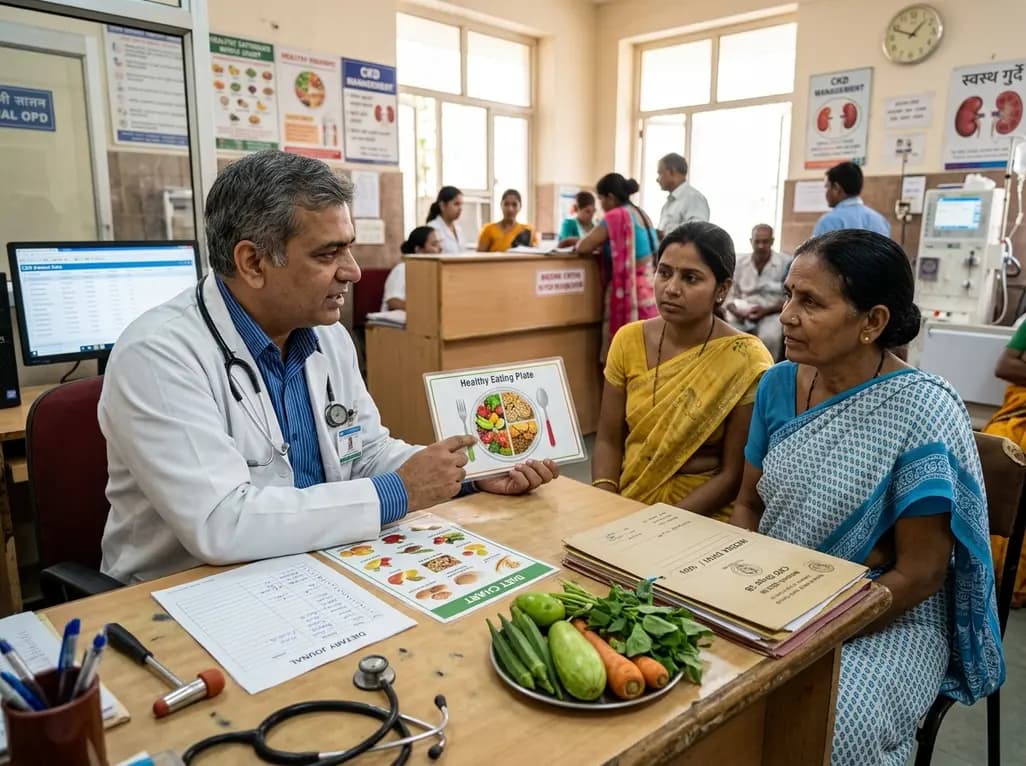
A large NHANES cohort study reveals that higher Healthy Eating Index scores significantly reduce all-cause mortality risk in CKD patients by 45%. This analysis highlights the importance of comprehensive diet quality and medical nutrition therapy in renal care to optimize long-term clinical survival.
Today

A prospective cohort study demonstrates that poor adolescent sleep quality, especially long sleep latency and reduced efficiency, increases dysmenorrhea severity in young adulthood. Addressing adolescent rest patterns offers a critical preventive avenue for clinicians.
Today
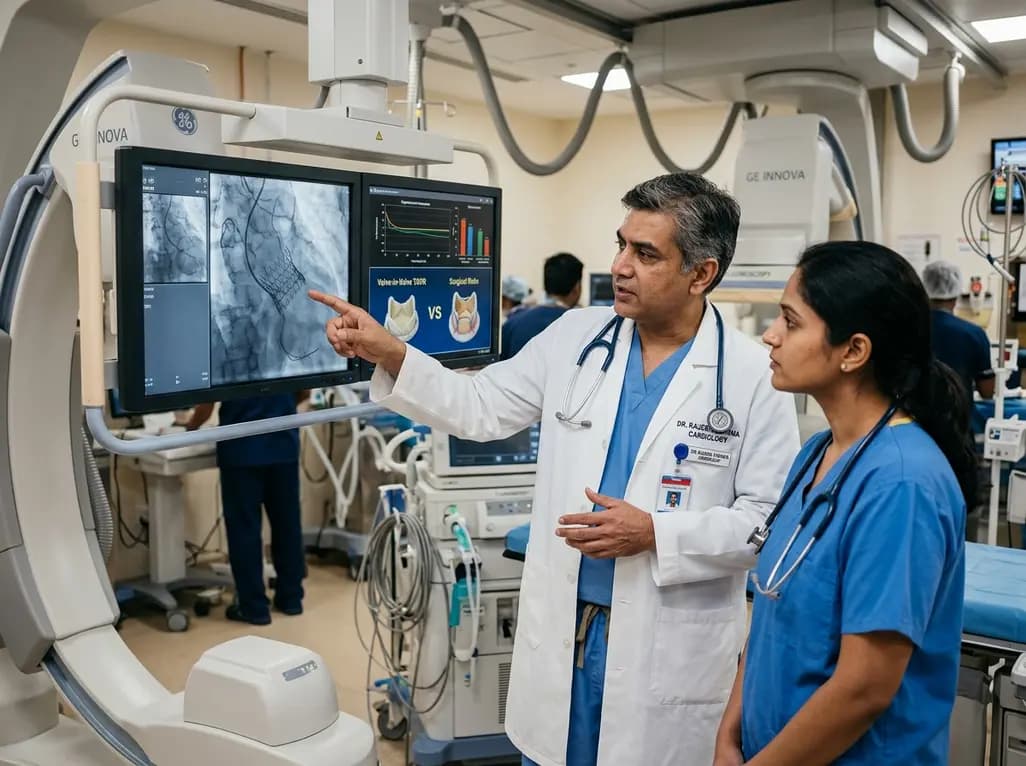
A meta-analysis of 13 propensity score-matched studies shows ViV-TAVR delivers lower early mortality and reduced bleeding compared to redo-SAVR for degenerated bioprosthetic aortic valves, though long-term hemodynamics warrant careful anatomical and patient-centered evaluation.
Today
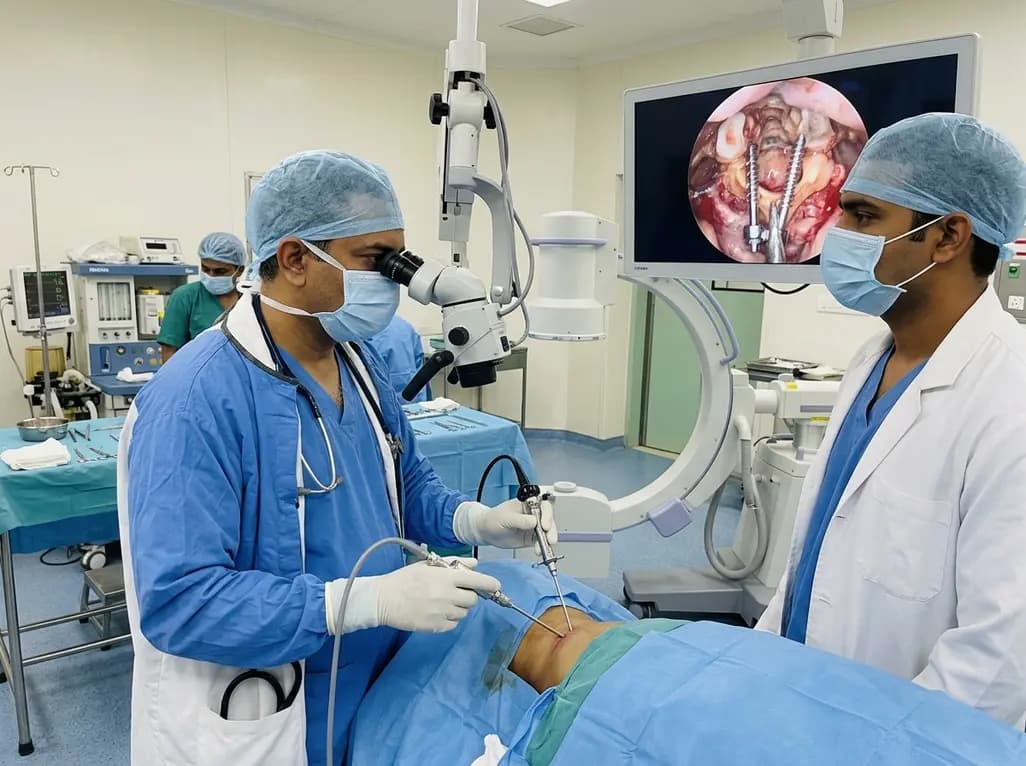
Endoscopic posterior cervical fusion combines minimally invasive decompression, joint preparation, and rigid screw-rod fixation for atlantoaxial pathologies. Early clinical findings demonstrate solid bony union, excellent symptom relief, and minimal soft-tissue morbidity without significant vascular compromise.
Today
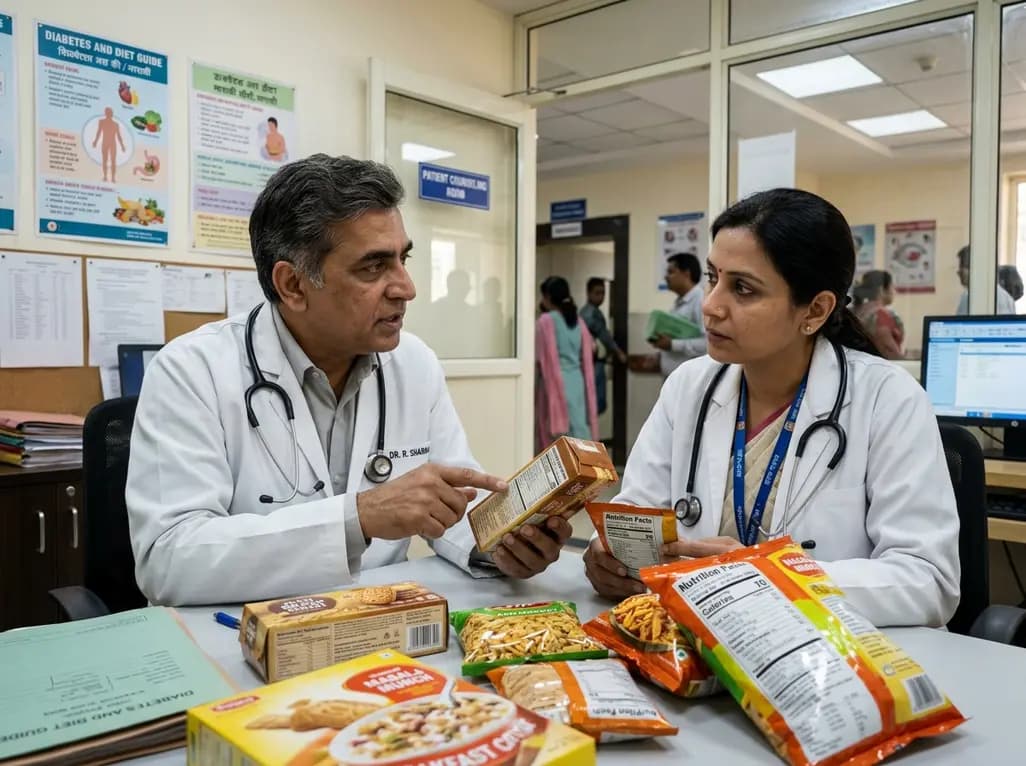
The All-India Food Processors' Association has approached the Supreme Court to oppose FSSAI's proposed per-100g benchmark for front-of-pack warning labels, advocating instead for a per-serving threshold. We explore the regulatory showdown, nutritional evidence, and implications for clinical lifestyle counseling.
Today
