.webp&w=384&q=75)

Loading, please wait...
Loading, please wait...
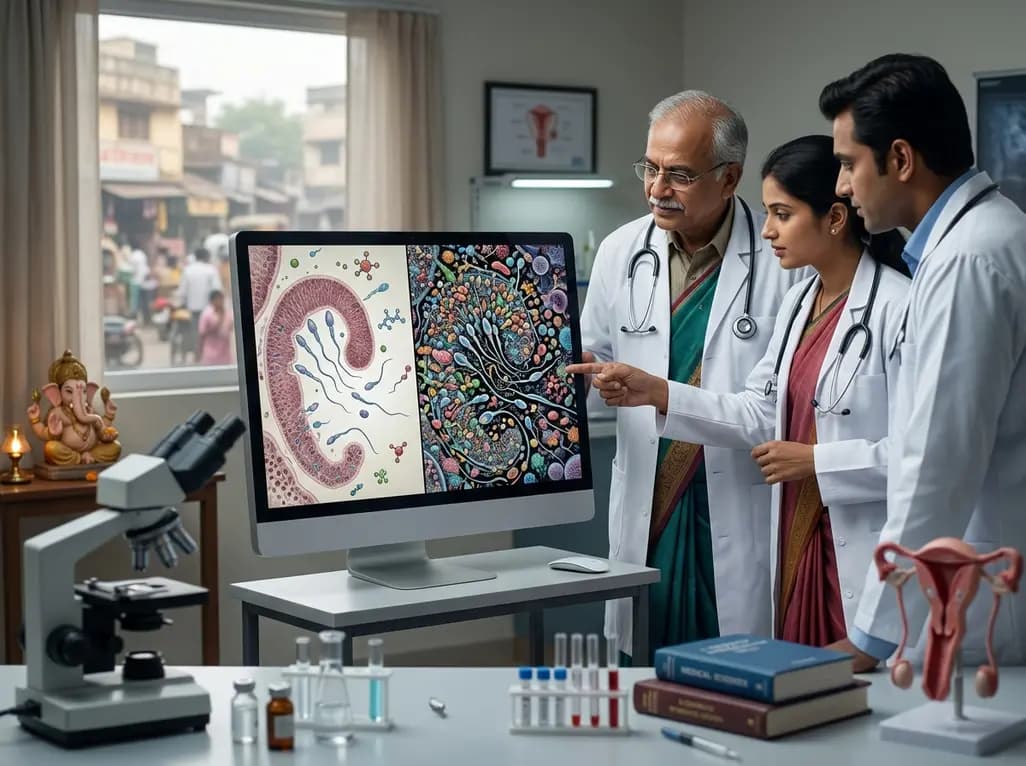
Furthermore, recent research into vertebrate evolution has revealed a significant shift in the male reproductive secretome. Specifically, this massive expansion occurred during the diversification of placental mammals. Consequently, the study highlights the epididymis as a central organ for reproductive success. Moreover, scientists identified thousands of tissue-specific genes that drive sperm maturation. In addition to these genes, the secretome provides critical protection for sperm cells. Therefore, this research is vital for understanding modern andrology.
Because the MR secretome expanded by 6.8-fold, it reshaped the functional landscape of the male reproductive tract. Similarly, it created a new environment for sperm maturation. However, older genes still handle structural tasks like motility and egg binding. In contrast, the newly evolved genes focus on the epididymal environment. As a result, placental mammals possess a highly specialized system. Additionally, these changes suggest that male fertility relies heavily on these secretory proteins.
Consequently, clinicians can use these findings to explore the molecular basis of idiopathic infertility. For instance, deficiencies in the male reproductive secretome might explain poor sperm maturation outcomes. In addition, identifying specific secretory proteins could lead to better diagnostic biomarkers. Therefore, researchers are now focusing on the epididymal protein networks. Finally, these insights may improve the success rates of assisted reproductive technologies in India.
The secretome contains specialized proteins that protect sperm cells and drive their functional maturation within the epididymis, which is essential for successful fertilization.
The epididymis is the primary site where these newly evolved secretory genes are expressed, facilitating post-mating reproductive processes and protecting the gametes.
Disclaimer: This content is for informational and educational purposes only. It does not constitute professional medical advice, diagnosis, or treatment. Always seek the advice of your physician or other qualified health provider with any questions you may have regarding a medical condition. Never disregard professional medical advice or delay in seeking it because of something you have read here. Refer to the latest local and national guidelines for clinical practice.
References
Ranz JM et al. Male reproductive biology was reshaped during placental mammal diversification through epididymal secretome expansion. EMBO Rep. 2026 Jun 03. doi: 10.1038/s44319-026-00817-1. PMID: 42237041.
Sullivan R. The Role of the Epididymis and the Contribution of Epididymosomes to Mammalian Reproduction. PMC. 2021.
Dacheux JL et al. Role of epididymal secretory proteins in sperm maturation with particular reference to the boar. J Reprod Fertil Suppl. 1998;53:99-107.

Read summarized clinical updates, watch expert medical content, and earn CME certifications right from your smartphone.
Open your smartphone camera to scan and install.





New research shows the male reproductive secretome underwent a 6.8-fold expansion during evolution, primarily affecting epididymal sperm maturation....
4 months ago

As monsoon seasons elevate arboviral disease threats, Tamil Nadu has initiated an ICMR-monitored evaluation of the tetravalent dengue vaccine in Tenkasi district. Clinicians emphasize clinical monitoring, public prevention, and high-quality early pediatric care to reduce disease morbidity across endemic regions.
Today

Leucine Rich Bio has introduced South Asia's first comprehensive vaginal microbiome test, BugSpeaks. By profiling microbial dysbiosis, pathogens, and antimicrobial resistance, this next-generation diagnostic platform provides clinicians with deeper insights into recurrent infections, fertility, and reproductive health.
Today

Review how tailored exercise programs benefit frail older patients with heart failure. Explore pathophysiological mechanisms, individualized training prescriptions, and strategies to overcome adherence barriers in clinical practice.
Today

This comparative study evaluates posterior labral tears with and without glenohumeral instability, highlighting distinct demographic patterns, MRI underestimation in stable shoulders, and successful arthroscopic repair outcomes.
Today

A clinical study demonstrates that early intervention with tocilizumab, either as monotherapy or bridged with corticosteroids, achieves significant proptosis reduction and resolves active inflammation in treatment-naive thyroid eye disease.
Today
