

Loading, please wait...
Loading, please wait...

Malaria remains one of the most stubborn public health threats across tropical and subtropical regions. Globally, clinicians recorded over 280 million cases and more than 600,000 deaths recently, with young children bearing the heaviest mortality burden. Consequently, researchers and health leaders are urgently updating malaria prevention strategies to revitalize stalled progress. Traditional measures alone no longer achieve adequate community protection against resilient Plasmodium species. Therefore, healthcare providers must understand emerging multifaceted interventions to prevent transmission, protect vulnerable populations, and drive clinical progress toward disease eradication.
Vector management represents the primary frontline defense against transmission, yet standard pyrethroid-treated nets now face diminishing returns due to mosquito resistance. Consequently, public health initiatives are rapidly adopting next-generation insecticide-treated nets to restore protective efficacy. For example, dual-active ingredient nets incorporate chlorfenapyr or piperonyl butoxide alongside conventional pyrethroids. These complementary compounds disrupt mosquito metabolism and target insect cellular respiration effectively. As a result, clinical trials demonstrate significant reductions in malaria incidence across regions where resistant Anopheles strains dominate. Furthermore, indoor residual spraying programs are shifting toward rotational insecticide schedules to delay resistance development. In addition, environmental larval source management provides indispensable community suppression in specific urban topographies. Clinicians must advise resident patients regarding the critical value of structural home screening and repellent application. Moreover, entomological surveillance must guide local deployment because vector behavior changes rapidly. Thus, integrating spatial repellents and larval biocides strengthens baseline household protection.
Chemoprevention provides another vital pillar by targeting parasites directly before clinical illness manifests. Historically, health programs relied on intermittent preventive treatment in pregnant women and seasonal malaria chemoprevention in young children. Currently, medical teams administer seasonal chemoprevention to more than 50 million children annually across high-transmission belts. Moreover, clinical investigators are evaluating long-acting injectable chemopreventive formulations that maintain therapeutic drug levels for several months after a single dose. Consequently, these sustained-release agents eliminate the adherence challenges associated with daily oral regimens. Additionally, passively administered monoclonal antibodies represent an extraordinary technological breakthrough for clinical prophylaxis. Specifically, monoclonal antibodies such as L9LS target conserved epitopes on the circumsporozoite protein with high binding affinity. Clinical trials demonstrate that a single subcutaneous injection provides robust protective efficacy throughout an entire high-transmission season. Therefore, monoclonal antibodies offer valuable options for seasonal migrant workers and high-risk individuals visiting endemic zones. Furthermore, researchers are engineering next-generation antibody variants with extended half-lives and enhanced potency. Accordingly, clinicians can expect passive immunization to transform chemoprevention protocols over the coming decade.
Vaccine implementation has transformed the malaria landscape after decades of intensive research and development. Specifically, the World Health Organization recommended two pre-erythrocytic vaccines: RTS,S/AS01 and R21/Matrix-M. Both vaccines target the circumsporozoite protein to neutralize sporozoites before they invade host hepatocytes. Consequently, these biological agents prevent blood-stage infection, severe disease manifestation, and life-threatening complications. Moreover, routine immunization campaigns across dozens of African nations demonstrate that widespread vaccine uptake dramatically decreases pediatric hospitalizations. When combined with seasonal chemoprevention, these vaccines confer superior clinical protection compared to either intervention alone. Therefore, pediatricians and general practitioners should advocate for timely vaccination across all eligible infant cohorts. In addition, manufacturing scalability has improved markedly with the introduction of R21/Matrix-M, resolving earlier vaccine supply shortages. However, maintaining high vaccine coverage requires durable cold chains and sustained community engagement. Furthermore, researchers are actively developing multistage vaccines that combine pre-erythrocytic antigens with blood-stage targets to generate broader protective immunity. Thus, immunization programs serve as an indispensable cornerstone within modern control frameworks.
Achieving sustainable elimination requires clinical interventions that halt transmission from humans back to mosquito vectors. Therefore, researchers are prioritizing transmission-blocking interventions to stop the propagation cycle entirely. For example, gametocytocidal agents like single low-dose primaquine neutralize mature sexual parasite stages without causing excessive hemolytic danger in vulnerable individuals. Additionally, novel transmission-blocking vaccines target sexual-stage antigens such as Pfs25 and Pfs230 inside the mosquito midgut. Although these vaccines do not directly alleviate clinical symptoms in the recipient, they prevent parasite fertilization within feeding mosquitoes. Consequently, entire communities experience suppressed parasite circulation and declining transmission intensity. Meanwhile, emerging drug resistance threatens global progress and demands strict therapeutic vigilance. Artemisinin partial resistance, driven by mutations in the kelch13 gene, continues to expand across Southeast Asia and East Africa. In response, clinicians must ensure strict adherence to full artemisinin-based combination therapies and avoid monotherapies entirely. Furthermore, surveillance networks must routinely analyze molecular resistance markers to guide local protocol revisions. By interrupting transmission and managing resistance proactively, health authorities preserve therapeutic lifespans.
Successful malaria elimination ultimately depends on robust surveillance systems and tailored public health policies. Historically, control programs applied uniform interventions across broad geographical jurisdictions with mixed outcomes. In contrast, modern strategies utilize granular epidemiological surveillance and molecular tools to detect microscopic infection clusters. Consequently, public health officers can direct mobile elimination teams to execute targeted mass drug administration or focal screening. Moreover, countries transitioning toward zero local transmission must establish sensitive passive surveillance networks within all primary healthcare clinics. Clinicians in pre-elimination regions must maintain high clinical suspicion for febrile travelers to prevent secondary local outbreaks. Additionally, cross-border collaborative initiatives remain essential because human migration frequently reintroduces parasites across political boundaries. As international donor funding faces significant economic constraints, endemic countries must exercise decisive national leadership and domestic financing. Furthermore, national regulatory agencies must streamline approvals for novel diagnostic tests, vector tools, and biological products. Thus, integrating innovative technologies with responsive disease surveillance empowers health systems to achieve lasting malaria-free status.
Both formulations target the circumsporozoite protein of Plasmodium falciparum, but they differ significantly in structural composition and manufacturing. Specifically, R21 features a higher proportion of antigen display relative to the hepatitis B surface antigen carrier compared to RTS,S. Furthermore, R21 utilizes the Matrix-M adjuvant rather than AS01. Consequently, R21 offers comparable high clinical efficacy at a lower production cost, which greatly enhances manufacturing scalability and global distribution for pediatric populations in endemic settings.
Conventional bed nets rely entirely on pyrethroid insecticides, which lose efficacy as mosquito populations develop metabolic and target-site resistance. In contrast, dual-active nets combine pyrethroids with a second synergistic compound, such as chlorfenapyr or piperonyl butoxide. Chlorfenapyr disrupts insect cellular energy production directly, while piperonyl butoxide inhibits the metabolic enzymes that degrade pyrethroids. Consequently, these dual-action mechanisms overcome biochemical resistance pathways, effectively killing resistant Anopheles vectors and substantially reducing community malaria transmission.
Monoclonal antibodies deliver immediate, high-titer passive immunity against sporozoites before liver invasion occurs. Modern extended half-life antibodies, such as L9LS, require only a single subcutaneous or intravenous administration to maintain protective serum concentrations for six months. Therefore, they circumvent adherence problems seen with daily antimalarial prophylaxis. In clinical practice, these biologic therapies provide targeted seasonal protection for vulnerable infants, immunocompromised individuals, non-immune travelers, and mobile workers during periods of peak parasite transmission.
Disclaimer: This content is for informational and educational purposes only... Refer to the latest local and national guidelines for clinical practice.
References

Read summarized clinical updates, watch expert medical content, and earn CME certifications right from your smartphone.
Open your smartphone camera to scan and install.





Explore transformative malaria prevention strategies reshaping global health. This clinical review covers dual-ingredient bed nets, RTS,S and R21 vaccines, monoclonal antibodies, and chemoprevention approaches aimed at accelerating the pathway toward malaria elimination.
Today
Ambient digital scribes promise effortless medical documentation, but a critical sociotechnical commentary reveals that AI alters rather than eliminates charting work. Discover how shifting cognitive burdens, oversight risks, and workflow redesign impact clinical safety and healthcare practice.
Today
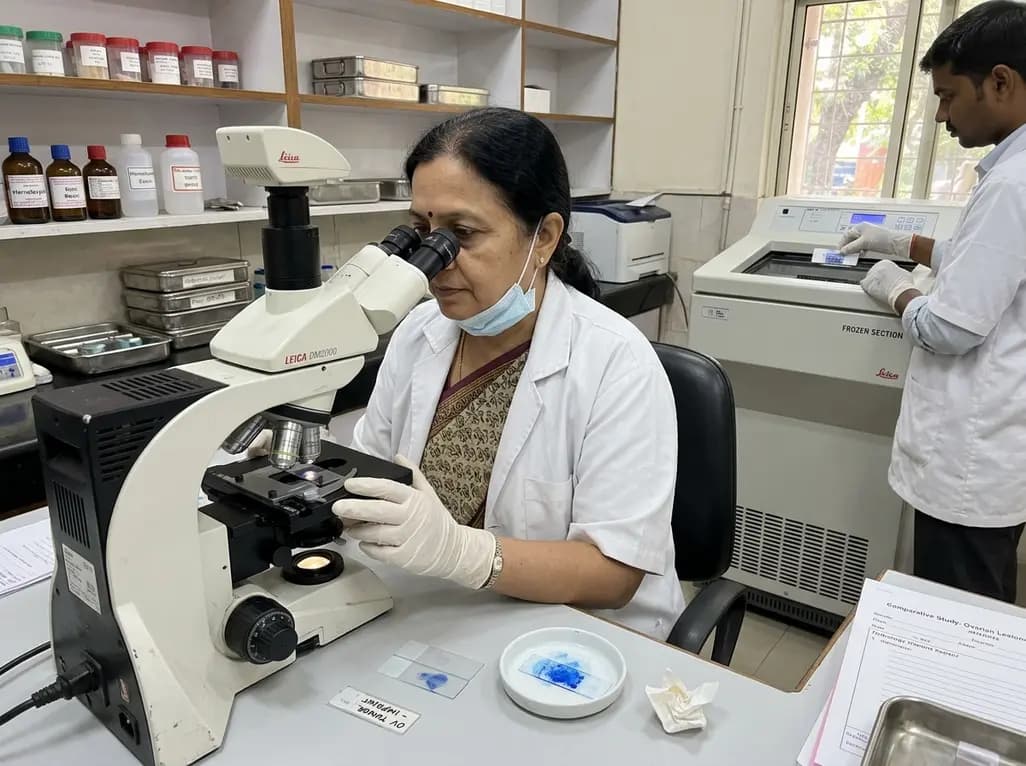
A new comparative study demonstrates that intraoperative imprint cytology achieves 96.6% diagnostic accuracy in ovarian tumours, outperforming frozen section in sensitivity for borderline lesions and offering an accessible, rapid alternative for resource-constrained surgical centres.
Today

Thoracic aortic aneurysm lacks etiologic medical therapy. A new study reveals that targeting specific αV integrins with Cilengitide attenuates TGF-β and mechanotransduction pathways, effectively limiting pro-fibrotic remodeling and aortic bulb dilation in both syndromic and sporadic disease models.
Today
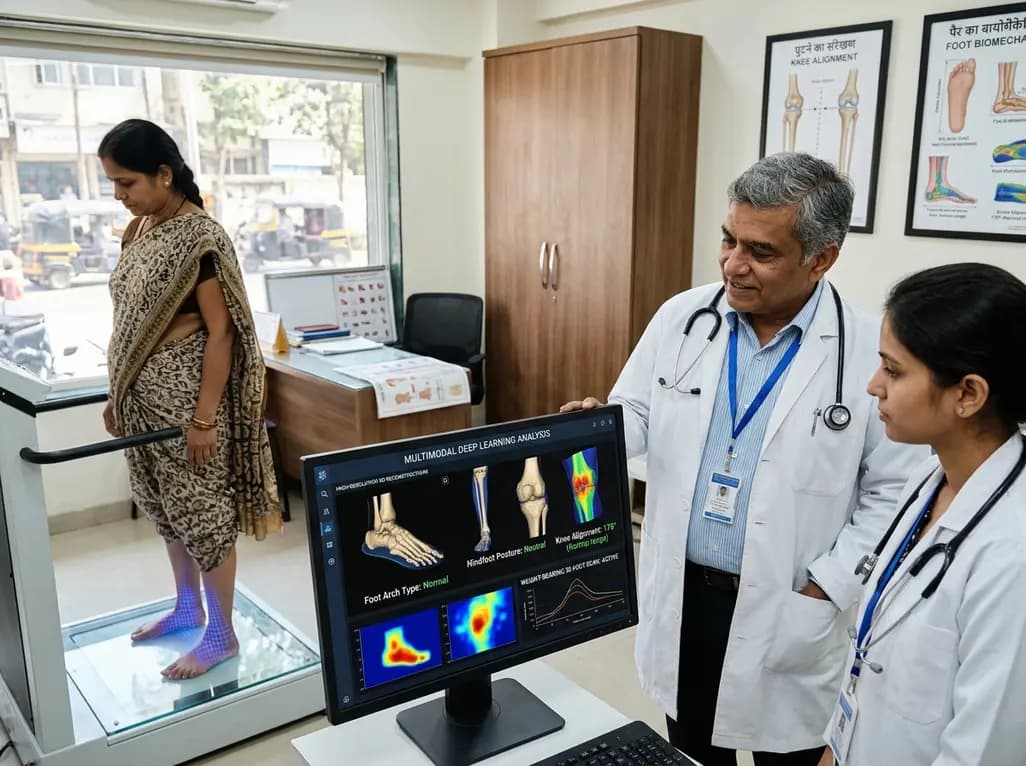
A multimodal deep learning framework utilizing weight-bearing 3D foot scans accurately screens lower-limb alignment, including arch type, hindfoot posture, and knee alignment, offering an accessible, radiation-free alternative to radiography for early biomechanical triage.
Today
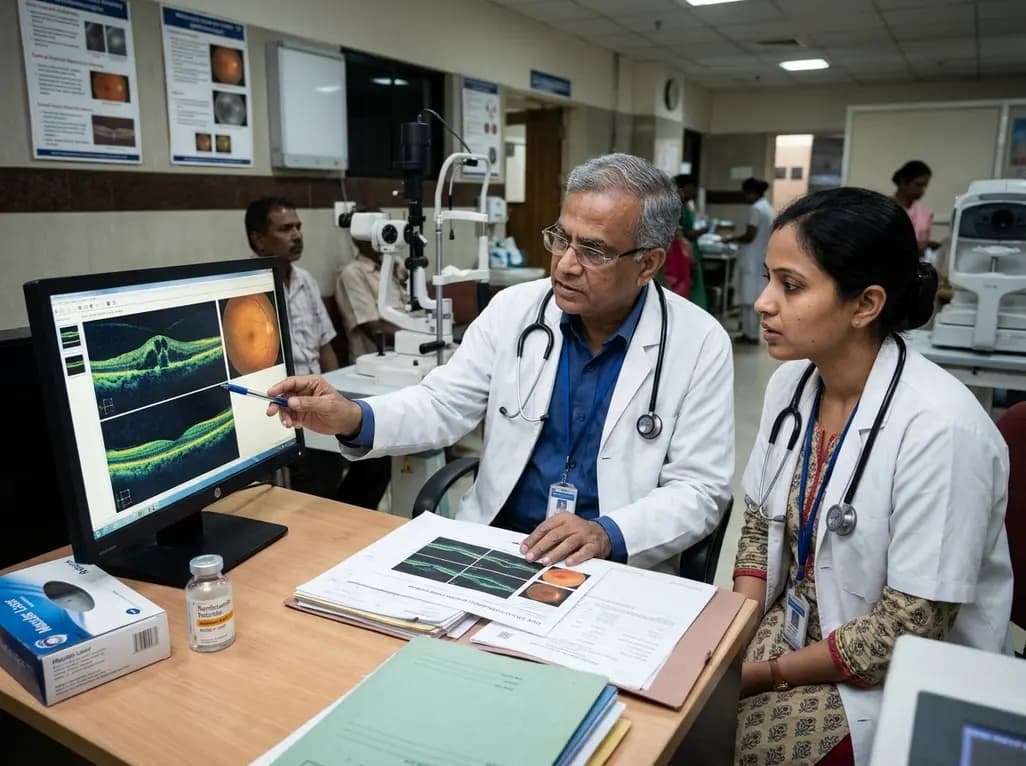
A real-world retrospective study demonstrates that combining intravitreal ranibizumab with focal/grid macular laser significantly improves visual acuity and central macular thickness compared to laser monotherapy in patients with center-involved diabetic macular edema.
Today
