

Loading, please wait...
Loading, please wait...

The Maharashtra government recently decided to constitute an expert task force to address digital addiction in children. State IT Minister Ashish Shelar announced this move in the legislative council to tackle growing mental health concerns. This committee will investigate the adverse impacts of excessive technology use and recommend remedial measures. Consequently, the state aims to protect the well-being of nearly four crore minors living in urban and rural areas.
A recent study by Responsible Netism highlights a significant surge in gaming dependency across Maharashtra. Currently, the global gaming market exceeds USD 200 billion, with India leading in mobile downloads. However, this rapid growth brings severe developmental challenges. For instance, nearly 40% of children surveyed exhibit moderate to severe internet dependency. Furthermore, three out of ten pediatric cases now specifically involve gaming-related issues. Therefore, the task force will include psychiatrists, child counselors, and technology experts to tackle these trends effectively.
Medical experts observe that digital addiction in children manifests through various psychological and physiological symptoms. Doctors often report increased irritability and a sharp decline in academic performance. Moreover, many children experience 'phantom vibration syndrome,' where they feel non-existent phone alerts. Excessive gaming also correlates directly with rising levels of anxiety and social withdrawal. Physically, children suffer from 'tech-neck,' eye strain, and disrupted sleep cycles. Additionally, reduced physical activity contributes to growing obesity rates among the youth.
The government is currently considering several strict regulations to curb excessive screen time. These include mandatory age verification through e-KYC for gaming platforms. Furthermore, authorities might introduce 'time-out' features and daily limits for minors. The education department also plans to integrate 'Digital Hygiene' into the school curriculum. For example, 'Screen-Free Saturdays' could become a staple in government schools. Additionally, the state plans to establish 'Cyber Wellness Centres' at district levels to provide specialized care for affected students.
Q1: What are the primary symptoms of digital addiction in children?
Common signs include increased irritability, social withdrawal, declining academic grades, and physical issues like 'tech-neck' or sleep disturbances.
Q2: How does the Maharashtra government plan to regulate gaming apps?
The state is exploring mandatory e-KYC age verification, daily time limits, and the establishment of an Indian-based gaming rating authority.
Q3: What is phantom vibration syndrome?
It is a psychological phenomenon where an individual mistakenly believes their mobile phone is vibrating or ringing when it is not.
Disclaimer: This content is for informational and educational purposes only. It does not constitute medical advice or replace professional judgment. Refer to the latest local and national guidelines for clinical practice.
References

Read summarized clinical updates, watch expert medical content, and earn CME certifications right from your smartphone.
Open your smartphone camera to scan and install.





Maharashtra's new task force will study digital addiction in children, focusing on gaming disorders, mental health, and regulatory measures for online safet...
7 months ago
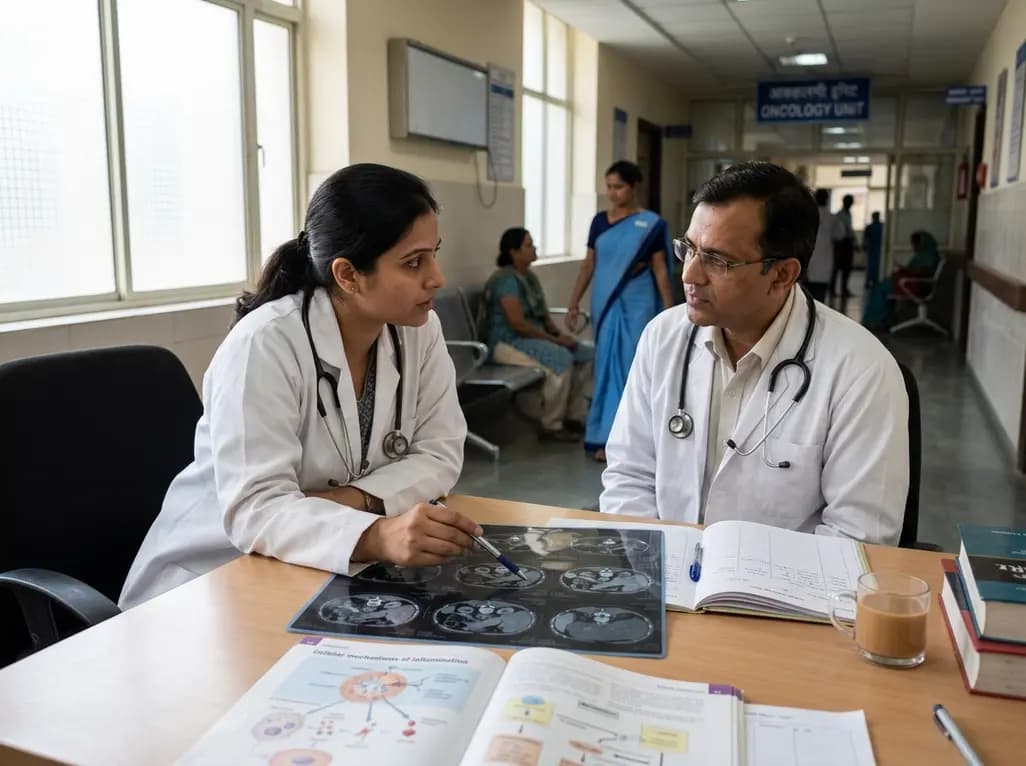
Pancreatic cancer cachexia affects over 80% of patients, driving severe muscle wasting, systemic inflammation, and treatment intolerance. This review highlights key pathophysiological drivers, exocrine insufficiency, objective CT imaging, and emerging therapies like GDF-15 inhibitors to improve clinical outcomes.
Today

A scoping review reveals how pregnancy affects phonation through laryngeal edema and reduced phonation time rather than major acoustic pitch alterations. Learn how to identify, evaluate, and manage vocal symptoms in expectant mothers.
Today

According to WHO data, average lifespan reached 73.3 years in 2023, recovering from pandemic lows. However, healthy life expectancy lags at 62.8 years due to surging noncommunicable conditions like cardiovascular disease and dementia, demanding proactive primary screening and sustained chronic care.
Today
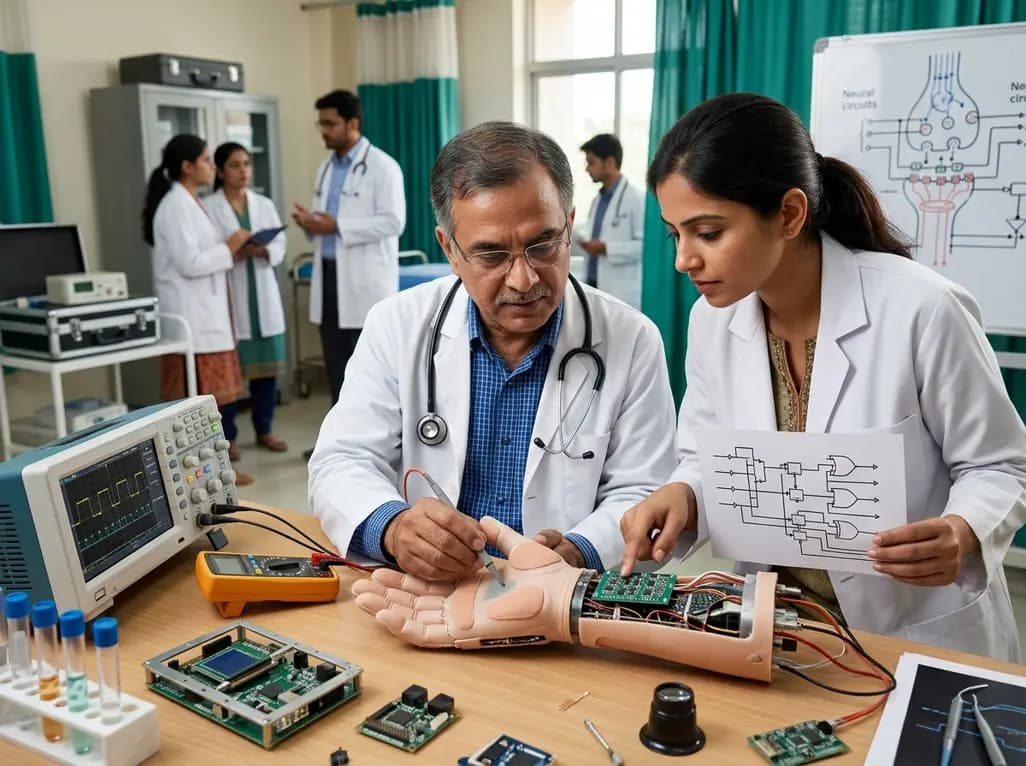
Researchers have engineered an artificial sensory-pain integrated receptor using a multi-threshold organic synaptic transistor. The system distinguishes benign touch from noxious stimuli, enabling safer, more responsive prosthetic limbs with built-in memory and simplified hardware architecture.
Today
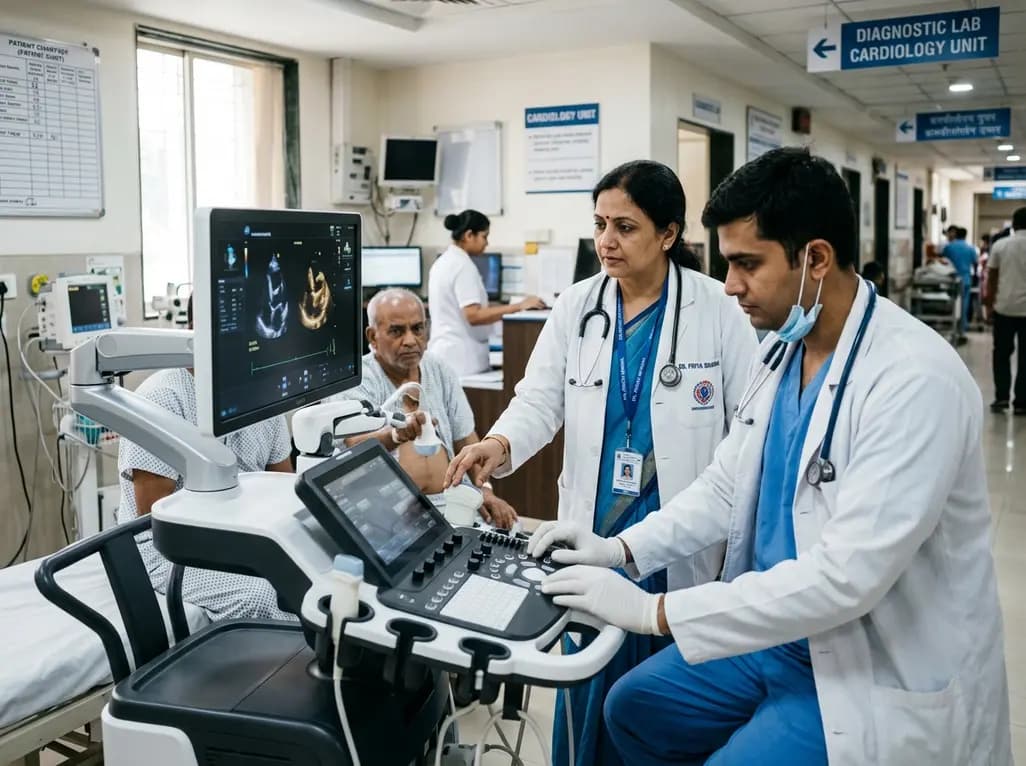
Medical robotics is transitioning beyond operative suites into diagnostics, cardiology, and endocrinology. Explore how innovations in tele-robotics, AI integration, and nanomedicine are overcoming geographical barriers and transforming precision healthcare delivery across India's evolving disease landscape.
Today
