

Loading, please wait...
Loading, please wait...
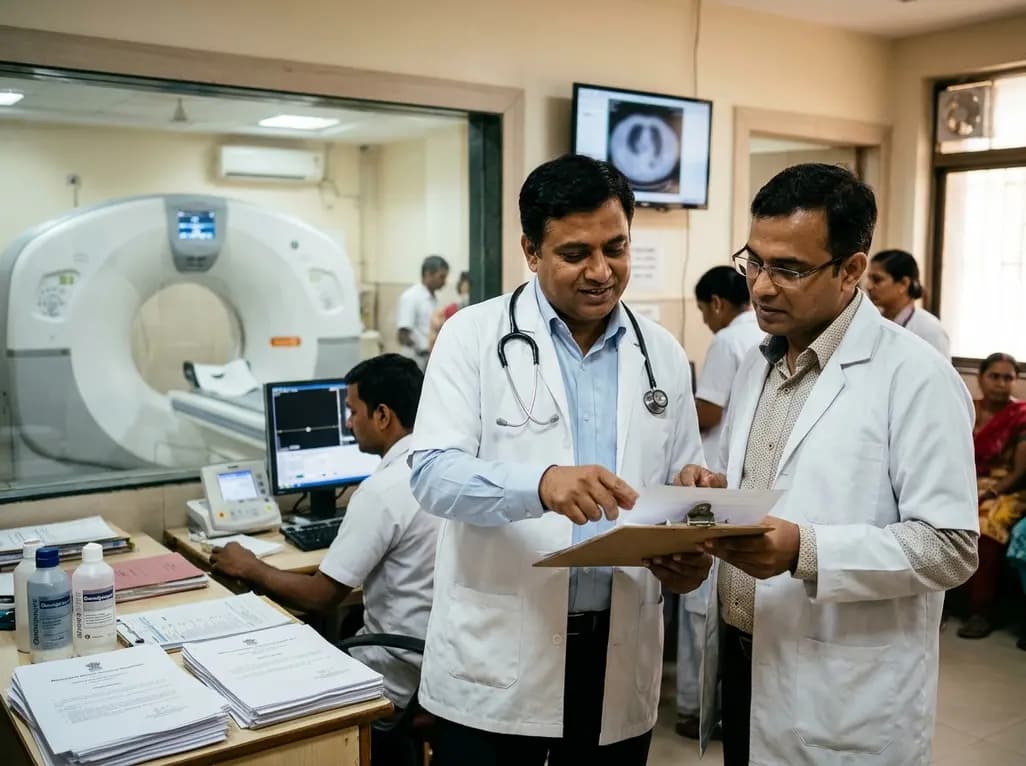
The Maharashtra Medical Education Department has instituted standardized PET-CT scan rates and diagnostic contrast charges across state-run medical colleges. Consequently, this decisive directive resolves longstanding billing discrepancies across public-private partnership facilities. Furthermore, the initiative safeguards underprivileged populations from devastating out-of-pocket healthcare expenses. Public tertiary hospitals serve thousands of economically disadvantaged patients who require sophisticated nuclear imaging. Therefore, establishing uniform financial benchmarks directly improves access to life-saving cancer staging tools. Under this framework, eligible families receive advanced diagnostics without financial burden, while paying individuals benefit from controlled fees.
Public-private partnerships expanded advanced imaging infrastructure across Maharashtra government medical colleges over the past decade. However, ambiguous pricing guidelines created widespread operational confusion regarding patient billing. Consequently, individual vendor facilities imposed variable service fees for identical radiological examinations. Many indigent patients faced unexpected charges during clinical evaluations for complex oncological diseases. Therefore, the state government conducted a comprehensive comparative pricing assessment across diagnostic institutions.
The authorities identified urgent needs for regulatory oversight and structural uniformity. In response, the Medical Education Department formulated a binding government resolution. This policy firmly standardizes charges across all contracted tertiary centres. Standardized oversight strengthens public trust in state diagnostic facilities. In addition, the mandate reinforces the social contract underpinning subsidized public healthcare. Tertiary facilities now operate under unambiguous procedural guidelines that protect vulnerable patient populations. As a result, clinical departments can schedule essential imaging investigations without administrative friction or unexpected economic deterrents. Furthermore, hospital superintendents must oversee daily imaging registries to confirm fee compliance. Clinicians can now counsel families confidently regarding procedural expectations and exact institutional rates. This administrative clarity prevents predatory billing practices across affiliated regional medical teaching hospitals.
Under the revised government resolution, paying patients will pay a fixed fee of Rs 10,250 for whole-body PET-CT scans. This comprehensive package includes the administration of intravenous contrast media when clinically warranted. Additionally, the mandated price covers the entire cost of Fluorodeoxyglucose (FDG) radiopharmaceutical tracers. Notably, this standardized fee represents a fifty percent reduction compared to the conventional MJPJAY package rate of Rs 20,500. Private diagnostic laboratories frequently levy exorbitant fees exceeding thirty thousand rupees for identical functional imaging procedures. Consequently, state college pricing provides tremendous financial relief for households that exceed poverty thresholds.
Moreover, the standardized rate applies equally across all affiliated public hospital departments. Clinicians frequently utilize FDG PET-CT to evaluate metabolic cellular activity across distinct organ systems. Therefore, setting an inclusive tracer cost prevents private vendors from billing hidden laboratory surcharges. Patients pay one single rate directly to the institutional cash counter. Furthermore, the hospital administration transfers predetermined shares to vendor partners based on formal service contracts. Thus, the system maintains financial transparency while preserving operational sustainability for diagnostic vendors. This pricing intervention establishes a fair equilibrium between accessible public healthcare and capital-intensive imaging technology.
Diagnostic radiology relies heavily on injectable contrast agents to enhance anatomical resolution and delineate pathological margins. However, erratic contrast charges frequently inflated patient bills during routine computed tomography and magnetic resonance studies. To resolve this problem, the state government specified exact retail ceilings for all routine contrast preparations. Specifically, the official price for a 50 ml vial of CT contrast agent is now Rs 420. Similarly, the government fixed the charge for a 100 ml CT contrast vial at Rs 830.
Additionally, the state addressed the substantial expense associated with specialized neuroimaging and musculoskeletal examinations. The administration capped 10 ml vials of gadolinium-based MRI contrast agents at Rs 950. Previously, outsourced diagnostic centres charged arbitrary amounts for these specialized paramagnetic compounds. Consequently, families often encountered sudden financial distress immediately prior to urgent scanning sessions. Under the new directive, institutional pharmacies or designated central billing units supply the necessary contrast agents. Therefore, outsourced private operators cannot demand direct payments or substitute overpriced alternative formulations. Furthermore, this regulation guarantees that radiologists employ standardized, high-quality contrast products during diagnostic evaluations. As a result, both diagnostic precision and patient safety improve substantially across government medical colleges.
To streamline operations, the government resolution established a clear tri-tier classification system for all patients. The first tier encompasses individuals who qualify for completely free diagnostic healthcare services. Specifically, enrolled beneficiaries of Mahatma Jyotirao Phule Jan Arogya Yojana receive entirely cashless scans. Similarly, cardholders under Ayushman Bharat Pradhan Mantri Jan Arogya Yojana pay zero out-of-pocket expenses. Indigent patients who present legitimate government welfare credentials access advanced investigations without financial hurdles.
Meanwhile, the second category comprises self-paying individuals who exceed welfare income criteria. These patients pay the newly capped statutory rates directly to the official hospital billing desk. Subsequently, the third tier covers sponsored or formally referred patients from other state institutions. For this third cohort, institutions charge rates specified in existing inter-agency contractual agreements. Notably, the government strictly prohibits direct transactions between patients and private technology vendors. Families must never remit payments directly via cash, mobile payment applications, or private terminals. Hospital billing desks issue official computer-generated receipts for every diagnostic transaction. Accordingly, hospital vigilance committees monitor billing desks to prevent unauthorized fee collection. This structured approach guarantees accountability, enhances audits, and safeguards vulnerable families from administrative exploitation.
Positron emission tomography coupled with computed tomography represents an indispensable modality in contemporary medical oncology. Clinicians rely on functional imaging to detect occult metastases and delineate precise tumour margins. Moreover, oncologists use metabolic tracer uptake to evaluate early therapeutic responses to cytotoxic chemotherapy regimens. Restaging scans identify residual disease and distinguish fibrotic scar tissue from viable malignant neoplasms. Therefore, timely access to PET-CT imaging directly dictates therapeutic survival outcomes. In the past, excessive diagnostic costs delayed clinical decision-making for economically fragile families.
Additionally, PET-CT plays vital diagnostic roles beyond solid tumour oncology. Infectious disease specialists frequently order whole-body scans to investigate pyrexia of unknown origin. Similarly, cardiologists utilize metabolic scanning to diagnose cardiac sarcoidosis and persistent prosthetic valve endocarditis. Neurologists also utilize targeted functional imaging to distinguish atypical neurodegenerative parkinsonian disorders. However, high private charges previously rendered these vital diagnostic pathways inaccessible for ordinary citizens. By drastically reducing out-of-pocket hurdles, Maharashtra enables clinicians to adhere to global evidence-based practice guidelines. Consequently, medical teams in public teaching hospitals can deliver world-class clinical care without financial compromise. Furthermore, standard pricing ensures equal diagnostic excellence across all state regions regardless of socioeconomic status.
Q1: What are the standardized PET-CT scan rates for paying patients in Maharashtra?
Under the new government order, paying patients pay a flat fee of Rs 10,250 for a whole-body PET-CT scan. Notably, this package price covers necessary intravenous contrast agents and the essential FDG radioactive tracer. Furthermore, this mandated charge represents a significant fifty percent discount compared to standard government health scheme packages. Patients must pay this fee directly to the hospital central billing counter rather than private concessionaires.
Q2: Which patient categories receive completely free PET-CT and MRI imaging services?
Eligible low-income patients receive entirely free diagnostic imaging under Maharashtra state healthcare regulations. Specifically, verified beneficiaries of the Mahatma Jyotirao Phule Jan Arogya Yojana qualify for cashless services. Additionally, citizens enrolled under the Ayushman Bharat Pradhan Mantri Jan Arogya Yojana receive complete fee waivers. To access this benefit, patients must present valid scheme documentation and an authorized clinical referral from an empanelled government medical specialist.
Q3: How are contrast media charges regulated for CT and MRI scans under the new policy?
The government resolution established standardized retail caps on diagnostic contrast agents across all state medical institutions. Consequently, a 50 ml vial of CT contrast costs exactly Rs 420, while a 100 ml vial costs Rs 830. Furthermore, the government capped 10 ml vials of gadolinium-based MRI contrast at Rs 950. Hospital central billing counters handle all payments directly, strictly prohibiting private imaging partners from demanding cash payments.
Disclaimer: This content is for informational and educational purposes only. It does not constitute medical advice or replace professional judgment. Refer to the latest local and national guidelines for clinical practice.
References

Read summarized clinical updates, watch expert medical content, and earn CME certifications right from your smartphone.
Open your smartphone camera to scan and install.





The Maharashtra Medical Education Department has standardized fees for PET-CT scans and contrast media across state-run medical colleges under PPP models. The reform caps charges at Rs 10,250 for paying patients while guaranteeing completely cashless imaging services for MJPJAY and AB PM-JAY beneficiaries.
Today
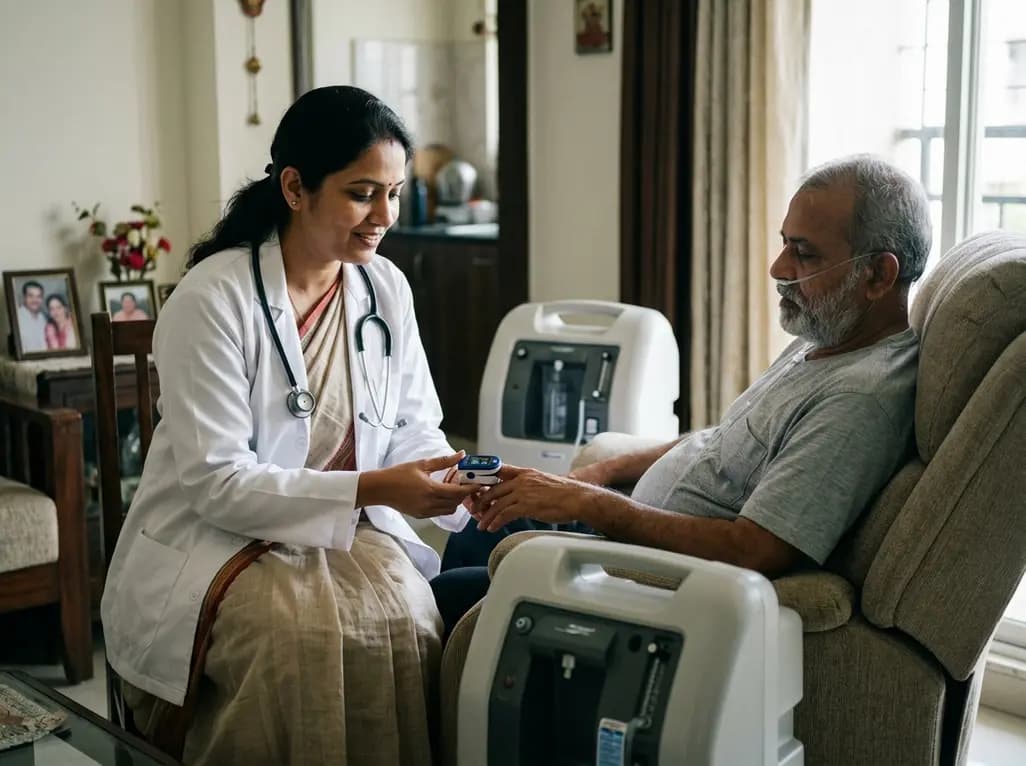
Chronic respiratory conditions like COPD pose an escalating health burden in India. As advanced stationary concentrators enter domestic healthcare, clinicians must evaluate hypoxaemic thresholds, reinforce daily adherence protocols, and balance device ergonomics to improve long-term outcomes and patient survival.
Today
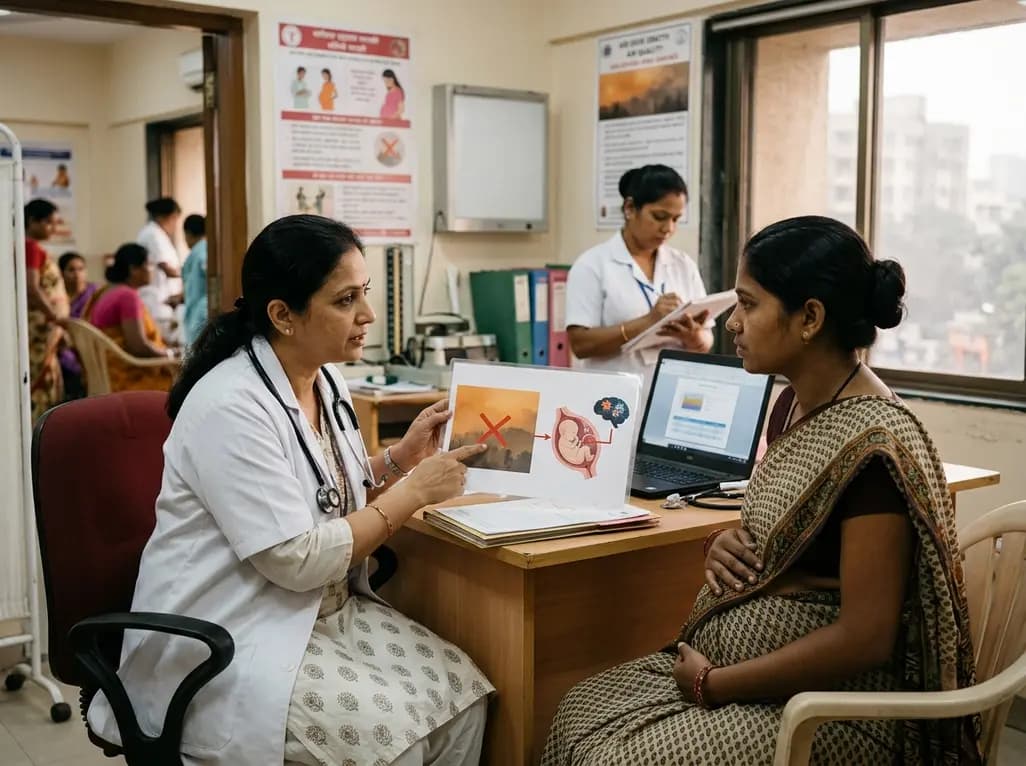
A nationwide cohort study published in JAMA Pediatrics reveals that maternal exposure to wildfire fine particulate matter, especially in late pregnancy, is linked to an elevated risk of childhood autism. Clinicians should evaluate ambient air quality risks and provide proactive protective counseling to mothers.
Yesterday
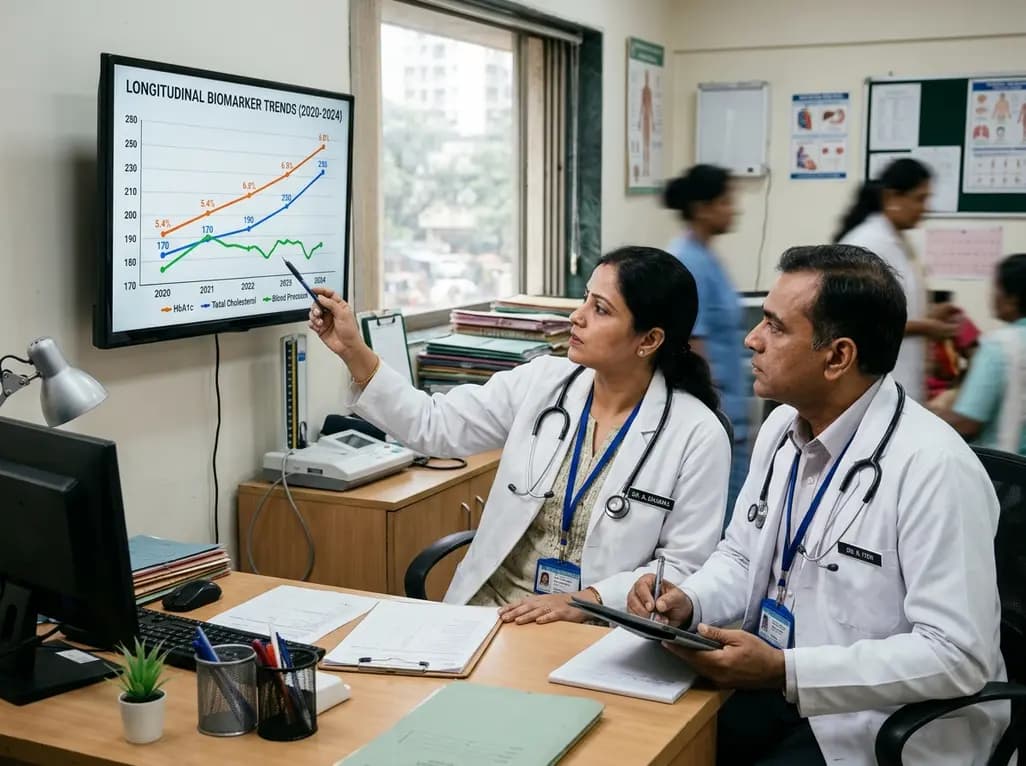
Annual health checks only offer static snapshots. Real-world evidence from 2.1 million insured Indians reveals that tracking dynamic biomarker trends over time enables clinicians to spot evolving cardiometabolic risks early, reverse borderline pathology, and deliver tailored preventive interventions.
Today
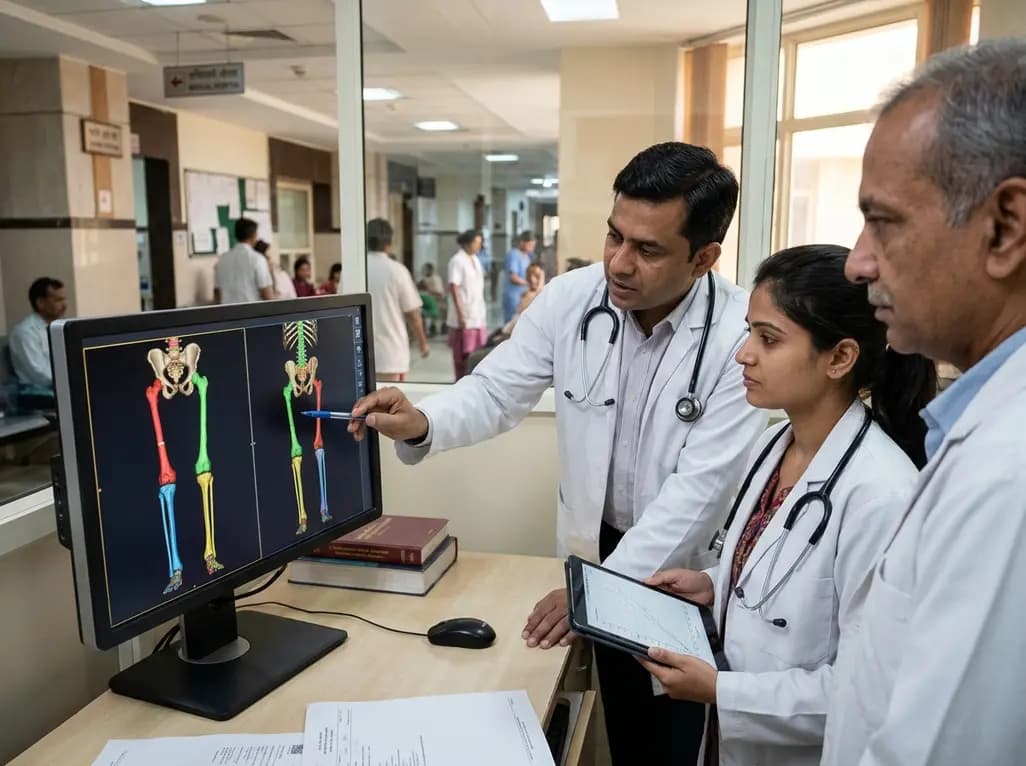
Modern 3D anthropometry reveals that pediatric leg growth ceases years before spinal elongation, exposing the clinical illusion of the classical Anderson-Green model. Learn how segmental growth dissociation improves surgical timing for epiphysiodesis in adolescent leg length discrepancy.
3 days back

With packaged goods giant HUL backing FSSAI's proposed front-of-pack red warning labels for foods high in fat, sugar, and salt, India takes a major step toward curbing non-communicable diseases. Learn how clearer nutrition disclosures empower clinicians, inform consumer choices, and drive dietary reform.
Yesterday
