.webp&w=384&q=75)

Loading, please wait...
Loading, please wait...
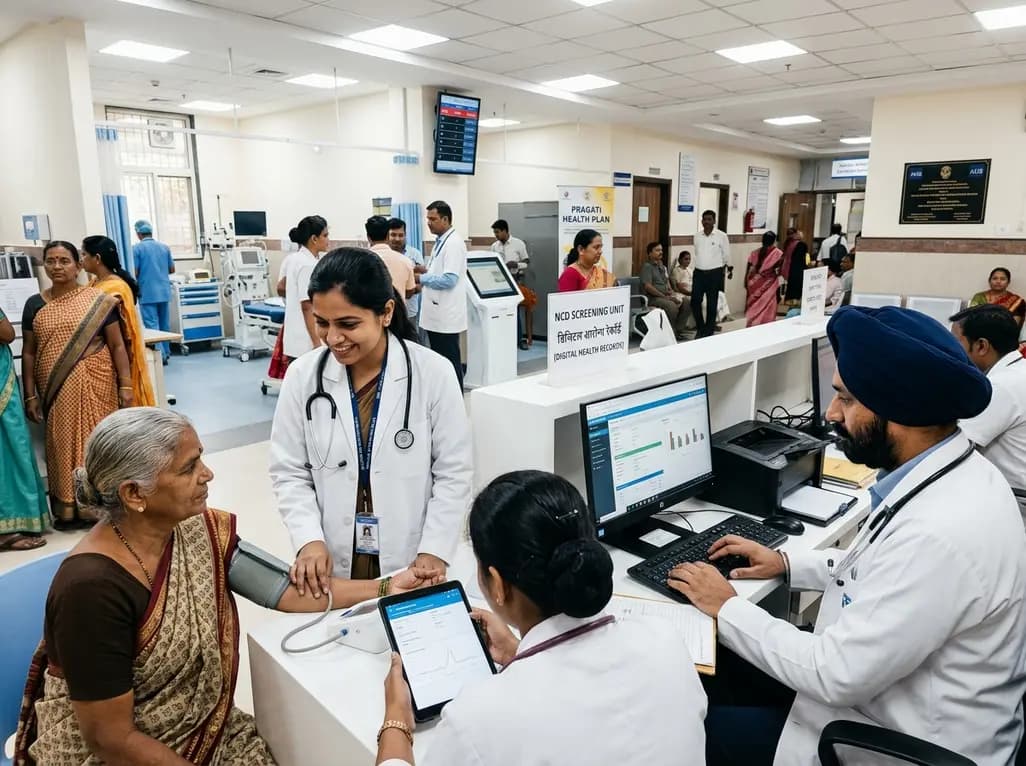
The Maharashtra cabinet recently approved the comprehensive Pragati health reform project to overhaul public medical delivery across the state. This ambitious five-year initiative commits Rs 4,250 crore between 2026 and 2031 to modernize primary, secondary, and tertiary care. Furthermore, state planners designed the program to establish accessible, citizen-centric, and technology-driven medical systems for millions of residents. Historically, public healthcare networks have struggled with heavy patient volumes, fragmented referral systems, and uneven diagnostic availability. However, this sweeping reform introduces targeted capital investments, widespread digital tools, and institutional upgrades. By focusing on preventive clinical screening and systematic capacity expansion, Maharashtra aims to curtail out-of-pocket medical expenditure for families significantly.
The financial architecture of the Pragati health reform project relies on an effective public-multilateral collaboration. Specifically, the Asian Development Bank supplies 70% of the required funding through a substantial Rs 2,975-crore investment loan. Meanwhile, the Maharashtra state government contributes the remaining 30%, which amounts to Rs 1,275 crore from budgetary allocations. Consequently, this stable capital structure guarantees consistent disbursements for civil construction, medical equipment procurement, and technical training over five years.
To ensure efficient governance, the state public health department is setting up specialized administrative units under the Commissioner of Health. These administrative bodies include a State Project Management Cell, a Procurement Process Management Cell, and a Digital Health Implementation Cell. Moreover, dedicated oversight bodies will monitor operational milestones, fiscal transparency, and quality benchmarks across regional facilities. Therefore, clinical administrators gain a reliable institutional framework that minimizes bureaucratic delays and speeds up infrastructural implementation. Furthermore, standardized procurement mechanisms will prevent regional supply disparities and ensure consistent availability of essential medical commodities. As a result, healthcare administrators can manage clinical workflows without supply bottlenecks. Ultimately, this structural governance model aligns state operations with national priorities and international clinical benchmarks.
Tertiary and secondary public facilities frequently face extreme bed shortages and overcrowded inpatient wards. Consequently, the Pragati initiative allocates approximately Rs 1,500 crore to expand physical medical infrastructure across five key districts. This massive capital commitment will establish nearly 1,600 new hospital beds to alleviate regional overcrowding. Specifically, the state plans to construct modern 500-bed district hospitals in Kolhapur and Nanded. In addition, health authorities will develop a 200-bed specialty referral hospital in Pune to decongest existing academic complexes. Meanwhile, district hospitals in Latur and Nagpur will undergo comprehensive upgrades to function as 300-bed specialty centres.
Furthermore, the initiative funds state-of-the-art operating theatres, upgraded intensive care units, and advanced emergency departments in these facilities. To operate these expanded clinical complexes, the state cabinet sanctioned 2,430 new medical and paramedical positions. Additionally, the government earmarked an annual salary budget of Rs 147.7 crore for clinical staff recruitment. As a result, rural and peri-urban populations can access advanced inpatient treatments locally without traveling hundreds of kilometres to metropolitan centres. Therefore, these facility upgrades dramatically enhance regional disaster readiness and emergency trauma response capabilities. Local healthcare teams will deliver immediate life-saving care within golden hours.
Non-communicable diseases now represent the predominant clinical burden affecting adult populations across rural and urban communities. In response, the Pragati initiative prioritises early screening, rapid diagnosis, and continuous clinical management for major chronic conditions. Specifically, medical officers will focus on hypertension, cardiovascular disorders, stroke, chronic kidney disease, and chronic obstructive pulmonary disease. Furthermore, the reform program equips primary health centres and Ayushman Arogya Mandirs with essential point-of-care diagnostics and uninterrupted medicine supplies. Notably, primary clinics will conduct targeted screening for breast, cervical, and oral malignancies to detect early oncological changes.
The program also addresses diabetic retinopathy, non-alcoholic fatty liver disease, childhood illnesses, mental health disorders, and community palliative care. However, screening alone cannot solve chronic morbidity without structured follow-up pathways. Therefore, the initiative introduces an integrated referral and counter-referral mechanism connecting peripheral clinics with secondary hospitals. When health workers identify high-risk patients, they immediately schedule diagnostic evaluations at district specialty hubs. Consequently, patients receive timely therapeutic interventions while continuing maintenance management close to their homes. Moreover, sustained community outreach campaigns will educate residents on healthy lifestyles, smoking cessation, alcohol moderation, and regular physical activity. As a result, proactive disease prevention decreases long-term hospital admissions.
A cornerstone of this transformation is the newly formed Maharashtra Health Technology Mission. Specifically, the mission establishes a robust digital health ecosystem aligned seamlessly with the national Ayushman Bharat Digital Mission. Under this framework, public hospitals will implement electronic health records, online patient registrations, and digital laboratory test reporting. Furthermore, clinicians can utilize digital prescriptions and automated dispensary systems to streamline daily outpatient consultations. Consequently, comprehensive electronic records minimize duplicate medical investigations and provide longitudinal patient data across care facilities.
Additionally, the reform leverages artificial intelligence tools to evaluate diagnostic imagery and assist clinicians during screening programs. Meanwhile, state-wide telemedicine networks will connect peripheral healthcare centres with academic specialists in major tertiary institutions. Therefore, rural medical officers can conduct virtual case consultations, remote tele-radiology evaluations, and expert multidisciplinary reviews without delay. In addition, administrative software will track real-time hospital bed occupancy, pharmaceutical stock levels, and emergency department patient flow. As a result, medical administrators can prevent stock-outs of vital medicines and improve clinical resource distribution across all regional facilities. Importantly, digital chronic disease registries will generate automated reminders for patients who require routine blood pressure assessments, glycemic monitoring, or prescription renewals.
Delivering advanced medical services requires a thoroughly trained, confident, and resilient clinical workforce. Therefore, the Pragati reform framework dedicates significant resources toward ongoing professional development and institutional capacity building. Medical officers, community health officers, and nursing personnel will participate in structured clinical training programs. Specifically, training modules will focus on standardized clinical treatment protocols, emergency triage guidelines, and early oncological diagnostic techniques. Furthermore, healthcare teams will learn effective communication strategies to deliver empathetic palliative care and mental health counselling.
Consequently, primary care practitioners can handle complex chronic presentations locally with greater diagnostic precision and therapeutic confidence. In addition, standardized clinical workflows will decrease diagnostic errors and optimize antibiotic stewardship across secondary hospitals. For doctors practicing in Maharashtra, this reform promises modern clinical infrastructure, reliable laboratory support, and reduced administrative paperwork through digitisation. Moreover, establishing functional return linkages ensures that tertiary specialists can discharge stable patients to primary practitioners for coordinated long-term maintenance. Ultimately, this collaborative health model elevates public trust, improves physician satisfaction, and delivers equitable patient outcomes statewide. Meanwhile, these educational interventions empower frontline staff to adapt quickly to emerging public health challenges and evolving epidemiologic trends. Frontline medical teams will thus deliver evidence-based clinical care consistently.
Q1: What is the total budget and funding structure for Maharashtra's Pragati health project?
The total approved outlay for the five-year Pragati health project is Rs 4,250 crore, spanning from 2026 to 2031. Specifically, the Asian Development Bank finances 70% of the expenditure through an investment loan of Rs 2,975 crore. Meanwhile, the Maharashtra government contributes the remaining 30%, totaling Rs 1,275 crore through state budgetary allocations. This sustainable financing structure supports hospital construction, equipment procurement, and comprehensive digital upgrades statewide.
Q2: Which clinical conditions does the Pragati initiative prioritize for early screening?
The Pragati initiative focuses heavily on common non-communicable diseases and chronic conditions across all public facilities. Specifically, priority areas include hypertension, cardiovascular disease, stroke, diabetes, chronic kidney disease, and chronic obstructive pulmonary disease. Furthermore, the program prioritizes early screening for oral, breast, and cervical cancers, alongside diabetic retinopathy and fatty liver disease. Additionally, clinical teams will enhance screening services for childhood illnesses, mental health disorders, and palliative care.
Q3: How will the Maharashtra Health Technology Mission improve routine clinical workflows?
The Maharashtra Health Technology Mission integrates digital tools with the national Ayushman Bharat Digital Mission. Specifically, it provides electronic health records, digital lab reporting, e-prescriptions, and telemedicine capabilities across primary and secondary centres. Consequently, physicians can review longitudinal patient records, access tele-consultations with academic specialists, and eliminate paperwork delays. In addition, real-time inventory systems monitor pharmaceutical supplies and hospital bed availability, optimizing clinical referrals and follow-up care.
Disclaimer: This content is for informational and educational purposes only. It does not constitute medical advice or replace professional judgment. Refer to the latest local and national guidelines for clinical practice.
References

Read summarized clinical updates, watch expert medical content, and earn CME certifications right from your smartphone.
Open your smartphone camera to scan and install.





The Maharashtra state government has cleared the five-year, Rs 4,250-crore Pragati initiative to modernize public healthcare delivery between 2026 and 2031. With co-financing from the Asian Development Bank, the project scales non-communicable disease screening, clinical infrastructure, and digital health records.
Today
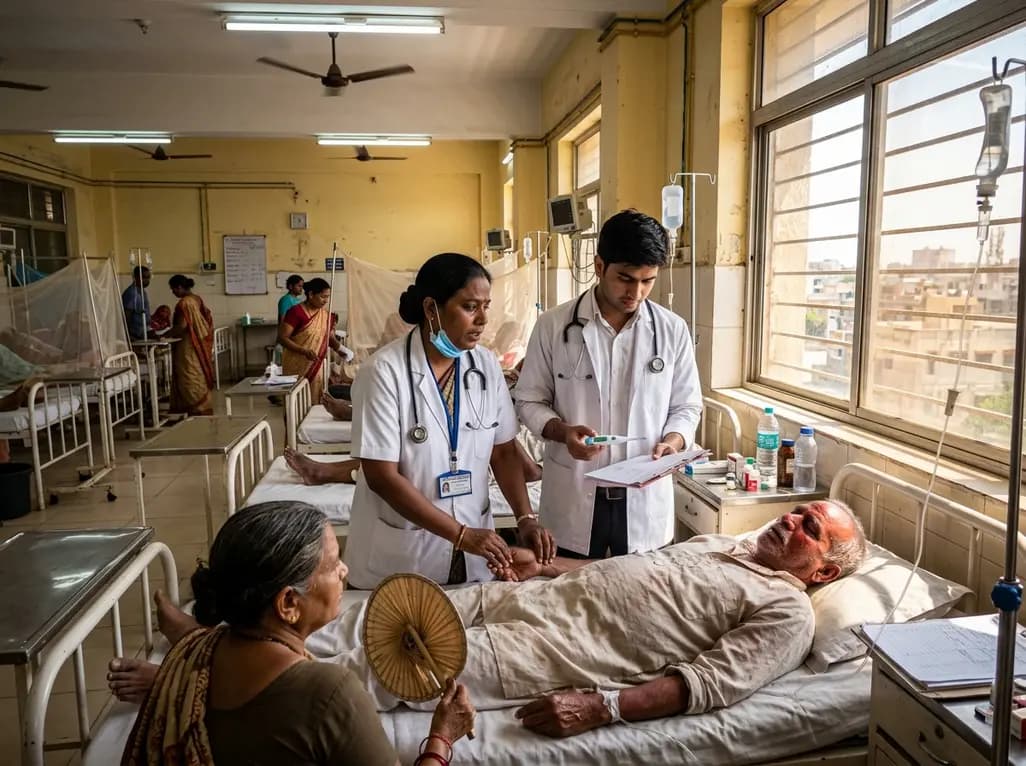
Recent data indicates over 117 million people in India faced prolonged periods of dangerous temperatures driven by climate change. As heatwaves become more frequent and intense, healthcare providers must strengthen clinical triage, manage severe hyperthermia promptly, and protect vulnerable patient populations.
Today
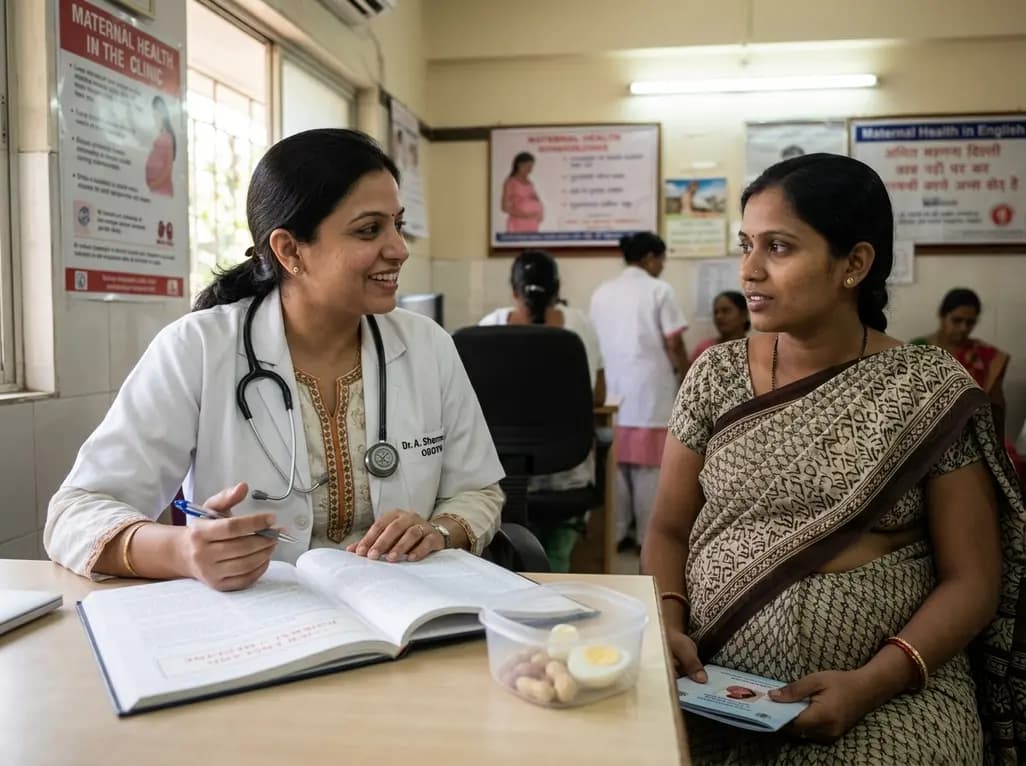
A landmark randomized clinical trial published in NEJM reveals that high maternal intake of eggs and peanuts during pregnancy and lactation does not lower the risk of infant egg or peanut allergy at one year of age, reinforcing existing dietary recommendations for balanced maternal nutrition without restrictions.
Today
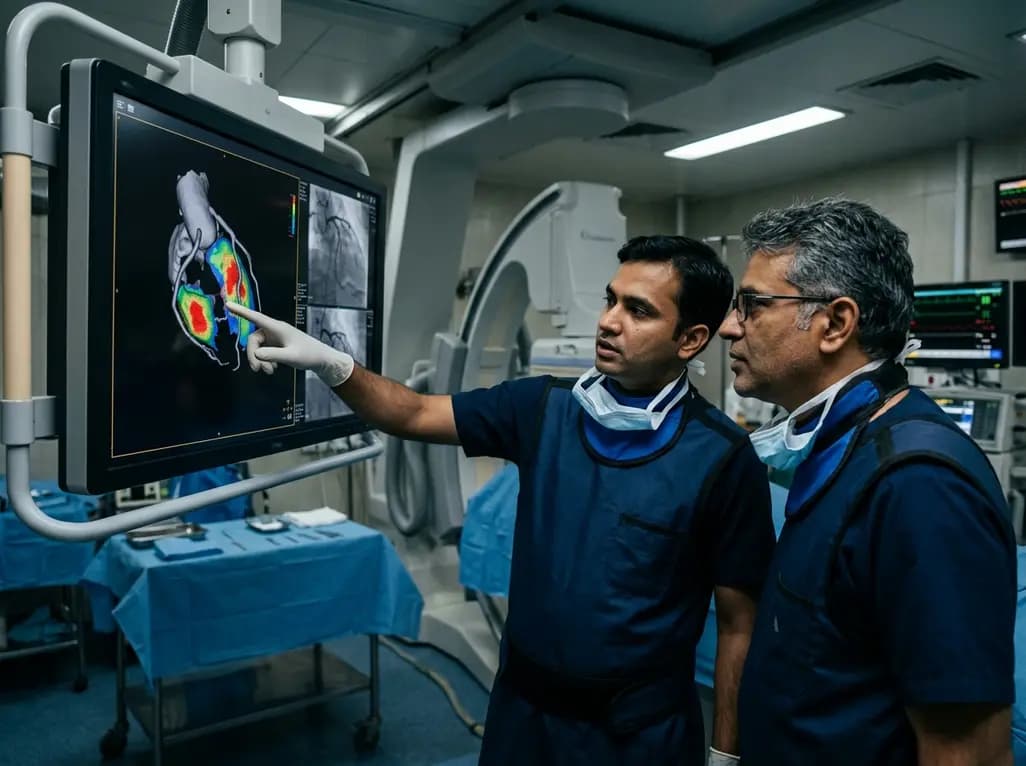
A groundbreaking study demonstrates that coronary angiography-derived radial wall strain reflects plaque morphology, predicting future rupture and erosion.
Today
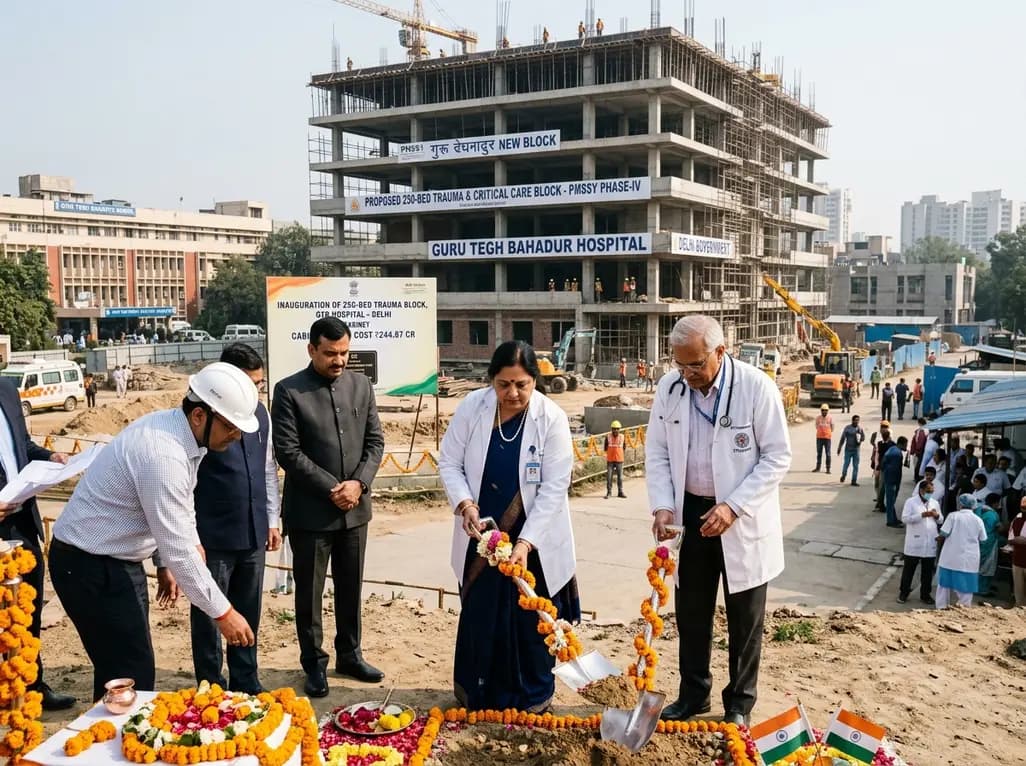
The Delhi Cabinet has cleared an advanced seven-storey critical care expansion at Guru Tegh Bahadur Hospital under PMSSY Phase-IV. Costing Rs 244.87 crore, the new wing features 250 beds, specialized intensive care units, modern operation theatres, and round-the-clock emergency diagnostics for East Delhi.
Today

A landmark case demonstrates that favorable continuous glucose monitoring metrics cannot rule out SGLT2 inhibitor-associated euglycemic diabetic ketoacidosis. Clinicians must educate patients on symptom-based sick-day rules, uninterrupted basal insulin therapy, and proactive blood ketone testing.
Today
