.webp&w=384&q=75)

Loading, please wait...
Loading, please wait...
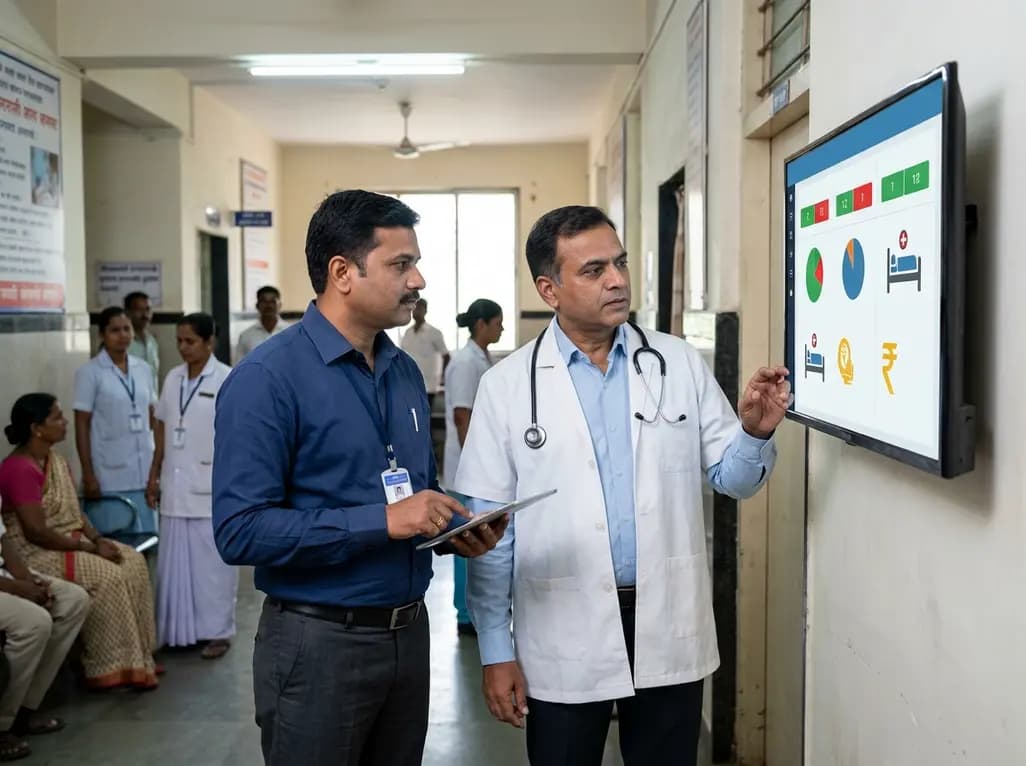
In a decisive move, Maharashtra has issued a strict one-month ultimatum to all charitable healthcare institutions. Specifically, this directive addresses charity hospital compliance. It ensures that weaker sections receive free medical treatments they are legally promised.
Consequently, the state administration has signaled a significantly tougher enforcement regime for institutions using public incentives. Under the existing framework, charitable hospitals in Maharashtra receive substantial benefits. These include land concessions, tax exemptions, and additional Floor Space Index (FSI). In return, these organizations must legally reserve 10% of beds for indigent patients. They must also reserve another 10% for economically weaker sections. However, complaints have mounted that several institutions consistently deny these mandatory benefits. To address this issue, Minister Shambhuraj Desai announced that rigorous inspections will commence in August. This regulatory crackdown will eliminate ambiguity and hold administrators directly accountable. District authorities will lead these evaluations. They will verify that public assets are not being commercialized at the expense of underprivileged communities. As a result, healthcare facilities must immediately align their operations with public obligations. This is crucial to avoid heavy penalties or legal prosecution. Therefore, understanding the scope of these new enforcement measures is critical for hospital management. Compliance is no longer treated as a voluntary gesture. Instead, it is an urgent legal mandate that the government will enforce strictly. Ultimately, this ensures the benefits reach their intended recipients.
To achieve maximum transparency, the government has ordered the mandatory installation of public digital dashboards. These screens must be prominently displayed within hospital premises. They will show real-time bed availability and treatment options. Specifically, the displays will present crucial information regarding reserved beds. They will also outline active government health schemes and free treatment protocols. For many years, patients have struggled to access this data. They often faced turnarounds due to a lack of visible information. The implementation of digital dashboards aims to eradicate this information asymmetry completely. Furthermore, these dashboards will be monitored closely by newly appointed Arogya Doots. These government-assigned health volunteers will remain on-site to verify compliance. They will also assist patients in navigating the admissions process. Consequently, this system will prevent institutions from falsely claiming that no subsidized beds are available. If a hospital fails to install these digital displays within a month, it will face swift administrative repercussions. This initiative reflects a growing nationwide movement toward digital accountability in public healthcare delivery. By leveraging real-time data, the administration hopes to rebuild public trust. Thus, transparency becomes a key pillar of medical governance.
Beginning in August, specialized district-level committees will launch rigorous audits across Maharashtra to ensure full adherence. Additional district collectors will lead these inspection drives to systematically evaluate hospital practices. Crucially, inspectors will not only check for the presence of physical dashboards. They will also delve deeply into billing practices. The government has received numerous complaints regarding overcharging. This is a direct violation of charity trust rules. Therefore, auditors will meticulously review patient files, fee structures, and the exact proportion of subsidized admissions. Additionally, the inspection teams will examine whether hospitals are actively implementing state-sponsored health schemes. These programs include the Pradhan Mantri Jan Arogya Yojana (PM-JAY). Any institution found neglecting these programs or overcharging poor patients will face severe legal consequences. To support this tough legal stance, the state is prepared to appoint special government counsels. These counsels will prosecute non-compliant entities. This multi-layered enforcement strategy ensures that legal loopholes are completely closed. Consequently, hospital administrations must prepare comprehensive documentation. They must streamline their internal registries prior to the August deadline. Proactive preparation is the only way to avoid punitive action during these unannounced regulatory visits.
Historically, the enforcement of charity laws has been significantly delayed by prolonged legal battles. Many hospitals successfully obtained interim relief or stays from courts, which temporarily stalled government intervention. Minister Desai acknowledged this systemic hurdle. However, he asserted that the state is now adopting a much more aggressive legal posture. By appointing specialized legal counsels, the government intends to expedite court proceedings. They will actively counter dilatory tactics. Specifically, the high-profile case of Global Hospital in Parel has highlighted the critical need for stronger state action. Legislators alleged that this institution failed to provide a single bed to government-referred patients for fifteen years. This occurred despite enjoying substantial FSI benefits during its development. Furthermore, notices proposing the cancellation of its registration were issued, though the hospital secured temporary court stays. The state is actively pursuing the withdrawal of its land concessions and FSI advantages. This case serves as an important warning to other healthcare facilities in Maharashtra. It demonstrates that the state will reclaim incentives if public commitments are neglected. Therefore, relying on temporary court stays is no longer a viable long-term strategy. Consequently, the legal tide is turning, demanding immediate compliance.
To navigate this rigorous regulatory environment, hospital administrators must adopt proactive operational changes immediately. First, institutions should perform a comprehensive internal audit of their bed reservation metrics. It is essential to verify that beds are consistently allocated for weaker and poor patients. This must comply with Maharashtra's revised charity rules. Second, technical teams must be deployed to construct and test the digital dashboards. These must integrate seamlessly with live hospital admission databases. Third, staff members must receive intensive training on government health insurance schemes. This will guarantee smooth patient registration. Specifically, front-desk operators and medical social workers must cooperate fully with the government's appointed Arogya Doots. Furthermore, keeping precise records of all admissions, fee waivers, and rejected applications is vital. This is essential for surviving the upcoming August audits. Clear, documented evidence of compliance will be a hospital’s best defense against allegations of overcharging. By embracing these changes, hospitals can avoid severe penalties, including the potential cancellation of their nursing registration. Ultimately, aligning hospital operations with public welfare objectives is both a legal necessity and an ethical imperative in modern healthcare administration.
Q1: What are the key requirements for charity hospitals under the new Maharashtra directive?
Charity hospitals in Maharashtra must install digital dashboards displaying real-time information on free treatments and reserved beds within a one-month deadline. They must reserve 15% of their beds for economically weaker patients and fully implement government health schemes like PM-JAY. Additionally, they must cooperate with appointed Arogya Doots and prepare for rigorous inspections starting in August to verify compliance and prevent overcharging.
Q2: Who will monitor compliance and what are the consequences of violating these mandates?
Compliance will be monitored by district-level committees led by additional district collectors, alongside on-site government volunteers called Arogya Doots. Hospitals found violating the rules face severe consequences, including the cancellation of their nursing registrations and occupancy certificates. Furthermore, the state government is prepared to appoint special counsels to prosecute offenders and may withdraw development benefits like additional Floor Space Index (FSI).
Q3: How does the government plan to address legal delays and court stays obtained by hospitals?
Consequently, the state government plans to counter legal delays and court stays by appointing special government counsels and public prosecutors. By deploying dedicated legal teams, the state aims to expedite court proceedings and challenge interim reliefs. Ultimately, they will aggressively pursue the withdrawal of public concessions, such as additional FSI, from non-compliant hospitals once court proceedings conclude.
Disclaimer: This content is for informational and educational purposes only. It does not constitute medical advice or replace professional judgment. Refer to the latest local and national guidelines for clinical practice.
References

Read summarized clinical updates, watch expert medical content, and earn CME certifications right from your smartphone.
Open your smartphone camera to scan and install.





Maharashtra has given charity hospitals a strict one-month deadline to implement public dashboards displaying free treatment and reserved beds. Discover how district inspections and Arogya Doots will enforce compliance, curb overcharging, and ensure economically weaker patients access crucial healthcare benefits.
3 months ago
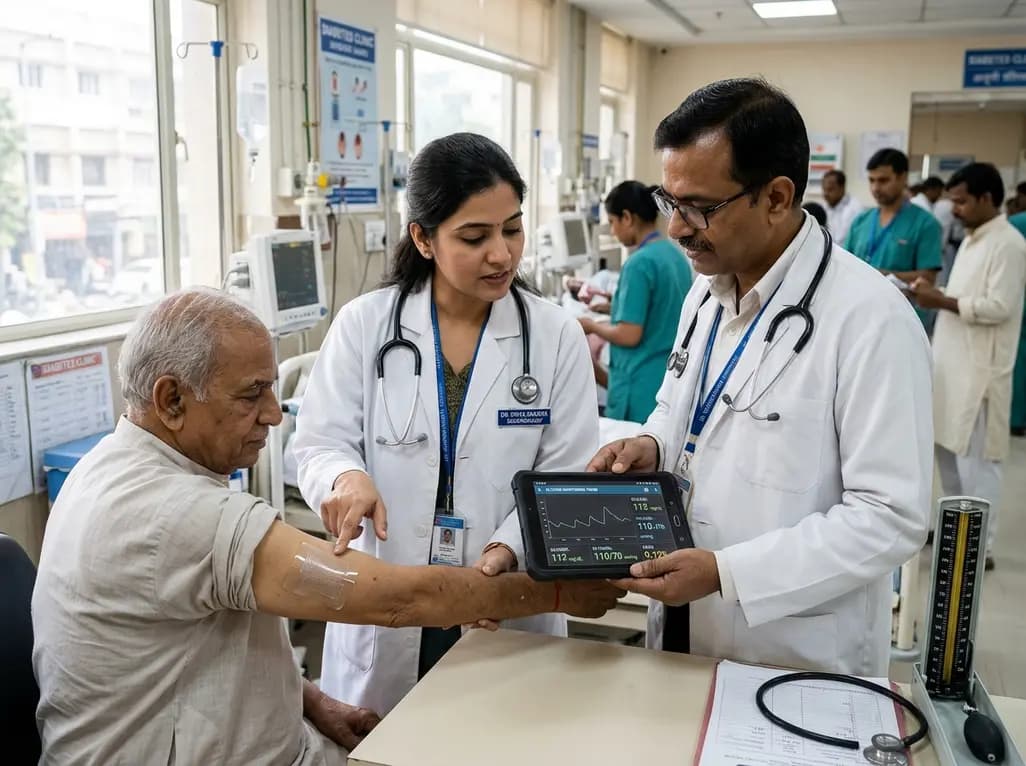
A breakthrough ultrathin multimodal sensor decouples physical hemodynamic monitoring from disposable electrochemical calibration, achieving long-term wearable glucose prediction with 81.36% accuracy and a 9.12% MARD. This offers a robust, drift-free solution for outpatient metabolic surveillance.
Today
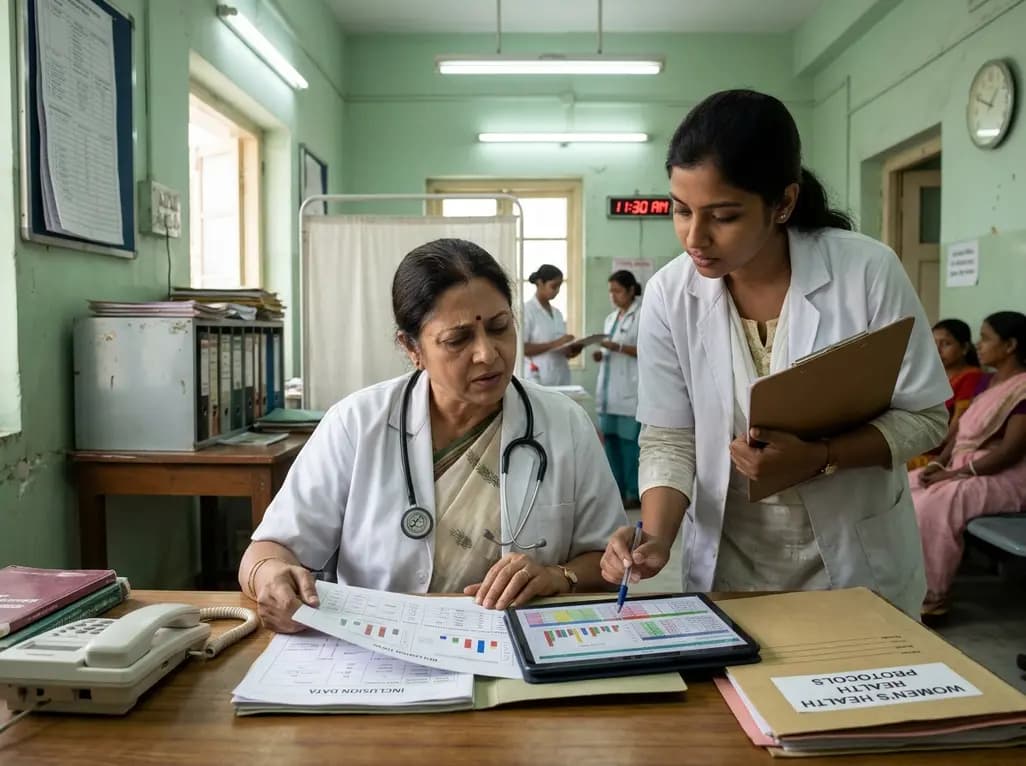
Demanding exhaustive hormonal profiling can inadvertently discourage clinical studies involving females. Methodological standards must align with the specific scientific question to expand, not restrict, equitable evidence for women.
Today
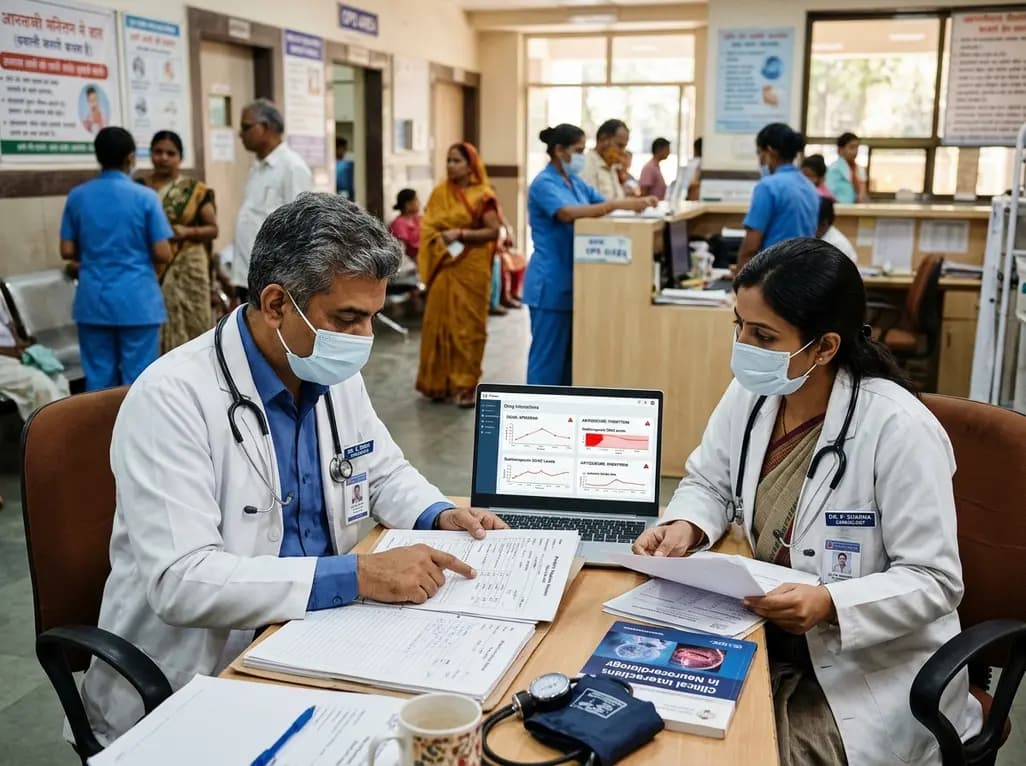
Co-administering antiseizure medications and DOACs frequently causes pharmacokinetic interactions, subtherapeutic drug levels, and thromboembolic failures. This review highlights enzyme induction risks, unpredictable outcomes with levetiracetam, and the vital role of therapeutic drug monitoring.
Today
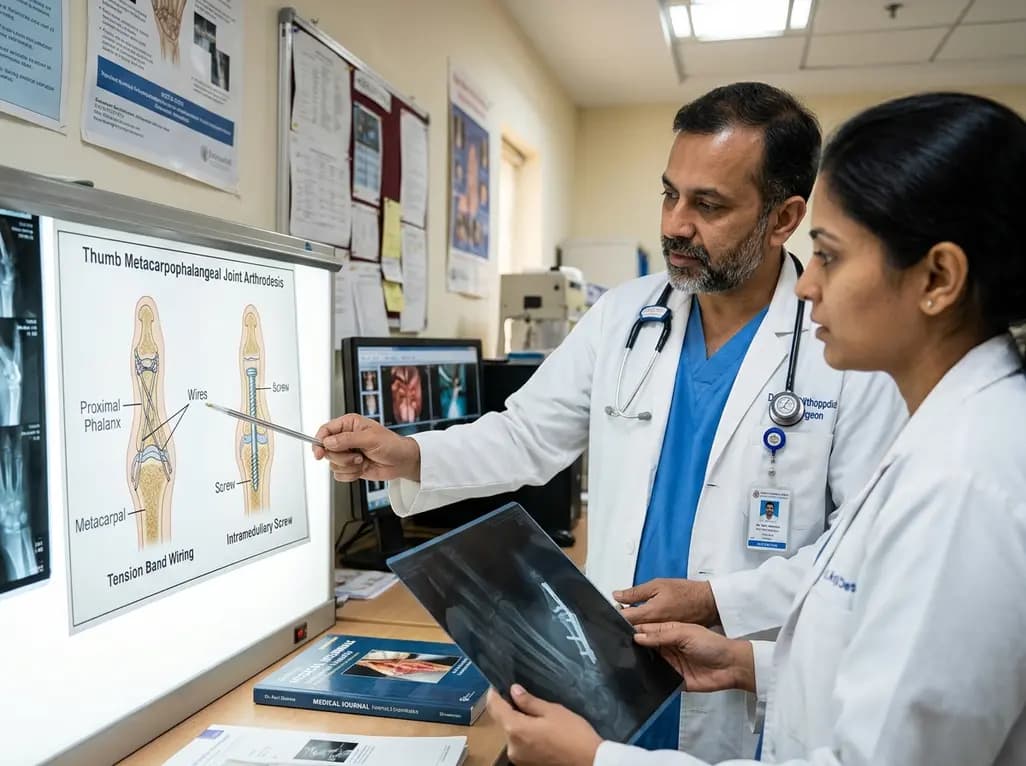
A comparative review of tension band wiring and intramedullary screw fixation in thumb metacarpophalangeal arthrodesis, evaluating union rates, hardware complications, and clinical outcomes.
Today

Following regulatory scrutiny from FSSAI regarding promotional representations and lean muscle preservation claims, Dr. Reddy's Laboratories and Nestlé Health Science are currently reviewing the branding and marketing strategy for their joint nutritional supplement Celevida GLP+.
Today
