.webp&w=384&q=75)

Loading, please wait...
Loading, please wait...
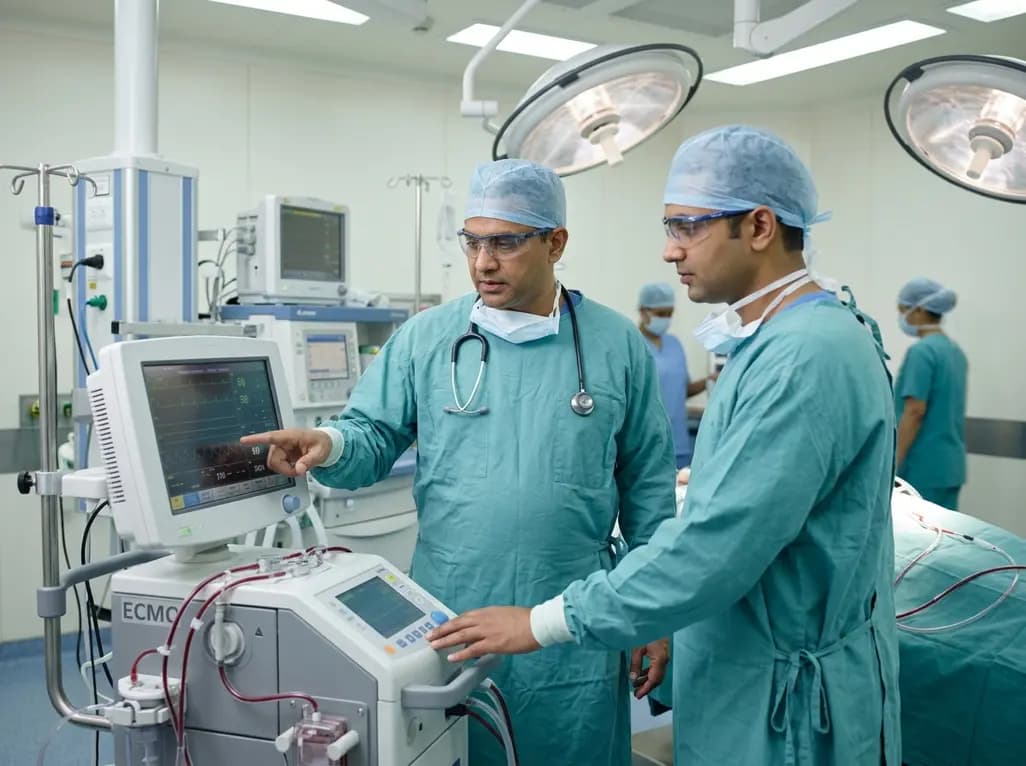
BLK-Max Super Speciality Hospital in New Delhi recently announced the launch of its comprehensive lung transplant programme to address the growing burden of end-stage respiratory diseases in India. The institution expanded its advanced thoracic surgery and organ transplantation services to deliver a holistic framework for patients facing irreversible pulmonary decline. Consequently, this initiative aims to bridge critical clinical gaps for individuals whose conditions no longer respond to maximal conservative medical management. By bringing together specialized surgical skills, state-of-the-art critical care infrastructure, and advanced life-support systems, the hospital offers a consolidated solution for end-stage lung failure.
End-stage lung failure encompasses a broad spectrum of severe respiratory pathologies that severely impair functional capacity and quality of life. Clinicians systematically evaluate patients suffering from chronic obstructive pulmonary disease, interstitial lung disease, idiopathic pulmonary fibrosis, bronchiectasis, and severe pulmonary arterial hypertension. Therefore, early identification of potential transplant candidates remains essential before irreversible secondary organ dysfunction develops. Diagnostic evaluation protocols rely on rigorous clinical, physiological, and psychosocial assessments established by international consensus guidelines. Furthermore, pulmonary function testing, high-resolution computed tomography, six-minute walk assessments, and right-heart catheterization determine individual disease trajectory. Medical specialists carefully weigh the candidate's projected mortality risk without surgical intervention against post-transplant survival prospects. Additionally, candidacy criteria mandate the absence of unmanageable systemic comorbidities, active extrapulmonary infections, or recent malignancies. Multi-disciplinary transplant teams evaluate each candidate to optimize physical conditioning, nutritional status, and psychological preparedness prior to donor listing. Consequently, structured pre-transplant preparation significantly improves perioperative survival and long-term functional recovery for patients undergoing organ replacement.
Successful pulmonary transplantation demands specialized surgical techniques coupled with highly coordinated multidisciplinary expertise. Lead thoracic surgeons utilize both open thoracotomy approaches and minimally invasive techniques depending on individual anatomical and pathological challenges. Additionally, intraoperative management requires meticulous surgical precision during hilar dissection, bronchial anastomosis, and vascular reconstruction. Operating teams frequently integrate extracorporeal membrane oxygenation to support hemodynamic and pulmonary stability during delicate organ implantation. Furthermore, the overall success of a complex transplant relies heavily on seamless collaboration across several medical specialties. Thoracic surgeons, transplant pulmonologists, cardiac anesthetists, intensivists, and infectious disease experts work synchronously throughout operative and postoperative periods. Dedicated physiotherapists, transplant coordinators, and specialized nursing personnel deliver intensive bedside monitoring to navigate the critical post-surgical phase. Furthermore, critical care units equipped with advanced mechanical ventilation and continuous monitoring technologies safeguard patients against immediate graft dysfunction. Consequently, this integrated multidisciplinary model elevates clinical safety and enhances immediate graft viability across high-risk procedures.
Post-transplant patient management requires vigilant clinical surveillance to mitigate primary graft dysfunction, organ rejection, and opportunistic infections. Patients receive tailored triple-drug immunosuppressive regimens typically comprising calcineurin inhibitors, antimetabolites, and systemic corticosteroids. Consequently, clinicians must maintain a delicate balance between preventing organ rejection and minimizing drug toxicity or infectious susceptibility. Regular surveillance procedures, including therapeutic drug monitoring, routine bronchoscopies, and transbronchial lung biopsies, help identify acute cellular or antibody-mediated rejection early. Furthermore, infectious disease specialists implement robust antimicrobial prophylaxis against cytomegalovirus, fungal pathogens, and opportunistic bacterial strains. Long-term post-transplant care extends well beyond the acute hospitalization period, requiring lifelong compliance with complex therapeutic regimens. Patients receive continuous education regarding symptom recognition, medication adherence, and essential lifestyle modifications to preserve lung function. Additionally, ongoing pulmonary rehabilitation helps recipients restore physical endurance, muscular strength, and overall functional capacity. Consequently, rigorous long-term follow-up protocols contribute directly to extended graft survival and superior health-related quality of life.
India faces an escalating burden of chronic respiratory conditions, accounting for a significant proportion of global pulmonary disease disability. Environmental pollutants, high rates of tobacco exposure, occupational hazards, and post-tubercular structural lung damage contribute to widespread end-stage respiratory failure. Consequently, the clinical demand for advanced thoracic surgical interventions and solid organ transplantation continues to surge across the country. While medical management slows disease progression, lung transplantation remains the sole definitive treatment capable of extending life in advanced stages. However, infrastructure constraints, organ shortage, delayed tertiary referrals, and financial barriers historically limited patient access to transplant procedures. The establishment of dedicated tertiary transplant centers significantly expands regional capacity and technical expertise in advanced thoracic surgery. Furthermore, public awareness campaigns surrounding deceased organ donation are gradually improving donor pool availability nationwide. Healthcare institutions that offer integrated diagnostic, surgical, and rehabilitation facilities help streamline the care pathway for critically ill patients. Therefore, expanding specialized transplant services plays a pivotal role in strengthening the overall national healthcare infrastructure.
The landscape of thoracic transplantation is rapidly evolving through technological innovations and refined perioperative clinical protocols. Ex vivo lung perfusion technology now enables clinicians to evaluate, recondition, and preserve donor lungs prior to implantation. Consequently, this innovation increases the usable donor pool by optimizing marginal organs that previously faced clinical rejection. Additionally, robotic-assisted thoracic surgery and video-assisted thoracoscopic surgery are reducing surgical trauma and enhancing post-operative recovery rates. Furthermore, advancing biomarker research promises personalized immunosuppressive protocols tailored to individual immune profiles, reducing long-term rejection risks. Advanced diagnostic tools also allow clinicians to detect subtle signs of chronic lung allograft dysfunction much earlier. Simultaneously, digital health monitoring systems and home spirometry facilitate continuous remote patient management, empowering clinical teams to intervene promptly. As specialized centers incorporate these cutting-edge methodologies, overall patient outcomes and long-term survival statistics will continue to improve. Therefore, ongoing investments in clinical research, donor preservation technology, and specialized training programs remain vital for shaping future thoracic care.
Q1: Which medical conditions make a patient eligible for a lung transplant?
Patients suffering from irreversible, end-stage lung conditions—including interstitial lung disease, severe chronic obstructive pulmonary disease, idiopathic pulmonary fibrosis, bronchiectasis, and pulmonary arterial hypertension—may qualify for evaluation. Eligibility requires that conventional medical therapies no longer maintain adequate respiratory function, and the patient faces a high two-year mortality risk without surgery. Candidates must also lack severe non-pulmonary comorbidities and demonstrate strong social support for post-transplant care.
Q2: How does extracorporeal membrane oxygenation support lung transplant recipients?
Extracorporeal membrane oxygenation provides vital temporary cardiac and respiratory support during severe respiratory failure or surgical transplantation. The system oxygenates blood and removes carbon dioxide externally, allowing diseased or newly implanted lungs to rest and recover without stress. Clinicians frequently utilize this advanced technology intraoperatively during complex hilar dissection and postoperatively to manage primary graft dysfunction, thereby significantly improving patient stability during critical recovery phases.
Q3: What long-term care is required following a lung transplant?
Post-transplant care demands lifelong adherence to immunosuppressive medications to prevent organ rejection, along with routine prophylactic antimicrobial therapy to reduce infection risks. Patients must attend regular outpatient follow-ups involving therapeutic drug monitoring, pulmonary function tests, and periodic bronchoscopic evaluations. Furthermore, participating in structured pulmonary rehabilitation, maintaining healthy lifestyle habits, and performing daily home spirometry monitoring help ensure optimal graft preservation and long-term quality of life.
Disclaimer: This content is for informational and educational purposes only. It does not constitute medical advice or replace professional judgment. Refer to the latest local and national guidelines for clinical practice.
References

Read summarized clinical updates, watch expert medical content, and earn CME certifications right from your smartphone.
Open your smartphone camera to scan and install.





BLK-Max Super Speciality Hospital in New Delhi has launched a comprehensive lung transplant programme led by Dr. Pramoj Jindal. The multidisciplinary initiative offers evaluation, advanced thoracic surgery, ECMO support, and long-term post-transplant care for end-stage lung disease patients across India.
last month
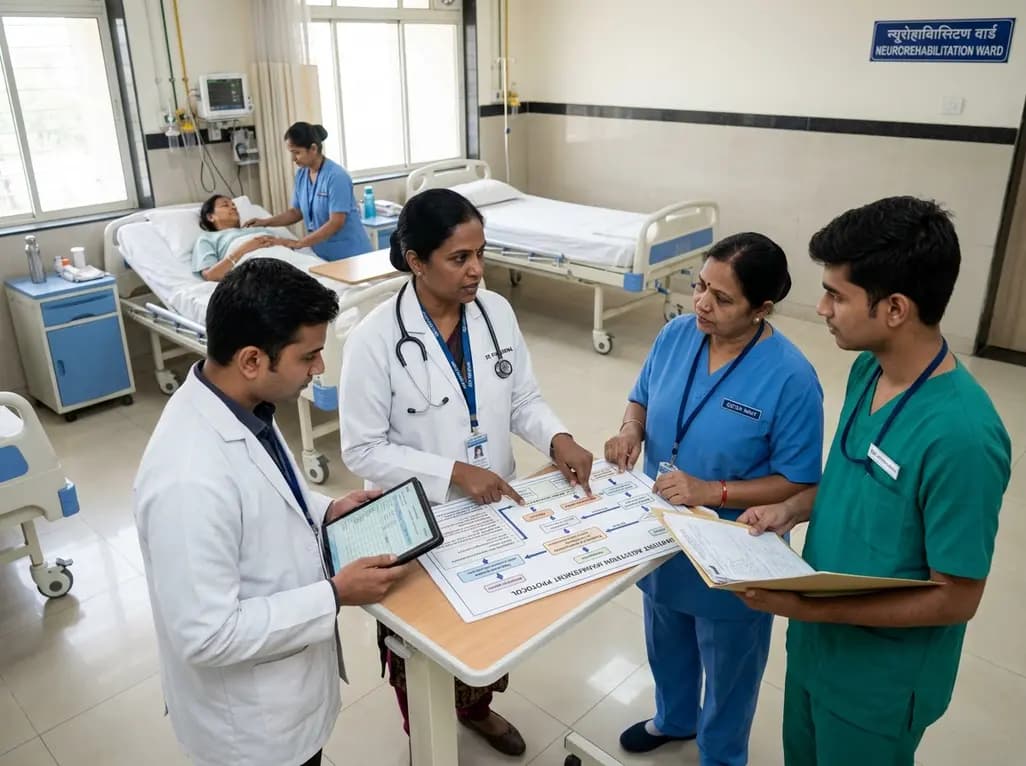
Agitation complicates neurorehabilitation and challenges clinical staff. A structured quality improvement initiative demonstrates that validated scales, clinical decision trees, and multidisciplinary education significantly enhance provider confidence and optimize patient safety during inpatient recovery.
Today
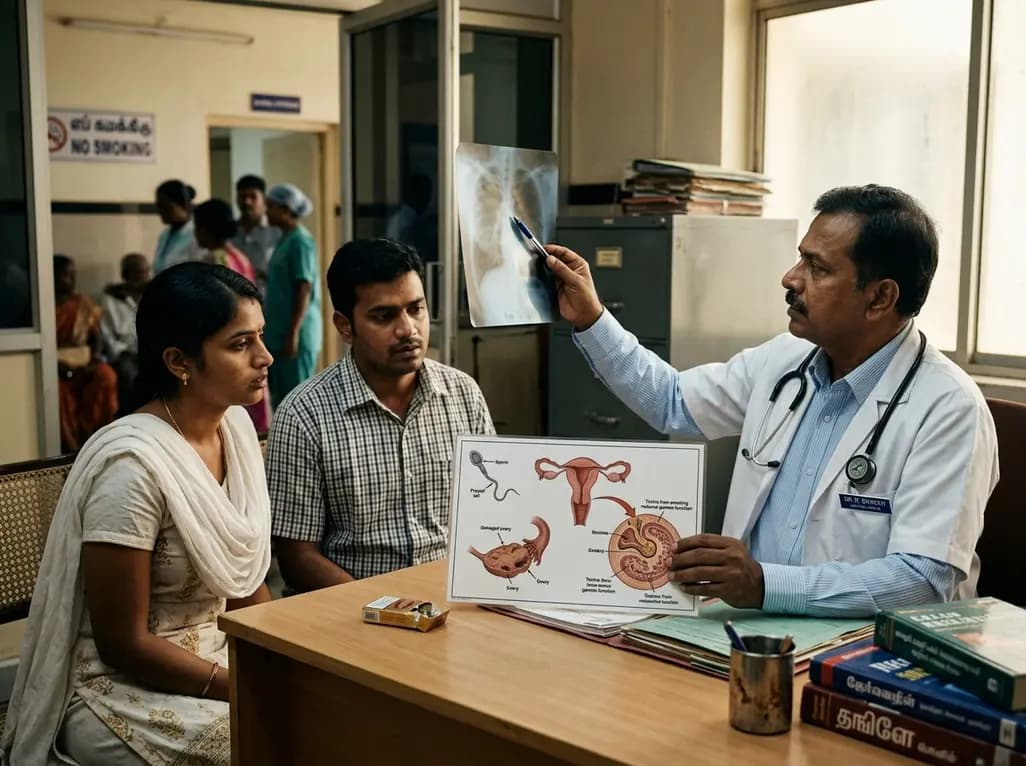
A global knowledge summary from the World Health Organization warns that tobacco smoking significantly increases infertility risks in women and causes substantial sperm and erectile dysfunction in men. Fortunately, quitting smoking substantially lowers these risks, providing clear reproductive benefits.
Today
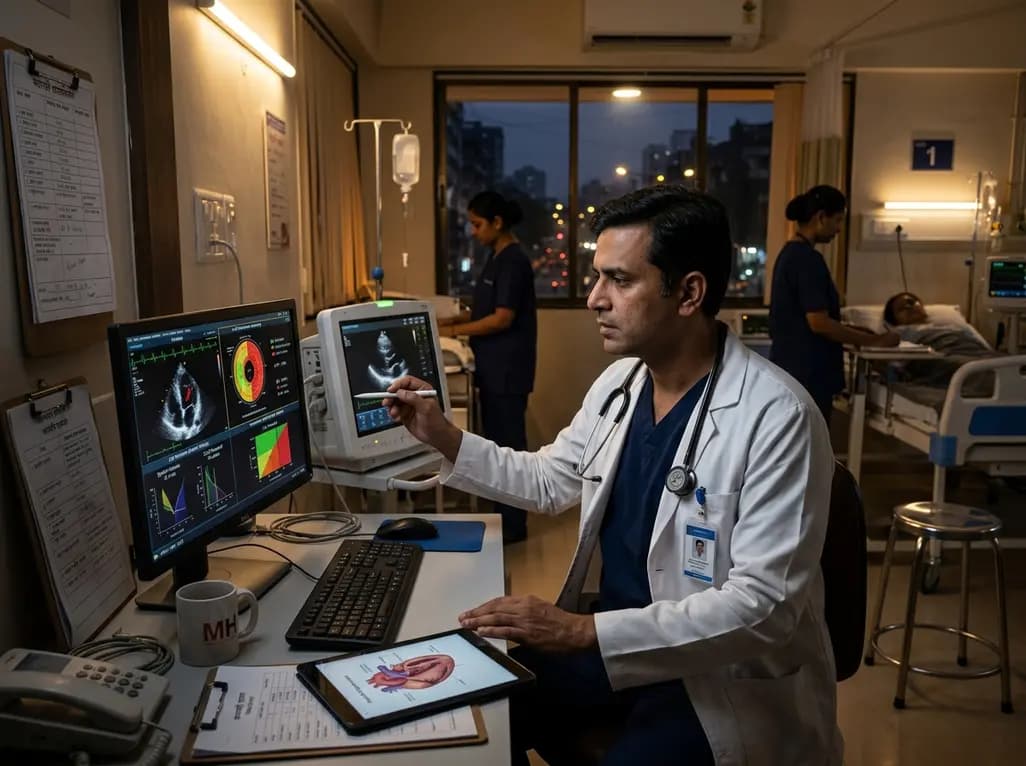
Emerging evidence shows that even dim night-time light exposure alters cardiac geometry and weakens contractility. In a landmark cohort study, nocturnal light above 3 lux triggered concentric left ventricular hypertrophy and subclinical dysfunction, highlighting nocturnal illumination as a modifiable cardiac risk factor.
Today
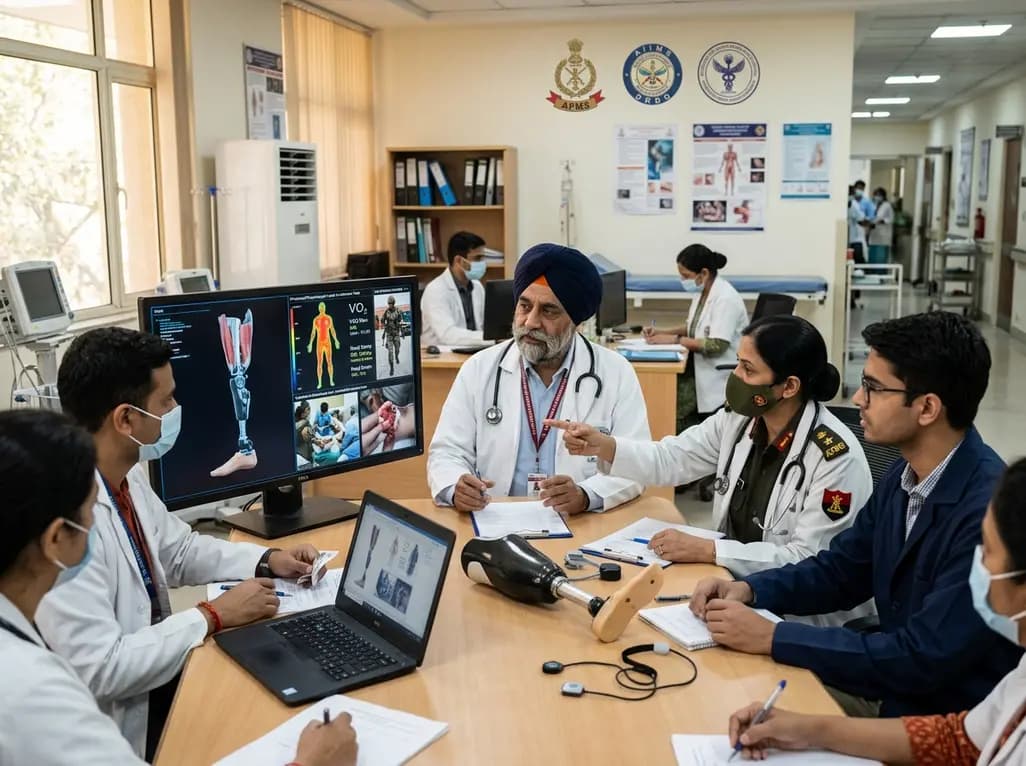
India's premier scientific bodies have joined the Armed Forces Medical Services to solve unique physiological and operational challenges faced by soldiers. The national collaboration covers combat casualty care, artificial intelligence diagnostics, bionic prosthetics, and extreme-environment physiological resilience.
Yesterday
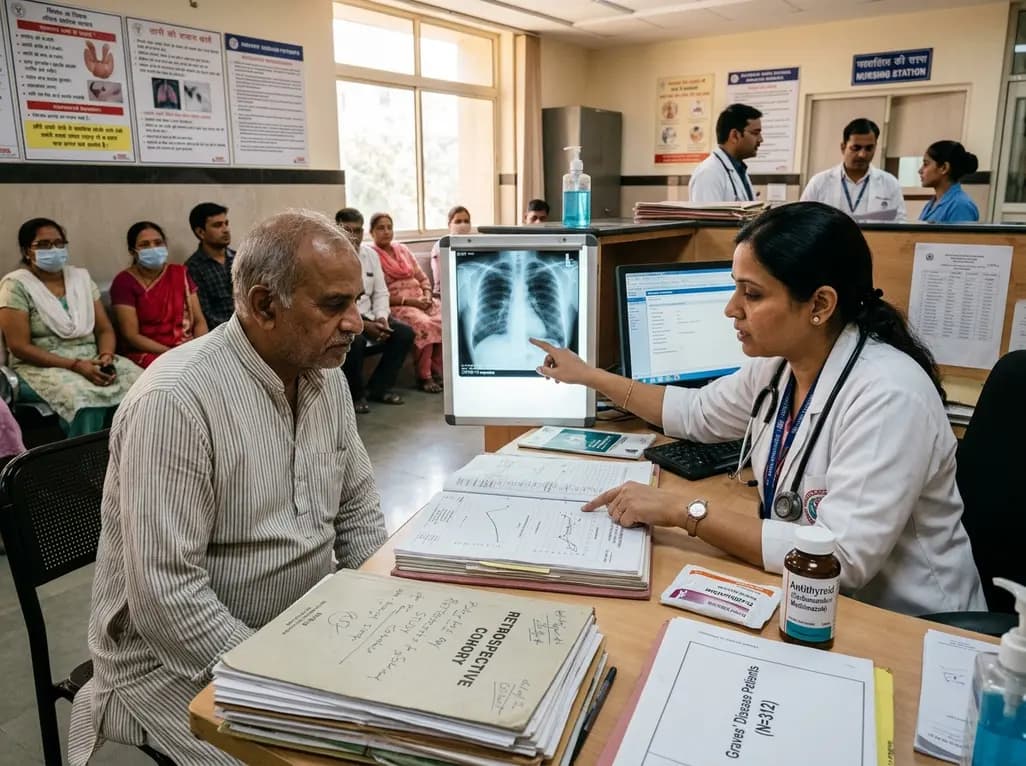
A retrospective cohort study evaluates the short- and long-term impacts of SARS-CoV-2 infection on patients with Graves' disease receiving antithyroid drug therapy, highlighting thyroid status destabilization, clinical symptom exacerbations, and post-viral sequelae.
Today
