.webp&w=384&q=75)

Loading, please wait...
Loading, please wait...

Lung cancer continues to be a major global health challenge, especially for patients with inoperable tumors. While microwave ablation (MWA) provides a less invasive alternative to surgery, complications and high recurrence rates often limit its success. Consequently, researchers have introduced a novel lung cancer immunotherapy hydrogel designed to address these specific gaps by providing structural support and biochemical modulation.
The newly developed aPD1@Cur-Mg/GH system serves two critical purposes. First, it utilizes a matrix of gelatin methacryloyl (GelMA) and o-nitrobenzyl alcohol-modified hyaluronate (HANB). This combination forms a robust, adhesive, and compression-resistant structure that facilitates pleural sealing. Since pneumothorax and pleural leaks are common side effects of thermal ablation, this sealing capability significantly aids in tissue repair and patient recovery.
Furthermore, the hydrogel acts as a sophisticated delivery vehicle for therapeutic agents. It embeds an anti-PD1 (aPD1) antibody within a magnesium-polyphenol network containing curcumin. As the hydrogel slowly degrades, it releases magnesium ions and curcumin directly into the tumor microenvironment. These components actively promote M1 macrophage polarization and increase the infiltration of CD8+ T cells. As a result, the hydrogel creates a more favorable environment for immune checkpoint blockade therapy.
This dual-functional approach creates a powerful synergy with microwave ablation. While MWA physically destroys the primary tumor, the hydrogel manages the local environment to prevent recurrence. It transforms the often immunosuppressive post-ablation surroundings into an active immune-responsive site. Moreover, this strategy offers a promising path for enhancing lung cancer immunotherapy outcomes in patients who cannot undergo traditional surgery.
The GH matrix, consisting of GelMA and HANB, provides a strong adhesive structure. It primarily functions to seal the pleura and resist compression, helping to prevent common post-ablation complications like air leaks.
Curcumin, when released from the hydrogel, helps modulate the immune microenvironment. It specifically encourages macrophages to shift to the M1 phenotype and enhances the presence of CD8+ T cells, which are vital for attacking cancer cells.
Disclaimer: This content is for informational and educational purposes only. It does not constitute medical advice or a professional recommendation. The clinical application of experimental hydrogels is subject to regulatory approval and ongoing research. Refer to the latest local and national guidelines for clinical practice.
References
Yang X et al. Curcumin-Embedded Magnesium-Polyphenol Network Hydrogel for Dual Delivery of aPD1 and Promotion of Pleural Sealing in Lung Cancer Immunotherapy. Adv Healthc Mater. 2026 May 02. doi: 10.1002/adhm.71157. PMID: 42068188.
Shao M et al. Microwave ablation enhances the systemic immune response in patients with lung cancer. Oncol Lett. 2023; 26(1): 285. doi: 10.3892/ol.2023.13871.
Wu X et al. Recent advances in hydrogel-based therapeutics for lung cancer. RSC Adv. 2025; 15(1): 123-145.

Read summarized clinical updates, watch expert medical content, and earn CME certifications right from your smartphone.
Open your smartphone camera to scan and install.





A novel aPD1@Cur-Mg/GH hydrogel offers a dual approach to lung cancer treatment by sealing pleural leaks and enhancing immune response after microwave ablat...
5 months ago

Following regulatory scrutiny from FSSAI regarding promotional representations and lean muscle preservation claims, Dr. Reddy's Laboratories and Nestlé Health Science are currently reviewing the branding and marketing strategy for their joint nutritional supplement Celevida GLP+.
Today
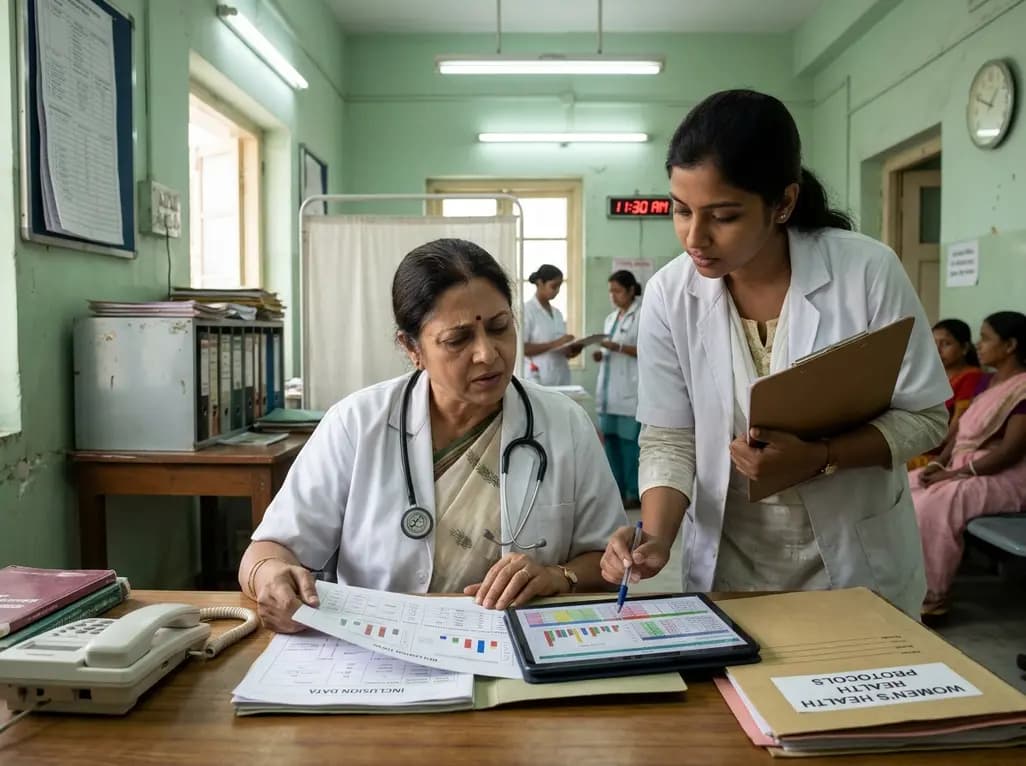
Demanding exhaustive hormonal profiling can inadvertently discourage clinical studies involving females. Methodological standards must align with the specific scientific question to expand, not restrict, equitable evidence for women.
Today

The Directorate General of Health Services directs Indian states to halt the hazardous reuse and reprocessing of single-use medical devices. Discover regulatory implications under the Drugs and Cosmetics Act, critical infection risks, legal liabilities, and operational changes required across clinical specialties.
Today
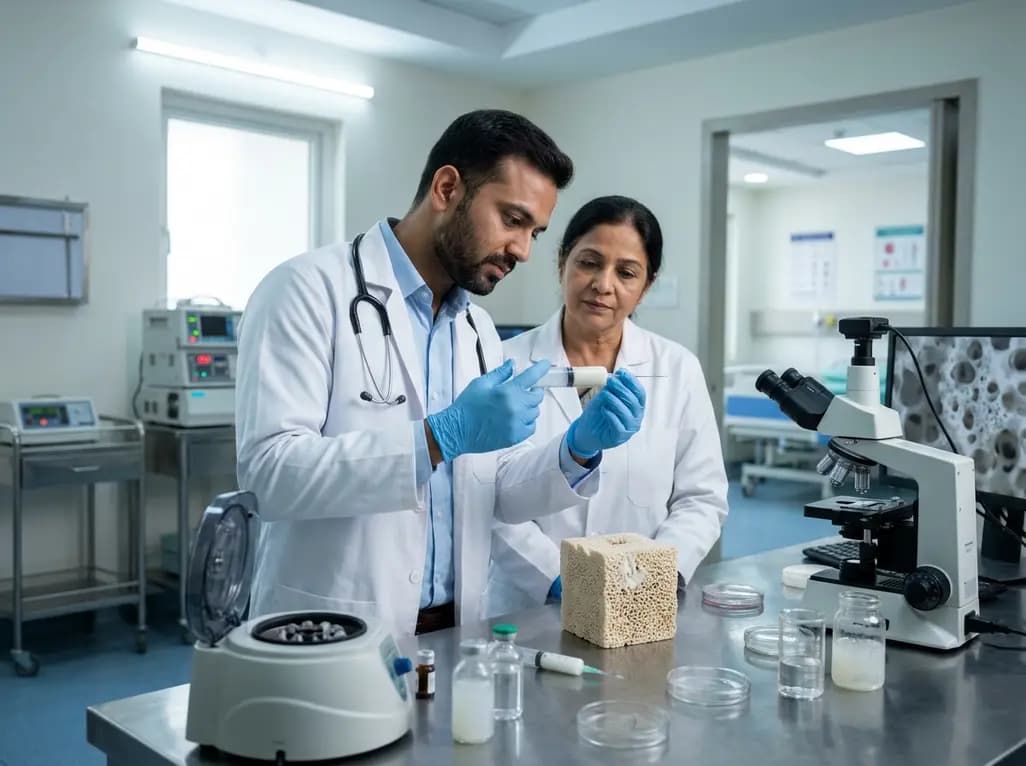
A novel calcium polyphosphate coacervate enables injectable bone implants with in situ hierarchical porosity via phase separation and gas foaming, significantly enhancing cell proliferation, energy metabolism, and osteogenic differentiation for minimally invasive bone defect repair.
Today

India is advancing preventive healthcare by integrating genomics, artificial intelligence, and quantum technologies. With the SANGAM programme sequencing one million Indian genomes, clinicians can unlock personalized therapies, detect cardiometabolic risks early, and curb the burden of diabetes and heart disease.
Today
