

Loading, please wait...
Loading, please wait...

Hematopoietic stem cell transplantation represents one of the most intricate therapeutic journeys in modern hematology and oncology. Patients undergo severe myeloablation, extensive immunosuppressive therapy, and complex supportive regimens to ensure engraftment and prevent life-threatening complications. Consequently, establishing longitudinal pharmaceutical care has become essential to safeguard patient safety across all continuum stages. Clinical pharmacists actively collaborate with multidisciplinary transplant teams to optimize outcomes, resolve drug interactions, and personalize advanced pharmacotherapy.
Traditionally, hospital pharmacists focused primarily on acute inpatient dispensing and short-term medication reconciliation during conditioning regimens. However, contemporary transplant protocols increasingly utilize outpatient administration and home hospitalization models. Therefore, clinical teams must establish continuous follow-up from pre-admission evaluation through long-term survivorship. In the pre-transplant phase, pharmacists meticulously evaluate organ function, baseline medication histories, and potential drug-drug interactions. Subsequently, during the inpatient conditioning and aplasia phases, pharmacists calculate precise chemotherapy dosages and adjust prophylactic antimicrobial regimens. Furthermore, they monitor acute toxicities, mucositis, and veno-occlusive disease to prevent severe clinical deterioration. Following discharge, patients face heightened risks of late infections, chronic graft-versus-host disease, and therapeutic non-adherence. Hence, pharmacists conduct structured follow-up consultations to manage polypharmacy and ensure timely regimen adjustments. By maintaining proactive oversight across each transitional milestone, clinicians can bridge critical therapeutic gaps and substantially reduce preventable hospital readmissions. Ultimately, this seamless longitudinal continuum transforms episodic interventions into sustained therapeutic vigilance, which directly improves overall survival.
Medication adherence remains a paramount determinant of success following allogeneic hematopoietic cell transplantation. Nevertheless, complicated dosing schedules and persistent treatment-related adverse effects frequently challenge post-transplant patients. To overcome these complex behavioral barriers, clinicians utilize the Capability, Opportunity, and Motivation framework, known as COM-B. First, pharmacists assess physical and psychological capability by educating patients on complex immunosuppressive schedules and identifying cognitive limitations. Additionally, clinicians provide tailored visual medication charts and digital reminders to facilitate comprehension. Second, pharmacists address environmental opportunity by evaluating socioeconomic constraints, medication accessibility, and family caregiver support systems. For instance, teams coordinate home medication delivery and synchronize prescription refills to alleviate logistical burdens. Third, pharmacists foster intrinsic motivation through empathetic communication, shared goal setting, and addressing patient beliefs regarding potential drug toxicities. Consequently, patients develop higher self-efficacy and stronger adherence habits during crucial post-engraftment phases. Moreover, regular behavioral assessments allow the clinical team to detect emerging non-adherence before organ rejection or graft failure occurs. Thus, applying behavioral frameworks empowers patients to navigate challenging regimens with sustained confidence.
Pharmacokinetic variability poses substantial hazards in stem cell transplant recipients receiving narrow therapeutic index agents. Accordingly, precision dosing strategies have become indispensable tools for modern transplant teams. Therapeutic drug monitoring guided by model-informed precision dosing optimizes exposure to critical calcineurin inhibitors, such as tacrolimus and cyclosporine. Similarly, busulfan exposure targeting minimizes both graft rejection and life-threatening sinusoidal obstruction syndrome. Furthermore, clinical pharmacogenomics provides vital prospective insights that inform individualized drug selection and dosing. For example, testing for CYP2C19 polymorphisms guides the selection and dosing of voriconazole for invasive fungal prophylaxis. Consequently, clinicians avoid inadequate antifungal concentrations or neurotoxic drug accumulation. In addition, screening for TPMT and NUDT15 variants prevents severe myelosuppression when initiating thiopurine therapies. Clinicians also utilize pharmacokinetic modeling to adjust antimicrobials promptly in patients experiencing fluctuating renal clearance or sepsis. Hence, precision pharmacotherapy replaces empirical dosing with scientifically validated, patient-specific targets. As a result, multidisciplinary teams effectively minimize toxicity, enhance engraftment rates, and optimize overall therapeutic efficiency.
Historically, pharmacy departments justified clinical services by quantifying basic process indicators, such as intervention numbers or order verifications. However, contemporary healthcare frameworks demand a clear transition toward value-based pharmaceutical care. Under this modern paradigm, multidisciplinary teams track concrete clinical outcomes, safety endpoints, and economic efficiency. Specifically, clinicians measure the incidence of acute and chronic graft-versus-host disease, engraftment timelines, and readmission rates by day one hundred. In addition, teams evaluate the prevention of severe drug-related problems, including acute kidney injury and opportunistic infections. Furthermore, value-based models prioritize patient-reported outcome measures to capture health-related quality of life, symptom burden, and psychological well-being. By integrating these diverse clinical metrics, healthcare systems can rigorously demonstrate the tangible benefits of specialized clinical pharmacists. Moreover, reducing preventable toxicities and rehospitalizations lowers aggregate healthcare expenditures for transplant centers and health systems. Therefore, value-based tracking aligns pharmacy goals directly with hospital leadership priorities and international accreditation standards. Consequently, this rigorous methodology ensures that clinical interventions continuously promote high-quality, cost-effective, and patient-centered healthcare delivery.
Rapid advances in digital health and artificial intelligence provide powerful avenues to strengthen transplant management. Clinicians now deploy specialized mobile applications and remote patient monitoring devices to track physiological vitals and patient symptoms. For example, smart pill bottles and automated text alerts notify clinicians immediately when patients miss essential immunosuppressive doses. Furthermore, artificial intelligence algorithms analyze real-time laboratory trends and electronic medical records to identify impending sepsis or graft failure. Nevertheless, technological tools cannot replace thoughtful interprofessional teamwork. Instead, digital innovations enhance multidisciplinary collaboration among transplant hematologists, infectious disease specialists, bedside nurses, and clinical pharmacists. Daily multidisciplinary bedside rounds and shared electronic communication platforms ensure synchronized therapeutic decisions across inpatient and outpatient care settings. Additionally, specialized pharmacy navigators coordinate outpatient home infusions, laboratory monitoring schedules, and medication reconciliation protocols. As a result, care teams can intervene swiftly before subclinical toxicities escalate into severe life-threatening emergencies. Ultimately, merging cutting-edge digital monitoring with integrated multidisciplinary expertise establishes a resilient safety net for high-risk transplant recipients.
Pharmacists actively optimize immunosuppressive therapy by performing model-guided therapeutic drug monitoring for agents like tacrolimus and cyclosporine. Furthermore, they adjust dosages promptly based on organ function, concurrent medications, and clinical status to maintain exact therapeutic concentrations. This rigorous monitoring minimizes subtherapeutic exposure that precipitates graft-versus-host disease while avoiding excessive immunosuppression that leads to opportunistic infections or severe nephrotoxicity. Consequently, patients achieve superior graft outcomes and improved long-term tolerance.
Pharmacogenomic testing identifies inherited enzymatic variations that significantly influence drug metabolism and clearance in transplant candidates. For instance, evaluating CYP2C19 genotypes prevents unexpected therapeutic failures or dangerous neurotoxicity when prescribing voriconazole prophylaxis. Similarly, analyzing TPMT and NUDT15 polymorphisms guides safe dosing for thiopurine regimens to avoid severe myelosuppression. Therefore, prospective genetic profiling allows multidisciplinary teams to select safer conditioning agents, personalize supportive therapies, and prevent severe adverse reactions before transplantation begins.
In outpatient and home hospitalization settings, clinical pharmacists coordinate complex intravenous antimicrobial infusions, adjust supportive medications, and conduct continuous adherence assessments. In addition, they monitor laboratory parameters remotely, resolve emerging drug interactions, and provide direct patient counseling regarding potential side effects. By maintaining this structured oversight, pharmacists promptly detect complications such as early infections or organ dysfunction. Consequently, this proactive intervention prevents unnecessary emergency department visits and maintains patient safety during recovery at home.
Disclaimer: This content is for informational and educational purposes only and should not be taken as professional medical advice. Healthcare providers should always apply their clinical judgment and verify details independently. Refer to the latest local and national guidelines for clinical practice.
References

Read summarized clinical updates, watch expert medical content, and earn CME certifications right from your smartphone.
Open your smartphone camera to scan and install.





Longitudinal pharmaceutical care in hematopoietic stem cell transplantation establishes a continuous clinical framework. By integrating pharmacogenomics, precision dosing, and structured follow-up, clinical pharmacists optimize patient safety, regimen adherence, and overall survival across transplant phases.
Today
This methodological viewpoint establishes ten rules to constrain noise and enhance precision across image scoring, database handling, and data analysis in rheumatology research.
Today

A study in JAMIA Open shows lightweight open-source reasoning LLMs achieve up to 95% sensitivity and accelerate evidence synthesis screening by nearly twentyfold, presenting a cost-effective, scalable AI solution for biomedical research and systematic reviews.
Yesterday
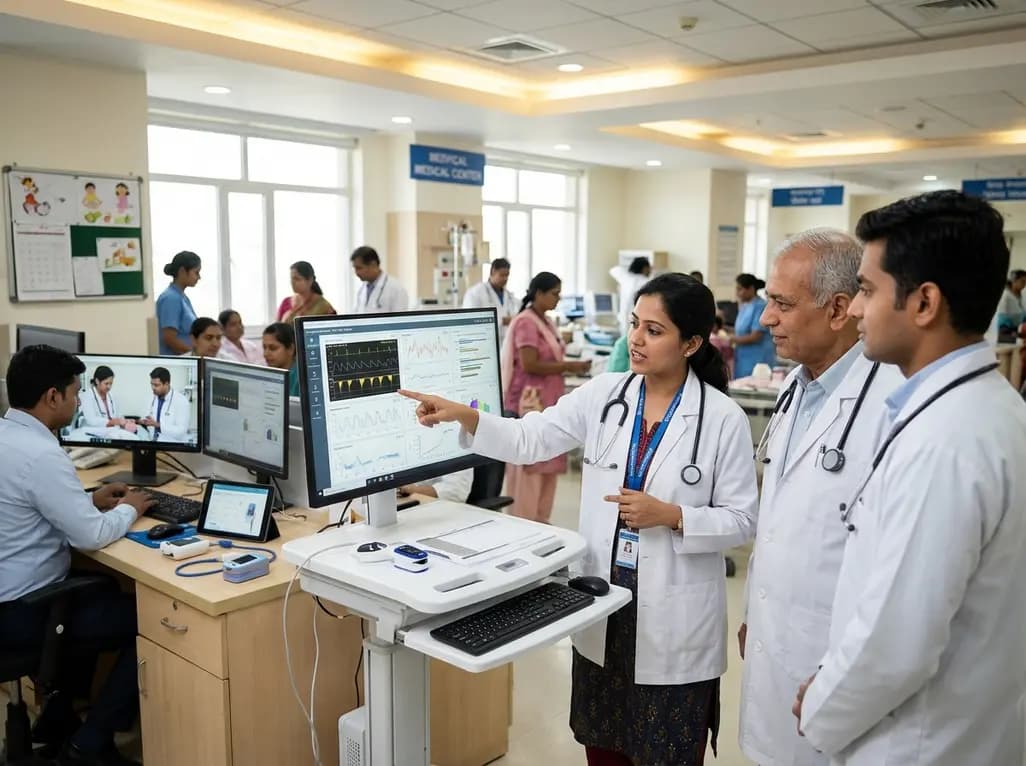
A landmark study details how an enterprise pediatric remote patient management model expanded from a single cardiology pilot to 16 diverse specialty programs by combining centralized digital operations with specialty clinical leadership.
Yesterday
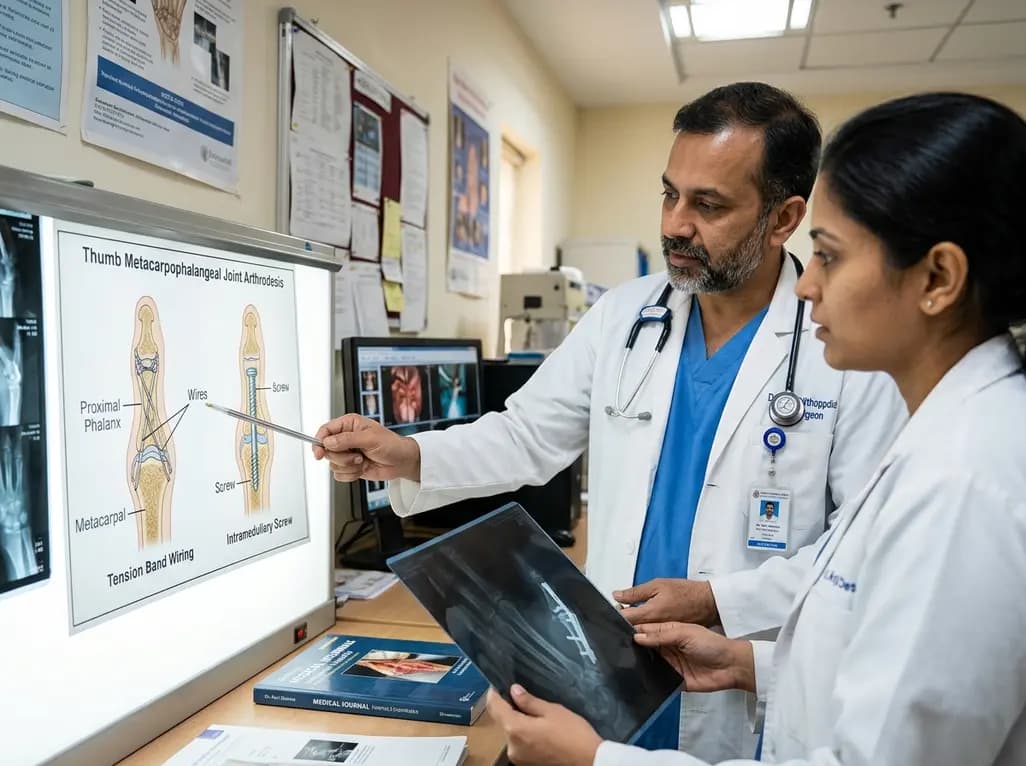
A comparative review of tension band wiring and intramedullary screw fixation in thumb metacarpophalangeal arthrodesis, evaluating union rates, hardware complications, and clinical outcomes.
Yesterday
A nationwide observational study from Norway investigates whether SGLT2 inhibitor therapy improves 5-year metabolic parameters in kidney transplant recipients with post-transplantation diabetes mellitus (PTDM), finding comparable glycemic, renal, and blood pressure profiles between user and non-user cohorts.
Today
