

Loading, please wait...
Loading, please wait...

Achieving lasting clinical success in periodontal and implant therapy represents one of the most critical challenges facing contemporary oral healthcare providers. While initial disease control and prosthetic rehabilitation often deliver rapid clinical improvement, true therapeutic excellence depends entirely on sustained tissue health over decades. Clinicians must recognize that tooth retention and dental implant survival require biological harmony between hard tissues, soft tissues, and subgingival biofilm. Consequently, dental practitioners must shift clinical focus from short-term resolution toward durable, proactive disease management.
Sustained clinical stability requires a profound appreciation of the distinct biological environments surrounding teeth and titanium implants. In natural dentition, the periodontal ligament provides a dynamic vascular network that absorbs masticatory load and mounts a resilient defense against microbial pathogens. In contrast, osseointegrated dental implants lack this fibrous cushion and rely directly on mineralized contact with alveolar bone. Moreover, peri-implant connective tissue fibers run parallel to the abutment surface rather than inserting perpendicularly as Sharpey fibers do around natural cementum.
Because of this anatomical vulnerability, peri-implant tissues display heightened susceptibility to biofilm-induced microvascular damage and accelerated marginal bone resorption. Therefore, establishing a dense cuff of keratinized peri-implant mucosa is paramount for biomechanical defense. Clinicians must secure adequate biological dimensions during surgical planning to avoid mucosal recession and peri-implant breakdown. Furthermore, regenerative approaches around teeth must aim to reconstitute cementum, periodontal ligament, and alveolar bone rather than simply filling radiographic defects with graft particles. When clinicians respect these fundamental biological distinctions, they markedly diminish the risk of progressive tissue loss.
Predictable treatment longevity demands rigorous risk stratification prior to initiating complex surgical or reconstructive interventions. Specifically, local anatomical discrepancies, systemic metabolic conditions, and behavioral habits profoundly influence healing trajectories and inflammatory susceptibility. For example, unmanaged diabetes mellitus fosters an aggressive pro-inflammatory environment through advanced glycation end-products, impairing wound repair around teeth and implants alike. Similarly, persistent tobacco smoking significantly impairs peripheral microvascular perfusion, accelerating periodontal breakdown and dramatically elevating implant failure rates.
In addition to systemic diseases, clinicians must assess patient compliance history and individual predispositions toward destructive inflammatory reactions. Utilizing validated assessment tools, such as periodontal risk assessment diagrams and implant disease risk algorithms, enables clinicians to categorize individuals into precise prognostic tiers. Consequently, practitioners can tailor surgical techniques, delay definitive prosthetic delivery until metabolic factors stabilize, and customize recall frequencies according to biological risk. Furthermore, active patient education concerning plaque control and smoking cessation establishes personal accountability. Ultimately, addressing systemic and behavioral comorbidities transforms unpredictable treatments into predictable, enduring clinical successes.
Technical execution during reconstructive surgery directly governs long-term mechanical and biological tissue stability. During implant placement, achieving optimal three-dimensional positioning ensures that restorative components distribute occlusal vectors harmoniously along the fixture axis. Conversely, malpositioned implants induce detrimental eccentric forces, accelerate crestal bone remodeling, and create plaque-trapping prosthetic contours that hinder oral hygiene. Clinicians must preserve at least 1.5 to 2 millimeters of buccal bone thickness to prevent facial soft tissue recession over time.
Furthermore, material selection plays a decisive role in sustaining tissue integration. Modern implant designs incorporate micro-rough titanium or zirconia surfaces that accelerate osseointegration, while highly polished prosthetic collars minimize microbial adhesion at the transmucosal junction. In periodontal regenerative surgery, biologically active mediators, including enamel matrix derivatives and recombinant growth factors, stimulate genuine cementum and ligament regeneration. When clinicians combine rigid primary wound closure, delicate micro-surgical instrumentation, and biomimetic bone substitutes, they establish durable tissue architecture capable of enduring functional mastication. Accordingly, meticulous biomaterial handling ensures long-term barrier competence against bacterial invasion.
A biologically sound surgical result can deteriorate rapidly if prosthetic contours undermine daily plaque removal. Therefore, restorative clinicians must design implant suprastructures that facilitate unobstructed interproximal access for interdental brushes and cleaning devices. Overcontoured crown emergence profiles frequently trap pathological subgingival biofilm, which inevitably initiates chronic peri-implant mucositis and progressive crestal bone loss. In contrast, flat or slightly concave transmucosal emergence designs protect marginal mucosal seal integrity and simplify maintenance protocols for patients.
Additionally, restorative teams must carefully choose between screw-retained and cement-retained prostheses. While cement-retained crowns offer aesthetic flexibility in anterior sectors, undetected subgingival cement extrusion represents a leading cause of aggressive peri-implantitis. Consequently, modern guidelines widely favor screw-retained restorations, which eliminate cement-induced biological complications and simplify component retrieval during periodontal reassessment. Furthermore, precise occlusal equilibration prevents destructive lateral shearing forces and prosthetic component loosening. Thus, harmonizing biological contour requirements with cleansable prosthetic architecture forms an indispensable pillar of therapeutic durability.
Active periodontal and implant treatments merely set the stage for tissue preservation; long-term durability relies fundamentally upon structured supportive maintenance care. Clinical studies demonstrate that patients who discontinue routine supportive periodontal care experience substantially higher rates of recurrent periodontitis, progressive bone resorption, and premature tooth loss. Similarly, without professional peri-implant maintenance, up to forty percent of implant patients develop peri-implant diseases over a ten-year horizon. Therefore, structured follow-up visits must occur at regular intervals calibrated to individual risk profiles.
During supportive recall sessions, clinicians must systematically perform circumferential probing, evaluate bleeding on probing, and identify early mucosal inflammation before irreversible bone destruction ensues. Furthermore, specialized instrumentation—such as glycine powder air-polishing, sonic devices, and biocompatible curettes—effectively disrupts subgingival biofilm without scratching sensitive titanium abutment surfaces. When clinicians identify persistent pocketing or localized bleeding, they can deliver targeted interceptive antimicrobials or minor corrective procedures immediately. In summary, disciplined supportive maintenance converts short-term clinical improvements into lifetime functional stability.
Supportive maintenance recall intervals must reflect individual biological risk profiles rather than rigid schedules. Patients with low risk, minimal probing depths, and excellent plaque control usually require recalls every six to twelve months. Conversely, individuals with moderate or high risk, including treated severe periodontitis or systemic comorbidities like diabetes, should attend appointments every three to four months. Frequent assessments allow clinicians to detect early inflammatory changes and debride subgingival biofilm proactively.
The primary clinical indicators of peri-implant disease include bleeding on gentle probing, increased probing depths compared to baseline records, and mucosal erythema or swelling. While peri-implant mucositis presents strictly with soft tissue inflammation without bone involvement, peri-implantitis additionally demonstrates progressive marginal bone loss on intraoral radiographs. Clinicians must routinely monitor these signs during recall visits because early intervention prevents extensive osseous breakdown and preserves implant stability.
Screw-retained restorations offer substantial biological advantages because they completely eliminate the risk of residual subgingival cement extrusion, a major etiology of peri-implantitis. Furthermore, screw retention facilitates easy removal of the prosthesis for professional evaluation, direct peri-implant debridement, and minor prosthetic repairs without damaging underlying components. Although cement retention provides minor aesthetic benefits in misaligned fixtures, screw-retained suprastructures ensure superior biological safety and predictability for long-term tissue maintenance.
Disclaimer: This content is for informational and educational purposes only... Refer to the latest local and national guidelines for clinical practice.
References
Wang HL et al. Long-term stability in periodontal and implant therapy: Why does it matter? Periodontol 2000. 2026 Nov 28. doi: 10.1111/prd.70111. PMID: 43106207.
Wang HL, Calatrava J, Soldini MC, Vilarrasa J, Sculean A, Monje A. Long-term periodontal and peri-implant tissue stability under supportive therapy. Periodontol 2000. 2026 Apr 9. doi: 10.1111/prd.70038.
Sánchez IS, Carra MC, de Albornoz AC, Romandini M, Montero E, Sanz M. Long-term stability after nonsurgical treatment of periodontitis. Periodontol 2000. 2026 Mar 25. doi: 10.1111/prd.70032.

Read summarized clinical updates, watch expert medical content, and earn CME certifications right from your smartphone.
Open your smartphone camera to scan and install.





Achieving long-term stability in periodontal and implant therapy requires biological harmony, precise surgical execution, patient risk stratification, and structured maintenance protocols to prevent disease recurrence and ensure durable functional outcomes.
Today
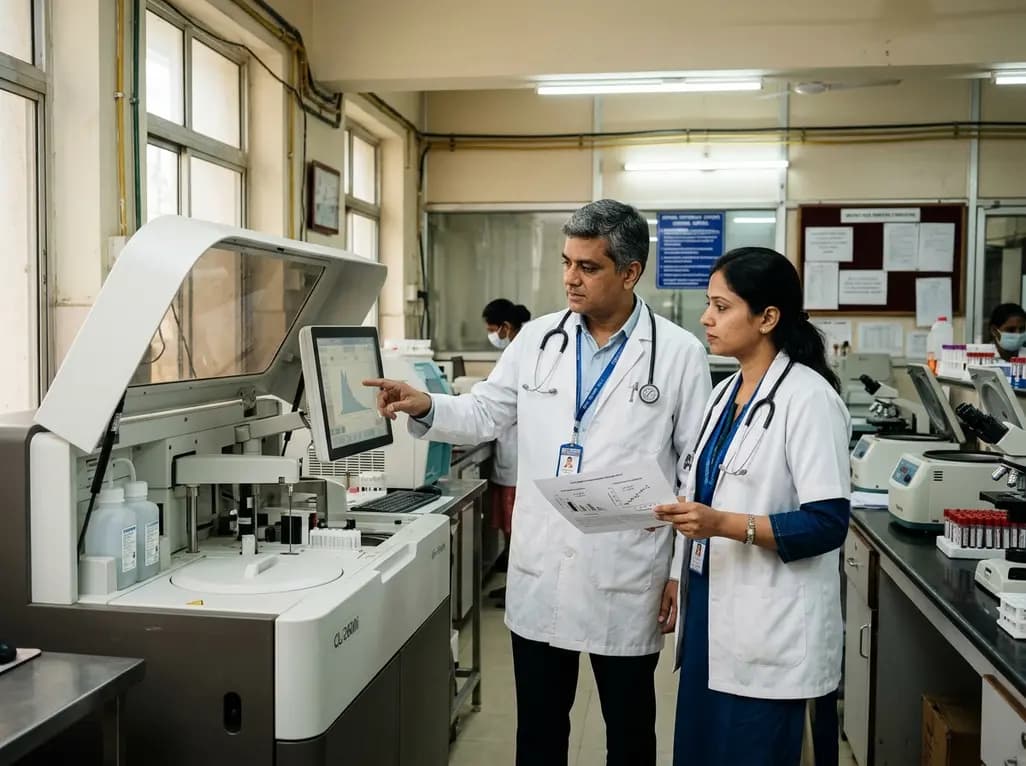
A multicenter study evaluated the CL-2600i immunochemistry analyzer across 640 serum samples, testing endocrinology, infectious disease serology, sepsis markers, and fertility panels. The system demonstrated high analytical trueness, repeatable results with CVs under 5%, and strong correlation with routine platforms.
Today

A recent survey reveals significant gaps in antenatal providers' adherence to pregnancy oral health guidelines despite positive attitudes. Integrating regular oral screenings, clinician education, and interprofessional dental referrals during prenatal care is crucial to prevent adverse pregnancy outcomes.
Today
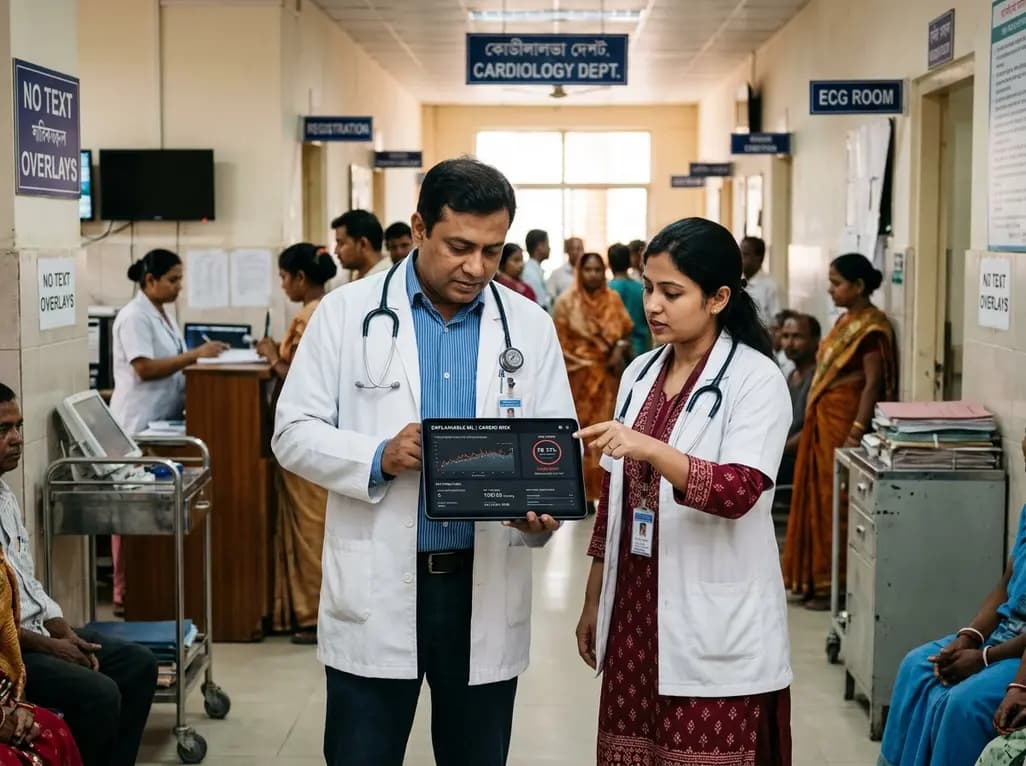
A cross-sectional study in Bangladesh demonstrates that an explainable stacking ensemble machine learning model achieves 98.37% accuracy in cardiovascular disease detection. Using local clinical and behavioral data, the model highlights cholesterol, rhythm abnormalities, and blood pressure as leading predictors.
Today
Laser-based powder bed fusion of Ti6Al4V enables custom orthopedic implants. Recent research reveals that heat treatment modulates ductility and wettability, while surface powder morphology drives mesenchymal cell attachment, highlighting crucial design factors for long-term osseointegration.
Today
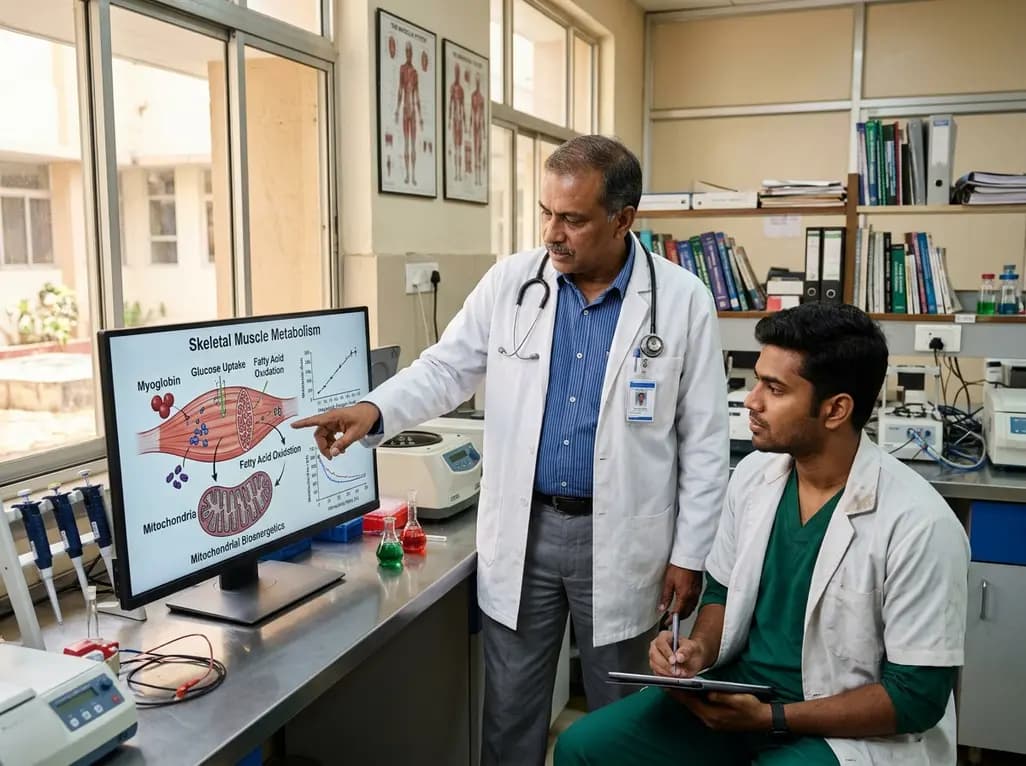
Recent physiological findings demonstrate that myoglobin acts beyond oxygen transport, significantly regulating skeletal muscle glucose metabolism and mitochondrial bioenergetics. Understanding these intracellular metabolic shifts offers fresh insights into metabolic health and exercise physiology.
Yesterday
