

Loading, please wait...
Loading, please wait...

Pediatric primary headache disorders represent a common clinical presentation in neurology and ambulatory practice. Managing these conditions requires identifying environmental precipitants and psychological triggers. Recently, a retrospective audit evaluated how lockdown restrictions influenced headache outcomes and clinical trajectories. Their findings deliver crucial insights into pediatric headache treatment and demonstrate how lifestyle adjustments directly modulate patient recovery.
The retrospective investigation evaluated 667 consecutive patients who presented to a specialized pediatric headache center. Researchers divided this patient population into a prepandemic cohort of 433 children and a pandemic cohort of 234 children. Clinicians established all diagnoses according to the International Classification of Headache Disorders criteria. Interestingly, diagnostic distributions for migraine and tension-type headaches remained consistent across both time periods.
However, investigators detected a dramatic difference in therapeutic outcomes between the two groups. Specifically, prepandemic patients were significantly more likely to report no response to prescribed treatment. In the prepandemic cohort, 14% of children experienced zero clinical improvement, compared to only 5% in the pandemic cohort. This marked difference demonstrated that lockdown conditions correlated with enhanced clinical responsiveness.
Furthermore, the clinical audit uncovered notable changes in body habitus between the groups. Pandemic cohort attendees exhibited a significantly higher obesity rate of 11%, compared to 6% in prepandemic children. Meanwhile, other documented comorbidities showed no significant variations between cohorts. Consequently, the study emphasizes how large-scale societal disruptions concurrently affect neurological symptoms and pediatric metabolic health.
The remarkable drop in treatment non-response during lockdowns highlights the therapeutic value of stress mitigation in pediatric headache treatment. Traditional school environments frequently subject children to acute academic pressure, peer competition, sensory overstimulation, and rigid schedules. For vulnerable pediatric patients, chronic academic worry functions as a potent driver of neurovascular inflammation. Therefore, removing classroom demands inadvertently eliminated a major daily trigger.
Additionally, home confinement allowed children to adopt more physiologically restorative daily habits. Many young patients obtained extra sleep each morning and avoided exhausting daily school commutes. Consequently, their autonomic nervous systems experienced reduced sympathetic activation and lower central sensitization. This calmer physiological state lowered headache frequency and improved their clinical responsiveness to routine therapies.
Nevertheless, clinicians must recognize that home confinement did not universally benefit every child. While some headache sufferers thrived away from school demands, others encountered distinct psychological distress. For example, prolonged social isolation and household stress created alternative triggers for vulnerable individuals. Nonetheless, the audit confirms that school-related stress significantly hinders treatment success in typical clinical settings.
Although treatment response improved during lockdowns, this clinical gain coincided with a troubling rise in pediatric obesity. The tertiary audit demonstrated that obesity rates nearly doubled among children presenting during the pandemic. Confinement drastically curtailed structured athletic activities, physical education classes, and active transport. Concurrently, recreational and educational screen time escalated as children attended virtual classrooms.
Moreover, altered domestic routines promoted frequent snacking and higher consumption of ultra-processed foods. Childhood obesity represents an established biological risk factor for migraine progression and chronic daily headache. Adipose tissue functions as an active endocrine organ, releasing pro-inflammatory cytokines that exacerbate central pain processing. Consequently, excessive weight gain can neutralize the neurobiological benefits of reduced emotional stress.
Therefore, healthcare providers must address pediatric headache and metabolic wellness simultaneously. While removing academic stress temporarily alleviated headaches, rising obesity creates long-term susceptibility to chronic pain. Clinicians must monitor weight trajectories during every pediatric headache evaluation. Integrating routine physical exercise and dietary counseling ensures that therapeutic gains do not come at the expense of metabolic health.
These audit findings carry immediate relevance for pediatricians, neurologists, and family physicians practicing across India. Academic environments in India often impose intense pressure through competitive exams, heavy homework burdens, and long study hours. Consequently, academic anxiety frequently triggers debilitating migraines and tension headaches among Indian youth.
Furthermore, rapid urbanization in Indian cities has severely reduced opportunities for daily outdoor physical activity. When evaluating young patients who experience recurrent headaches, Indian doctors must explore school-related stressors before immediately escalating medications. Clinicians should examine sleep duration, homework demands, and coaching schedules during initial consultations. Often, modest adjustments to academic routines and sleep schedules achieve profound symptomatic improvements.
Additionally, physicians must address the growing prevalence of childhood obesity throughout urban and semi-urban India. Because elevated body mass index directly accelerates headache chronification, practitioners must promote proactive lifestyle modifications. Doctors should advise families on balanced home-cooked nutrition, strict screen limits, and daily active recreation. Combining empathetic stress reduction with sensible lifestyle habits yields sustainable relief for young patients.
Successful pediatric headache management demands a holistic framework that extends beyond acute analgesics and preventive drugs. Pharmacotherapies like flunarizine, amitriptyline, or propranolol provide valuable symptom control, yet they cannot eliminate underlying lifestyle precipitants. Therefore, clinicians must implement multidisciplinary models that incorporate behavioral therapy, lifestyle coaching, and parental guidance.
For instance, behavioral interventions like cognitive-behavioral therapy and relaxation training empower children to manage stress effectively. These practical techniques help pediatric patients navigate academic challenges without triggering neurovascular pain cascades. Similarly, clinicians should emphasize foundational lifestyle habits, including consistent hydration, regular nutritious meals, and predictable sleep hygiene.
Moreover, constructive collaboration between healthcare providers, families, and school teachers is vital for therapeutic success. When school stress provokes frequent headaches, formal classroom accommodations can provide essential support. Strategies such as scheduled hydration breaks, access to quiet rest areas, and flexible exam pacing prevent symptom flares. By treating the whole child rather than just the symptom, clinicians foster lasting resilience and well-being.
Reduced academic pressure, eliminated commutes, and extended sleep duration primarily drove improved outcomes during lockdowns. By removing intense classroom stressors, children maintained lower sympathetic nervous system tone and reduced central sensitization. This physiological state decreased headache vulnerability and substantially enhanced patient responsiveness to prescribed pharmacological and supportive treatments.
Pediatric obesity significantly complicates management because adipose tissue produces pro-inflammatory cytokines that exacerbate neurovascular inflammation. This biological state lowers headache thresholds and promotes disease chronification. Furthermore, obesity frequently coexists with sedentary behavior, poor sleep quality, and psychosocial distress, which together reduce treatment responsiveness and increase recurrent headache disability.
Effective non-pharmacological strategies include establishing consistent sleep schedules, ensuring optimal daily hydration, and promoting regular aerobic exercise. Additionally, cognitive-behavioral therapy provides essential coping mechanisms for academic stress. Clinicians should also coordinate with school educators to implement practical accommodations, such as access to quiet rest areas and scheduled classroom hydration breaks.
Disclaimer: This content is for informational and educational purposes only. It is not intended to be a substitute for professional medical advice, diagnosis, or treatment. Always seek the advice of your physician or other qualified health provider with any questions you may have regarding a medical condition. Refer to the latest local and national guidelines for clinical practice.
References

Read summarized clinical updates, watch expert medical content, and earn CME certifications right from your smartphone.
Open your smartphone camera to scan and install.





A retrospective audit of 667 pediatric headache patients revealed that lockdown reduced treatment non-response from 14% to 5%, while childhood obesity increased from 6% to 11%. These findings emphasize the therapeutic value of stress mitigation alongside active metabolic monitoring.
Today

Ambient digital scribes promise effortless medical documentation, but a critical sociotechnical commentary reveals that AI alters rather than eliminates charting work. Discover how shifting cognitive burdens, oversight risks, and workflow redesign impact clinical safety and healthcare practice.
Today

A new comparative study demonstrates that intraoperative imprint cytology achieves 96.6% diagnostic accuracy in ovarian tumours, outperforming frozen section in sensitivity for borderline lesions and offering an accessible, rapid alternative for resource-constrained surgical centres.
Today

Thoracic aortic aneurysm lacks etiologic medical therapy. A new study reveals that targeting specific αV integrins with Cilengitide attenuates TGF-β and mechanotransduction pathways, effectively limiting pro-fibrotic remodeling and aortic bulb dilation in both syndromic and sporadic disease models.
Today
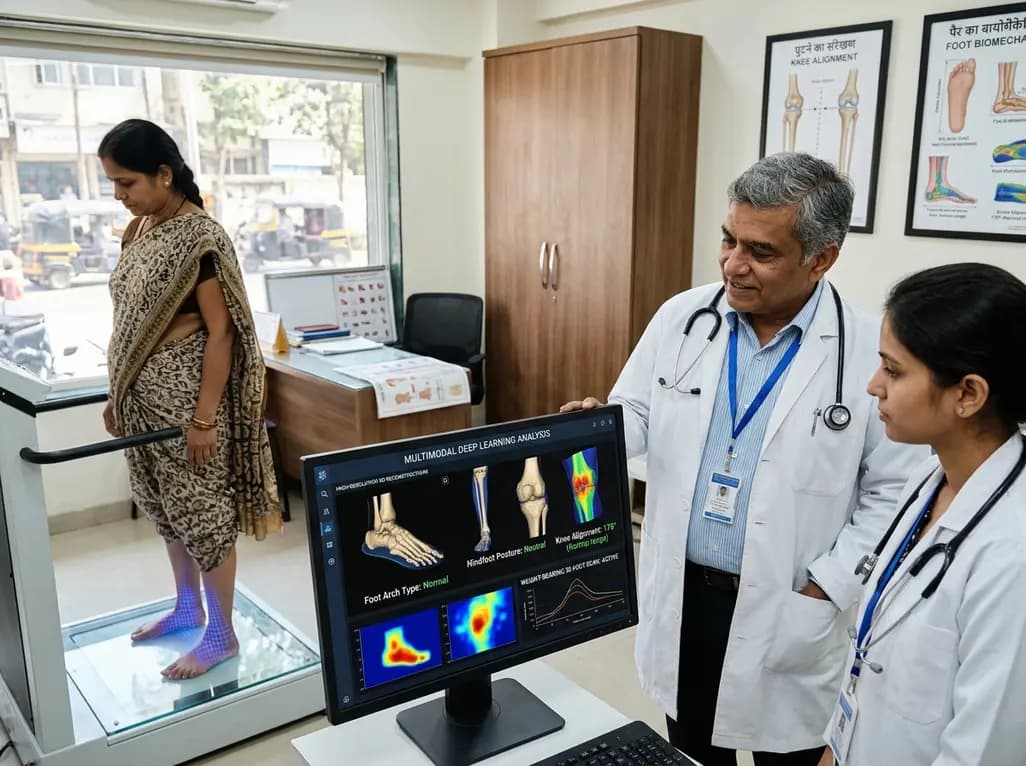
A multimodal deep learning framework utilizing weight-bearing 3D foot scans accurately screens lower-limb alignment, including arch type, hindfoot posture, and knee alignment, offering an accessible, radiation-free alternative to radiography for early biomechanical triage.
Today

A real-world retrospective study demonstrates that combining intravitreal ranibizumab with focal/grid macular laser significantly improves visual acuity and central macular thickness compared to laser monotherapy in patients with center-involved diabetic macular edema.
Today
