.webp&w=384&q=75)

Loading, please wait...
Loading, please wait...

Verapamil can increase serum lithium levels by potentially reducing its renal elimination. This interaction increases the likelihood of lithium-induced organ toxicity, particularly affecting the kidneys and thyroid.
Preclinical studies suggest that NAC may offer renoprotective benefits and help lower serum lithium levels, though human clinical trials are necessary to confirm its efficacy as a protective agent.
Primary markers include significant changes in thyroid hormones (T3 and T4) and thyroid-stimulating hormone (TSH). Long-term lithium use is frequently associated with goiter or hypothyroidism.
Disclaimer: This content is for informational and educational purposes only. It does not constitute medical advice or a substitute for professional healthcare consultation. Always seek the advice of a physician or other qualified health provider with any questions regarding a medical condition. Refer to the latest local and national guidelines for clinical practice.
References
Hareedy MS et al. Effects of Lithium and Verapamil on Thyroid and Kidney Function in Mice: A Preclinical Study. J Appl Toxicol. 2026 Mar 20. doi: 10.1002/jat.70172. PMID: 41862408.
Krysiak R, Okopien B. Potentiation of Endocrine Adverse Effects of Lithium by Enalapril and Verapamil. West Indian Med J. 2014 Dec;63(7):803-6. doi: 10.7727/wimj.2013.192. PMID: 25867572.
Efrati S et al. N-Acetylcysteine Ameliorates Lithium-Induced Renal Failure in Rats. Nephrol Dial Transplant. 2005 Jan;20(1):65-70. doi: 10.1093/ndt/gfh573. PMID: 15546888.

Read summarized clinical updates, watch expert medical content, and earn CME certifications right from your smartphone.
Open your smartphone camera to scan and install.





Recent research examines the impact of verapamil and N-acetylcysteine on lithium levels and toxicity in the thyroid and kidneys, highlighting clinical risks...
7 months ago
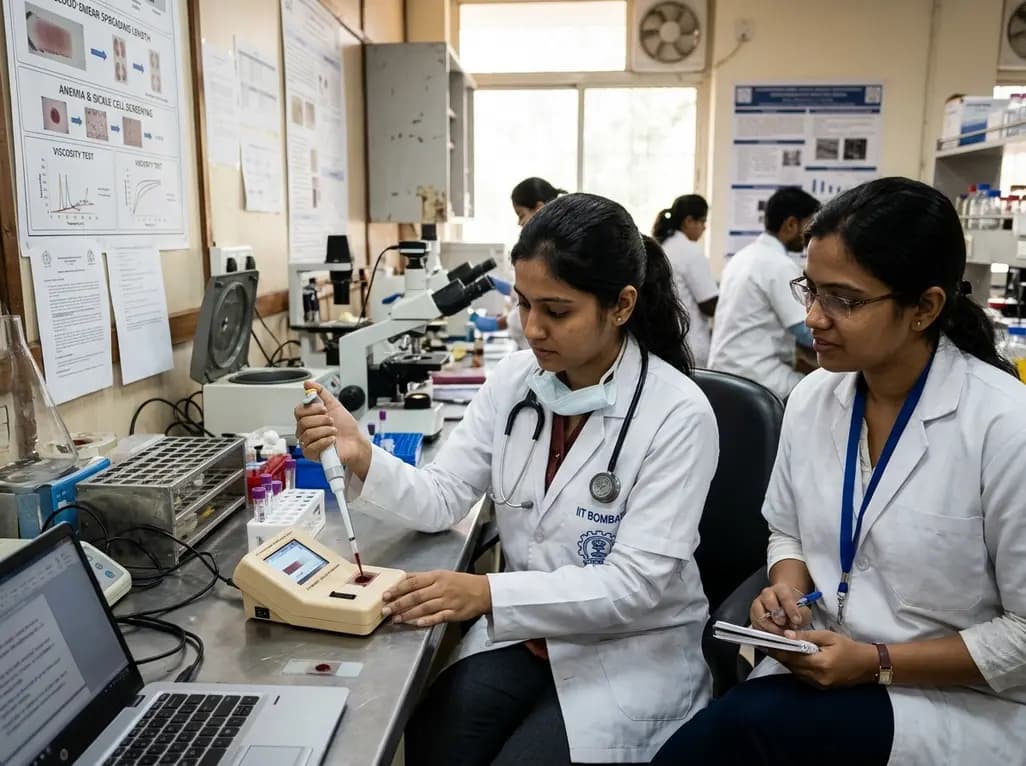
Researchers at IIT Bombay have engineered an automated, cost-effective point-of-care device that diagnoses anaemia and sickle cell disease from a single drop of blood. By measuring blood smear spreading length, this portable tool assesses blood viscosity to offer rapid screening in resource-limited healthcare centers.
Today

A population-based study of 20,928 children reveals that small vulnerable newborns face sex-divergent mental capital outcomes at ages 6-7: term SGA girls show higher behavioral difficulties and lower resilience, while preterm non-SGA boys experience increased behavioral problems.
Today

A breakthrough ultrathin multimodal sensor decouples physical hemodynamic monitoring from disposable electrochemical calibration, achieving long-term wearable glucose prediction with 81.36% accuracy and a 9.12% MARD. This offers a robust, drift-free solution for outpatient metabolic surveillance.
Today

A comparative review of tension band wiring and intramedullary screw fixation in thumb metacarpophalangeal arthrodesis, evaluating union rates, hardware complications, and clinical outcomes.
Today
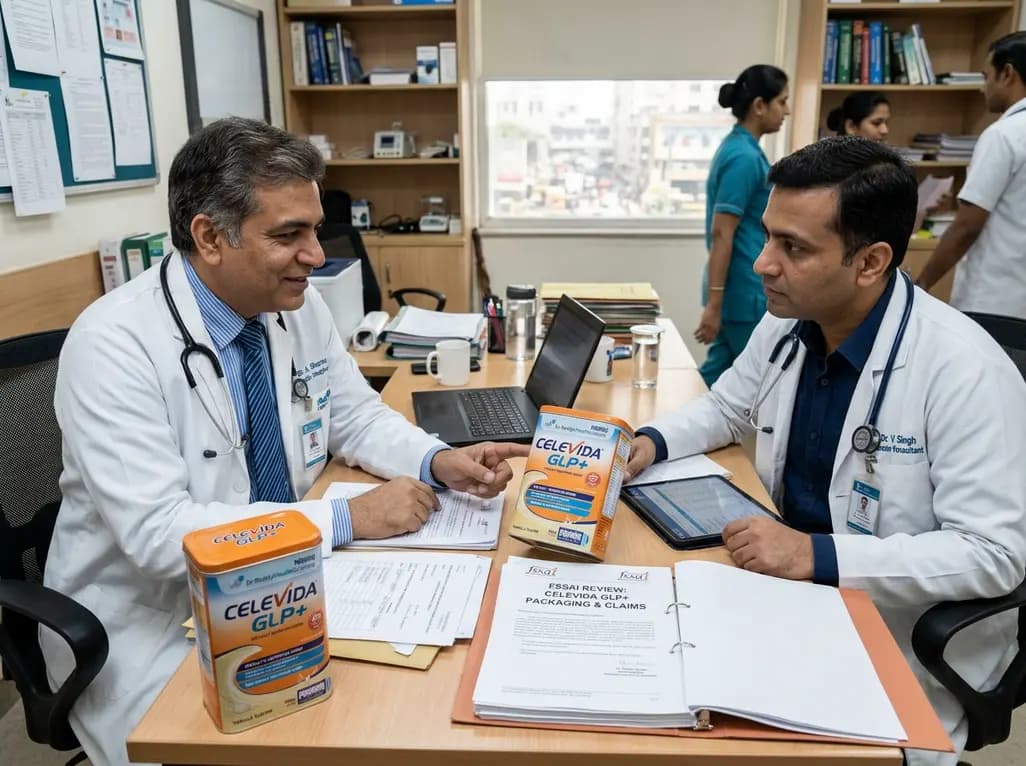
Following regulatory scrutiny from FSSAI regarding promotional representations and lean muscle preservation claims, Dr. Reddy's Laboratories and Nestlé Health Science are currently reviewing the branding and marketing strategy for their joint nutritional supplement Celevida GLP+.
Today
