.webp&w=384&q=75)

Loading, please wait...
Loading, please wait...
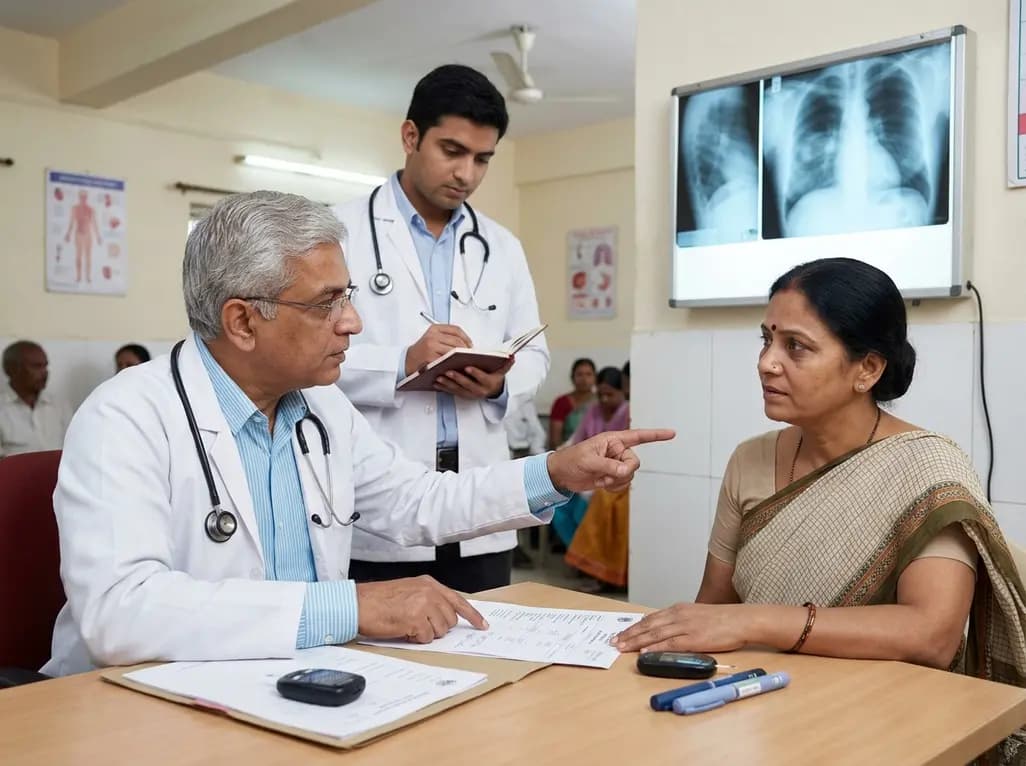
The Diabetes and cancer link represents a significant clinical challenge for healthcare providers today. Accumulating evidence indicates that patients with diabetes face a significantly higher risk of specific malignancies, including breast and colorectal cancers. Because both conditions often share risk factors like obesity and aging, clinicians must understand the underlying biological pathways. Furthermore, integrated management is essential to improve long-term outcomes for these complex patients.
Several pathways explain how metabolic dysfunction fuels tumor growth. Primarily, insulin resistance leads to compensatory hyperinsulinemia. Consequently, this state activates mitogenic pathways like PI3K/AKT/mTOR and MAPK. These signaling cascades promote cellular proliferation and survival. Moreover, hyperglycemia provides the metabolic substrate needed for rapid tumor growth. While the independent role of glucose remains debated, it clearly supports a protumorigenic environment. Additionally, chronic inflammation and altered adipokine secretion from excess body fat further amplify these risks.
Diabetes does not only increase cancer risk but also worsens the overall prognosis. Patients often experience higher mortality rates and more complications during oncology treatments. Therefore, physicians should implement comprehensive screening and risk mitigation strategies. For instance, evaluating the impact of antihyperglycemic therapies is a key part of current research. Ultimately, managing blood glucose effectively might modify tumor progression and enhance patient survival in the long term.
Research consistently links diabetes with an increased risk of liver, pancreatic, endometrial, colorectal, and breast cancers.
High insulin levels stimulate growth signaling pathways and increase the bioavailability of insulin-like growth factors, which encourage cancer cell division and survival.
Disclaimer: This content is for informational and educational purposes only. It does not constitute professional medical advice, diagnosis, or treatment. Always seek the advice of your physician or other qualified health provider with any questions you may have regarding a medical condition. Refer to the latest local and national guidelines for clinical practice.
References

Read summarized clinical updates, watch expert medical content, and earn CME certifications right from your smartphone.
Open your smartphone camera to scan and install.





A deep dive into the epidemiological and pathophysiological evidence linking diabetes to increased cancer risk and worse clinical outcomes....
4 months ago

As monsoon seasons elevate arboviral disease threats, Tamil Nadu has initiated an ICMR-monitored evaluation of the tetravalent dengue vaccine in Tenkasi district. Clinicians emphasize clinical monitoring, public prevention, and high-quality early pediatric care to reduce disease morbidity across endemic regions.
Today

A comparative cohort study evaluates vNOTES vs TLH hysterectomy for benign conditions, demonstrating shorter operative duration, faster return to daily activities, and equivalent female sexual function scores without increased dyspareunia.
Today

Review how tailored exercise programs benefit frail older patients with heart failure. Explore pathophysiological mechanisms, individualized training prescriptions, and strategies to overcome adherence barriers in clinical practice.
Today

This comparative study evaluates posterior labral tears with and without glenohumeral instability, highlighting distinct demographic patterns, MRI underestimation in stable shoulders, and successful arthroscopic repair outcomes.
Yesterday

A clinical study demonstrates that early intervention with tocilizumab, either as monotherapy or bridged with corticosteroids, achieves significant proptosis reduction and resolves active inflammation in treatment-naive thyroid eye disease.
Today
