.webp&w=384&q=75)

Loading, please wait...
Loading, please wait...

Recent qualitative research by Vallerand K et al. highlights the urgent need for better LGBTQ+ sexual health support on university campuses. LGBTQ+ college students frequently experience disproportionate barriers to health. Consequently, researchers interviewed twenty-three undergraduates to understand how campus culture affects their wellness. Notably, the study focused on students aged 18 to 24 at a Midwestern university. This diverse group shared insights on how institutional climate influences their sexual health.
Students identified several factors that facilitate positive outcomes. Visibility of LGBTQ+ staff and students helps create a welcoming environment. Furthermore, open conversations about sexual health make resources feel more accessible. However, significant hurdles remain. Many students cited a lack of inclusive information tailored to their specific identities. Moreover, limited access to culturally competent healthcare providers often discourages students from seeking necessary help. Structural barriers and microaggressions further complicate the clinical landscape for these individuals.
University staff and healthcare providers must address these issues by providing comprehensive and affirming resources. Notably, performative allyship alone does not suffice to bridge the care gap. Instead, institutions must foster a truly inclusive culture that prioritizes student safety. For medical professionals in India, these findings underscore the importance of ongoing LGBTQ+ sensitization and education. Strengthening clinical competence ensures that all young adults receive the equitable care they deserve.
Students often face a lack of inclusive information and limited access to culturally competent healthcare. Additionally, microaggressions and performative allyship on campus create unwelcoming environments that hinder care-seeking behavior.
Higher visibility of LGBTQ+ individuals and open dialogue foster a sense of safety. This visibility encourages students to utilize available resources and discuss their health needs without fear of stigma.
Disclaimer: This content is for informational and educational purposes only. It is not a substitute for professional medical advice, diagnosis, or treatment. Refer to the latest local and national guidelines for clinical practice.
References
Vallerand K et al. Sexual health and campus climate for LGBTQ+ college students. J Am Coll Health. 2026 Apr 28. doi: 10.1080/07448481.2026.2660178. PMID: 42050368.
Mahajan S et al. Readiness of Medical Students and Budding Doctors About the LGBTQ+ Community: A Cross-Sectional Study From India. Cureus. 2024.
Kumar A et al. Sexual Minorities Students in Educational Institutions: Identity and Other Challenges Faced by LGBTQ Individuals. International Journal of Indian Psychology. 2023.

Read summarized clinical updates, watch expert medical content, and earn CME certifications right from your smartphone.
Open your smartphone camera to scan and install.





A qualitative study explores how campus climate and institutional barriers affect sexual health support for LGBTQ+ college students....
5 months ago
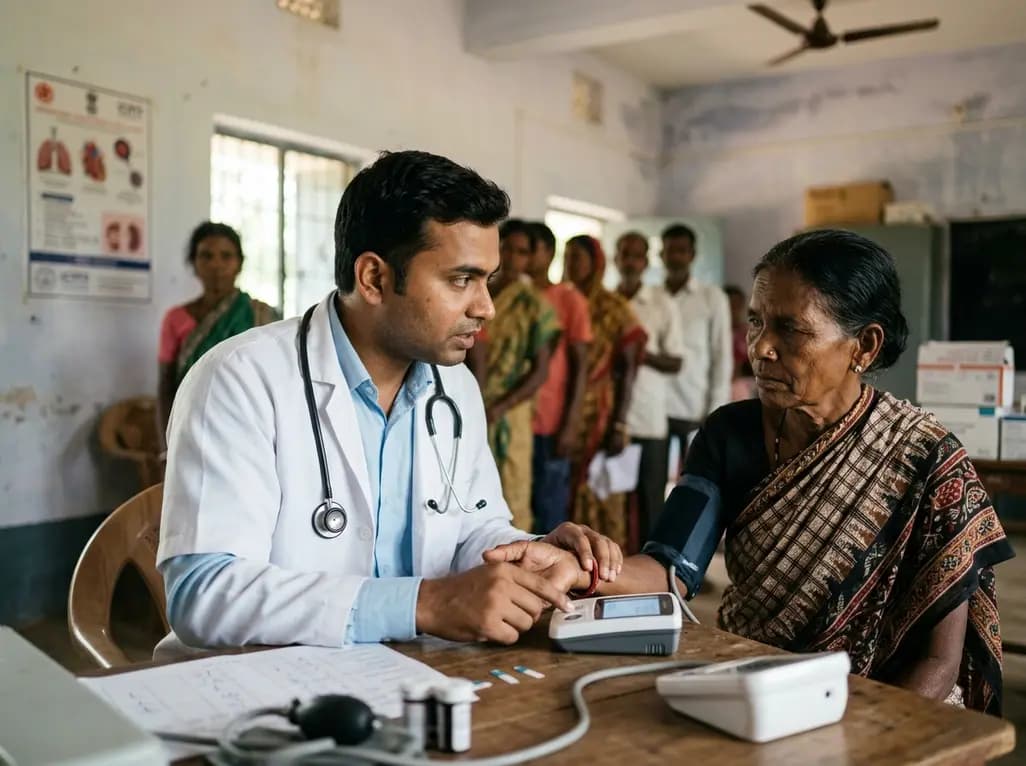
An ICMR study reveals that nearly 25% of tribal adults in Odisha suffer from renal decline. Driven by untreated hypertension, diabetes, and lifestyle risks, this hidden burden highlights the critical need for point-of-care diagnostics, proactive screening, and targeted non-communicable disease interventions.
Today

A study in Ultrasound in Obstetrics & Gynecology shows that quantitative vascularization of the anterior fornix/cervix with transvaginal ultrasound reliably identifies placenta accreta spectrum and predicts severe intraoperative hemorrhage, offering vital objective risk stratification.
Today
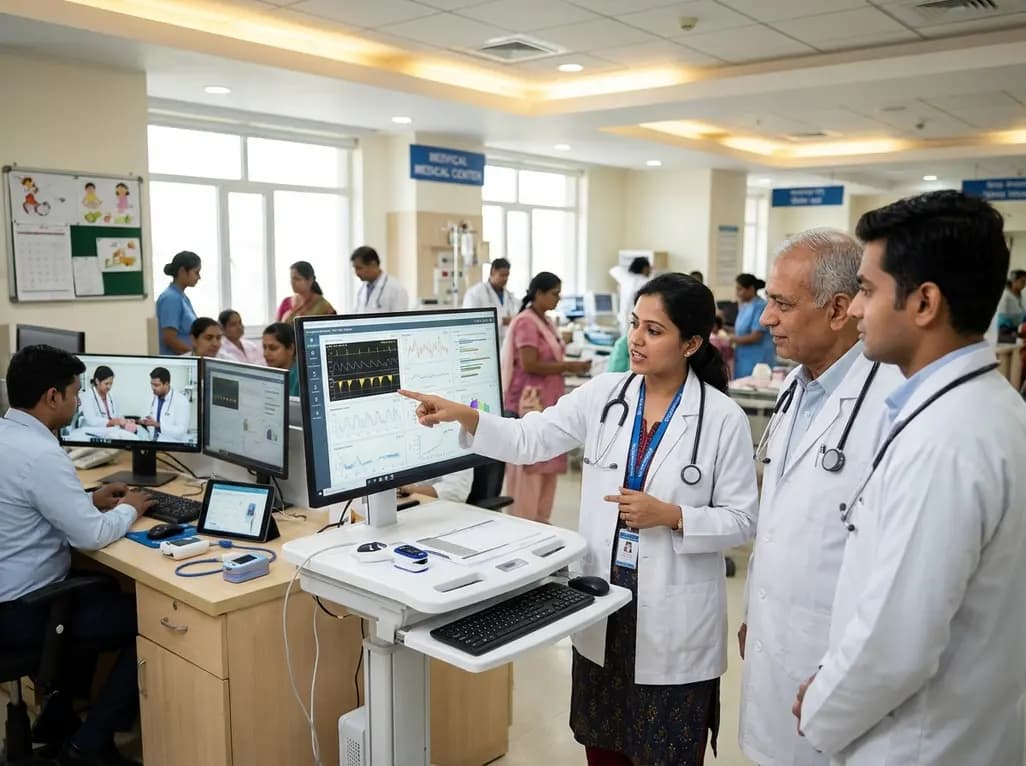
A landmark study details how an enterprise pediatric remote patient management model expanded from a single cardiology pilot to 16 diverse specialty programs by combining centralized digital operations with specialty clinical leadership.
Yesterday
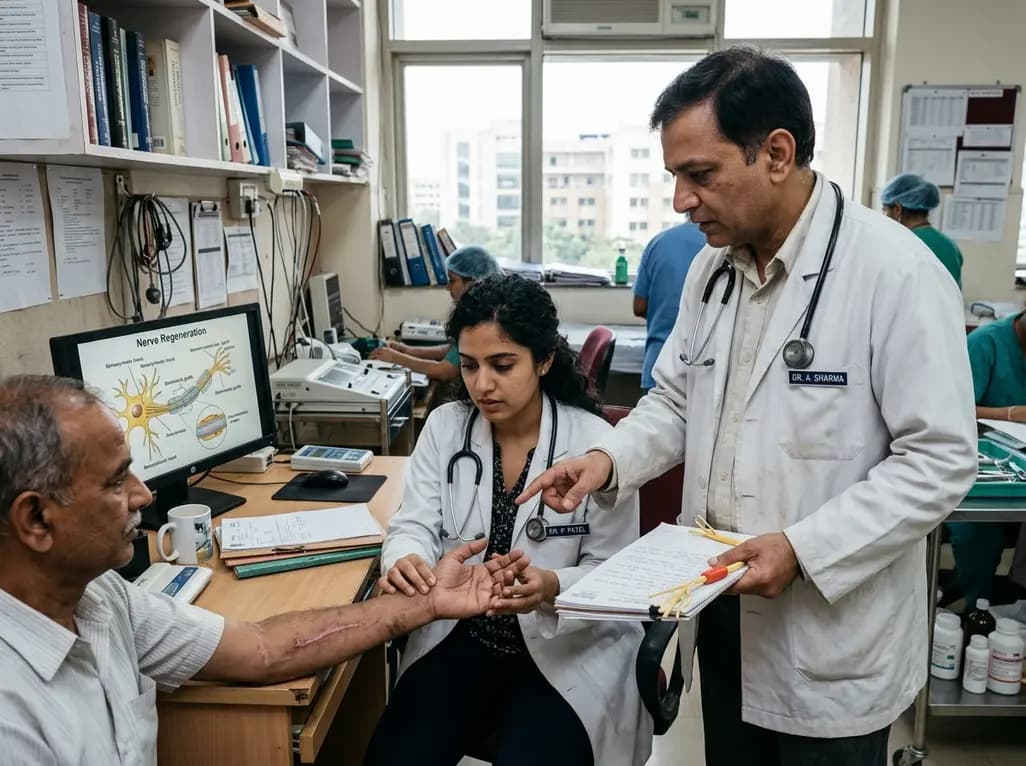
Peripheral nerve injuries present clinical challenges due to regenerative mismatches between sensory and motor neurons. This review explores cutting-edge tissue-engineered nerve grafts designed as central-peripheral signal relays to overcome denervation atrophy and restore functional motor-sensory recovery.
Today
Protein O-GlcNAcylation couples cellular nutrient status to vital neuronal functions. This review explores how disrupted O-GlcNAc cycling drives both neurodevelopmental delays and neurodegenerative cascades, positioning metabolic post-translational modifications as therapeutic targets in clinical neurology.
Today
