.webp&w=384&q=75)

Loading, please wait...
Loading, please wait...
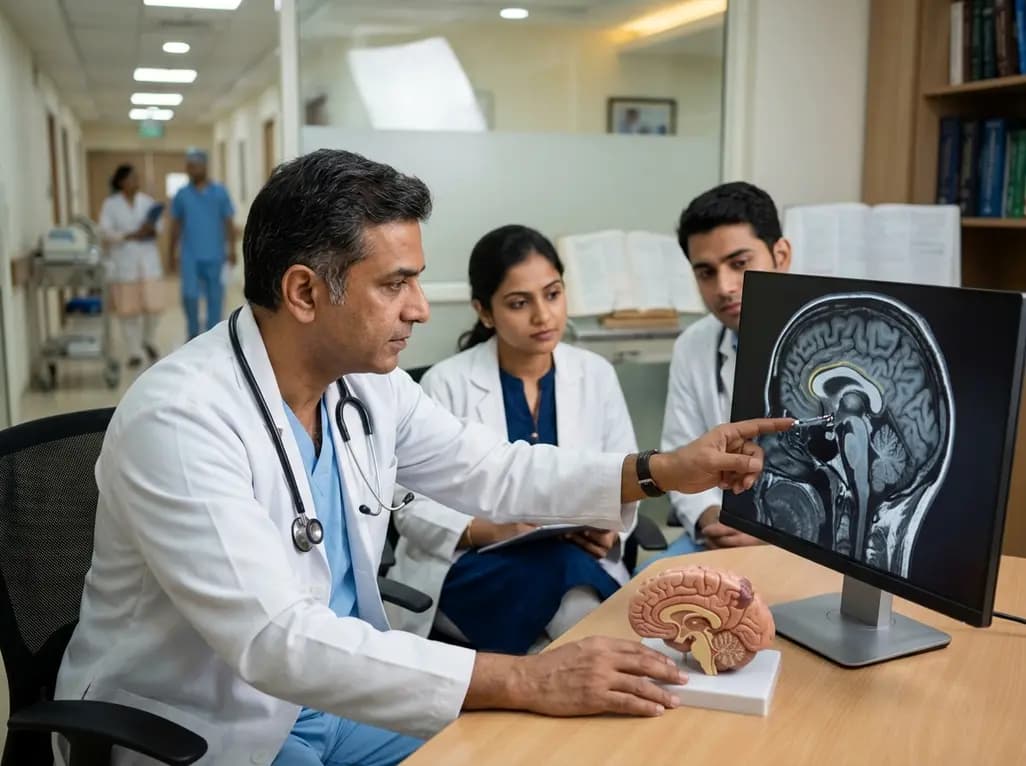
Medically refractory epilepsy poses a profound therapeutic challenge for clinicians worldwide. When antiepileptic drug regimens fail to control generalized or drop-attack seizures, palliative disconnection surgery becomes a primary consideration. Performing a total corpus callosotomy effectively interrupts interhemispheric epileptogenic propagation pathways. Consequently, this intervention substantially reduces the frequency and severity of debilitating atonic seizures. Traditionally, surgeons perform this procedure through an extensive midline or parasagittal craniotomy. However, modern neurosurgical practice consistently prioritizes minimally invasive strategies. Recent clinical investigations demonstrate that performing total corpus callosotomy through a keyhole approach provides comparable seizure freedom while mitigating the surgical morbidity associated with larger open exposures.
Corpus callosotomy serves as a well-established palliative surgical intervention for individuals suffering from medically intractable epilepsy. Specifically, patients presenting with secondary generalized seizures, Lennox-Gastaut syndrome, and sudden drop attacks benefit most from this surgical disconnection. The primary goal of the procedure centers on severing the corpus callosum fibers. By dividing these commissural pathways, clinicians prevent synchronous bilateral seizure propagation across cerebral hemispheres. Therefore, the surgery transforms generalized convulsive episodes into less hazardous focal seizures. While partial anterior callosotomy remains an alternative, total corpus callosotomy offers superior seizure control rates, particularly for drop attacks. Historically, achieving complete visualization of the rostrum, genu, body, and splenium necessitated a broad surgical corridor. However, extensive cranial exposures often correlate with significant tissue retraction, blood loss, and protracted recovery periods. As neuroimaging and microneurosurgical visualization evolve, surgeons can now achieve complete anatomical disconnection through targeted, minimally invasive pathways.
The traditional approach requires an extensive linear or horseshoe scalp incision alongside a wide parasagittal craniotomy. This large exposure facilitates direct visualization along the interhemispheric fissure. Nevertheless, it elevates the risk of venous injury, particularly to bridging veins draining into the superior sagittal sinus. In contrast, the keyhole technique employs a substantially smaller straight skin incision and a compact bone window. Surgeons carefully select the surgical trajectory based on high-resolution preoperative magnetic resonance imaging. By analyzing parasagittal venous anatomy on T2-weighted and venographic sequences, the surgical team plans an entry vector that avoids major cortical bridging veins. Utilizing specialized angled micro-instruments, high-definition operating microscopes, or neuroendoscopic visualization, the surgeon navigates the anterior interhemispheric fissure. Once inside the corridor, the team visualizes the pericallosal arteries and performs the callosal division sequentially from the genu and rostrum through to the splenium without requiring extensive cortical retraction.
Recent comparative retrospective data demonstrate notable perioperative advantages for the keyhole technique. When evaluating surgical duration, the keyhole approach demonstrates a significantly shorter operative time compared to conventional craniotomy. Reduced surgical duration directly lessens anesthetic exposure and associated physiological stress. Furthermore, intraoperative blood loss decreases markedly in keyhole procedures because smaller incisions minimize soft tissue disruption and vascular exposure. Patients undergoing keyhole surgery also experience significantly shorter postoperative hospital stays. Importantly, these clinical benefits occur without compromising the overall extent of callosal resection. The incidence of postoperative adverse events, such as persistent fever, wound complications, and subcutaneous fluid collections, decreases notably in the keyhole cohort. Consequently, smaller cranial windows preserve anatomical integrity while accelerating physiological recovery.
The therapeutic value of any palliative epilepsy surgery depends on its ability to reduce disabling seizure burden. Comparative analyses indicate that the keyhole approach achieves seizure control rates that are equivalent to traditional open surgery. Patients in both cohorts demonstrate comparable reductions in drop attack frequency and generalized tonic-clonic episodes. Postoperative electroencephalography and structural neuroimaging confirm that targeted keyhole corridors allow complete callosal transection across all anatomical subregions. Additionally, the risk of neurological disconnection syndromes remains tied to the extent of callosal division rather than the size of the initial craniotomy. Because the keyhole technique preserves surrounding cortical architecture and prevents extensive venous sacrifice, patients rarely develop secondary ischemic or venous infarction complications. Thus, keyhole total callosotomy delivers the full therapeutic benefit of hemispheric disconnection alongside an improved safety profile.
In developing healthcare settings, maximizing clinical outcomes while minimizing inpatient resource utilization represents a crucial objective. For neurosurgical centers in India managing high volumes of medically refractory epilepsy, adopting keyhole callosotomy techniques offers clear institutional and patient benefits. Shorter operative durations optimize operating theater throughput and reduce anesthetic requirements. Moreover, lower complication rates and abbreviated hospital stays diminish overall treatment costs for families and tertiary hospitals alike. Successfully implementing this technique requires meticulous preoperative planning, advanced neuronavigation capabilities, and refined microneurosurgical training. Multidisciplinary comprehensive epilepsy teams, comprising epileptologists, neurosurgeons, and neurophysiologists, must collaborate closely to identify ideal candidates. As specialized centers refine minimally invasive callosotomy protocols, keyhole approaches can expand access to safe, curative, and palliative epilepsy care across diverse demographic settings.
Clinicians recommend this procedure primarily for patients with medically refractory epilepsy who suffer from generalized drop attacks or secondary bilateral synchrony, such as in Lennox-Gastaut syndrome. It functions as a palliative intervention to reduce traumatic falls and seizure generalization when resective surgery is not feasible.
Surgeons utilize precise preoperative trajectory planning with neuroimaging alongside angled micro-instruments and advanced neuroendoscopic illumination. This specialized setup permits complete anatomical access from the rostrum to the splenium through a compact craniotomy without requiring wide bony exposure or forceful brain retraction.
Yes, robust comparative studies show that keyhole callosotomy achieves seizure control rates not inferior to traditional open approaches. The therapeutic efficacy depends entirely on achieving complete callosal fiber division, which surgeons accomplish successfully through both surgical corridors.
Disclaimer: This content is for informational and educational purposes only and is not intended to serve as medical advice, diagnosis, or treatment. Healthcare professionals must use their independent clinical judgment when evaluating medical literature and making clinical decisions. Refer to the latest local and national guidelines for clinical practice.
References

Read summarized clinical updates, watch expert medical content, and earn CME certifications right from your smartphone.
Open your smartphone camera to scan and install.





A comparative study demonstrates that a keyhole approach for total corpus callosotomy provides equivalent seizure control to traditional open surgery while significantly reducing surgical duration, blood loss, hospital stays, and postoperative complications in drug-resistant epilepsy.
last month
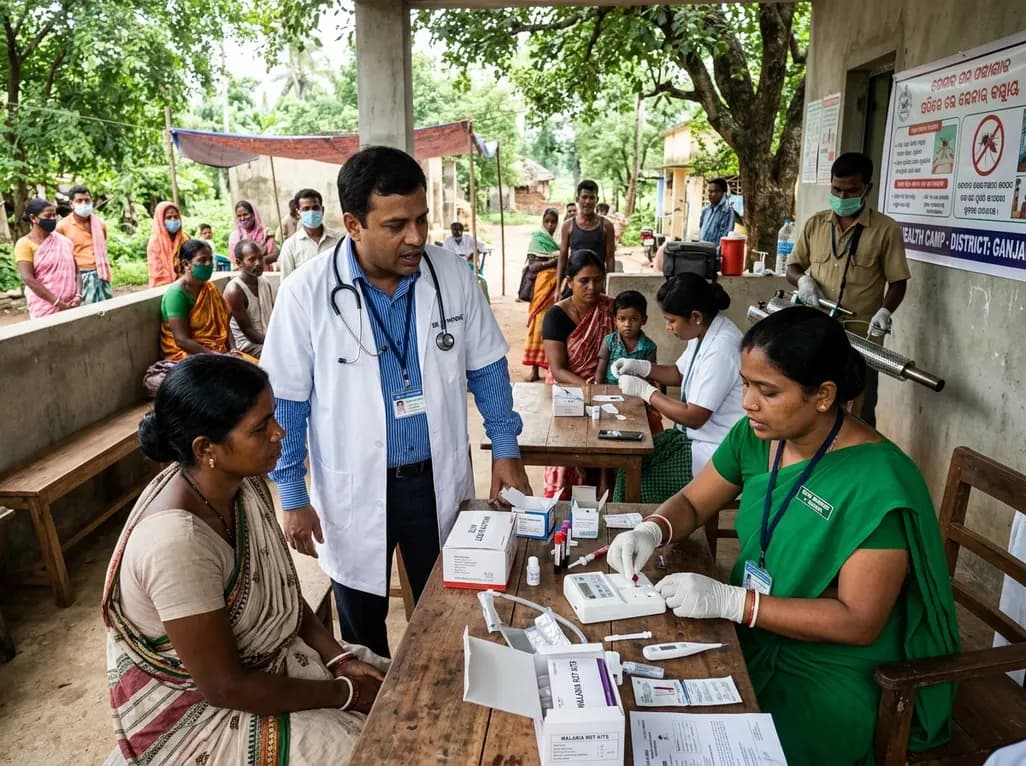
Following 37,899 reported cases and 9 deaths, Odisha has scaled up active case detection, rapid diagnostic testing, and vector control across high-burden districts. Here is a comprehensive clinical breakdown of the state's aggressive containment protocols, diagnostic pathways, and targeted field management.
Today
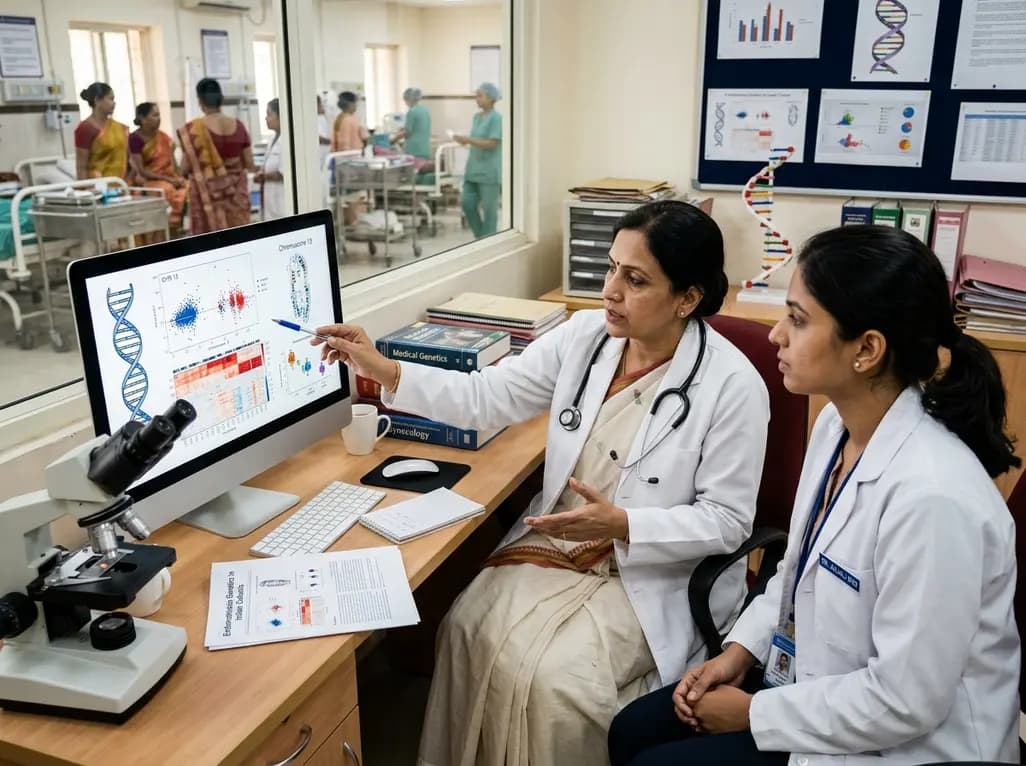
Endometriosis affects millions of women across India, yet diagnostic delays frequently exceed five years. Recent multi-centre genomic research has identified 21 novel genetic regions, notably on chromosome 13, establishing crucial population-specific insights to transform clinical screening and therapeutic strategies.
Today
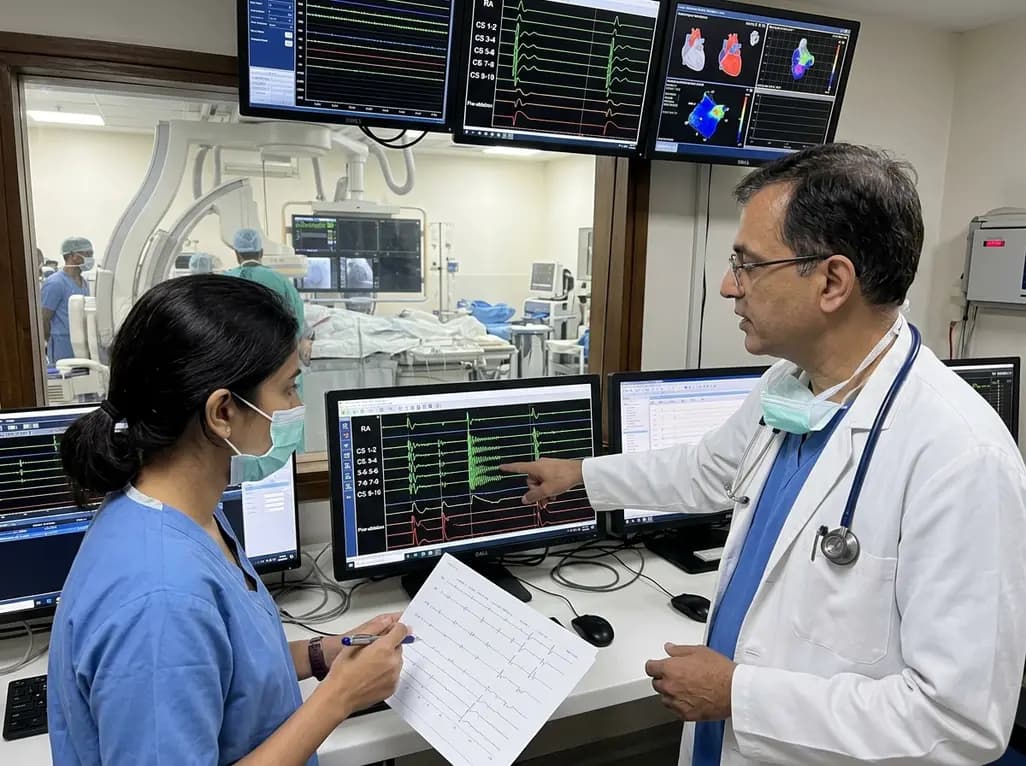
Radiofrequency catheter ablation of the cavotricuspid isthmus successfully terminates typical atrial flutter. This article reviews the mechanisms driving coronary sinus electrogram changes, wavefront activation pathways, and clinical criteria to verify bidirectional block during electrophysiology studies.
Today

A study comparing four knee flexion strength tests after ACL reconstruction using hamstring tendon autografts reveals marked variability in limb symmetry indices. Clinicians must recognize that different strength testing modalities yield divergent return-to-sport clearance rates.
Today

Discover how to identify superimposed entrapment neuropathy in diabetic patients. This review details clinical evaluation, surgical decompression evidence, and a structured algorithm for primary care referrals to prevent ulcers and preserve limb function.
Yesterday
