.webp&w=384&q=75)

Loading, please wait...
Loading, please wait...

The Kerala State Disaster Management Authority (KSDMA) recently recorded elevated ultraviolet radiation levels across several districts. This Kerala UV index safety alert highlights critical health risks associated with tropical climate shifts. Specifically, prolonged exposure to high UV rays can lead to acute sunburn and various skin diseases. Furthermore, ophthalmological conditions such as cataracts and photokeratitis often arise from unprotected sun exposure. Authorities noted that clear skies and high-altitude locations typically amplify these environmental hazards.
To mitigate these health risks, the public must adopt specific preventive behaviors. For instance, individuals should avoid direct sunlight during the peak intensity hours between 10 am and 3 pm. Moreover, utilizing protective equipment like umbrellas, wide-brimmed hats, and sunglasses is essential. Wearing cotton clothing that fully covers the body can also provide a significant barrier against harmful rays. In addition, taking frequent rest breaks in shaded areas helps prevent thermal stress.
Notably, regions near water bodies or sandy surfaces experience intensified UV exposure due to surface reflection. Therefore, water transport workers and fishermen must exercise extreme caution. Similarly, tourists and outdoor laborers should strictly follow these safety guidelines to avoid long-term health complications.
Certain populations require heightened vigilance during periods of high UV intensity. This group includes individuals with albinism, cancer patients, and those with weakened immunity. Consequently, healthcare providers should proactively counsel patients regarding skin protection. Additionally, bike riders and those with pre-existing eye ailments must utilize appropriate UV-rated eyewear. Ensuring public awareness of these risks is vital for maintaining community health standards during extreme weather events.
Q1: What UV index levels triggered the current orange alert in Kerala?
KSDMA issued an orange alert for regions recording a UV index above 8. This includes districts like Kollam, Pathanamthitta, Alappuzha, Kottayam, and Idukki.
Q2: Why are UV levels higher near water and sandy areas?
Water bodies and sandy surfaces reflect ultraviolet rays rather than absorbing them. This reflection increases the overall intensity of radiation reaching an individual in those environments.
Q3: What are the primary clinical risks of prolonged UV exposure?
Prolonged exposure can lead to sunburn, chronic skin diseases, and significant eye ailments. Furthermore, it can aggravate conditions in individuals with compromised immune systems.
Disclaimer: This content is for informational and educational purposes only. It does not constitute medical advice or replace professional judgment. Refer to the latest local and national guidelines for clinical practice.
References

Read summarized clinical updates, watch expert medical content, and earn CME certifications right from your smartphone.
Open your smartphone camera to scan and install.





KSDMA issues a high UV index alert for Kerala. Explore the health risks of sun exposure and recommended safety measures for outdoor workers and the public....
5 months ago
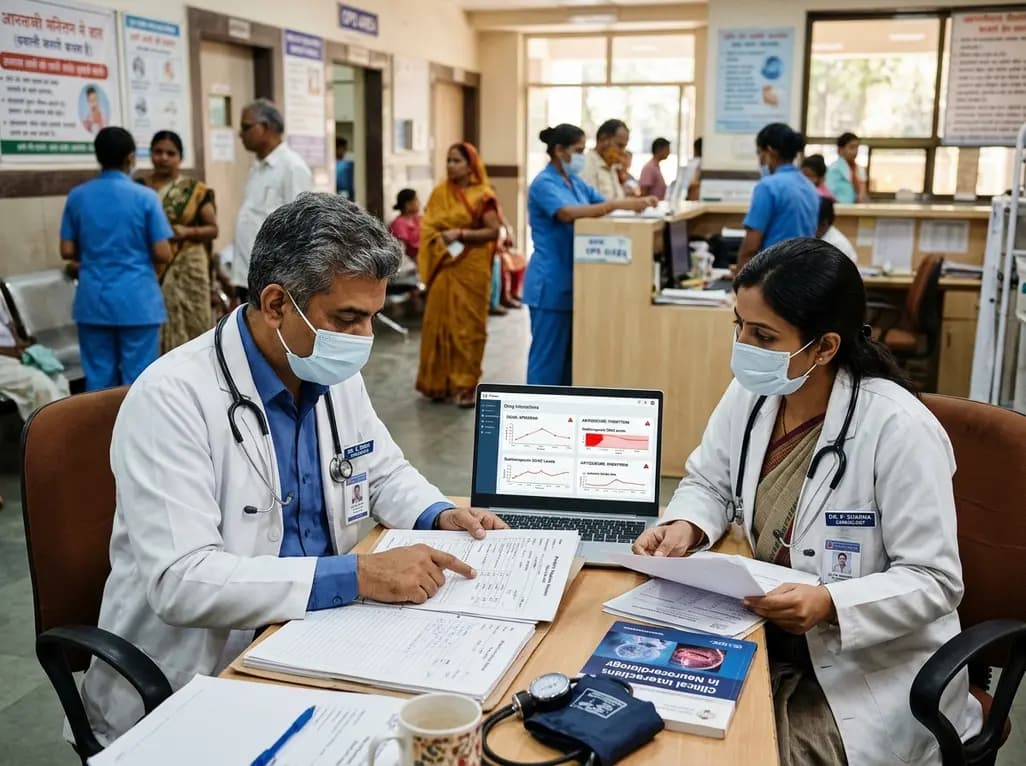
Co-administering antiseizure medications and DOACs frequently causes pharmacokinetic interactions, subtherapeutic drug levels, and thromboembolic failures. This review highlights enzyme induction risks, unpredictable outcomes with levetiracetam, and the vital role of therapeutic drug monitoring.
Today
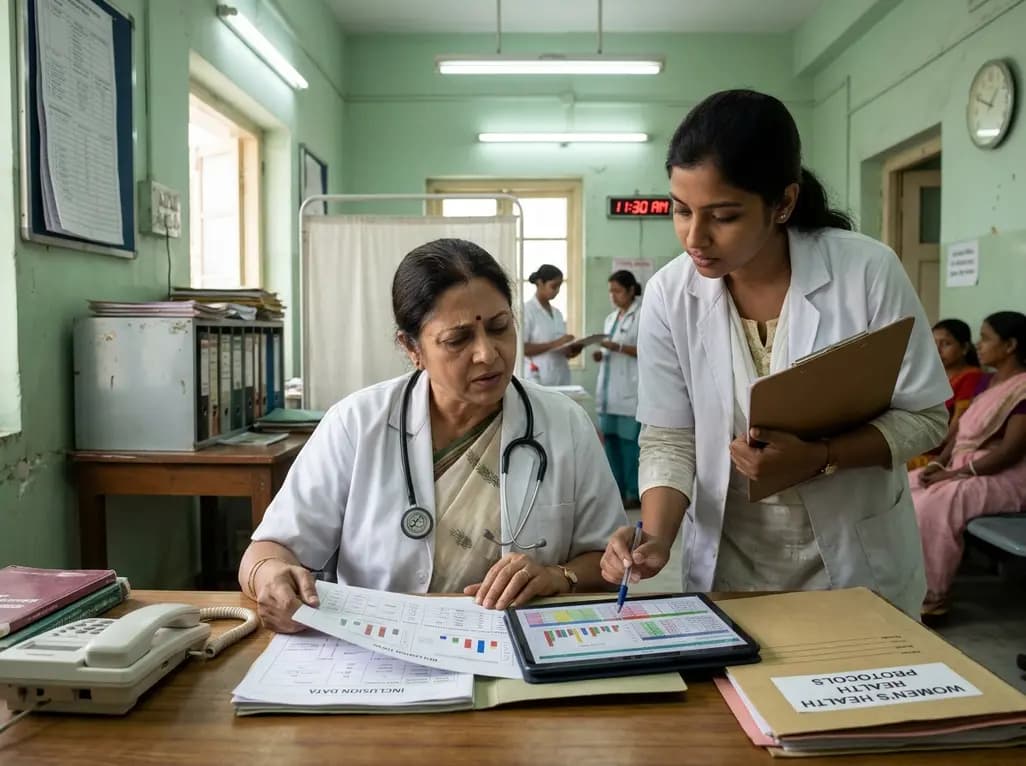
Demanding exhaustive hormonal profiling can inadvertently discourage clinical studies involving females. Methodological standards must align with the specific scientific question to expand, not restrict, equitable evidence for women.
Today
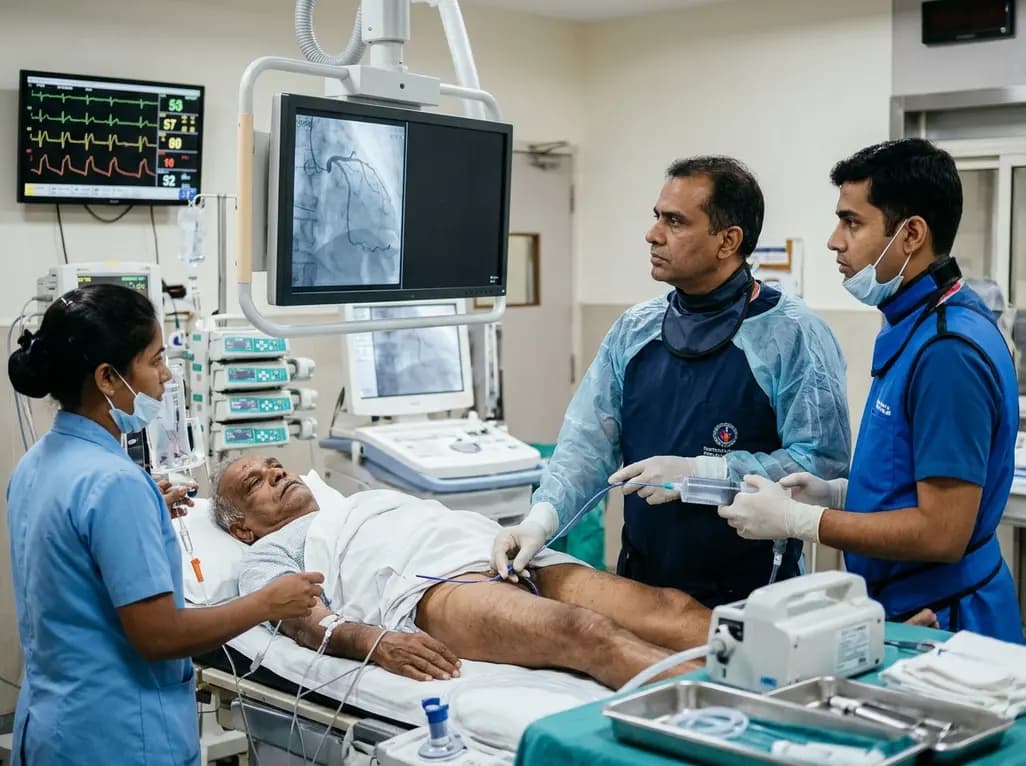
An elderly man with partially repaired Tetralogy of Fallot presented with STEMI caused by coronary embolism rather than atherosclerosis. Successful treatment with sustained mechanical aspiration thrombectomy underscores the vital need for high clinical vigilance in adult congenital heart disease.
Today

A comparative review of tension band wiring and intramedullary screw fixation in thumb metacarpophalangeal arthrodesis, evaluating union rates, hardware complications, and clinical outcomes.
Today

Following regulatory scrutiny from FSSAI regarding promotional representations and lean muscle preservation claims, Dr. Reddy's Laboratories and Nestlé Health Science are currently reviewing the branding and marketing strategy for their joint nutritional supplement Celevida GLP+.
Today
