

Loading, please wait...
Loading, please wait...
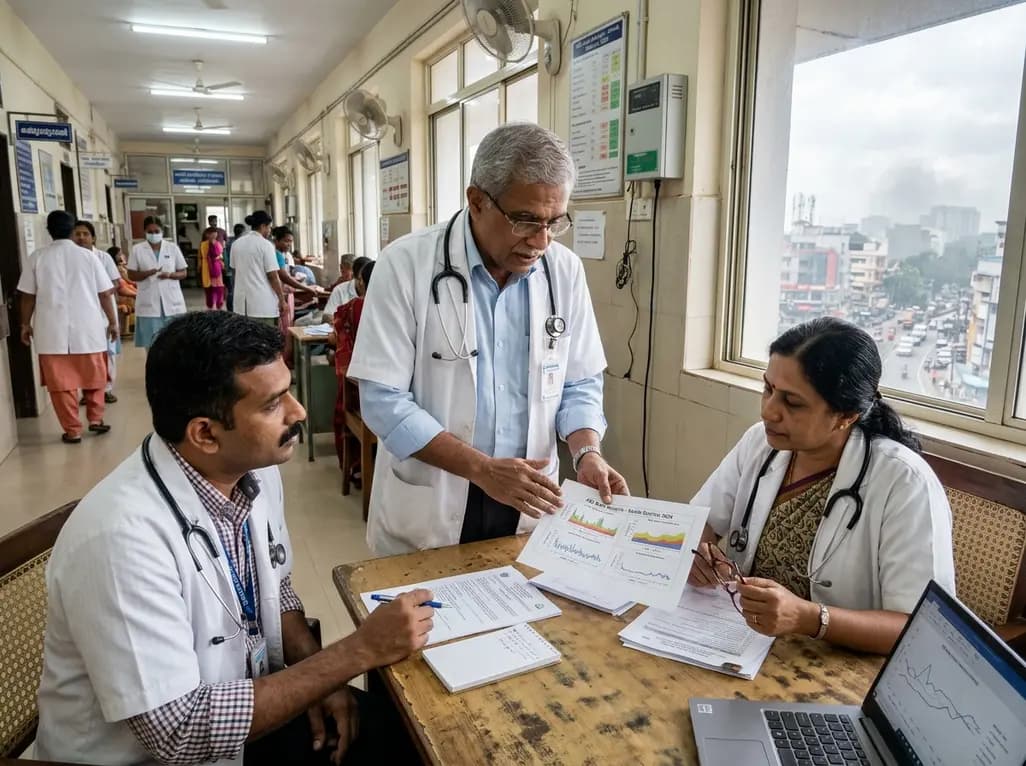
Recently, Kerala initiated vital regulatory action to evaluate environmental health risks across its primary metropolitan hubs. Chief Minister VD Satheesan announced a three-member expert committee to evaluate atmospheric pollution levels in Kochi and Thiruvananthapuram. Specifically, this initiative prioritizes standardized urban air quality monitoring to eliminate growing public confusion regarding conflicting pollution indices. Furthermore, the panel will investigate major discrepancies in reported readings and examine historical environmental patterns spanning the past five years. In addition, the state aims to establish a transparent, unified public reporting architecture. Consequently, medical professionals across South India welcome this intervention, as ambient atmospheric degradation poses severe risks to cardiopulmonary wellness. By addressing data incongruities, the state government also hopes to empower healthcare facilities with validated environmental metrics. Therefore, clinicians can better anticipate seasonal patient surges and provide targeted preventative advice to susceptible demographics.
The newly constituted expert committee brings together specialized technical leadership from reputable environmental research bodies. Specifically, the chairperson of the Kerala State Pollution Control Board will convene the three-member committee. Other distinguished members include Suresh Ramasubramanian Iyer from The Energy and Resources Institute, and Dr George K Varghese from NIT Calicut. Moreover, the state leadership has instructed this panel to complete its comprehensive investigation within two weeks. Their primary mandate involves standardizing environmental tracking protocols across both municipal jurisdictions. Over recent years, conflicting measurements between official regulatory stations and private sensor networks have triggered intense public debate. While regulatory portals frequently reported moderate air conditions, private commercial apps often displayed poor or severe pollution grades. Consequently, these conflicting outputs created considerable anxiety among citizens and clinical practitioners. The panel must therefore evaluate existing monitoring infrastructure and recommend an authoritative benchmark for all future state reporting. Additionally, standardizing these metrics will assist municipal administrators in implementing timely regulatory curbs during episodic pollution spikes.
Discrepancies in ambient air measurements often stem from differences in sensor technology, geographic placement, and mathematical calculation models. For instance, commercial consumer monitors frequently employ low-cost optical particulate sensors that react sensitively to elevated coastal humidity. In contrast, official regulatory stations utilize gravimetric instruments and reference-grade Continuous Ambient Air Quality Monitoring Systems that adhere to strict national validation standards. Furthermore, private networks may calculate Air Quality Index scores using foreign mathematical algorithms rather than India's National Air Quality Index framework. Consequently, parallel platforms publish drastically diverging values for identical geographical zones on the very same day. Such variations confuse primary care doctors who rely on ambient data to evaluate clinical flare-ups. The expert panel will therefore examine multi-year environmental registries to delineate seasonal, geographical, and meteorological influences on recorded numbers. Furthermore, the committee will evaluate how atmospheric boundary layer shifts and coastal sea breezes alter pollutant concentrations. Ultimately, delivering an authoritative reporting standard will restore clinical and public confidence in state environmental tracking.
Rapid urban expansion in Kochi and Thiruvananthapuram has introduced diverse emission sources that challenge coastal air quality. Therefore, the investigative committee will systematically assess the primary contributors to ambient pollution over the last five years. Heavy vehicular traffic and congestion along major transit corridors generate substantial volumes of respirable particles and toxic gases. In addition, extensive infrastructure construction produces immense quantities of fugitive road dust and airborne mineral particulates. Unregulated open waste combustion remains another hazardous contributor, releasing carcinogenic dioxins, furans, and fine carbon aerosols directly into residential communities. Furthermore, both urban centers host significant maritime port operations and bustling international airport activities that emit concentrated industrial pollutants. The unique coastal topography of Kerala also interacts dynamically with these localized emissions. During specific winter intervals, nocturnal temperature inversions trap low-altitude pollutants, which delays their dispersion. Consequently, the committee must design both immediate mitigation tactics and durable long-term strategies. Additionally, evidence-based source identification enables civic authorities to address localized emission hotspots effectively.
For healthcare providers, fluctuating air quality presents direct clinical challenges across multiple therapeutic areas. Respirable particulate matter, particularly fine particles under 2.5 microns, bypasses natural upper airway filtration barriers and penetrates deep alveoli. Consequently, these microscopic particles trigger localized pulmonary inflammation, impair macrophage clearing, and exacerbate preexisting chronic obstructive pulmonary disease and bronchial asthma. Furthermore, ultra-fine particulates can translocate directly across the alveolar-capillary membrane into systemic circulation. Once in the bloodstream, they induce systemic oxidative stress, endothelial dysfunction, and accelerated arterial atherogenesis. Epidemiological evidence in India underscores that severe air pollution significantly elevates premature mortality from acute myocardial infarction and ischemic stroke. Moreover, sustained exposure destabilizes glycemic control in diabetic individuals and elevates resting arterial blood pressure. Therefore, Indian physicians must recognize ambient pollution as an independent, modifiable cardiovascular risk factor. In addition, clinicians frequently witness spike-related admissions for acute bronchitis, refractory wheezing, and allergic rhinosinusitis.
Certain patient cohorts face heightened clinical vulnerability when urban atmospheric pollution worsens. For example, pediatric patients exhibit immature respiratory epithelium and higher minute ventilation rates, which increases their relative toxin uptake. Similarly, elderly individuals with chronic cardiopulmonary deficits experience higher rates of hospital readmission during pollution spikes. Furthermore, pregnant women exposed to elevated fine particulate matter face greater risks of intrauterine growth restriction and preterm labor. To protect these susceptible groups, the state committee will recommend a comprehensive public communication protocol. Specifically, this framework will feature accessible real-time display boards and automated medical advisory warnings. Healthcare facilities can then leverage these transparent updates to distribute timely preventative guidance. Additionally, clinicians should advise vulnerable patients to remain indoors during peak traffic hours, avoid strenuous outdoor cardiovascular exertion, and utilize certified N95 respirators if transit is mandatory. Consequently, transparent municipal notifications will directly reduce preventable emergency room visits and protect community health.
Q1: Why are there discrepancies in Air Quality Index readings reported across different platforms in Kerala?
Discrepancies arise primarily because different monitoring bodies utilize distinct sensor technologies, calibration protocols, and calculation formulas. While official state regulatory boards employ standardized gravimetric instruments and reference-grade continuous monitors, private platforms often rely on low-cost optical sensors. Furthermore, elevated coastal humidity in Kochi and Thiruvananthapuram can distort optical sensor readings. In addition, some commercial applications calculate metrics using international standards rather than India's National Air Quality Index framework, leading to conflicting data.
Q2: How does elevated particulate matter exposure specifically affect patients with cardiovascular disease?
Inhaled fine particulate matter penetrates deep into pulmonary alveoli and translocates directly into the bloodstream. Once in circulation, these microscopic pollutants induce systemic oxidative stress, systemic inflammation, and endothelial dysfunction. Consequently, this inflammatory cascade accelerates arterial atherogenesis, destabilizes existing vulnerable vascular plaques, and promotes acute platelet aggregation. For individuals with underlying coronary artery disease, sustained exposure significantly increases the clinical risk of acute myocardial infarction, malignant cardiac arrhythmias, severe hypertensive episodes, and ischemic stroke.
Q3: What clinical precautions should physicians advise for high-risk patients during severe pollution spikes?
Clinicians should advise vulnerable patients to limit strenuous outdoor physical exertion when air quality indexes decline into unhealthy categories. Patients should reschedule outdoor exercise routines to indoor settings with proper air filtration. Furthermore, high-risk individuals must strictly maintain their prescribed controller inhaler regimens or cardiovascular medications. If outdoor transit is unavoidable, wearing well-fitted N95 respirators provides substantial protection against fine particles. Additionally, patients should keep household windows closed during peak morning traffic hours.
Disclaimer: This content is for informational and educational purposes only. It does not constitute medical advice or replace professional judgment. Refer to the latest local and national guidelines for clinical practice.
References

Read summarized clinical updates, watch expert medical content, and earn CME certifications right from your smartphone.
Open your smartphone camera to scan and install.





The Kerala government has instituted a three-member expert committee to resolve conflicting AQI data across Kochi and Thiruvananthapuram. The panel will investigate major pollution drivers and formulate an authoritative reporting standard to bolster clinical preparedness and public health advisories across the state.
Today
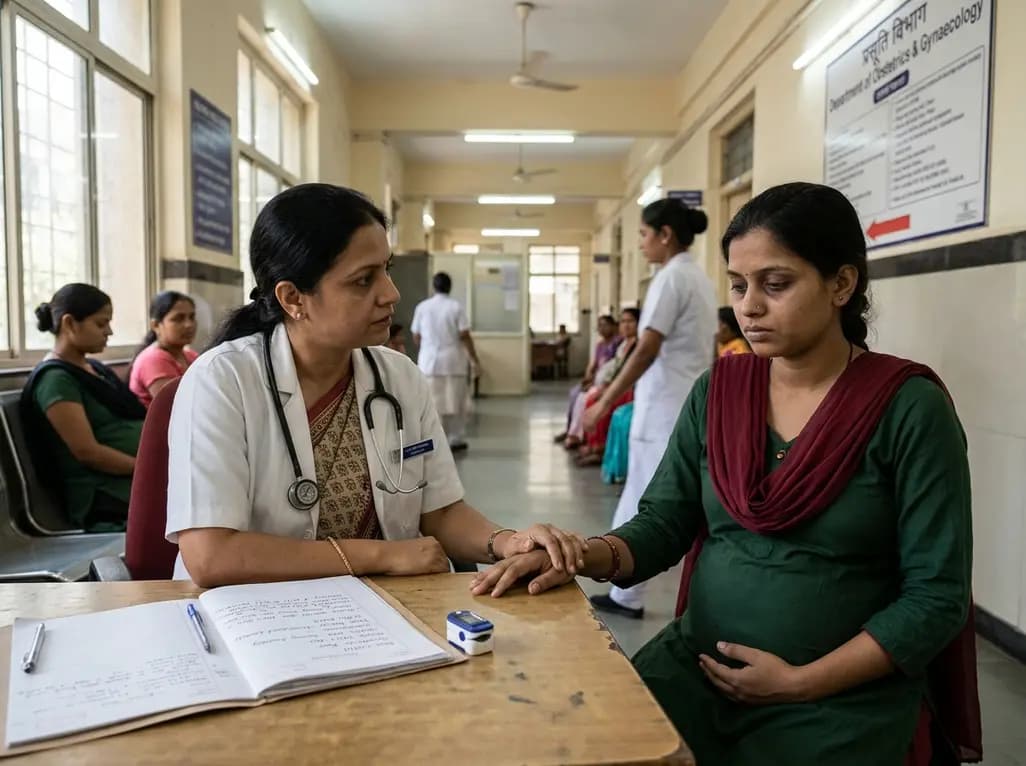
A matched cross-sectional study shows prior COVID-19 infection significantly increases maternal sleep disturbances, shortens sleep duration, and elevates psychological symptoms in pregnant women compared to uninfected peers, underscoring the urgent need for structured antenatal screening and support.
Today

A cross-sectional study of 948 police officers reveals an active-but-sedentary pattern. While 84.4% met WHO activity guidelines, 31.9% sat for ≥6 hours daily. Operational roles had lower sedentary odds, whereas desk assignments heightened sitting risks, emphasizing role-specific occupational health interventions.
Today
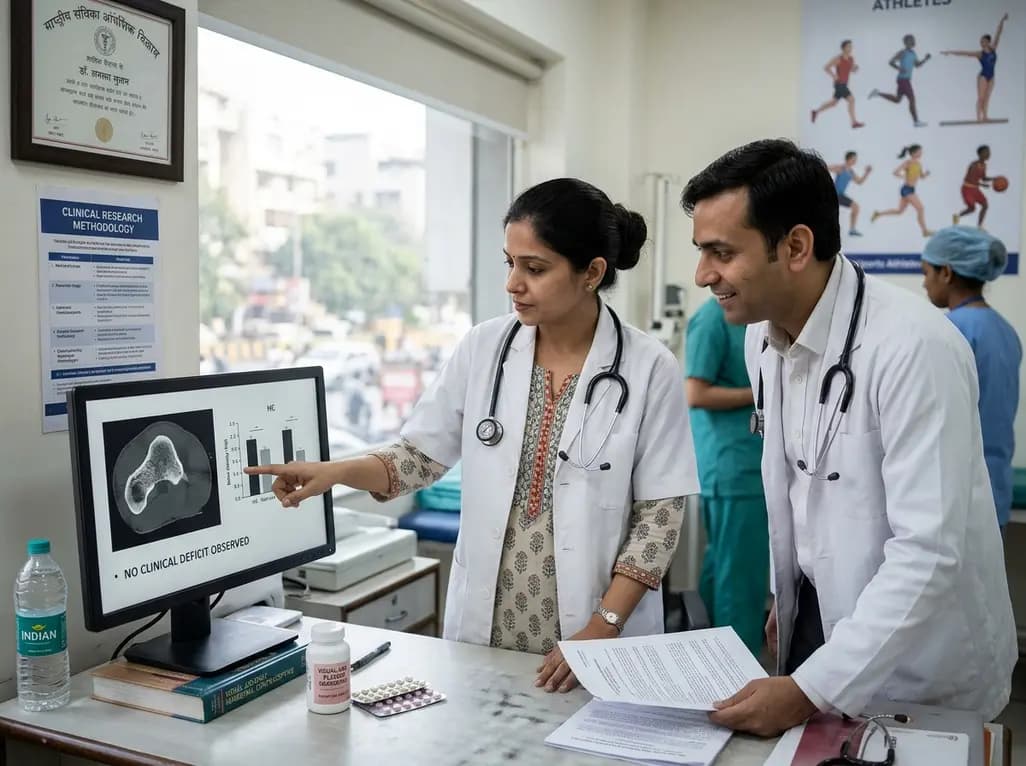
A recent Canadian study evaluates the relationship between hormonal contraceptive use, sport discipline, and volumetric bone density in elite female athletes. Using HR-pQCT, researchers found no clinically meaningful deficits, offering reassuring evidence for sports medicine and gynecology clinicians.
Today
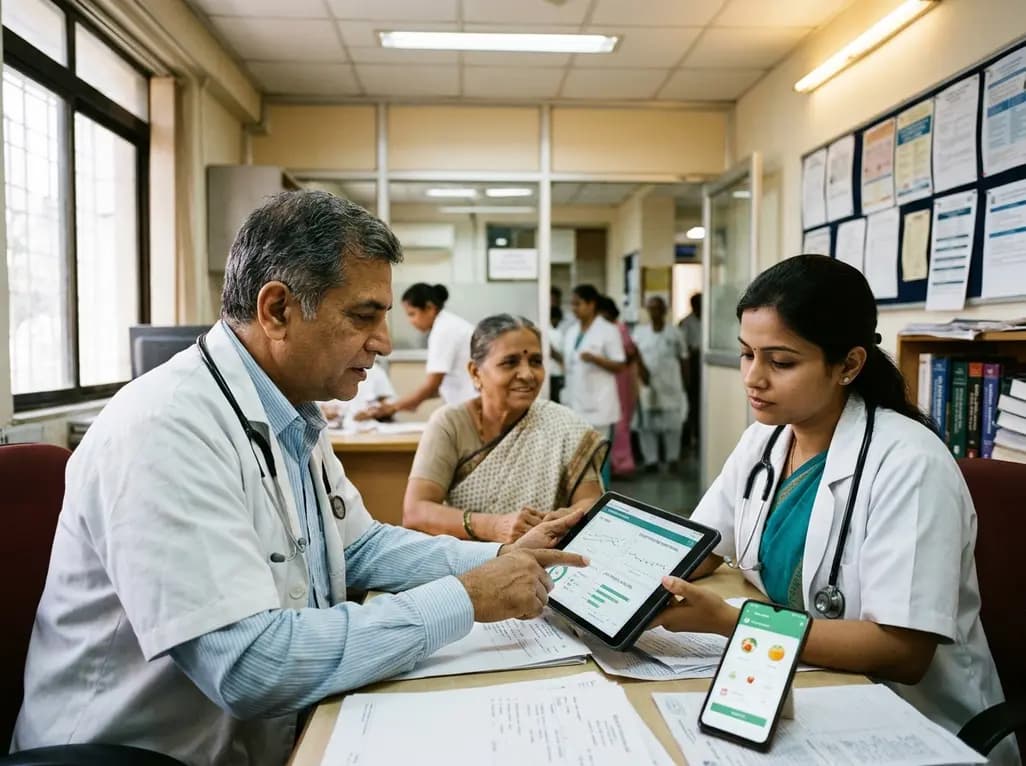
A real-world panel study reveals that an automated diet management app significantly improves BMI, blood pressure, and lipid profiles in employees. Frequent meal self-monitoring yielded distinct sex- and age-specific cardiometabolic benefits, highlighting the clinical potential of digital lifestyle interventions.
Today
