.webp&w=384&q=75)

Loading, please wait...
Loading, please wait...

The Karnataka government is currently evaluating a potential student mobile phone ban to address rising concerns about digital addiction. Deputy Chief Minister DK Shivakumar highlighted that parents are increasingly worried about how excessive screen time affects children. Consequently, the state is examining international models where similar restrictions have been implemented successfully. This move aims to protect the well-being of minors across the region. Therefore, authorities are gathering expert opinions to create a robust policy framework.
Chief Minister Siddaramaiah has voiced significant concerns regarding the behavioral patterns of children under 16. Furthermore, he noted that digital devices often hinder learning abilities and mental health. For this reason, the government is consulting with university vice-chancellors to refine the policy. While some experts support the ban, others point out that many private schools rely on digital platforms for assignments. However, the primary focus remains on maintaining digital discipline in government schools where monitoring is difficult. This focus ensures that the most vulnerable students receive adequate protection.
Many developed nations have already introduced regulations to limit gadget usage among minors. Similarly, Andhra Pradesh recently announced plans for a similar restriction in schools. In Karnataka, the IT/BT Minister is also reviewing the feasibility of limiting social media access. Nevertheless, school management associations suggest that a blanket ban might not solve the underlying issue. Instead, they recommend a structured framework for responsible device usage. Consequently, the government must balance technological benefits with health risks. Ultimately, the goal is to foster a healthier environment for the next generation.
Q1: Why is the Karnataka government considering a mobile phone ban?
The government aims to reduce excessive screen time and its negative impact on students' mental health, behavior, and learning abilities.
Q2: What do school associations suggest instead of a total ban?
Associations propose a structured, SoP-driven framework that promotes the responsible use of mobile devices rather than a complete prohibition.
Disclaimer: This content is for informational and educational purposes only. It does not constitute medical advice or replace professional judgment. Refer to the latest local and national guidelines for clinical practice.
References

Read summarized clinical updates, watch expert medical content, and earn CME certifications right from your smartphone.
Open your smartphone camera to scan and install.





Karnataka discusses a mobile phone ban for students to curb excessive screen time and improve mental health. Experts and schools weigh the pros and cons....
7 months ago
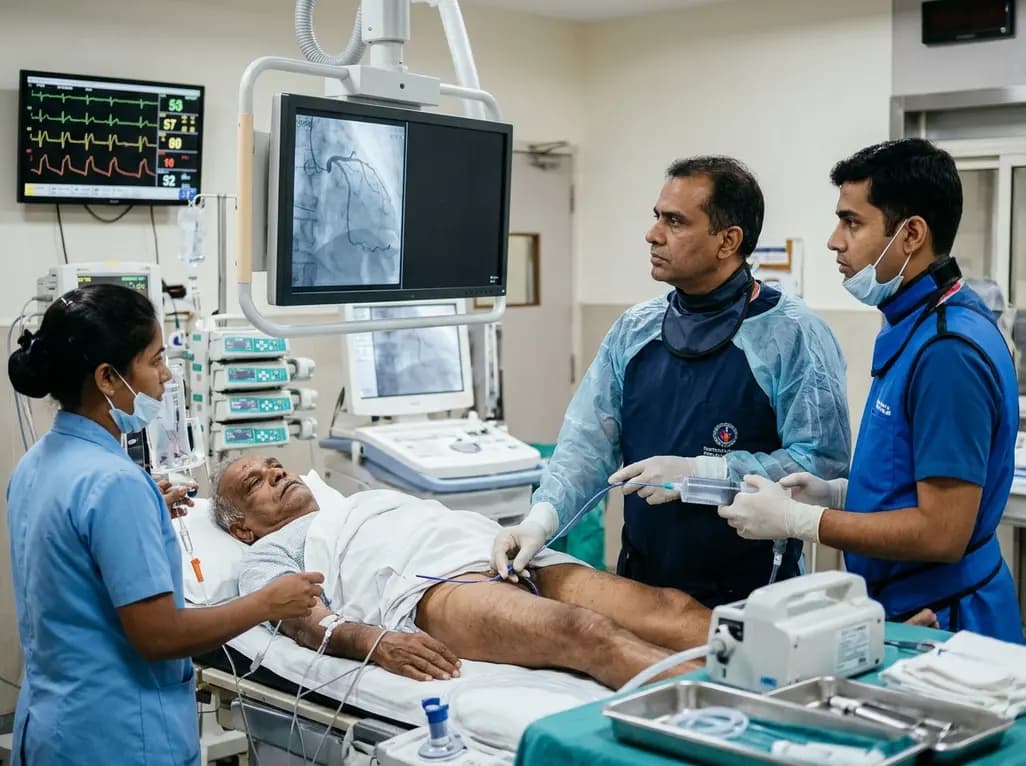
An elderly man with partially repaired Tetralogy of Fallot presented with STEMI caused by coronary embolism rather than atherosclerosis. Successful treatment with sustained mechanical aspiration thrombectomy underscores the vital need for high clinical vigilance in adult congenital heart disease.
Today
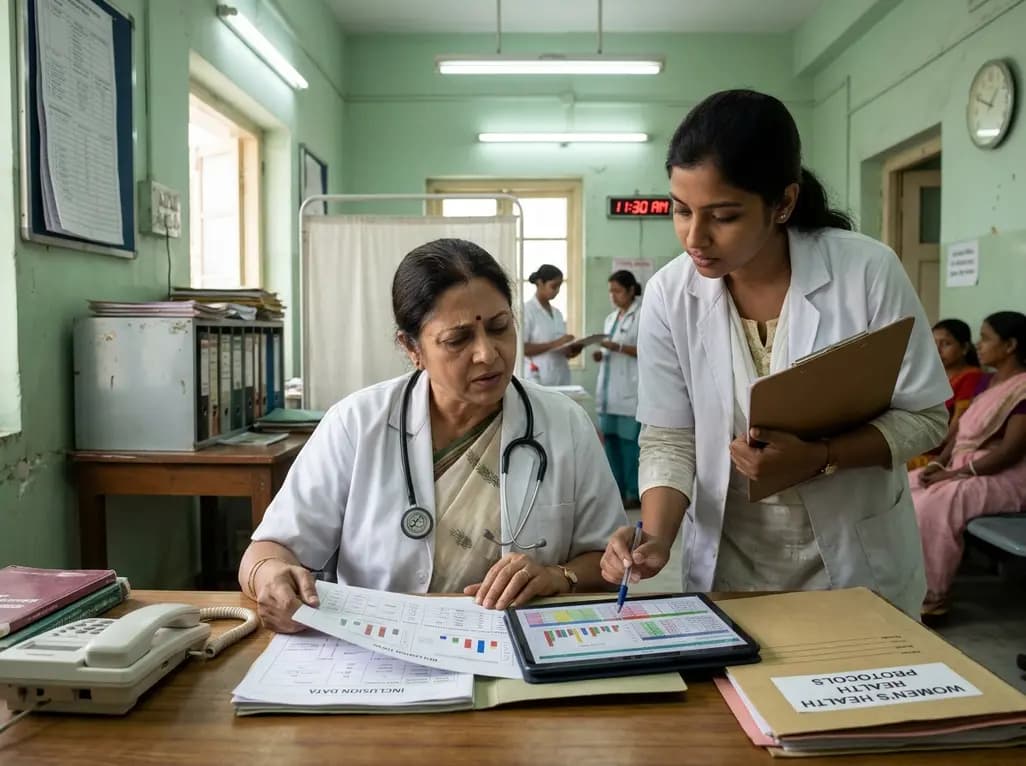
Demanding exhaustive hormonal profiling can inadvertently discourage clinical studies involving females. Methodological standards must align with the specific scientific question to expand, not restrict, equitable evidence for women.
Today

A recent study demonstrates that spinal oxygen sensors do not require mitochondrial electron transport to trigger sympathetic excitation during acute hypoxia, revealing new insights into how mitochondrial oxidative stress modulates autonomic tone in cardiovascular and neurological diseases.
Today

A comparative review of tension band wiring and intramedullary screw fixation in thumb metacarpophalangeal arthrodesis, evaluating union rates, hardware complications, and clinical outcomes.
Today

Following regulatory scrutiny from FSSAI regarding promotional representations and lean muscle preservation claims, Dr. Reddy's Laboratories and Nestlé Health Science are currently reviewing the branding and marketing strategy for their joint nutritional supplement Celevida GLP+.
Today
