.webp&w=384&q=75)

Loading, please wait...
Loading, please wait...

The Karnataka government recently unveiled a comprehensive student mobile addiction policy to address the rising mental health concerns among youth. This draft policy focuses on curbing excessive digital technology use through school-based interventions. Consequently, the state aims to mitigate issues like anxiety, social isolation, and poor academic performance. Minister Dinesh Gundu Rao highlighted the urgency of this initiative during the policy’s announcement.
The Department of Health and Family Welfare collaborated with NIMHANS to draft these guidelines. This framework specifically targets adolescents, as nearly 25% show signs of problematic internet use. Therefore, the policy mandates that schools integrate digital literacy into their life skills curriculum. Each institution must also formulate a custom digital use policy to manage screen time effectively.
Additionally, the draft proposes a one-hour daily cap on recreational screen time. Schools will establish Digital Wellness Committees to oversee these regulations. Furthermore, teachers will receive specialized training to identify early warning signs of digital distress. By strengthening school-parent communication, the state hopes to create a safer digital environment for students.
A central feature of the policy is the \"digital detox\" framework using the 5C model. This model evaluates Craving, Control, Compulsion, Coping, and Consequences. Consequently, teachers will use this tool to implement peer-led interventions. Moreover, students can access support services through Tele-MANAS if they exhibit severe symptoms of addiction. Therefore, the initiative moves beyond simple bans to provide structured clinical support.
Parents also play a vital role in this ecosystem. The policy encourages them to enforce screen-time rules and create device-free zones at home. Meanwhile, schools will promote offline activities like physical exercise and hobbies. These efforts aim to foster a balanced development among children in an increasingly digital world.
Q1: What is the 5C model mentioned in the policy?
The 5C model is a diagnostic and intervention framework used to understand technology addiction. It assesses five key areas: Craving, Control, Compulsion, Coping, and Consequences.
Q2: What is the recommended recreational screen time limit for students?
The draft policy suggests that schools and parents cap recreational screen time at one hour per day to prevent digital addiction and related mental health issues.
Q3: How will the government support students suffering from digital distress?
The government will utilize the Tele-MANAS platform and school-level Digital Wellness Committees to provide specialized counseling and mental health services to students in need.
Disclaimer: This content is for informational and educational purposes only. It does not constitute medical advice or replace professional judgment. Refer to the latest local and national guidelines for clinical practice.
References

Read summarized clinical updates, watch expert medical content, and earn CME certifications right from your smartphone.
Open your smartphone camera to scan and install.





Karnataka's draft policy tackles student mobile addiction through school-based digital wellness frameworks, mental health support, and screen-time regulatio...
6 months ago

Following regulatory scrutiny from FSSAI regarding promotional representations and lean muscle preservation claims, Dr. Reddy's Laboratories and Nestlé Health Science are currently reviewing the branding and marketing strategy for their joint nutritional supplement Celevida GLP+.
Today

A comprehensive scoping review synthesises evidence linking prenatal maternal mental health to long-term offspring neurodevelopment, evaluating neuroendocrine, inflammatory, and epigenetic pathways while highlighting clinical screening and future research priorities.
Today

The Directorate General of Health Services directs Indian states to halt the hazardous reuse and reprocessing of single-use medical devices. Discover regulatory implications under the Drugs and Cosmetics Act, critical infection risks, legal liabilities, and operational changes required across clinical specialties.
Today
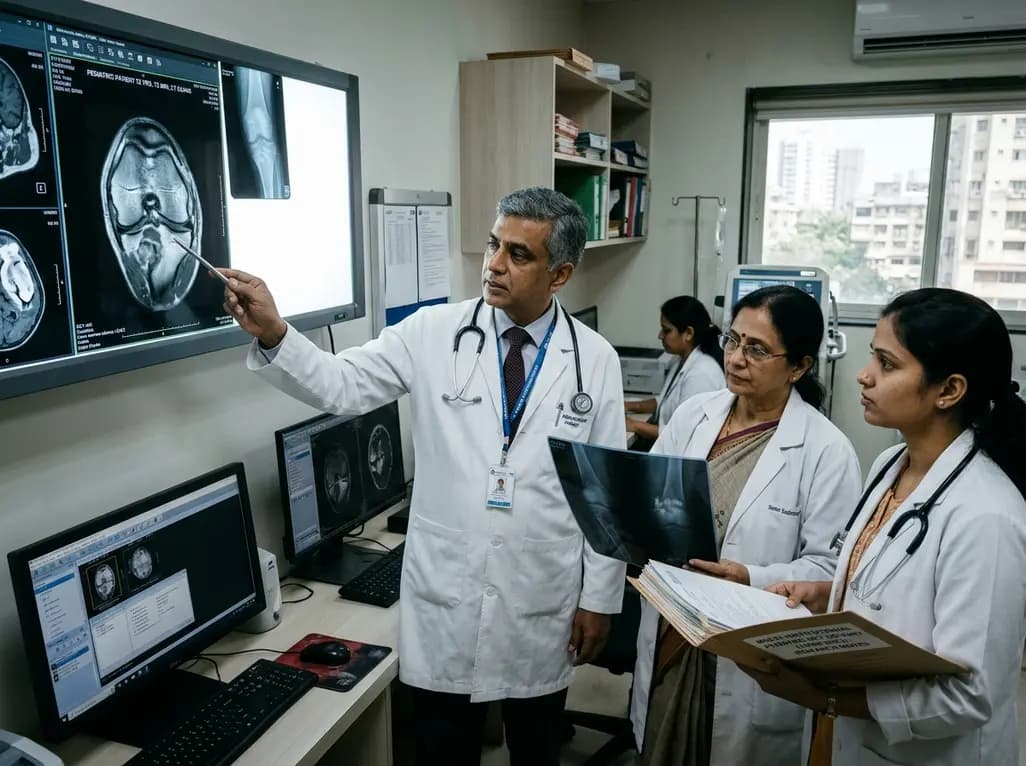
A 25-year multi-institutional cohort reveals high recurrence rates in pediatric giant cell tumor of bone, particularly in patients with open physes and bone marrow edema on preoperative MRI. Early surveillance and careful balance between growth plate preservation and tumor clearance are essential.
Today

India is advancing preventive healthcare by integrating genomics, artificial intelligence, and quantum technologies. With the SANGAM programme sequencing one million Indian genomes, clinicians can unlock personalized therapies, detect cardiometabolic risks early, and curb the burden of diabetes and heart disease.
Today
