.webp&w=384&q=75)

Loading, please wait...
Loading, please wait...

The Karnataka doctors strike has gained significant momentum as the Karnataka Government Medical Officers’ Association (KGMOA) prepares for a phased agitation. Consequently, Health Minister Dinesh Gundu Rao expressed optimism about resolving these long-standing issues through dialogue. He addressed the Legislative Assembly on Tuesday to provide updates on the situation. Furthermore, Minister Rao confirmed that the government has already conducted two rounds of discussions with the healthcare workers. However, the associations remain firm on their decision to halt services if the government does not act quickly.
The medical officers have raised several critical concerns that have remained pending for years. These demands specifically include revisions to Cadre and Recruitment Rules and the publication of a fair seniority list. Additionally, discrepancies in previous counseling sessions and the consistent supply of medicines are major points of contention. Moreover, the medical officers also highlighted the need for a better transfer policy and the immediate filling of vacancies. These structural gaps have put immense pressure on the existing workforce. Therefore, the KGMOA believes a strike is necessary to draw urgent attention to these systemic failures.
If the government fails to reach an agreement, the phased agitation will disrupt healthcare across the state. Specifically, all Outpatient Department (OPD) services will stop starting March 11. Subsequently, doctors plan to boycott all duties, including emergency services, starting March 16. In response, legislators have urged the government to avoid using the Essential Services Maintenance Act (ESMA). Instead, they suggest that the state should prioritize negotiation to prevent hardship for the poor. The Chief Minister is expected to meet with association representatives today to find a middle ground and ensure public health safety.
Q1: Which services will be affected first during the Karnataka doctors strike?
Outpatient Department (OPD) services are scheduled to be suspended starting March 11. Emergency services will continue until March 16 if the strike escalates further.
Q2: What are the primary reasons for the doctors' protest?
The main issues include discrepancies in recruitment rules, seniority list errors, medicine supply shortages, and unfilled vacancies within the health department.
Disclaimer: This content is for informational and educational purposes only. It does not constitute medical advice or replace professional judgment. Refer to the latest local and national guidelines for clinical practice.
References

Read summarized clinical updates, watch expert medical content, and earn CME certifications right from your smartphone.
Open your smartphone camera to scan and install.





Karnataka Health Minister Rao holds talks with KGMOA to prevent a statewide strike affecting OPD and emergency services starting March 11....
7 months ago
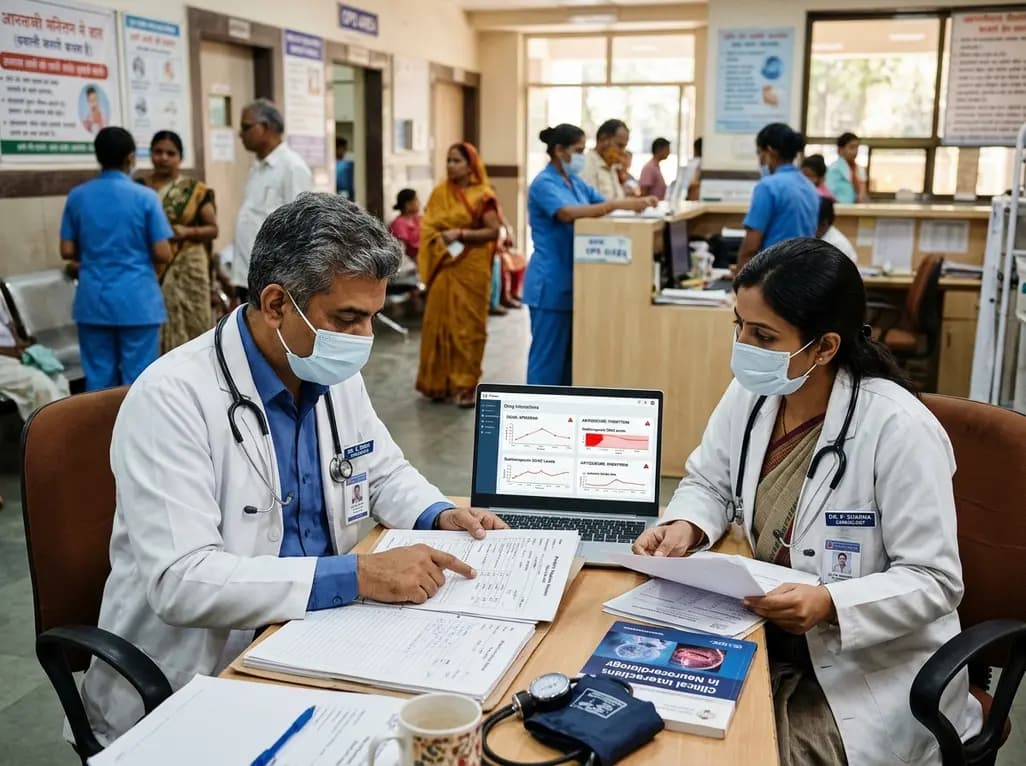
Co-administering antiseizure medications and DOACs frequently causes pharmacokinetic interactions, subtherapeutic drug levels, and thromboembolic failures. This review highlights enzyme induction risks, unpredictable outcomes with levetiracetam, and the vital role of therapeutic drug monitoring.
Today
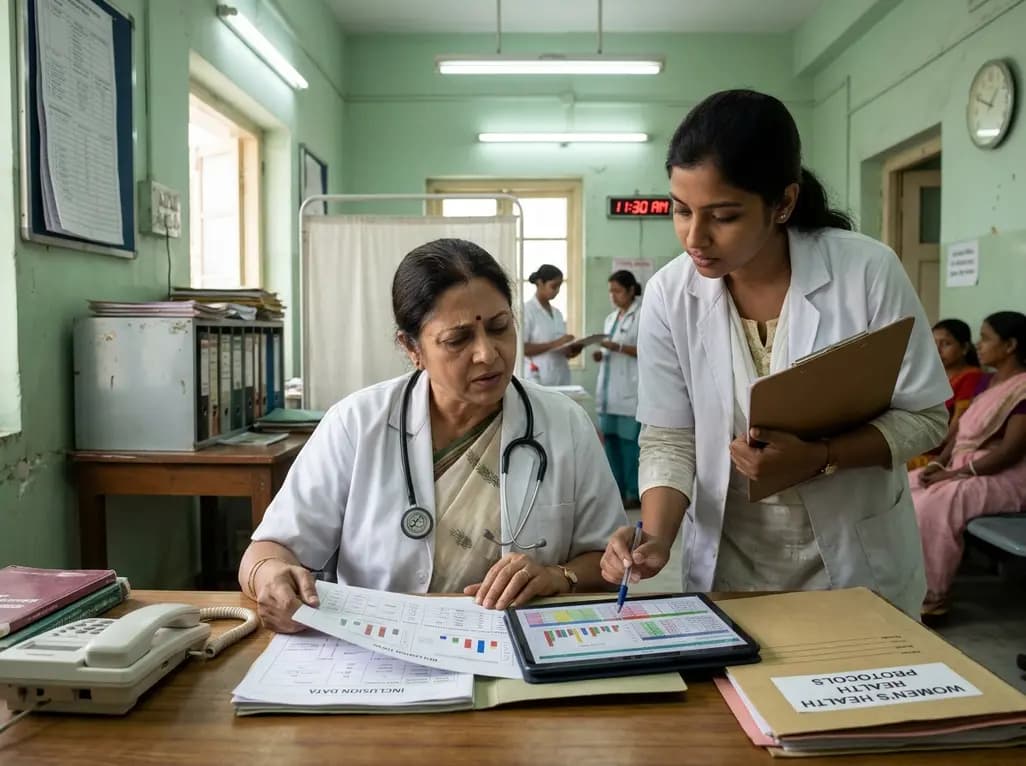
Demanding exhaustive hormonal profiling can inadvertently discourage clinical studies involving females. Methodological standards must align with the specific scientific question to expand, not restrict, equitable evidence for women.
Today
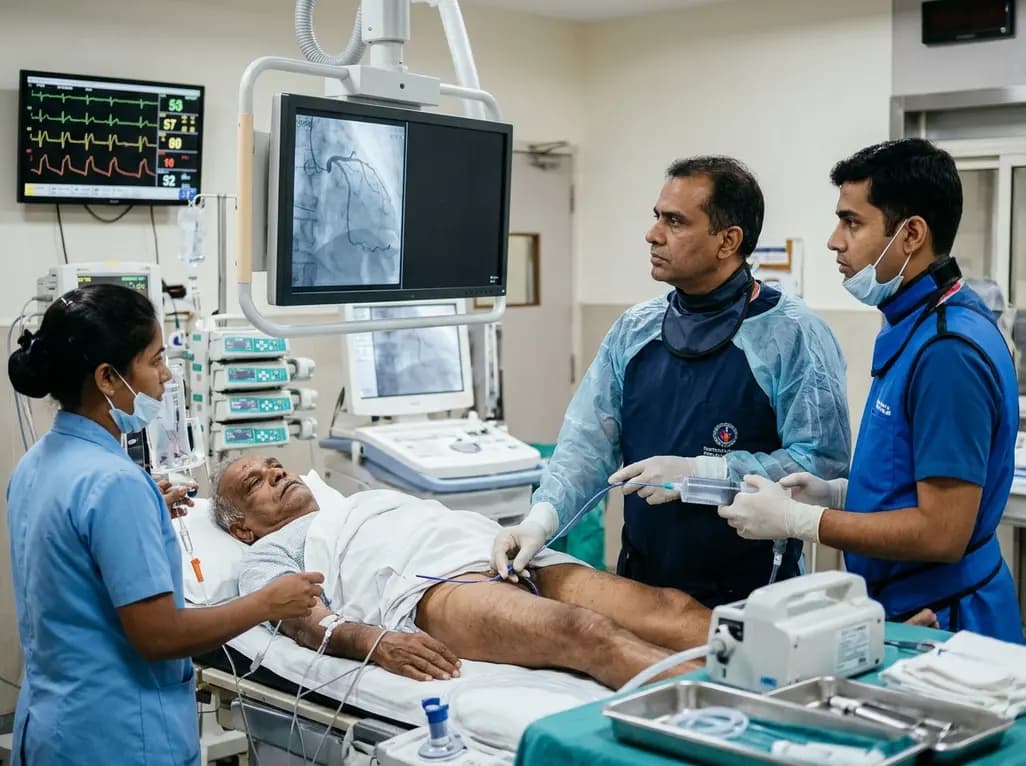
An elderly man with partially repaired Tetralogy of Fallot presented with STEMI caused by coronary embolism rather than atherosclerosis. Successful treatment with sustained mechanical aspiration thrombectomy underscores the vital need for high clinical vigilance in adult congenital heart disease.
Today
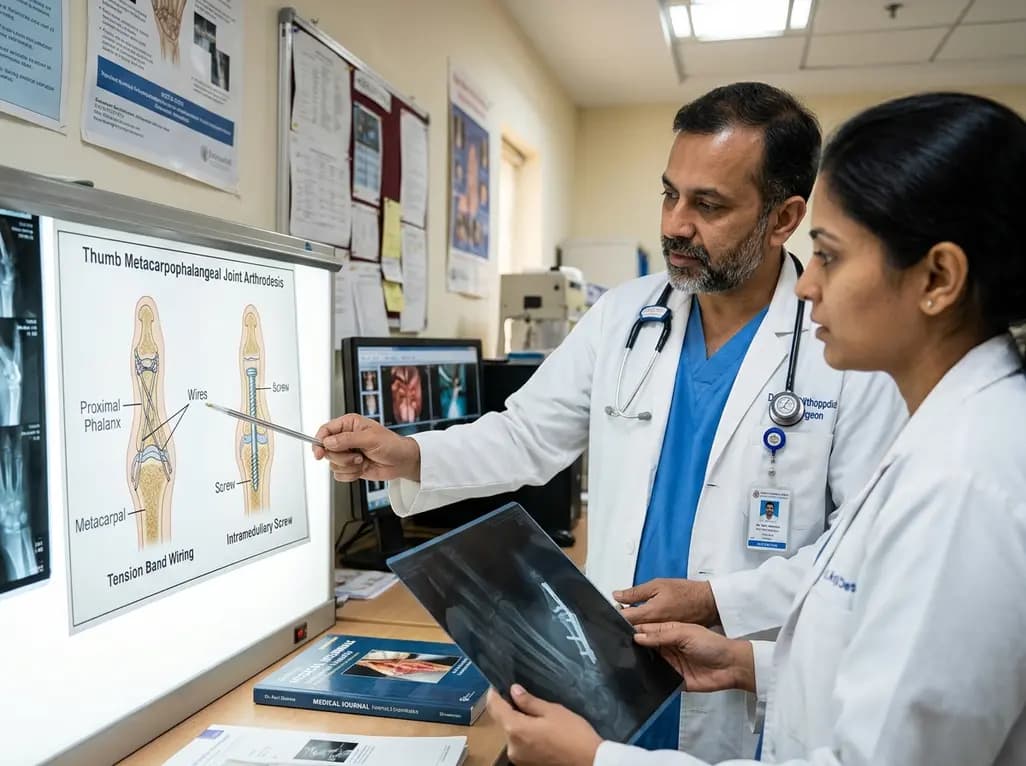
A comparative review of tension band wiring and intramedullary screw fixation in thumb metacarpophalangeal arthrodesis, evaluating union rates, hardware complications, and clinical outcomes.
Today
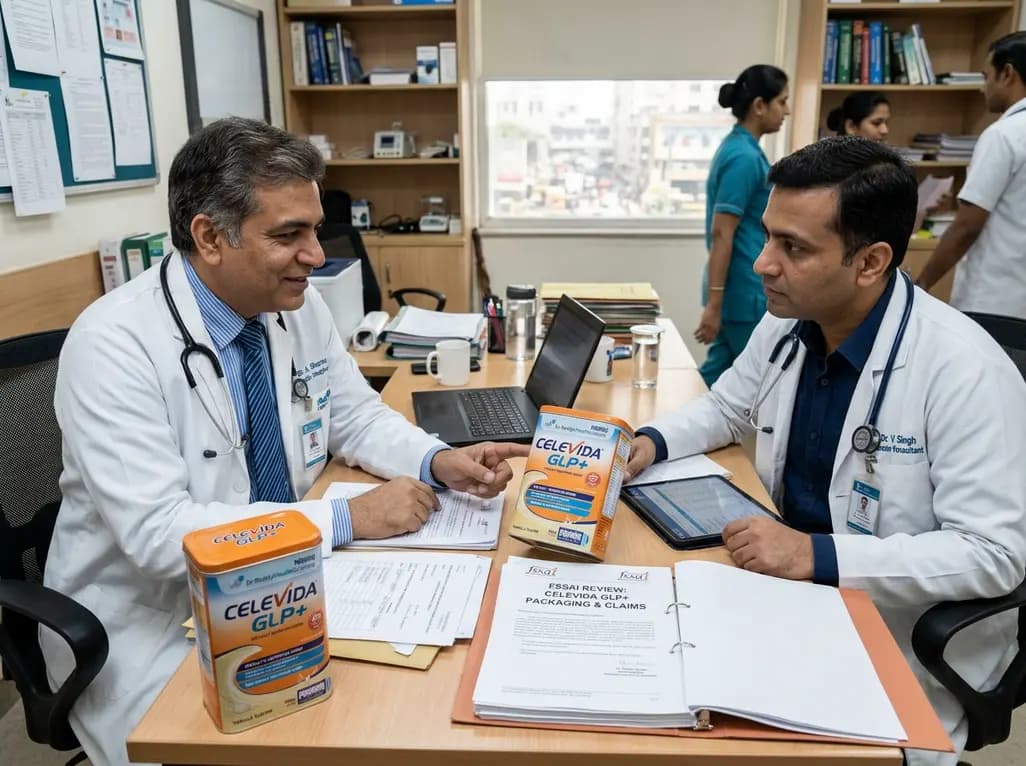
Following regulatory scrutiny from FSSAI regarding promotional representations and lean muscle preservation claims, Dr. Reddy's Laboratories and Nestlé Health Science are currently reviewing the branding and marketing strategy for their joint nutritional supplement Celevida GLP+.
Today
