.webp&w=384&q=75)

Loading, please wait...
Loading, please wait...

Clinicians treating severe traumatic brain injury (sTBI) often face complex management decisions in resource-limited settings. Intracranial pressure monitoring has emerged as a cornerstone of modern neurocritical care, yet its efficacy in low- and middle-income countries (LMICs) has remained a subject of intense debate. A recent 15-year retrospective study conducted at a Kenyan tertiary center provides compelling evidence regarding the impact of this intervention on patient outcomes.
The research analyzed 126 patients with sTBI between 2010 and 2024. Researchers divided the study into two distinct eras: a pre-monitoring phase and a routine monitoring phase. Notably, the study utilized propensity score matching to ensure a fair comparison between monitored and non-monitored groups. This rigorous approach allowed clinicians to isolate the specific effect of monitoring on 30-day mortality rates.
The results of the study were significant. In the matched analysis, patients who received monitoring had a mortality rate of 29%. In contrast, those without monitoring faced a mortality rate of 51%. Consequently, the use of invasive sensors was associated with nearly a 50% reduction in the risk of death. Furthermore, the second era of the study saw a marked increase in the use of hypertonic saline, cerebrospinal fluid drainage, and decompressive craniectomy. Therefore, monitoring likely facilitates more aggressive and targeted therapeutic interventions.
Additionally, the complication rates associated with the monitoring devices were remarkably low. Both infection and hemorrhage occurred in only 7.7% of cases. These findings suggest that implementing monitoring is both safe and effective even in challenging clinical environments. Moreover, the study highlights how protocol-based care, guided by real-time physiological data, can transform outcomes for trauma patients.
It provides real-time data that allows doctors to detect secondary brain insults early. This information guides specific treatments like drainage or osmotic therapy, preventing irreversible damage.
Yes, the Kenyan study reported low complication rates for infection and hemorrhage. When performed under standardized protocols, the benefits for mortality reduction far outweigh the surgical risks.
Disclaimer: This content is for informational and educational purposes only. It does not constitute medical advice or establish a doctor-patient relationship. Always seek the advice of a qualified healthcare provider for any questions regarding a medical condition. Refer to the latest local and national guidelines for clinical practice.
References

Read summarized clinical updates, watch expert medical content, and earn CME certifications right from your smartphone.
Open your smartphone camera to scan and install.





A 15-year Kenyan study demonstrates that intracranial pressure monitoring reduces 30-day mortality by nearly 50% in patients with severe traumatic brain inj...
4 months ago
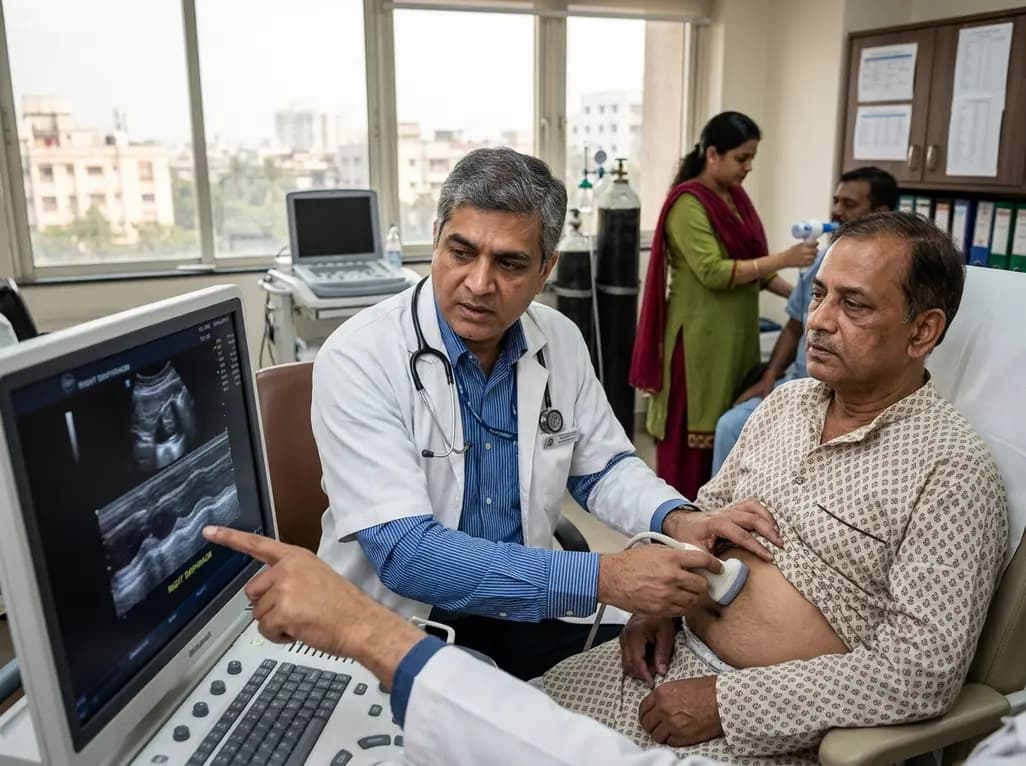
Diaphragmatic dysfunction affects over a third of chronic stroke patients, worsening sleep, mood, and functional mobility. Ultrasound assessment and inspiratory training improve outcomes.
Today
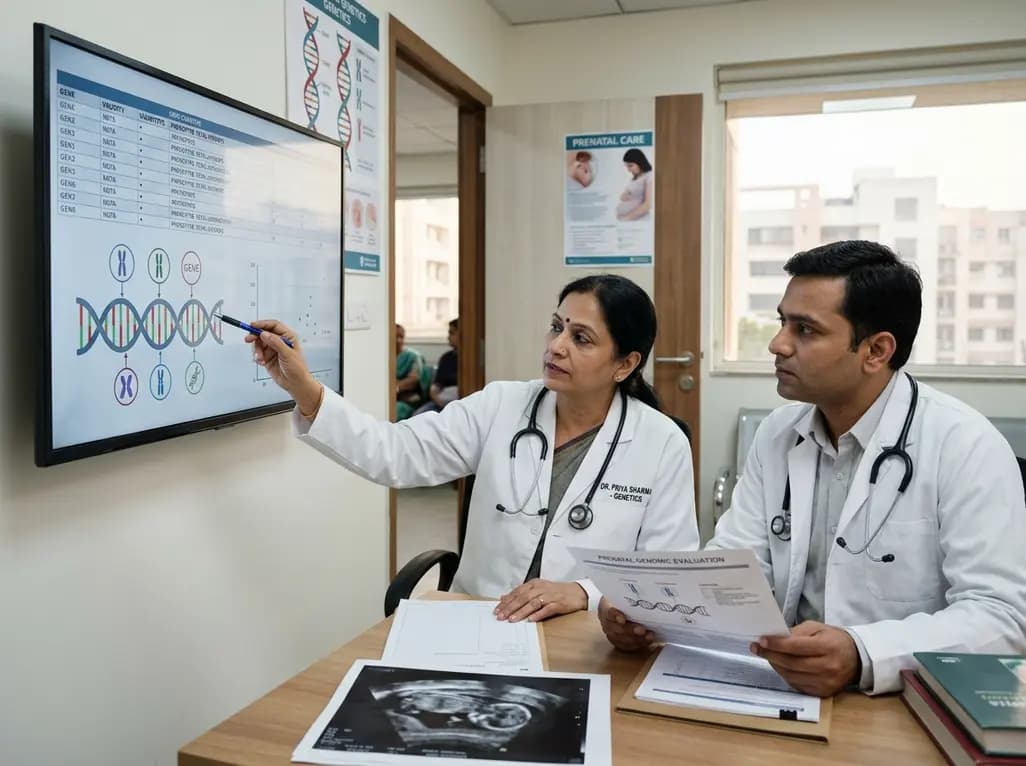
The ClinGen Prenatal Gene Curation Expert Panel evaluated 63 disease relationships across 61 genes, establishing clinical validity for severe fetal phenotypes like hydrops and stillbirth to enhance prenatal genomic interpretation and clinical care.
Yesterday
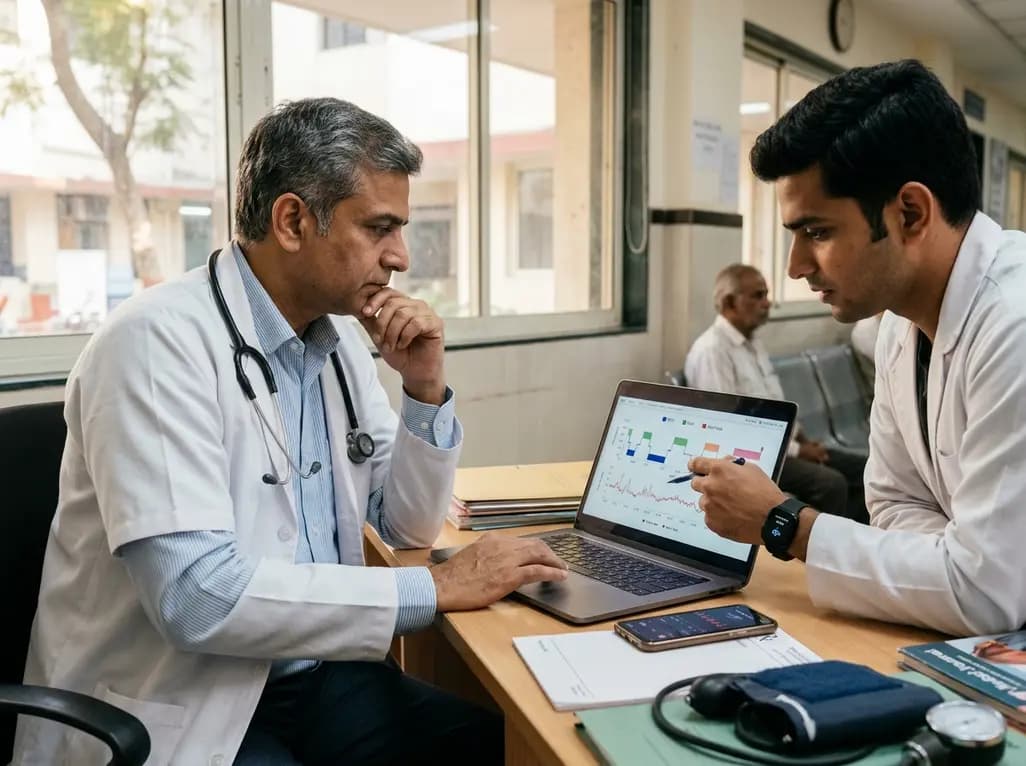
Wearable sleep health technology provides continuous biometric monitoring to augment cardiovascular risk assessment. By tracking autonomic proxies and sleep architecture, these digital tools empower clinicians to guide cardiometabolic interventions, despite persistent challenges in wake detection specificity.
Today
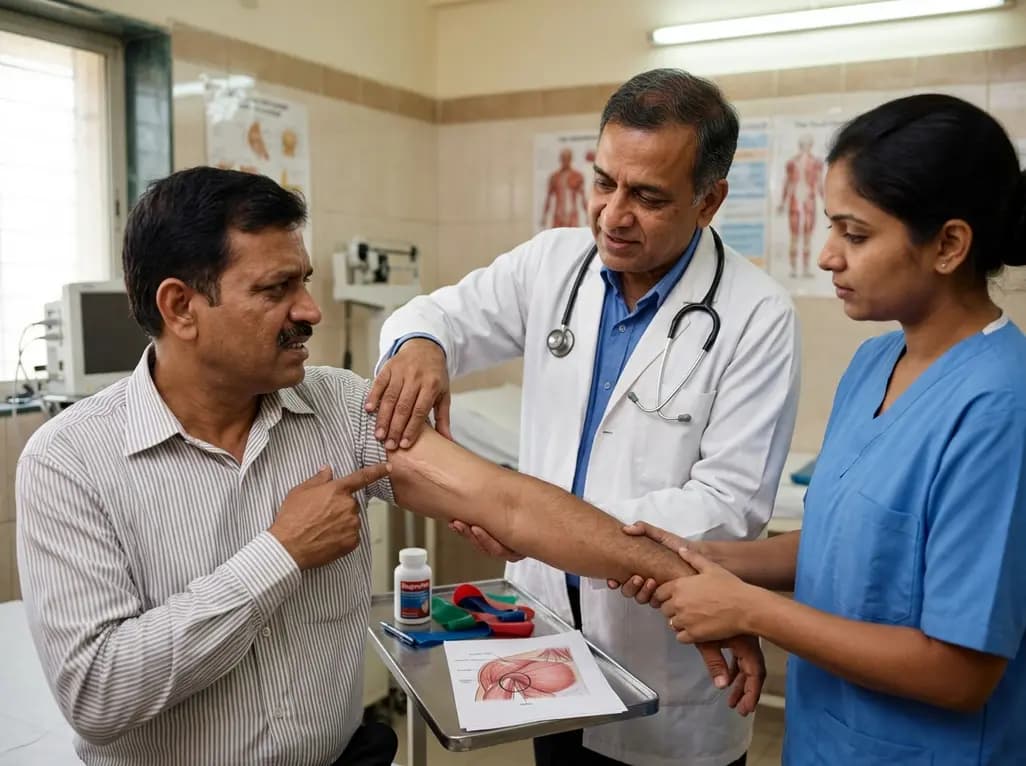
Idiopathic axillary web syndrome (IAWS) is a rare cause of shoulder pain and mobility restriction characterized by palpable axillary cording without prior surgery or trauma. Early diagnosis, nonsteroidal anti-inflammatory therapy, and physical rehabilitation lead to complete resolution of symptoms.
Today
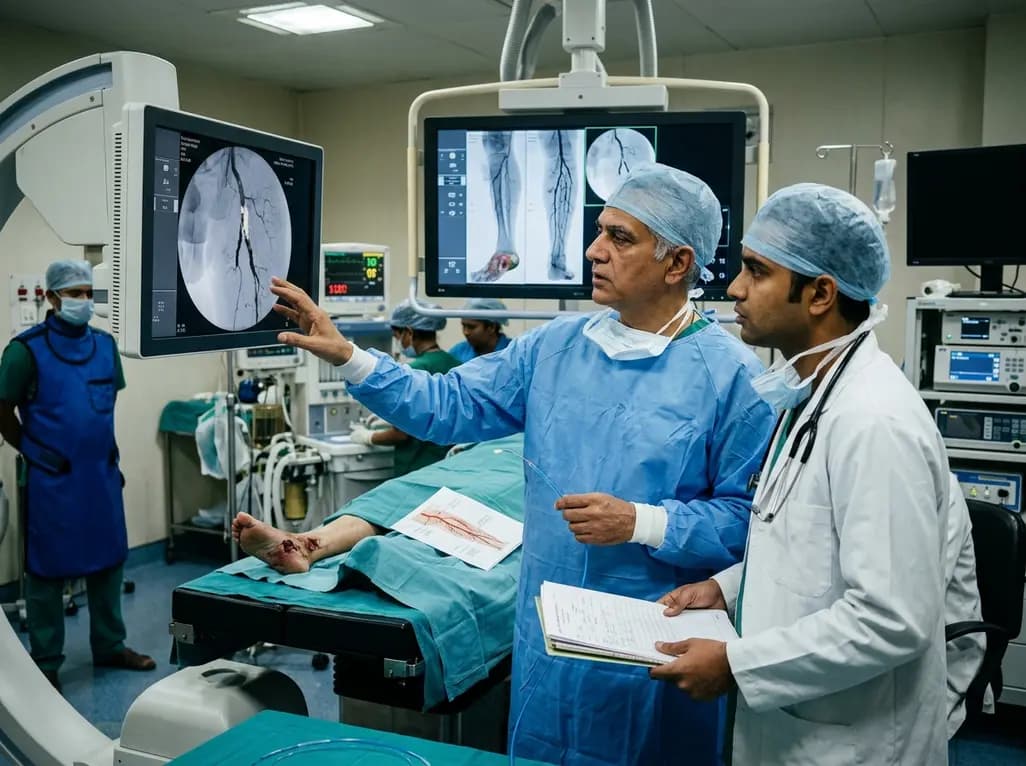
SWEDEPAD-1 trial insights show paclitaxel-coated devices do not improve long-term limb salvage in patients with chronic limb-threatening ischemia and tissue loss. While one-year reinterventions decreased, the devices were linked to a higher risk of major amputation at three months.
Today
