.webp&w=384&q=75)

Loading, please wait...
Loading, please wait...
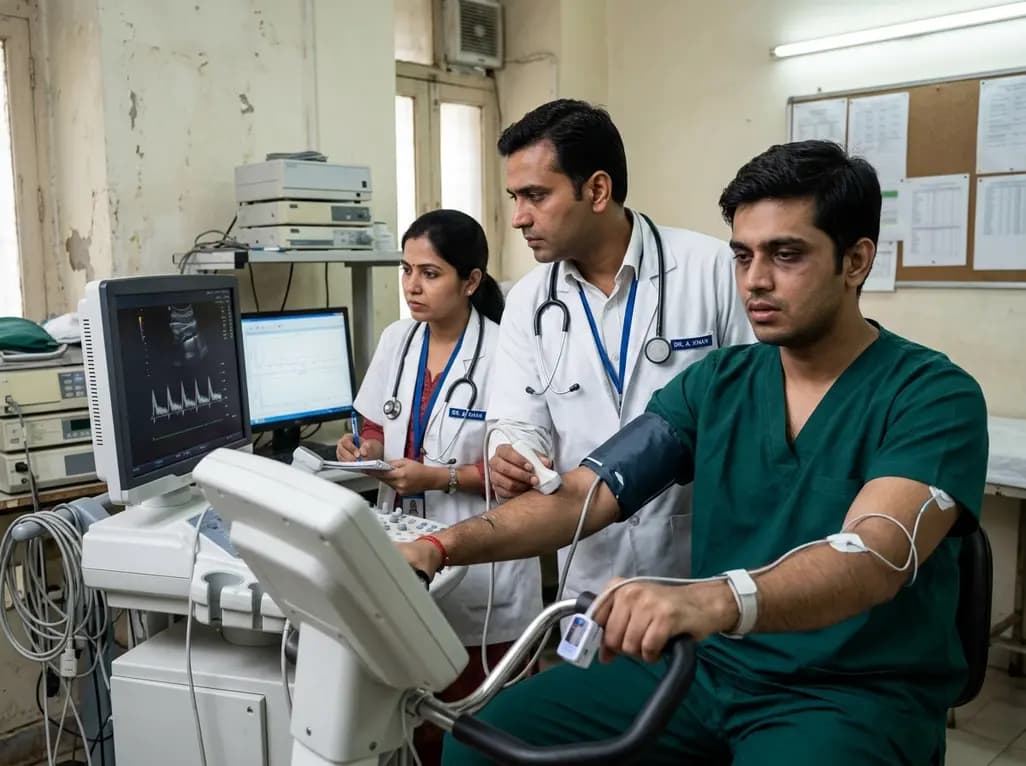
Sleep disturbances represent a pervasive clinical concern that extends far beyond daytime fatigue and cognitive sluggishness. Medical professionals frequently observe that patients suffering from interrupted sleep experience marked declines in physical stamina, athletic performance, and post-exercise recovery. While resting vascular dysfunction after chronic sleep deprivation is well-established, the acute impacts on dynamic vascular responsiveness during physical exertion have remained less clear. A landmark study published in the Journal of Applied Physiology investigates how acute sleep fragmentation directly blunts skeletal muscle hyperemia during physical exercise. This detailed clinical review examines the physiological findings, mechanistic underpinnings, and real-world implications for general practitioners, cardiologists, and sports medicine specialists.
Fragmented sleep involves brief, repetitive nocturnal awakenings that disrupt normal sleep architecture without necessarily reducing total bed time dramatically. In clinical settings, acute sleep fragmentation occurs frequently due to environmental noise, obstructive sleep apnea episodes, nocturia, shift work schedules, or hospital monitoring. When nocturnal arousal frequency surges, the body loses the continuous restorative benefits of deep slow-wave and REM sleep phases. Consequently, sympathetic nervous system tone remains elevated throughout the night, altering normal nocturnal blood pressure dipping and vascular homeostasis.
During physical exertion, skeletal muscles require a prompt increase in local blood flow to deliver oxygen and nutrients while clearing metabolic waste products. This process, known as functional hyperemia, depends on rapid vasodilation of feed arteries and resistance arterioles. Normally, locally released vasodilators like nitric oxide, adenosine, and prostaglandins work synergistically with mechanical sheer stress to increase arterial diameter. However, when acute sleep fragmentation impairs autonomic balance and vascular endothelial reactivity, hyperemia may become significantly blunted. Consequently, working muscles experience compromised oxygen delivery, leading to premature fatigue, early lactate accumulation, and impaired athletic output. Understanding these dynamic vascular alterations provides vital diagnostic and therapeutic context for physicians evaluating active patients who report unexplained reductions in physical capacity following nights of disturbed sleep.
To rigorously test the impact of disrupted sleep on exercise hyperemic responses, investigators designed a prospective, randomized crossover clinical trial. The study cohort comprised twenty healthy young adults, evenly balanced between males and females, eliminating potential baseline gender biases. Each participant completed two distinct overnight sleep conditions separated by an adequate washout period: one night of habitual baseline sleep and one night of experimentally induced acute sleep fragmentation. Participants completed sleep monitoring in their home environments using wrist actigraphy to capture objective, real-world sleep parameters.
To induce sleep fragmentation during the experimental arm, researchers utilized an automated audio alarm sounding every thirty minutes across the night. On the morning immediately following each sleep condition, participants underwent comprehensive physiological testing in the laboratory. Participants performed isolated single handgrip contractions along with sustained rhythmic handgrip exercise protocols at incremental intensities of 15%, 30%, and 45% of maximum voluntary contraction. Researchers measured brachial artery diameter and forearm blood flow in real time using high-resolution Doppler ultrasound imaging. In addition, endothelial sensitivity to shear rate was calculated to evaluate local microvascular responsiveness. This elegant design isolated the acute physiological consequences of nocturnal sleep disruption on active skeletal muscle perfusion while controlling for baseline physical fitness and anthropometric characteristics.
The physiological data revealed striking differences between habitual sleep and disrupted sleep conditions. Nocturnal awakenings and wakefulness after sleep onset surged significantly following the fragmented sleep night, increasing by 18% and 43%, respectively. Consequently, overall sleep duration was significantly reduced compared to baseline habitual sleep, confirming successful experimental manipulation of sleep architecture.
During the subsequent morning exercise protocols, marked deficits in peripheral vascular adaptation were documented during rhythmic handgrip exercise. Specifically, brachial artery dilation during rhythmic exertion was significantly impaired after acute sleep fragmentation compared to habitual sleep, displaying a mean percentage change of 3.3% versus 5.5%. This blunted conduit artery vasodilation resulted in a statistically significant reduction in forearm blood flow responses during rhythmic handgrip exercise across tested exertion intensities, dropping from 122 mL/min after habitual sleep down to 110 mL/min following fragmented sleep. Interestingly, endothelial sensitivity to shear rate remained comparable between the two conditions, showing no significant variance. Similarly, peak blood flow responses following single muscle contractions showed no substantial differences. These key findings demonstrate that while rapid microvascular responses to single contractions remain intact, sustained rhythmic vascular accommodations are markedly compromised following acute sleep fragmentation.
The mechanistic drivers behind reduced exercise hyperemia following acute sleep fragmentation appear complex and multifactorial. Continuous sleep architecture normally allows nocturnal parasympathetic dominance, reducing systemic vascular resistance and circulating catecholamines. Conversely, frequent nocturnal arousals trigger transient sympathetic surges and repeated spikes in systemic blood pressure. Over the course of a single night, this sustained sympathetic activation elevates morning resting arterial tone and alters normal vascular compliance.
Furthermore, acute sleep fragmentation promotes acute systemic oxidative stress and low-grade pro-inflammatory cytokine release. Although baseline endothelial sensitivity to shear rate was preserved in this study, impaired conduit artery dilation suggests alterations in downstream signaling pathways or vascular smooth muscle responsiveness. Blunted synthesis or bioactivity of endothelial nitric oxide, combined with heightened adrenergic vasoconstrictor tone in active skeletal muscle beds, can constrain blood flow during repetitive contractions. This blunted hyperemic response impairs match between local oxygen delivery and metabolic demand in contracting muscle fibers. Consequently, muscle tissues experience relative hypoxia during physical exertion, forcing earlier reliance on anaerobic metabolic pathways. This shift explains why athletes and active individuals suffer from premature fatigue, muscular tightness, and reduced power output when performing physical tasks after a single night of severely fragmented sleep.
These clinical insights carry substantial practical significance for sports medicine specialists, cardiologists, and general practitioners managing active individuals, tactical professionals, and patients undergoing cardiovascular rehabilitation. Unexplained reductions in exercise tolerance or plateauing athletic performance may often stem from poor sleep continuity rather than overtraining or inadequate nutrition. Therefore, clinicians must incorporate routine sleep hygiene screening into patient evaluations, asking specifically about nocturnal awakenings, night-shift disruptions, and sleep quality.
Furthermore, these findings emphasize that acute sleep disruption rapidly translates into physiological deficits during physical effort. In athletic training environments and active rehabilitation programs, prescribing high-intensity exercise following nights of severe sleep fragmentation may increase perceived exertion and reduce therapeutic efficacy. Adjusting training loads or prioritizing sleep optimization strategies can help preserve vascular health and exercise capacity. Additionally, for patients with underlying cardiovascular or peripheral arterial disease, sleep fragmentation could exacerbate skeletal muscle ischemia during daily physical activities. Addressing sleep continuity through behavioural sleep hygiene, acoustic environment modification, and management of sleep-disordered breathing represents a vital non-pharmacological strategy for optimizing cardiovascular performance, skeletal muscle perfusion, and overall exercise safety.
Acute sleep fragmentation impairs exercise performance by reducing skeletal muscle blood flow and brachial artery dilation during rhythmic contractions. When nocturnal sleep is interrupted repeatedly, hyperemic vascular responses to exertion are blunted, decreasing local oxygen and nutrient delivery to active muscle tissue. Consequently, working muscles experience faster onset of exertion fatigue, elevated perceived exertion, and reduced endurance during sustained physical activity.
No, acute sleep fragmentation causes transient, reversible vascular dysfunction rather than permanent structural damage. The acute reduction in exercise hyperemia stems primarily from acute sympathetic activation, elevated morning vasoconstrictor tone, and transient alterations in vascular responsiveness. Restoring healthy, continuous nocturnal sleep patterns allows autonomic nervous system balance and normal endothelial dilatory capacity to recover, fully restoring optimal muscle blood flow responses during physical exercise.
Clinicians should actively screen patients for sleep disruptions by evaluating nocturnal awakening frequencies, shift work schedules, and underlying disorders like obstructive sleep apnea. Recommended clinical interventions include improving sleep hygiene, maintaining consistent sleep-wake schedules, minimizing nighttime ambient noise, and treating underlying medical causes. For competitive athletes and rehabilitation patients, optimizing sleep continuity effectively helps restore vascular exercise capacity and improves overall physiological recovery outcomes.
Disclaimer: This content is for informational and educational purposes only and should not be considered medical advice. Healthcare professionals should rely on their clinical judgment and refer to the latest local and national guidelines for clinical practice.
References
Narvaez G et al. The impact of acute sleep fragmentation on muscle blood flow responses to handgrip exercise. J Appl Physiol (1985). 2026 Aug 07. doi: 10.1152/japplphysiol.00509.2026. PMID: 42566231.
Gonzales JU, Narvaez G. Short-term reduction in sleep irregularity modulates cardiac autonomic function and central hemodynamic parameters at rest. Sleep Med. 2025; 133:106643.
Narvaez G, Gonzales JU. Reduced sleep irregularity does not impact peripheral vascular function before or following total sleep deprivation. J Appl Physiol (1985). 2025; 139(4):909-917.

Read summarized clinical updates, watch expert medical content, and earn CME certifications right from your smartphone.
Open your smartphone camera to scan and install.





A randomized crossover study demonstrates that acute sleep fragmentation impairs brachial artery dilation and reduces forearm blood flow during rhythmic exercise. These clinical findings highlight the negative impact of nocturnal sleep disruptions on muscle perfusion and physical performance.
last month

A cross-sectional observational study reveals that insomnia in major depressive disorder remains highly prevalent and debilitating despite pharmacotherapy. Over 60% of patients report moderate-to-severe insomnia, driving functional impairment and highlighting the urgent need for integrated sleep and mood interventions.
Today

A recent longitudinal study evaluated the link between prenatal loss of control eating and cardiovascular health using Life's Essential 8 frameworks. While direct associations across pregnancy were non-significant, the high prevalence of dysregulated eating highlights critical implications for obstetric practice.
Today

A cross-sectional analysis of NHANES 2013-2020 reveals that depressive symptoms and sleep disturbance significantly elevate the odds of cardiometabolic multimorbidity in adults with arthritis. Comprehensive clinical screening and integrated multi-organ interventions are vital to reduce overall cardiovascular burden.
Today

Systematic review comparing labral repair and reconstruction in primary hip arthroscopy shows comparable short- to mid-term patient-reported outcomes, with lower THA conversion after repair but superior outcomes for reconstruction in patients aged 40 and older.
Yesterday

Apollo-IRE1 is a genetically encoded biosensor that monitors real-time endoplasmic reticulum stress dynamics in living pancreatic beta cells. By measuring IRE1 oligomerization through fluorescence anisotropy, it illuminates stress thresholds critical for understanding and treating diabetes.
Today
