

Loading, please wait...
Loading, please wait...
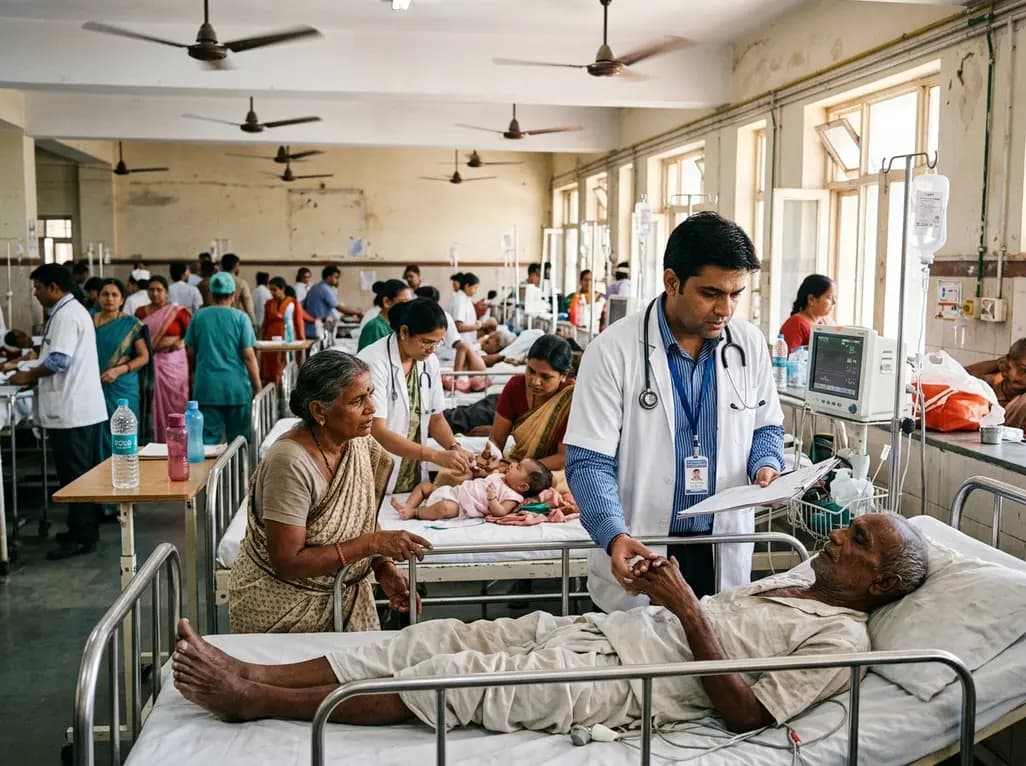
Recent global epidemiological surveillance underscores a profound environmental crisis across South Asia. According to the tenth Lancet Countdown report, India ranks among the top nations experiencing perilous heatwave exposure. This accelerating environmental crisis disproportionately threatens extreme demographic cohorts, specifically neonates, infants, and older adults. Although global heatwave days decreased slightly after 2024, the year 2025 marked the second highest exposure on record. Consequently, Indian medical practitioners face unprecedented surges in heat-related morbidity during prolonged summer months.
The latest findings deliver an urgent warning regarding climate health impacts. In 2025, vulnerable populations endured catastrophic thermal burdens. Older adults worldwide experienced 10.8 billion person-days of extreme heatwaves. Simultaneously, infants logged 1.1 billion person-days of severe thermal stress. When normalized for population distribution, older individuals averaged 12.8 heatwave days each. Similarly, infants endured an average of 8.7 days during that single year. India shared the highest aggregate exposures alongside China, the United States, and Russia. Furthermore, thermal excess accounted for an estimated 710,000 fatalities globally in 2023. Remarkably, this total exceeded baseline mortalities from malaria and HIV combined. Climate change directly drove over seventy percent of those catastrophic fatalities. Moreover, cumulative epidemiological models calculate nearly three million direct heat deaths between 2016 and 2023. These staggering figures reflect a widening adaptation deficit across developing countries. Specifically, rapid urbanization, deficient green cover, and tin roofs amplify ambient microclimates. Therefore, public health experts demand that global leaders treat climate change as an acute emergency. Clinicians must simultaneously prepare health centers for rising seasonal surges. Additionally, rural primary clinics require dedicated heat wards and oral rehydration points. Without rapid community adaptation, extreme temperatures will cause catastrophic preventable morbidity.
Infants represent an exceptionally fragile demographic during severe heat spells. Neonatal and infant physiology exhibits distinct thermoregulatory limitations that accelerate core overheating. First, infants possess a substantially higher ratio of body surface area to mass. This anatomic characteristic promotes rapid environmental heat absorption under hot conditions. Second, immature infant sweat glands generate sweat with reduced evaporative efficiency. Consequently, cutaneous heat dissipation remains markedly compromised in young children. Third, basal metabolic heat production per unit mass is elevated in early life. Furthermore, infants cannot articulate thirst, alter clothing, or seek sheltered shade independently. Thus, they rely completely on attentive caregivers to escape thermal harm. Clinical signs of pediatric heat stress frequently present in subtle stages. Caregivers usually notice excessive irritability, depressed fontanelles, oliguria, tachycardia, and lethargy. In severe heatstroke, core body temperatures rapidly surpass 39 degrees Celsius. Subsequently, severe hyperthermia can trigger cerebral edema, status epilepticus, and cardiovascular collapse. Therefore, pediatricians must guide mothers to breastfeed more frequently during warm months. Additional plain water is unnecessary for breastfed babies under six months of age. Additionally, caregivers must never leave young children unattended inside stationary vehicles.
Older adults experience severe thermal vulnerability through combined age-related senescence and chronic multimorbidity. With advancing age, the human cardiovascular system loses autonomic elasticity. Specifically, aging attenuates cutaneous vasodilation, which impairs peripheral convective cooling. Concurrently, sweat gland atrophy and diminished cholinergic sensitivity reduce diaphoresis. As a result, older individuals store excessive thermal energy internally. Moreover, vascular stiffness and diminished cardiac reserve limit compensatory cardiac output. Sustained heat requires vigorous cutaneous perfusion to dissipate environmental thermal energy. Because compromised hearts cannot maintain high output, myocardial ischemia often follows. Consequently, heatwaves provoke surges in myocardial infarction and heart failure. Age-related declines in baseline nephron mass also increase acute kidney injury vulnerability. In addition, blunted thirst perception predisposes elderly individuals to severe hypovolemic states. Furthermore, routine polypharmacy compounds these serious physiological risks. Diuretics and renin-angiotensin antagonists can exacerbate severe volume depletion rapidly. Simultaneously, anticholinergics, antihistamines, and psychotropic agents inhibit sweating. Therefore, primary care doctors should adjust vulnerable patients' medication regimens proactively. Clinicians should educate family members to verify daily hydration status diligently. Finally, home isolation without active ventilation remains a major independent mortality predictor. Hence, social check-ins and community welfare visits save lives during severe heat spells.
Emergency clinicians must maintain high clinical suspicion for heat syndromes during summer. Heat exhaustion presents with profuse sweating, postural dizziness, headache, and weakness. In contrast, classic heatstroke constitutes an acute, life-threatening medical emergency. Diagnostic hallmarks include core temperatures surpassing 40 degrees Celsius and marked neurocognitive impairment. Specifically, affected individuals demonstrate confusion, agitation, generalized seizures, or coma. Because symptoms mimic severe sepsis or meningitis, providers must verify rectal temperature immediately. Rapid active external cooling represents the absolute cornerstone of emergency therapy. Clinicians should utilize continuous evaporative cooling with water mist and circulating fans. Alternatively, ice-water immersion provides the fastest rates of thermal reduction. The primary therapeutic objective is reducing core temperature below 39 degrees Celsius within thirty minutes. Simultaneously, resuscitation teams must secure the airway and establish intravenous access. Intravenous balanced crystalloids help restore effective circulating arterial volume. However, clinicians must avoid volume overload in elderly patients with congestive failure. Frequent monitoring of serum electrolytes, creatinine, and coagulation profiles remains critical. Ultimately, timely intervention halts progression toward multi-organ failure and death. Furthermore, antipyretics like paracetamol offer no therapeutic benefit for environmental heatstroke. Indeed, these agents increase hepatic and renal toxicity without lowering ambient hyperthermia.
Addressing climate-driven health hazards requires comprehensive structural adaptations across India. The Lancet Countdown authors emphasize that global warming outpaces current mitigation policies. Consequently, medical professionals must champion proactive climate-health initiatives within their communities. Health systems must urgently adopt climate-resilient infrastructure standards. Hospital administrators should apply reflective rooftop coatings and maintain emergency generator backups. Furthermore, municipal authorities must enforce state Heat Action Plans proactively. Under these frameworks, meteorological early warnings prompt timely hospital readiness alerts. Community health workers can distribute oral rehydration packets directly to rural households. Additionally, primary physicians should deliver targeted anticipatory guidance during routine consultations. For instance, clinicians should counsel caregivers against bundling febrile infants during heatwaves. Similarly, geriatric practitioners must adjust nephrotoxic and dehydrating medications before extreme weather strikes. At the international level, experts recommend delivering climate financing as direct grants. This fiscal approach enables resource-limited countries to build adaptive resilience without accumulating debt. Moreover, placing public health at the center of urban planning safeguards outdoor laborers. Ultimately, integrated surveillance and proactive clinical leadership will minimize avoidable climate-related fatalities.
Q1: Why are infants under twelve months especially susceptible to extreme heat?
Infants have an immature thermoregulatory system that cannot dissipate heat efficiently. Specifically, their higher ratio of body surface area to mass causes rapid heat absorption from hot ambient environments. Moreover, their sweat glands produce less sweat, reducing evaporative cooling capacity. Infants also generate higher metabolic heat per kilogram and cannot communicate thirst or move to cooler areas independently. Consequently, they depend entirely on caregivers to avoid rapid dehydration, hyperthermia, and fatal heatstroke.
Q2: How does extreme heat aggravate pre-existing cardiovascular conditions in older adults?
When ambient temperatures surge, the human body diverts significant blood flow toward cutaneous vessels to facilitate heat loss. Therefore, this cooling mechanism demands a dramatic increase in cardiac output and heart rate. However, older adults frequently possess stiffened arteries, diminished cardiac reserves, and blunted autonomic reflexes. This heightened hemodynamic demand strains the failing myocardium, triggering acute myocardial ischemia, malignant arrhythmias, or sudden decompensation. Additionally, dehydration increases blood viscosity, thereby substantially elevating coronary and cerebral thrombotic risks.
Q3: Why are antipyretic drugs like paracetamol contraindicated in classic environmental heatstroke?
Antipyretics, including paracetamol and nonsteroidal anti-inflammatory drugs, treat infectious fever by lowering a prostaglandin-elevated hypothalamic set-point. In contrast, environmental heatstroke results from pure physical thermoregulatory failure while the hypothalamic set-point remains entirely normal. Consequently, antipyretic medications fail to lower core temperature during heat emergencies. Furthermore, these pharmacological agents can severely exacerbate underlying hepatic necrosis, coagulopathy, and acute kidney injury caused by hyperthermia. Instead, emergency management relies strictly on rapid external cooling and supportive intravenous fluid resuscitation.
Disclaimer: This content is for informational and educational purposes only. It does not constitute medical advice or replace professional judgment. Refer to the latest local and national guidelines for clinical practice.
References

Read summarized clinical updates, watch expert medical content, and earn CME certifications right from your smartphone.
Open your smartphone camera to scan and install.





The 10th Lancet Countdown report highlights escalating heat risks across India, where older adults and infants face unprecedented environmental thermal strain. Clinicians must understand age-specific physiological vulnerabilities, update acute resuscitation protocols, and implement proactive heat-health safeguards.
Today

Medical Counselling Committee Round 1 allotment data reveals a significant shift among top 100 NEET-PG candidates, with 51 opting for General Medicine and 28 selecting Radiodiagnosis. Factors driving this pattern include long-term super-specialisation pathways, patient interaction, and evolving career priorities.
Today
A KGMU study reveals over half of women with breast abnormalities fail to undergo diagnostic confirmation, leading to advanced-stage detection. Discover the socio-cultural barriers, clinical risks of incomplete resection, and community-level solutions needed to bridge the critical screening-to-diagnosis gap in India.
2 days back

Recent findings from the VESUVE study demonstrate that brain MRI detects intracranial lesions in over 76% of patients with infective endocarditis. Acute ischemic stroke and subarachnoid hemorrhage independently elevate six-month mortality, underscoring the critical prognostic utility of neuroimaging.
Yesterday
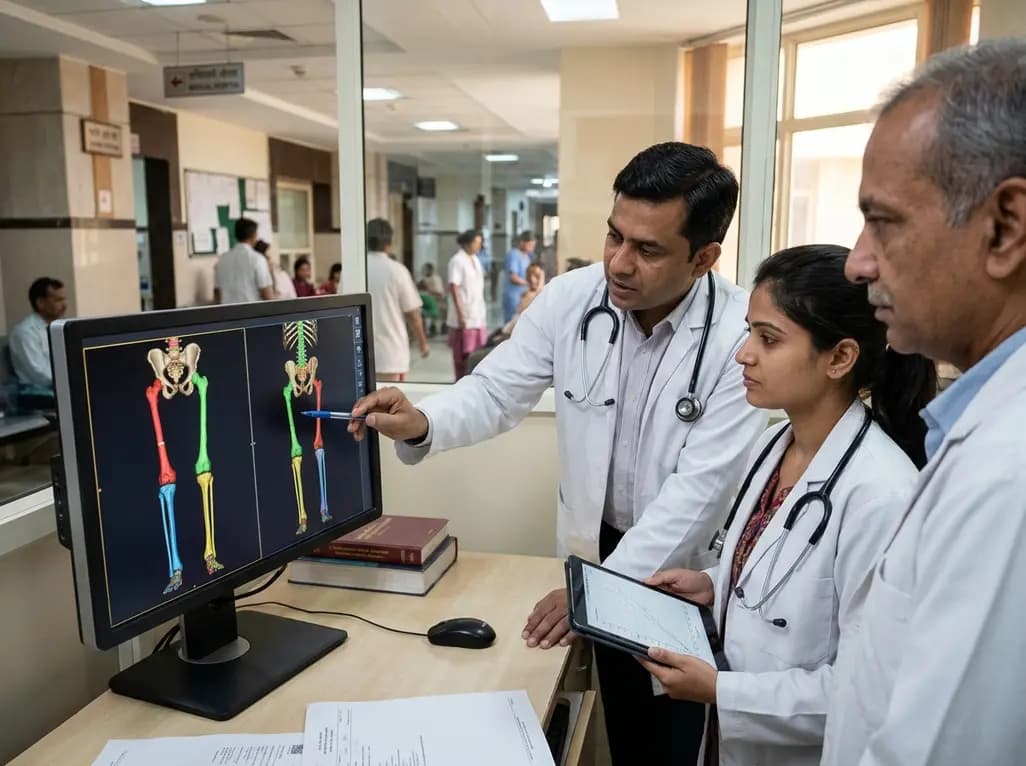
Modern 3D anthropometry reveals that pediatric leg growth ceases years before spinal elongation, exposing the clinical illusion of the classical Anderson-Green model. Learn how segmental growth dissociation improves surgical timing for epiphysiodesis in adolescent leg length discrepancy.
Yesterday

A meta-analysis of 18 studies reveals that bariatric surgery does not significantly alter circulating homocysteine levels, regardless of follow-up duration. Clinicians must maintain vigilance over post-surgical micronutrient supplementation to prevent hyperhomocysteinemia.
Yesterday
