

Loading, please wait...
Loading, please wait...
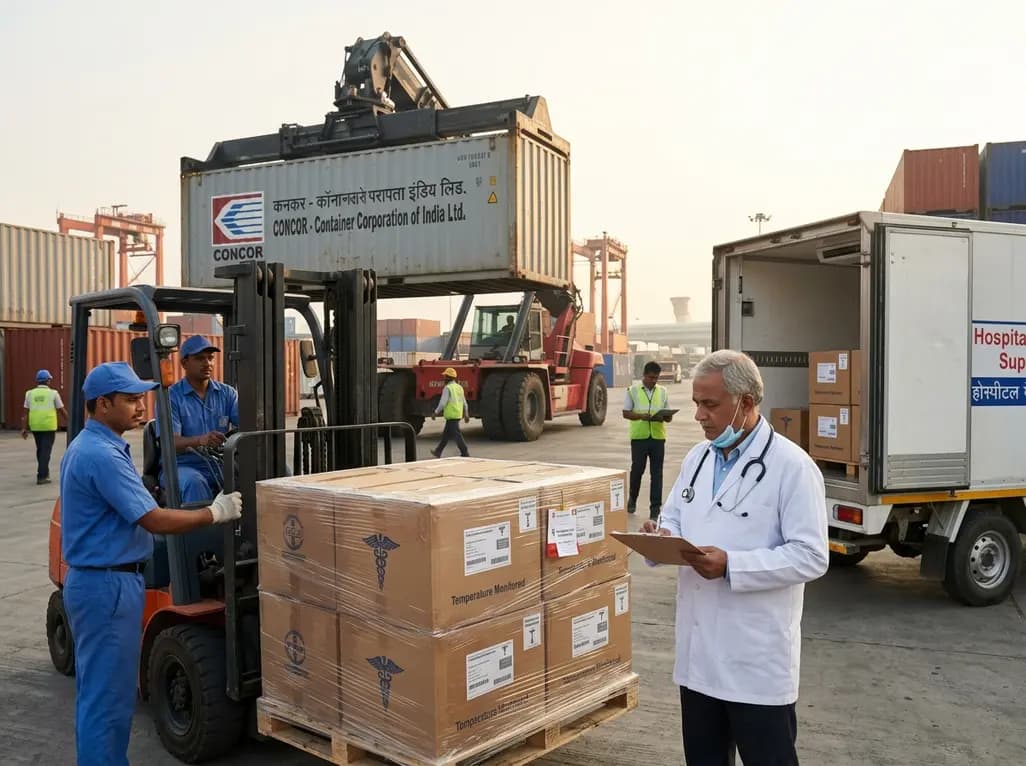
The Union Ministry of Health and Family Welfare has proposed a vital regulatory reform to strengthen India's pharmaceutical ecosystem. Specifically, the government plans to expand authorised drug import gateways across key economic regions through an amendment to Rule 43A of the Drugs Rules, 1945. Consequently, healthcare providers and domestic manufacturers can anticipate significantly accelerated customs processing for critical pharmaceutical formulations and diagnostic tools. This progressive move aims to decentralise clearance operations and eliminate chronic bottlenecks that frequently compromise supply chains across tertiary care institutions. Furthermore, faster logistical processing directly safeguards clinical readiness across multi-specialty healthcare networks.
Rule 43A of the Drugs Rules, 1945, specifies designated physical locations through which imported drugs and therapeutic products may enter India. Historically, statutory import clearance occurred primarily through a restricted list of coastal seaports, international airports, and specific land border crossings. Therefore, consignments landing at major ports often required long and complex domestic journeys to reach regional testing facilities.
Moreover, modern medical supply chains demand rigorous environmental controls, especially for cold-chain biologics and specialized implantable medical devices. When shipments remain stranded at congested maritime customs stations, product degradation risks inevitably rise. In response, regulatory authorities recognized the urgent need to modernise legacy customs frameworks. Consequently, the Central Drugs Standard Control Organization has actively integrated inland clearance points with its digital customs portal.
Furthermore, this structural alignment permits bonded cargo to travel directly to regional logistics hubs before formal customs assessment. By formalising these transit routes within statutory provisions, the government guarantees robust compliance oversight while removing unnecessary geographic friction. Thus, the draft regulatory amendment modernises import protocols to align with modern industrial distribution networks. Additionally, standardized digital clearance maintains consistent regulatory scrutiny across all newly designated entry ports. Ultimately, this legal update provides much-needed regulatory certainty for clinicians, pharmaceutical importers, and medical technology enterprises.
The proposed expansion incorporates several strategic inland container depots, a specialized industrial zone, and a premier aviation hub. Specifically, northern logistics will benefit from designated inland container depots at Sonipat, Piyala, and Harsaru located in Haryana. Additionally, Dadri in Uttar Pradesh will serve as another key inland entry point for North India.
Equally important, western India receives expanded infrastructure through the designated container hub at Gandhidham and Mundra in Gujarat. Meanwhile, southern healthcare corridors will experience substantial operational enhancement through facilities at Sanath Nagar and Thimmapur in Hyderabad. Furthermore, Karnataka gains crucial clearance capacity through the Whitefield inland container depot and the Bommasandra Special Economic Zone.
In addition to rail and maritime facilities, the proposal authorizes Noida International Airport for pharmaceutical cargo arriving by air. These newly proposed entry locations will seamlessly complement existing inland depots at Dhannad and Tihi in Madhya Pradesh. Consequently, the expanded geographical footprint places statutory clearance stations directly beside major pharmaceutical manufacturing belts and warehousing corridors. Therefore, medical device distributors can distribute critical life-saving inventory without suffering long border delays. As a result, commercial enterprises can navigate complex interstate freight channels with substantially greater speed and administrative reliability.
India currently relies on international suppliers for advanced diagnostic machinery, surgical consumables, and critical life-saving implants. Consequently, any clearance delay at entry ports directly threatens patient care in hospital operating theatres and intensive care units. Industry bodies, including the Medical Technology Association of India, have warmly welcomed the proposed statutory changes.
Specifically, healthcare leaders emphasize that prompt availability of advanced medical technologies directly influences acute clinical outcomes. By establishing entry clearance hubs closer to major hospital systems, authorities minimize prolonged inland transit periods. Furthermore, regional distributors can lower inventory holding buffers because replacement stock arrives far more predictably.
Moreover, smaller local distributors will avoid expensive demurrage fees caused by administrative congestion at primary coastal terminals. Therefore, hospital procurement departments can maintain stable inventories of essential surgical equipment, catheters, and vital therapeutic reagents. In addition, localized entry nodes support rapid emergency imports of specialized medical components during critical clinical emergencies. Furthermore, surgeons will obtain customized prosthetic devices and robotic surgical tools without experiencing disruptive procedural rescheduling. Ultimately, strengthening these MedTech distribution channels ensures that vital therapeutic interventions reach bed-bound patients without unnecessary bureaucratic impediment.
Beyond improving clinical preparedness, expanding clearance gateways generates substantial economic advantages for the broader healthcare economy. For example, moving freight directly to inland dry ports drastically lowers domestic inter-state trucking expenses. Additionally, shorter transit timelines reduce fuel consumption, contributing positively to national green logistics targets.
Furthermore, clearing consignments closer to manufacturing plants and packaging units streamlines finished formulation assembly. As a result, domestic pharmaceutical formulators can rapidly integrate imported active pharmaceutical ingredients into their production schedules. Conversely, older logistics workflows forced businesses to absorb hefty storage costs while cargo awaited inspection at distant seaports.
Moreover, the seamless integration of inland customs checkpoints with the ICEGATE digital platform automates document verification and testing referrals. Consequently, administrative turnaround times will fall markedly across all participating regulatory zones. Thus, these operational savings directly enhance cost efficiency across the entire healthcare ecosystem. Over time, reduced freight overheads will alleviate financial burdens on private and public procurement systems. Additionally, optimized logistics structures prevent artificial price escalation on imported pharmaceutical commodities for everyday end-users. Hence, the reform strengthens India's industrial competitiveness while protecting healthcare consumers from excessive supply costs.
While geographical decentralization delivers clear logistics benefits, maintaining rigorous regulatory oversight remains fundamentally essential. Importantly, every newly designated entry hub requires dedicated CDSCO testing infrastructure and qualified drug inspectors. Without adequate local laboratory facilities, decentralization could inadvertently create regional testing bottlenecks.
Therefore, the Union Health Ministry has prioritized synchronizing digital customs declarations with local drug testing laboratories. Furthermore, strict statutory enforcement ensures that imported therapeutic compounds consistently fulfill strict pharmacopeial quality standards. Consequently, medical practitioners can prescribe imported therapeutics with absolute confidence regarding clinical potency, chemical purity, and brand authenticity.
Additionally, clinical pharmacologists recognize that preventing environmental exposure preserves biological efficacy for sensitive drugs. Because inland clearance minimizes prolonged domestic road travel, cold-chain products experience fewer temperature excursions during transit. Thus, modern oncology therapeutics, monoclonal antibodies, and critical vaccines maintain their full therapeutic integrity before patient administration. Furthermore, streamlined batch sampling prevents compromised pharmaceuticals from entering retail channels undetected. In conclusion, combining expanded access gateways with uncompromising quality audits establishes a resilient, modern medical supply ecosystem. Therefore, this strategic regulatory expansion marks a decisive milestone for healthcare infrastructure across India.
Q1: What is the primary purpose of expanding drug import entry points under Rule 43A?
The primary purpose is to decentralise customs clearance for imported pharmaceuticals, medical devices, and active ingredients. By adding inland container depots, specialized economic zones, and regional airports, the government allows importers to process consignments closer to distribution centres and manufacturing facilities. Consequently, this measure reduces inland transportation distances, curtails logistics expenses, prevents port congestion, and ensures that critical therapeutic supplies reach hospitals and patients much faster across India.
Q2: Which specific new locations are proposed under the draft amendment?
The proposed amendment includes Inland Container Depots at Sonipat, Piyala, and Harsaru in Haryana, Dadri in Uttar Pradesh, and Gandhidham or Mundra in Gujarat. Furthermore, it designates depots at Sanath Nagar and Thimmapur in Hyderabad, Whitefield in Bengaluru, and the Bommasandra Special Economic Zone. Additionally, Noida International Airport in Uttar Pradesh is designated as an authorized entry point for pharmaceutical consignments arriving by air cargo.
Q3: How does this regulatory change directly benefit healthcare providers and patients?
This regulatory expansion directly benefits healthcare providers and patients by minimizing transit delays for imported pharmaceuticals, advanced medical devices, and surgical consumables. Because customs clearances occur near regional warehouses, hospitals can maintain reliable inventory buffers without unexpected supply interruptions. Moreover, shorter domestic transit times reduce cold-chain failure risks for sensitive biologics, ensuring that clinicians administer safe, potent, and uncompromised therapies during time-critical medical interventions.
Disclaimer: This content is for informational and educational purposes only. It does not constitute medical advice or replace professional judgment. Refer to the latest local and national guidelines for clinical practice.
References

Read summarized clinical updates, watch expert medical content, and earn CME certifications right from your smartphone.
Open your smartphone camera to scan and install.





The Union Health Ministry has proposed amending Rule 43A of the Drugs Rules, 1945, to add new Inland Container Depots, a Special Economic Zone, and Noida International Airport as authorised entry hubs. This strategic move aims to decentralise customs clearance, cut transit times, and boost hospital supply security.
Today

A prospective study introduces a clinical and biomarker-based score incorporating faecal calprotectin to predict microscopic colitis with high accuracy (AUC 0.90), outperforming older risk scores and preventing missed diagnoses during colonoscopy in chronic watery diarrhoea.
Today
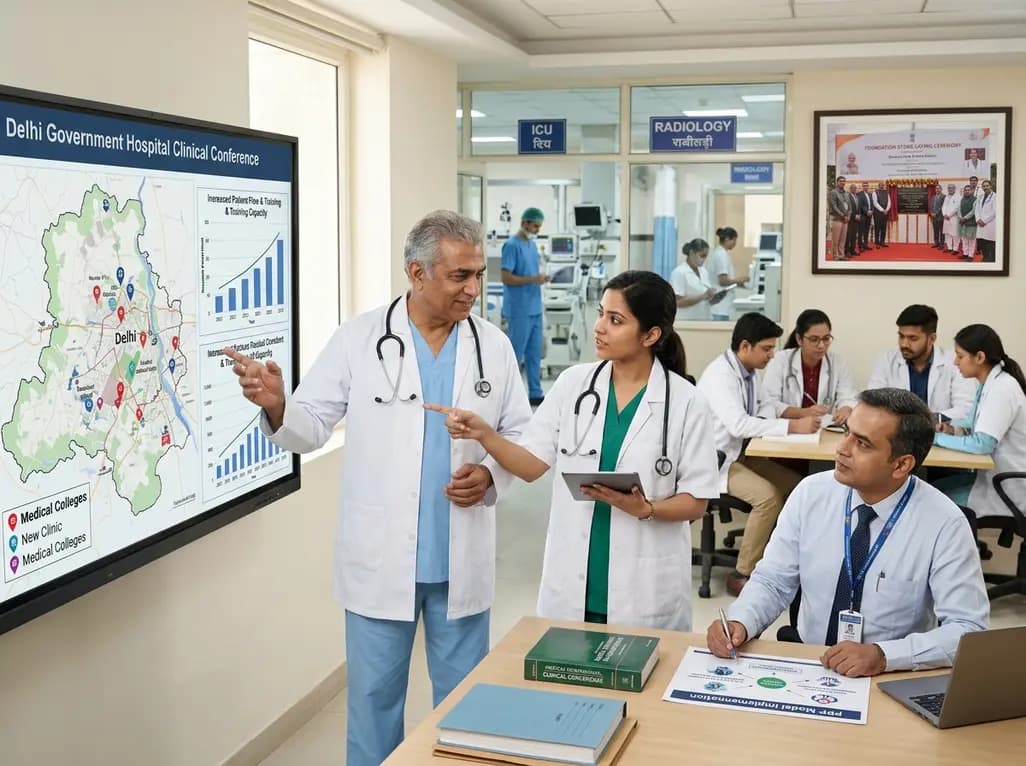
Delhi is undergoing a major healthcare overhaul with enhanced Ayushman Bharat insurance up to ₹10 lakh, increased MBBS and PG medical training seats, expanded primary network mandirs, new tertiary neuro-ICUs, and public-private reproductive technology initiatives to build a resilient, preventative healthcare model.
Today
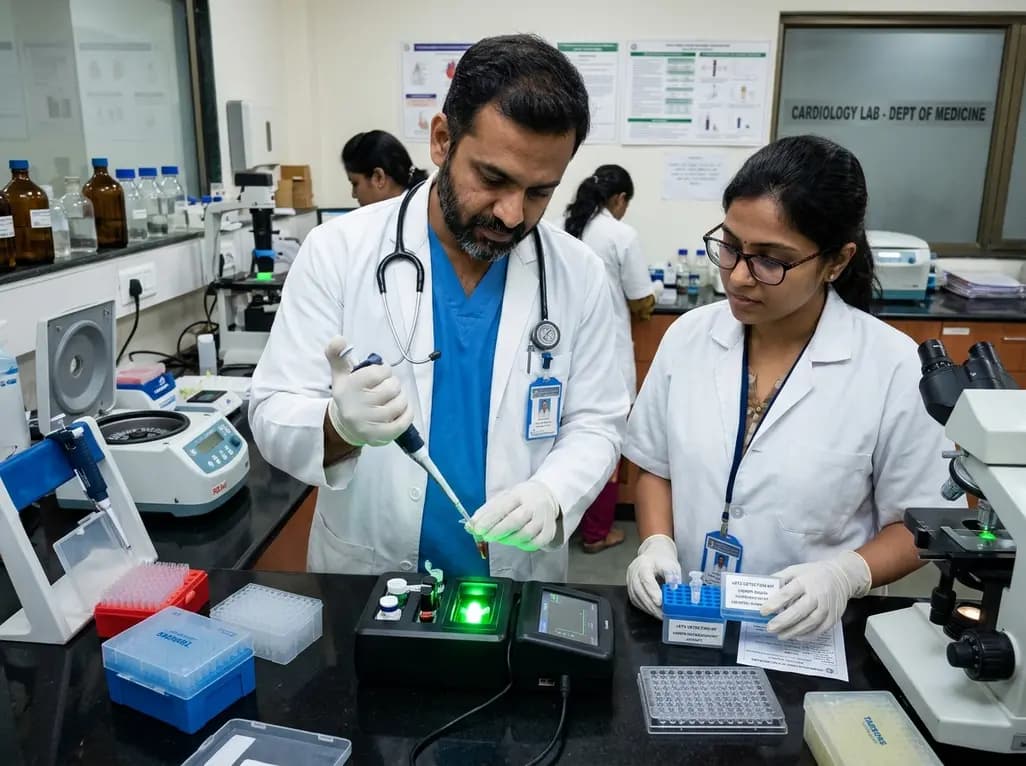
Researchers have engineered an innovative CRISPR-Cas12a fluorescent diagnostic kit for clinical sST2 detection. By combining nanotechnology with enzymatic trans-cleavage, this platform enables rapid, ultrasensitive heart failure diagnosis and risk stratification, outperforming conventional laboratory ELISA methods.
Today
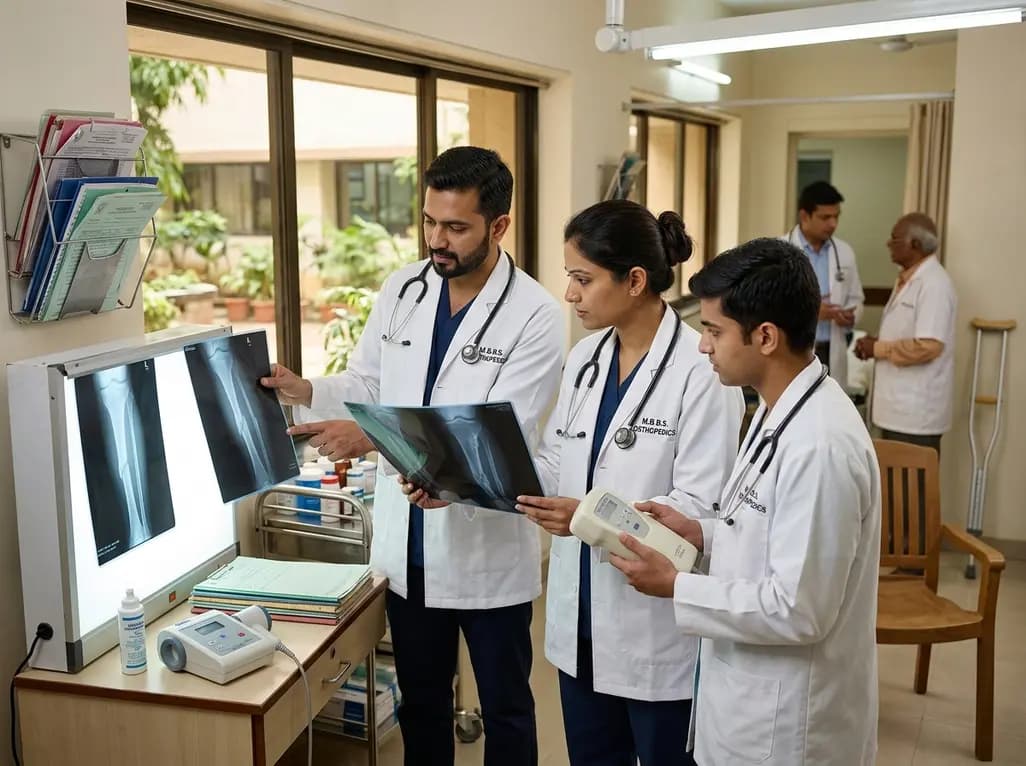
Non-union fractures occur in 2-5% of cases, causing significant disability and cost. Conservative modalities such as LIPUS, PEMF, and focused ESWT offer non-surgical healing options for defects up to 5-10 mm when adequate mechanical stability exists without infection.
Today
A Brazilian birth cohort reveals significant sex-specific associations between preterm birth and adolescent adiposity, underscoring the urgent need for targeted long-term cardiometabolic surveillance and tailored clinical monitoring.
Today
