

Loading, please wait...
Loading, please wait...

Implementing inclusive public health surveys is essential for capturing accurate healthcare data. A recent study involving Vietnamese Americans demonstrates that diverse survey modalities significantly improve representation. While electronic surveys are popular, they often marginalize non-English speakers. Consequently, health researchers must adopt flexible methodologies to ensure equity. These findings are particularly relevant for clinicians and public health experts in diverse regions like India, where linguistic and digital barriers often hinder data collection.
The study compared electronic and paper-based responses to evaluate demographic differences. During the second phase of recruitment, Vietnamese speakers were significantly more likely to utilize paper surveys. Furthermore, female participants and individuals with lower education levels showed a strong preference for paper formats. Conversely, those with higher education or a history of COVID-19 favored electronic methods. Therefore, relying solely on digital outreach can unintentionally skew results and exclude vulnerable populations.
Moreover, community-based organizations (CBOs) play a pivotal role in these initiatives. By collaborating with bilingual recruiters, researchers can bridge linguistic and cultural gaps effectively. In addition, community-engaged research fosters trust within minority groups. This approach ensures that recruitment strategies align with the community's unique needs. In conclusion, combining paper tools with strong community partnerships ensures more comprehensive and accurate public health insights.
Paper surveys help bridge the digital divide. They provide accessibility for older adults and non-native speakers who may lack digital literacy. This ensures the collected data reflects a truly representative demographic rather than just tech-savvy individuals.
CBOs act as trusted intermediaries between researchers and the public. By using local knowledge and bilingual staff, they increase participant trust. Consequently, participation rates rise among populations that are typically underrepresented in clinical and public health research.
Disclaimer: This content is for informational and educational purposes only. It does not constitute professional medical advice, diagnosis, or treatment. Always seek the advice of your physician or other qualified health provider with any questions you may have regarding a medical condition. Refer to the latest local and national guidelines for clinical practice.
References
Nguyen C et al. Survey Modalities and COVID-19 Vaccine Uptake in Vietnamese Americans: Cross-Sectional Study. JMIR Public Health Surveill. 2026 Feb 25. doi: 10.2196/77520. PMID: 41740166.
Thomas SB. How Community-Engaged Research Combats Health Disparities. National Institutes of Health. 2022.
National Institutes of Health (NIH). Community Engagement Alliance (CEAL) Initiative. 2024.

Read summarized clinical updates, watch expert medical content, and earn CME certifications right from your smartphone.
Open your smartphone camera to scan and install.





A study on Vietnamese Americans highlights how paper surveys and community engagement significantly improve representation in public health research....
7 months ago
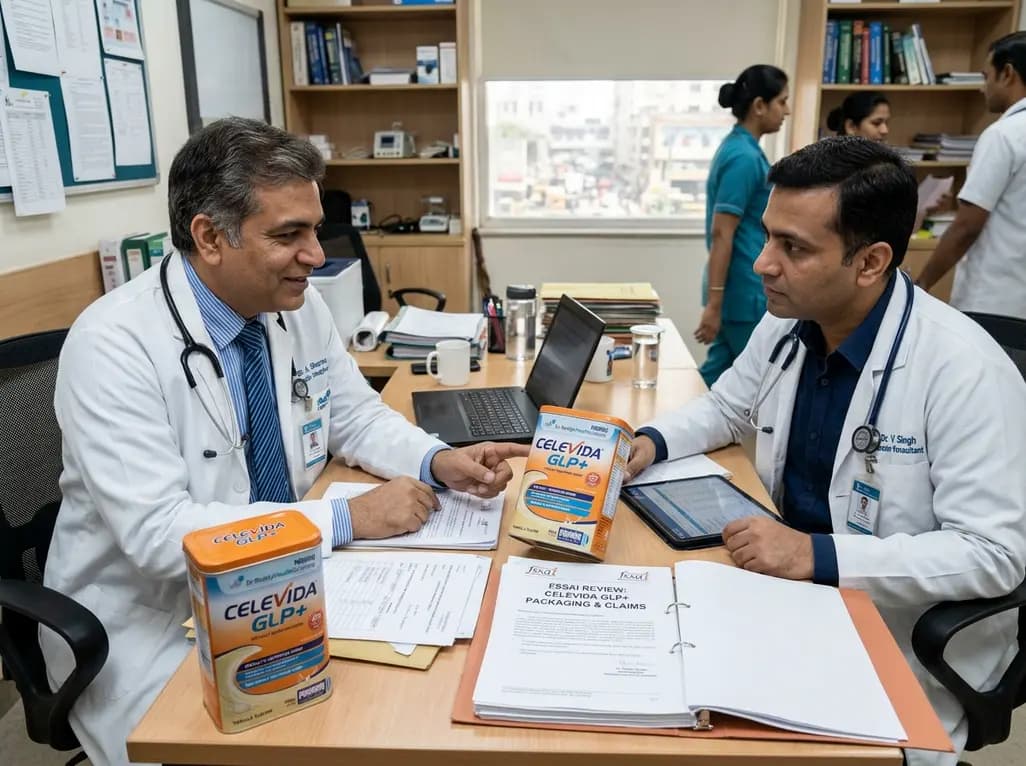
Following regulatory scrutiny from FSSAI regarding promotional representations and lean muscle preservation claims, Dr. Reddy's Laboratories and Nestlé Health Science are currently reviewing the branding and marketing strategy for their joint nutritional supplement Celevida GLP+.
Today

Demanding exhaustive hormonal profiling can inadvertently discourage clinical studies involving females. Methodological standards must align with the specific scientific question to expand, not restrict, equitable evidence for women.
Today
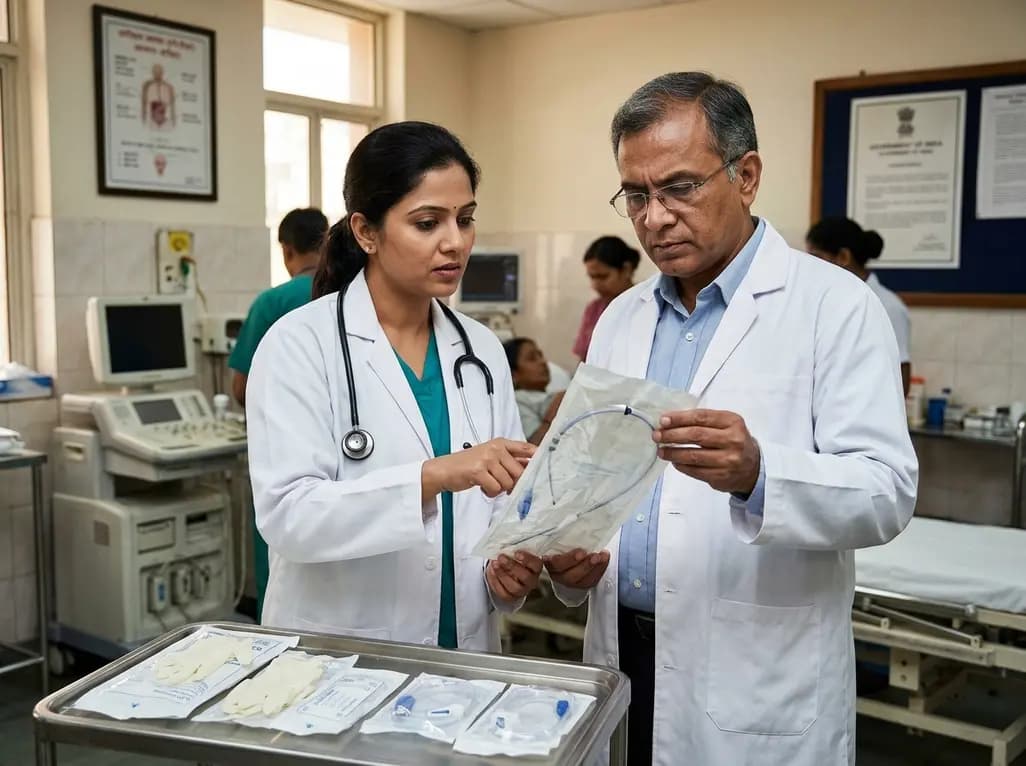
The Directorate General of Health Services directs Indian states to halt the hazardous reuse and reprocessing of single-use medical devices. Discover regulatory implications under the Drugs and Cosmetics Act, critical infection risks, legal liabilities, and operational changes required across clinical specialties.
Today
A novel calcium polyphosphate coacervate enables injectable bone implants with in situ hierarchical porosity via phase separation and gas foaming, significantly enhancing cell proliferation, energy metabolism, and osteogenic differentiation for minimally invasive bone defect repair.
Today
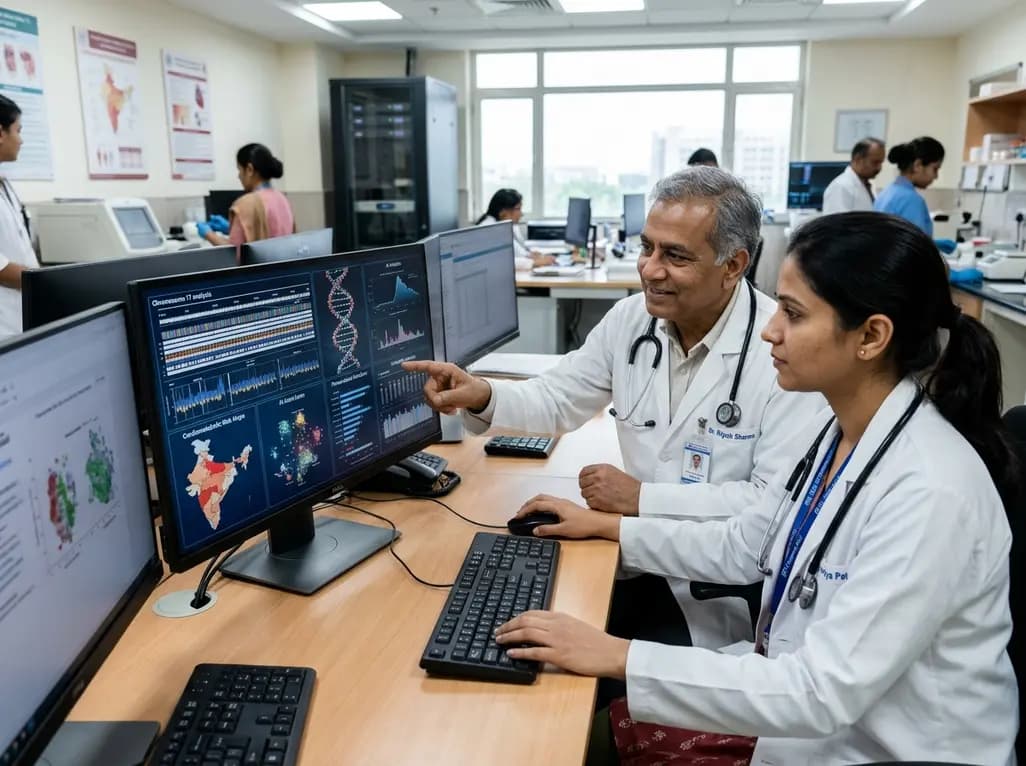
India is advancing preventive healthcare by integrating genomics, artificial intelligence, and quantum technologies. With the SANGAM programme sequencing one million Indian genomes, clinicians can unlock personalized therapies, detect cardiometabolic risks early, and curb the burden of diabetes and heart disease.
Today
