.webp&w=384&q=75)

Loading, please wait...
Loading, please wait...

Cardiovascular disease and cancer are the leading causes of morbidity worldwide. However, recent evidence suggests their relationship is bidirectional. A significant study using a global federated research network highlights the risk of incident cancer in heart failure and acute myocardial infarction (AMI). Researchers analyzed data from over 120,000 patients with heart failure and nearly 8,000 patients with AMI to understand this mid-term risk.
Furthermore, the study excluded patients with any history of prior or concurrent cancer. This allowed for a cleaner look at new diagnoses occurring at least six months after the initial cardiac event. Consequently, the findings provide a stark warning for clinicians regarding the long-term surveillance of cardiac survivors.
The results showed a significantly higher incidence of cancer in both cardiac groups compared to matched controls. For patients with heart failure, the hazard ratio (HR) was 2.80. Similarly, patients who suffered an AMI showed a HR of 2.02. Therefore, both conditions appear to be independent predictors of future malignancy. Moreover, the risk was even more pronounced in patients who experienced both heart failure and AMI, with a hazard ratio of 3.85.
Notably, the follow-up period had a median of 13 to 16 months. Despite this relatively short duration, the difference in cancer rates was statistically significant. This suggests that the pathophysiological changes triggered by a cardiac event might accelerate existing subclinical oncogenic processes. Chronic inflammation and shared risk factors, such as smoking and obesity, likely drive this dangerous liaison.
In the Indian context, where the burden of both heart disease and cancer is rising, these findings are critical. Physicians must consider that survivors of acute cardiac events are a high-risk group for subsequent malignancies. Additionally, the study emphasizes the need for multidisciplinary care between cardiologists and oncologists. Early screening and vigilant monitoring during the post-hospitalization phase could lead to earlier cancer detection and improved survival rates.
According to the global research report, patients with heart failure are 2.8 times more likely to develop incident cancer compared to individuals without the condition.
Yes, patients who have experienced an acute myocardial infarction (AMI) have a two-fold increased risk of developing new cancer diagnoses during mid-term follow-up.
While the exact mechanisms are still under study, researchers believe that shared risk factors and systemic inflammation play a major role. Some studies also suggest that factors secreted by a failing heart may directly stimulate tumor growth.
Disclaimer: This content is for informational and educational purposes only. It does not constitute professional medical advice, diagnosis, or treatment. Always seek the advice of your physician or other qualified healthcare provider with any questions you may have regarding a medical condition. Refer to the latest local and national guidelines for clinical practice.
References
Camilli M et al. Incident cancer in heart failure, myocardial infarction or both: a report from a global federated research network. Eur J Heart Fail. 2026 May 10. doi: undefined. PMID: 42107036.
Hasin T, et al. Heart failure after myocardial infarction is associated with increased risk of cancer. J Am Coll Cardiol. 2016;68(3):265-271.
Meijers WC, de Boer RA. Heart failure and cancer: more than a coincidence. Nat Rev Cardiol. 2019;16(4):202-203.

Read summarized clinical updates, watch expert medical content, and earn CME certifications right from your smartphone.
Open your smartphone camera to scan and install.





A global study shows patients with heart failure or acute myocardial infarction face a significantly higher risk of developing incident cancer during follow...
5 months ago
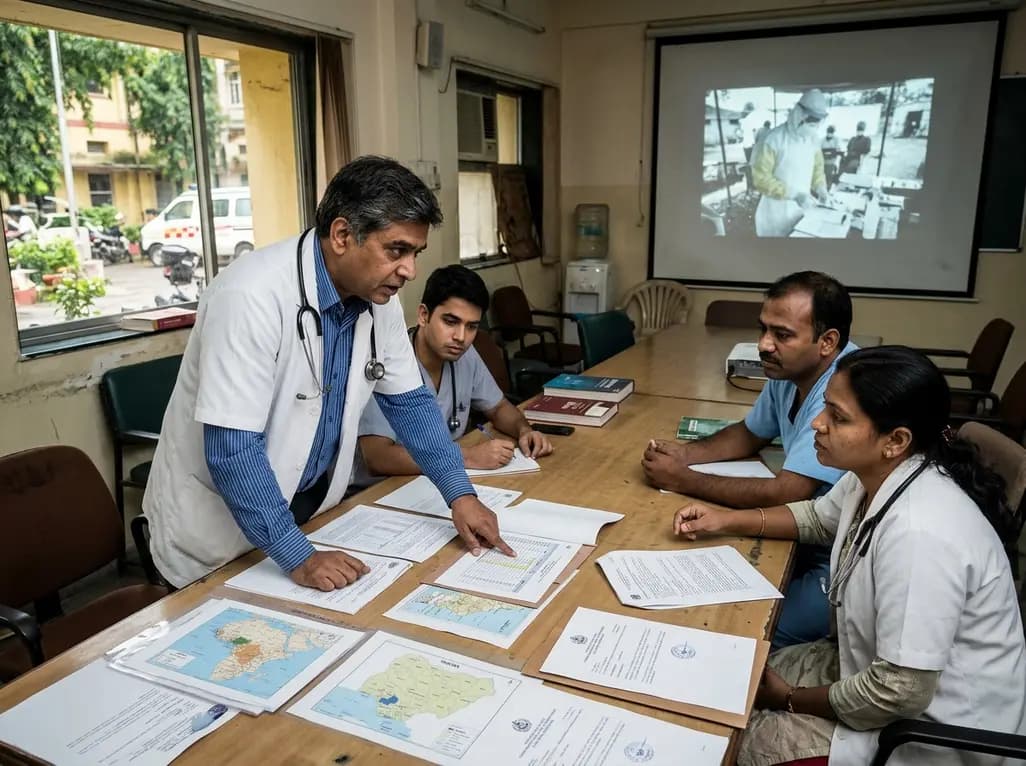
Following Nigeria's first recorded Ebola case linked to regional travel, the Africa CDC has convened an emergency ministerial summit. This alert underscores critical clinical priorities for healthcare professionals, including differentiating early viral infection from malaria, implementing barrier nursing, and triage.
Today

Leucine Rich Bio has introduced South Asia's first comprehensive vaginal microbiome test, BugSpeaks. By profiling microbial dysbiosis, pathogens, and antimicrobial resistance, this next-generation diagnostic platform provides clinicians with deeper insights into recurrent infections, fertility, and reproductive health.
Today

Review how tailored exercise programs benefit frail older patients with heart failure. Explore pathophysiological mechanisms, individualized training prescriptions, and strategies to overcome adherence barriers in clinical practice.
Today

This comparative study evaluates posterior labral tears with and without glenohumeral instability, highlighting distinct demographic patterns, MRI underestimation in stable shoulders, and successful arthroscopic repair outcomes.
Today

A clinical study demonstrates that early intervention with tocilizumab, either as monotherapy or bridged with corticosteroids, achieves significant proptosis reduction and resolves active inflammation in treatment-naive thyroid eye disease.
Today
