.webp&w=384&q=75)

Loading, please wait...
Loading, please wait...
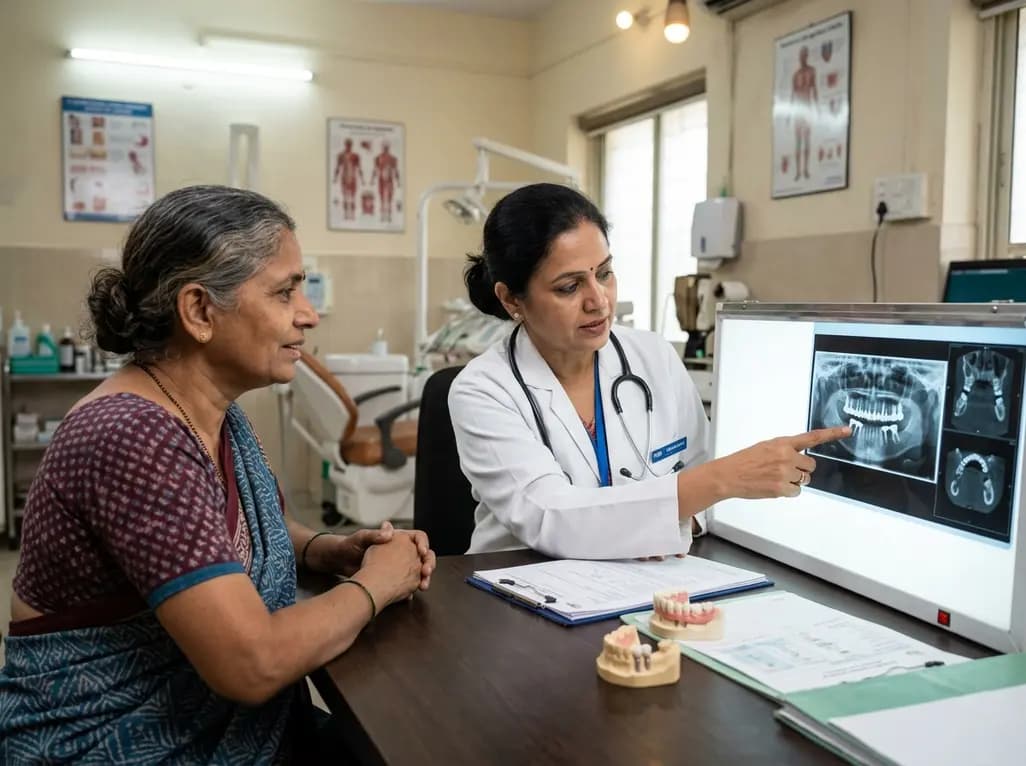
Pemphigus vulgaris represents a chronic autoimmune vesiculobullous disease that causes painful mucosal ulcerations and severe tissue fragility. Consequently, restoring complete edentulism in affected individuals presents significant clinical hurdles for dental clinicians. Traditional removable prostheses frequently induce mechanical friction against delicate mucosal surfaces, which subsequently triggers new blister formation and severe discomfort. To overcome these challenges, clinicians increasingly consider implant-based options to restore oral function safely. Achieving successful full mouth rehabilitation using a pemphigus vulgaris implant prosthesis requires precise clinical coordination, careful patient selection, and active pharmacologic disease control. A recent clinical report detailing the care of a 59-year-old edentulous woman highlights how advanced surgical planning and prosthetic design achieve long-term functional recovery. Furthermore, this approach minimizes mucosal friction while ensuring excellent tissue stability over extended follow-up periods. When clinicians stabilize systemic autoimmune activity prior to surgical intervention, endosseous dental implants offer a highly predictable alternative to conventional removable dentures. Therefore, understanding the integration of advanced imaging, precise implant positioning, and screw-retained prosthodontics remains essential for modern dental specialists managing complex autoimmune conditions.
Comprehensive preoperative evaluation is paramount when planning complex surgical interventions in patients with autoimmune mucosal disorders. Before initiating any surgical procedures, clinicians must verify complete disease remission through close collaboration with attending dermatologists. Once medical clearance confirms stable oral mucosa, precise three-dimensional diagnostic imaging becomes essential. Specifically, cone beam computed tomography provides critical insights into available alveolar bone density, anatomy, and ridge height. By utilizing advanced digital planning software, clinicians precisely map out optimal implant trajectories without compromising adjacent vital anatomical structures. Furthermore, digital surgical guides allow highly accurate implant placement while dramatically reducing soft tissue trauma during surgery. Minimizing surgical trauma is especially crucial for individuals with autoimmune mucosal fragility, as unnecessary tissue displacement can provoke painful ulcerative flare-ups. In addition, meticulous pre-surgical planning allows practitioners to select ideal implant dimensions and optimize stress distribution across the residual jawbones. Ultimately, combining precise digital planning with minimally invasive execution establishes a solid foundation for long-term osseointegration and clinical success in medically compromised patients.
Following successful endosseous implant placement and appropriate healing periods, prosthetic execution must emphasize tissue preservation and biomechanical stability. Clinicians installed multiunit abutments onto the stable implants to elevate the restorative margin away from sensitive mucosal tissues. Subsequently, clinicians fabricated customized screw-retained prostheses to deliver immediate functional support while avoiding harmful surface friction. Screw-retained designs offer distinct clinical advantages over cement-retained alternatives in autoimmune cases. Most importantly, screw retention completely eliminates the risk of retained subgingival cement, which otherwise induces localized inflammation and tissue breakdown. Furthermore, screw-retained prostheses allow easy retrievability for periodic clinical evaluations, professional maintenance, and necessary hygienic adjustments. Practitioners designed the prosthetic contours carefully to facilitate effortless patient oral hygiene routines and maintain plaque control. By maintaining harmonious occlusal contacts and passive framework fit, the clinical team protected both hard and soft tissues from excessive mechanical loading. Consequently, this refined prosthetic approach successfully restored masticatory efficiency, facial aesthetics, and phonetic function without compromising mucosal integrity.
Evaluating long-term outcomes remains critical for confirming the viability of complex implant interventions in autoimmune patients. At the three-year follow-up examination, the patient demonstrated significant clinical improvements across health, esthetics, and functional parameters. Diagnostic radiographs confirmed stable endosseous implants with minimal marginal bone loss surrounding all fixtures. Furthermore, peri-implant soft tissues displayed healthy clinical architecture without signs of mucositis, peri-implantitis, or recurrent bullous lesions. The patient reported dramatic enhancements in masticatory capacity, social confidence, and overall quality of life. Regular maintenance visits played a vital role in preserving these favorable outcomes over time. During maintenance appointments, clinicians evaluated occlusal balance, verified screw tightness, and reinforced meticulous plaque control measures. Additionally, continuous monitoring ensured that systemic autoimmune therapy maintained complete disease control throughout the post-restorative phase. These favorable long-term findings demonstrate that rigid implant support provides an exceptional restorative solution when clinical protocols strictly emphasize mucosal protection and controlled mechanical loading.
Managing edentulous patients with complex systemic mucosal conditions demands a cohesive interdisciplinary treatment framework. Oral surgeons, prosthodontists, and dermatologists must communicate continuously throughout treatment phases to optimize clinical safety. Dermatologists ensure that systemic corticosteroid or immunosuppressive therapy keeps autoimmune activity in complete remission during surgical healing. Meanwhile, dental specialists carefully adjust surgical timing and prosthetic mechanics to suit the patient's individual mucosal tolerance. In addition, incorporating regular periodontal maintenance protocols prevents localized microbial accumulation that might otherwise provoke inflammatory responses. Patient education regarding daily home care remains equally vital for preventing mucosal irritation and maintaining peri-implant health. Patients must use soft oral hygiene aids and non-abrasive cleansing agents to protect delicate tissue barriers. By establishing robust multidisciplinary pathways, dental teams can predictably expand restorative treatment options for patients previously considered poor surgical candidates. Therefore, structured collaboration significantly improves predictable clinical outcomes in special care dentistry.
Clinicians treating patients with oral autoimmune diseases should adopt structured protocols to ensure surgical and prosthetic success. First, always confirm stable clinical remission before attempting any elective implant procedures. Second, utilize advanced digital planning tools and CBCT imaging to maximize surgical precision while minimizing soft tissue reflection. Third, select screw-retained prosthetic architectures to eliminate subgingival cement irritants and simplify ongoing maintenance. Fourth, establish tight recall schedules to monitor soft tissue health, occlusal stability, and peri-implant bone levels continuously. Finally, maintain open communication channels with the patient's medical team to address any systemic medication changes promptly. Following these evidence-based principles allows practitioners to achieve safe, long-lasting oral rehabilitation in challenging patient populations.
Dental implants are generally contraindicated during active autoimmune flare-ups due to tissue fragility and impaired healing. However, once dermatologists achieve complete clinical remission through appropriate immunosuppressive therapy, surgical implant placement becomes a safe and highly predictable option. Preoperative medical clearance and careful digital planning remain mandatory steps before starting any surgical intervention.
Screw-retained prostheses completely eliminate the risk of residual subgingival cement, which can trigger severe mucosal inflammation and peri-implant disease. Additionally, screw-retained designs offer easy retrievability during routine maintenance appointments. This feature allows clinicians to clean, inspect, and adjust restorations easily without traumatizing fragile peri-implant mucosal tissues.
Removable dentures rely directly on mucosal support, creating continuous friction and pressure against delicate oral tissues during mastication. In patients with pemphigus vulgaris, this friction frequently triggers painful blister formation and ulcerative erosions. Conversely, fixed implant-supported prostheses transfer occlusal loads directly to the underlying bone, completely eliminating friction against fragile soft tissues.
Disclaimer: This content is for informational and educational purposes only. It does not constitute medical advice, diagnosis, or treatment. Always seek the advice of a qualified healthcare provider with any questions you may have regarding a medical condition. Refer to the latest local and national guidelines for clinical practice.
References
Khan MAK et al. Complete mouth rehabilitation with implant-supported fixed prosthesis in a patient with pemphigus vulgaris: A clinical report. J Prosthet Dent. 2026 Aug 11. doi: undefined. PMID: 42580977.
Altin N, Ergun S, Katz J, Sancakli E, Koray M, Tanyeri H. Implant-supported oral rehabilitation of a patient with pemphigus vulgaris: a clinical report. J Prosthodont. 2013 Oct;22(7):581-6.
Al Ramil AM, Lamfoon S, Mawardi H. Dental implants for patients with oral mucosal diseases: A narrative review and clinical guidance. Dent Med Probl. 2023;60(4):687-696.

Read summarized clinical updates, watch expert medical content, and earn CME certifications right from your smartphone.
Open your smartphone camera to scan and install.





This clinical report demonstrates successful full-mouth oral rehabilitation using CBCT-guided implant-supported fixed prostheses in a 59-year-old female patient diagnosed with pemphigus vulgaris, showing stable three-year outcomes with minimal bone loss.
last month
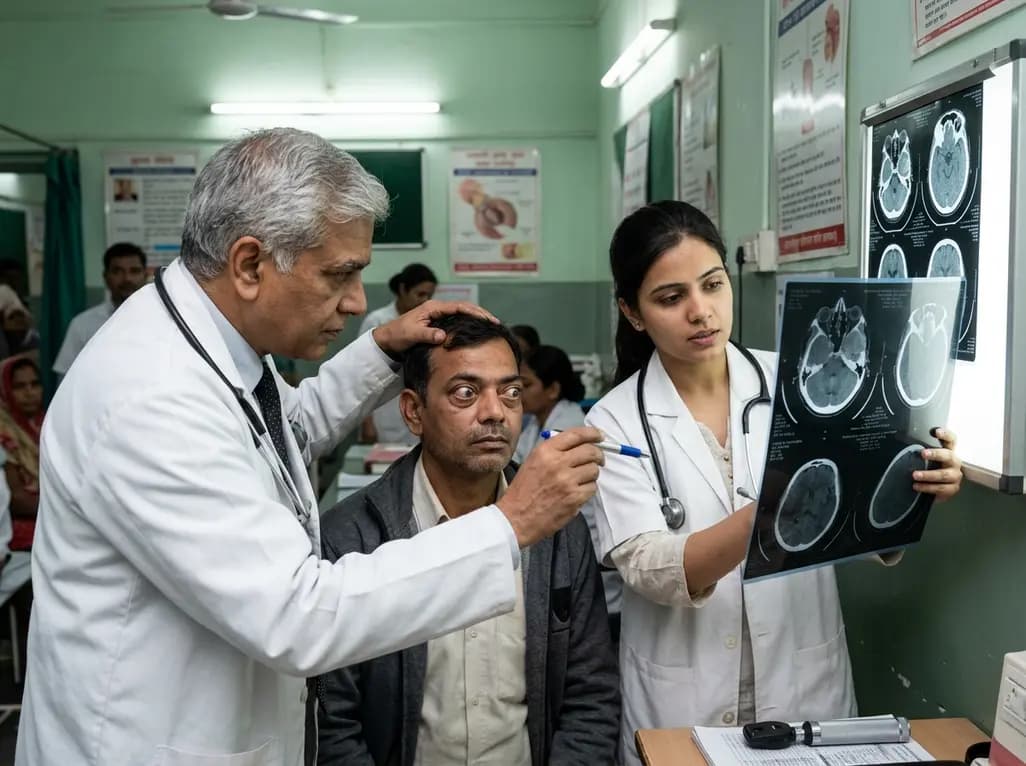
A recent clinical report details an atypical presentation of bilateral proptosis as the primary manifestation of aggressive multiple myeloma. Explore the diagnostic pathway, imaging findings, and critical multidisciplinary management strategies essential for handling extramedullary plasma cell dyscrasias.
Today

Prenatal evaluation of fetal growth restriction requires an integrated diagnostic approach. While chromosomal microarray remains fundamental, exome sequencing offers significant diagnostic yield in isolated and syndromic cases, especially when ultrasound shows skeletal anomalies or normal placental function.
Today
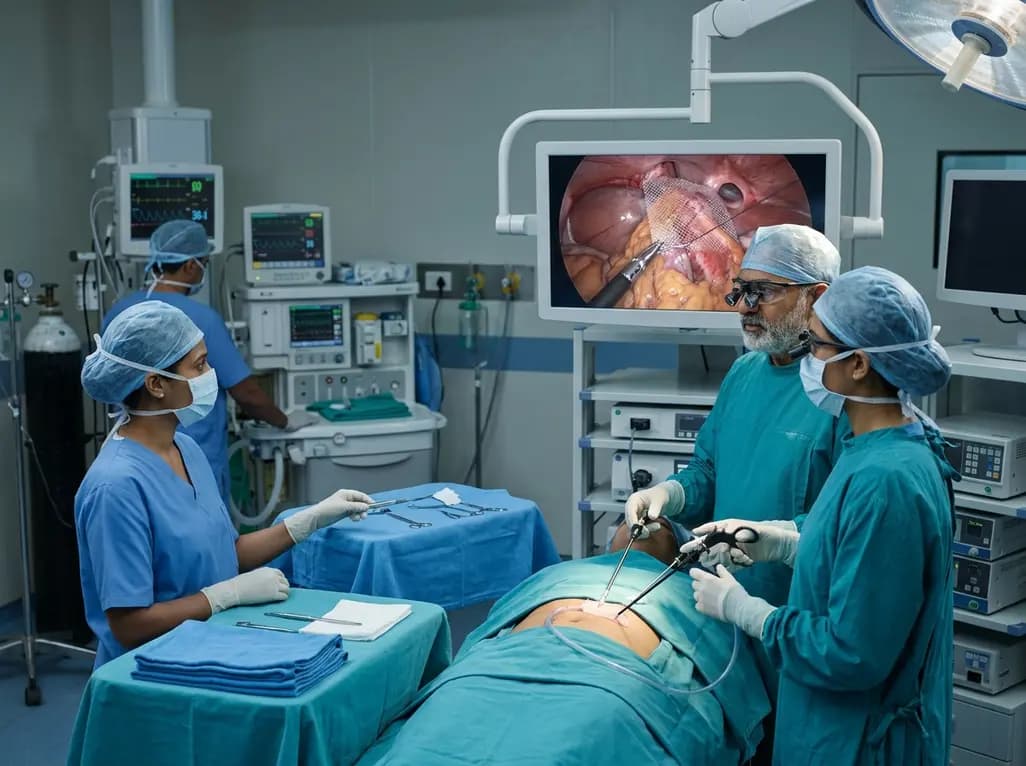
Discover a novel laparoscopic approach for iatrogenic diaphragmatic hernia repair following pedicled omentoplasty. This modified Sugarbaker technique integrates dorsal pedicle lateralization and round ligament reinforcement to secure the diaphragmatic defect while preserving vital omental vascularity.
Today
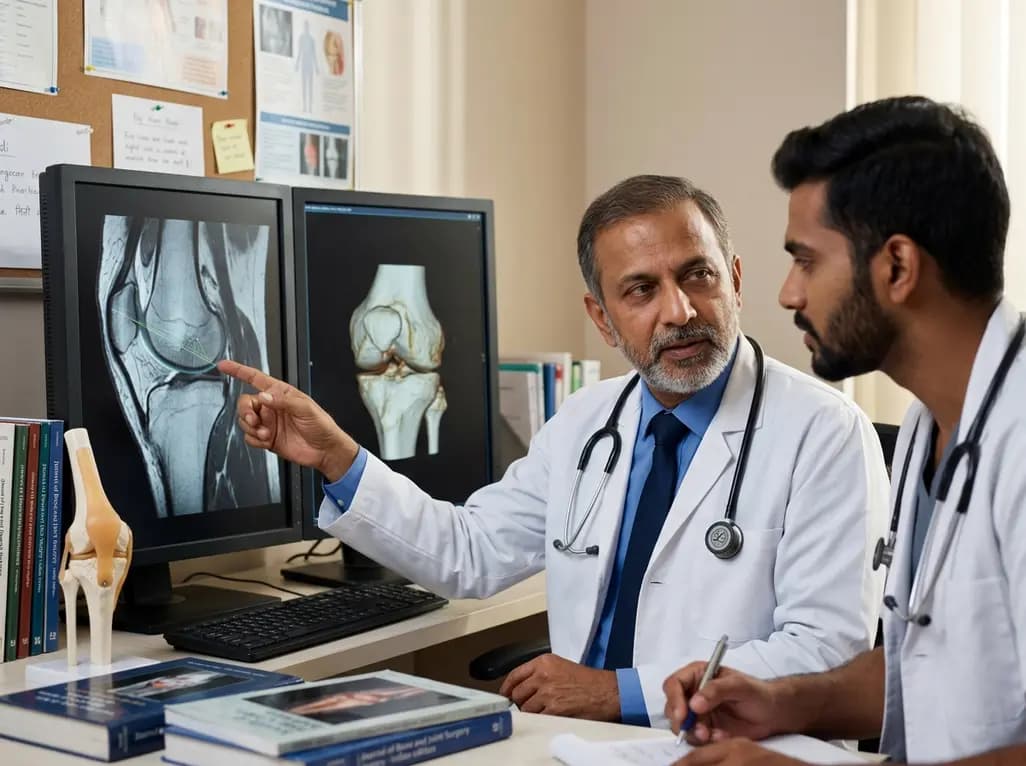
High-grade trochlear dysplasia disrupts patellofemoral stability. Although the patellotrochlear index measures cartilage overlap on MRI, cartilage contact does not ensure osseous containment. Relying solely on two-dimensional metrics may lead surgeons to overlook necessary tibial tubercle osteotomy procedures.
Today
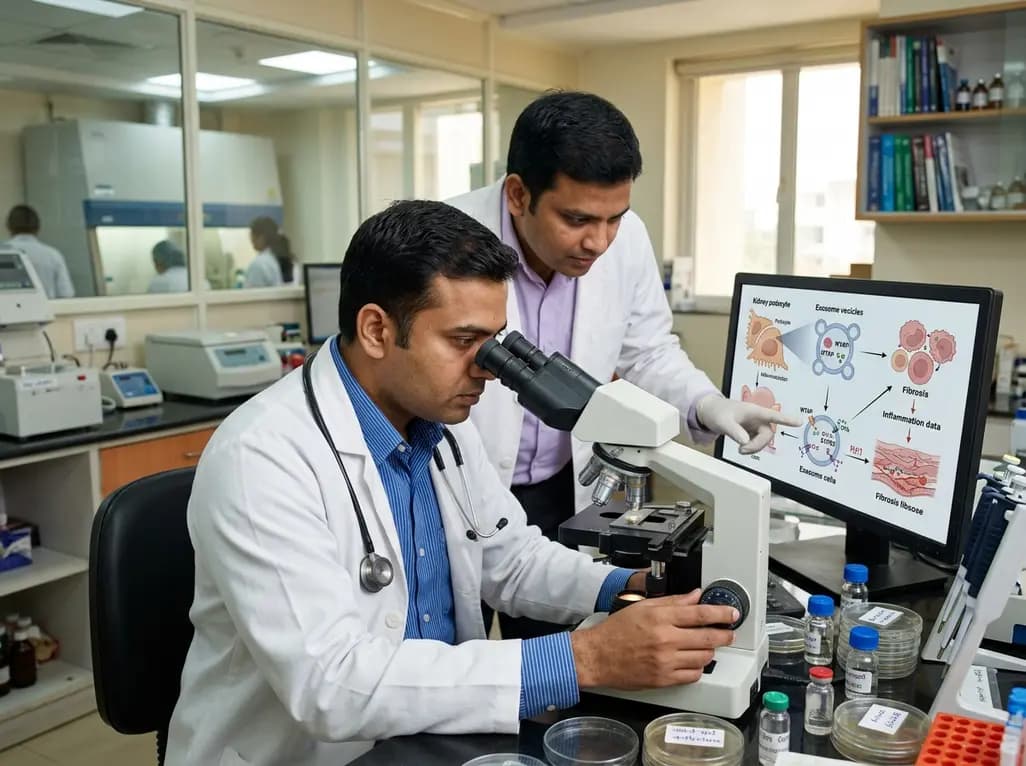
New research reveals that M1 macrophage-derived exosomes aggravate diabetic nephropathy by transferring WTAP to stabilize S1PR2 mRNA. Silencing WTAP in these vesicles attenuates endothelial injury and renal fibrosis, pointing toward innovative nanomedicine therapies.
Today
