.webp&w=384&q=75)

Loading, please wait...
Loading, please wait...
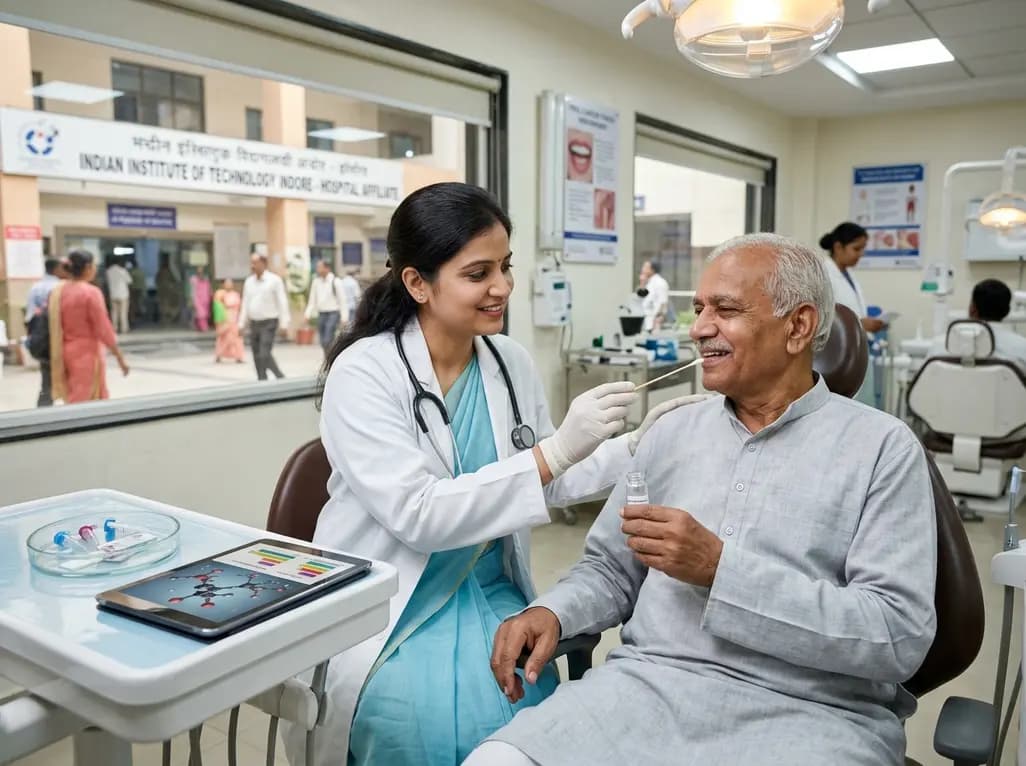
Oral squamous cell carcinoma remains a major public health challenge globally and across India. Early oral cancer detection is pivotal for improving survival rates and reducing morbidity. Traditional screening heavily relies on clinical visual examinations followed by invasive tissue biopsy. Although biopsy is the diagnostic gold standard, it presents notable limitations for mass screening and routine surveillance. Patients with precancerous conditions often find repeated tissue harvesting painful, uncomfortable, and impractical. To address these clinical hurdles, researchers at the Indian Institute of Technology Indore have developed a novel, non-invasive screening technique using a combination of saliva and oral mucosal swab samples. Led by Professor Hem Chandra Jha from the Mehta Family School of Biosciences and Biomedical Engineering, alongside Dr. Tarun Prakash Verma and Dr. Deepak Agrawal from the Government College of Dentistry in Indore, the interdisciplinary team investigated distinct molecular alterations across healthy individuals, patients with oral submucous fibrosis, and those with established oral squamous cell carcinoma. Published recently in the prestigious British Journal of Cancer, this innovative methodology offers a promising alternative to invasive procedures. By capturing biochemical signals before visible structural lesions emerge, the breakthrough marks a significant step forward in preventative oncology and point-of-care diagnostics.
In India, the widespread consumption of gutka, areca nut, and smokeless tobacco contributes significantly to a high burden of oral premalignant disorders. Oral submucous fibrosis represents a chronic, progressive condition with a high risk of malignant transformation. Consequently, monitoring these patients for early malignant transformation is essential. However, relying solely on visual inspection often fails to identify initial cellular transformation, while frequent tissue biopsies cause severe patient anxiety and compliance issues. Therefore, developing accessible non-invasive oral cancer detection strategies is a major priority in preventative healthcare. Furthermore, conventional diagnostics require specialized tertiary care centers that are frequently out of reach for rural populations. Consequently, many patients present at advanced stages when therapeutic options are limited and prognosis is poor. A non-invasive approach that utilizes easily collectible bio-fluids solves multiple clinical challenges simultaneously. Furthermore, saliva and oral mucosal swabs can be obtained safely by peripheral healthcare personnel without specialized surgical equipment. This capability permits rapid, scalable screening in high-burden, resource-limited communities. Moreover, eliminating painful procedures encourages high-risk individuals to participate in regular monitoring programs, thereby catching early dysplastic changes before they progress into invasive, life-threatening malignancies.
The core innovation of the IIT Indore methodology lies in its dual-sampling architecture. Saliva functions as a dynamic bio-fluid that mirrors systemic and local biochemical environments. However, saliva alone can sometimes dilute localized metabolic signals. To overcome this limitation, the research team combined whole saliva collection with a soft swab gently rubbed against the inner oral lining. Saliva captures fluid-phase chemical signatures produced throughout the oral cavity. Conversely, the mucosal swab directly harvests cellular debris, proteins, and localized mucosal constituents from the specific tissue interface. Combining these two complementary bio-samples provides a comprehensive molecular snapshot of the oral microenvironment. During the study, researchers evaluated three distinct clinical groups: healthy control subjects, patients diagnosed with oral submucous fibrosis, and individuals diagnosed with oral squamous cell carcinoma. By contrasting these groups, the team systematically mapped the gradual molecular shifts occurring during disease progression. Furthermore, this dual-sample methodology ensures that subtle localized mucosal alterations are not overlooked by fluid dilution. Consequently, the strategy enhances diagnostic precision while maintaining a painless experience for the patient. Thus, combining saliva and swab samples establishes a robust biological foundation for early clinical assessment.
To analyze the collected biological samples, the research team utilized high-resolution liquid chromatography-mass spectrometry, an advanced analytical tool capable of evaluating complex biomolecular mixtures. Liquid chromatography-mass spectrometry allows for precise identification and quantification of minute chemical components within saliva and cellular swab extracts. The investigation revealed distinct molecular alterations across several key physiological pathways. Specifically, researchers detected substantial shifts in lipid metabolism, cellular energy production, oxidative stress markers, tissue repair pathways, and local immune activity. As healthy oral mucosal tissue transitions toward precancerous states like oral submucous fibrosis and eventually full-scale carcinoma, these metabolic pathways undergo noticeable dysregulation. Importantly, these biochemical alterations occur well before structural architectural changes become visible under clinical inspection. Therefore, detecting these altered metabolic footprints offers a unique diagnostic window for early intervention. Moreover, liquid chromatography-mass spectrometry provides quantitative data that can be translated into targeted biomarker panels. By converting complex spectrometry profiles into specific diagnostic markers, clinicians can objectively grade disease progression. Furthermore, understanding these underlying biochemical pathways deepens our overall comprehension of oral carcinogenesis. Ultimately, mass spectrometry profiling bridges basic molecular biology and practical clinical diagnostics, paving the way for targeted clinical tools.
The clinical translation of this technology carries transformative potential for healthcare delivery in India and other low-to-middle-income regions. Oral cancer accounts for a significant proportion of total cancer cases in the Indian subcontinent. Consequently, primary care clinicians and dental practitioners urgently need simplified diagnostic tools for rapid risk stratification. Because this new protocol requires no needles, incisions, or localized anesthesia, it drastically reduces patient discomfort and procedural risk. Furthermore, point-of-care implementation of this screening method could enable community health workers to conduct mass screening drives in peripheral rural clinics. Patients identified with abnormal molecular profiles can then be prioritized for specialized diagnostic workups and aggressive surveillance. Additionally, this approach provides a reliable method for longitudinal monitoring of individuals with pre-existing oral submucous fibrosis. Instead of waiting for overt clinical ulceration or induration, clinicians can periodically evaluate molecular markers to track therapeutic response or disease stability. Moreover, the potential cost-effectiveness of saliva and swab analysis makes scalable population screening economically feasible. By facilitating early identification and intervention, this non-invasive approach has the capacity to significantly reduce overall cancer morbidity, lower healthcare expenditure, and improve long-term patient survival outcomes nationwide.
While the initial findings published in the British Journal of Cancer are highly encouraging, broader clinical implementation requires further rigorous validation. The research team at IIT Indore, alongside their clinical collaborators, plans to validate these preliminary findings across larger, geographically diverse patient cohorts. Multi-center clinical trials will help confirm the sensitivity, specificity, and positive predictive value of identified molecular markers across diverse demographic groups. Furthermore, IIT Indore has formally filed a patent application for this screening technology, which is currently under review. The ultimate objective is to translate complex mass spectrometry data into rapid, easy-to-use point-of-care diagnostic kits suitable for routine clinical practice. Such standardized testing kits could operate similarly to lateral flow assays or simplified benchtop devices in primary clinics. Additionally, integrating artificial intelligence algorithms into sample data analysis could further streamline diagnostic reporting. As clinical trials progress and commercial partnerships form, this non-invasive saliva and swab platform could redefine oral cancer management standards. Through continued interdisciplinary research, Indian scientists are creating practical, accessible healthcare innovations that directly address critical regional health priorities while contributing to global clinical knowledge.
Q1: How does the new saliva and swab test detect oral cancer?
The new method combines whole saliva with mucosal swab samples from the oral cavity. Researchers analyze these samples using liquid chromatography-mass spectrometry to detect distinct molecular changes in fat metabolism, energy production, oxidative stress, tissue repair, and immune activity. These metabolic footprints emerge before visible structural lesions or clinical symptoms appear, allowing clinicians to identify high-risk individuals and early precancerous changes without requiring an immediate tissue biopsy.
Q2: Why is oral submucous fibrosis included in early oral cancer screening studies?
Oral submucous fibrosis is a chronic, progressive precancerous condition strongly linked to chewing betel nut, gutka, and tobacco. Because it carries a significant risk of transforming into oral squamous cell carcinoma, studying patients with oral submucous fibrosis allows researchers to map the precise molecular continuum from healthy tissue to precancerous lesions and overt malignancy. Early detection during the precancerous stage enables timely clinical interventions.
Q3: Will this non-invasive test completely replace traditional tissue biopsies?
While the non-invasive saliva and swab test offers a powerful screening tool, it is designed primarily for early detection, mass screening, and non-invasive monitoring. Traditional tissue biopsy remains the definitive clinical standard for confirming diagnosis and histological grading. However, this non-invasive approach reduces the necessity for repeated invasive biopsies in high-risk patients and helps clinicians identify exactly when a confirmatory biopsy is clinically indicated.
Disclaimer: This content is for informational and educational purposes only. It does not constitute medical advice or replace professional judgment. Refer to the latest local and national guidelines for clinical practice.
References

Read summarized clinical updates, watch expert medical content, and earn CME certifications right from your smartphone.
Open your smartphone camera to scan and install.





Researchers at IIT Indore have developed a novel, non-invasive method using saliva and oral mucosal swabs to detect molecular changes linked to oral squamous cell carcinoma and oral submucous fibrosis, offering an alternative to invasive biopsies for early screening.
last month
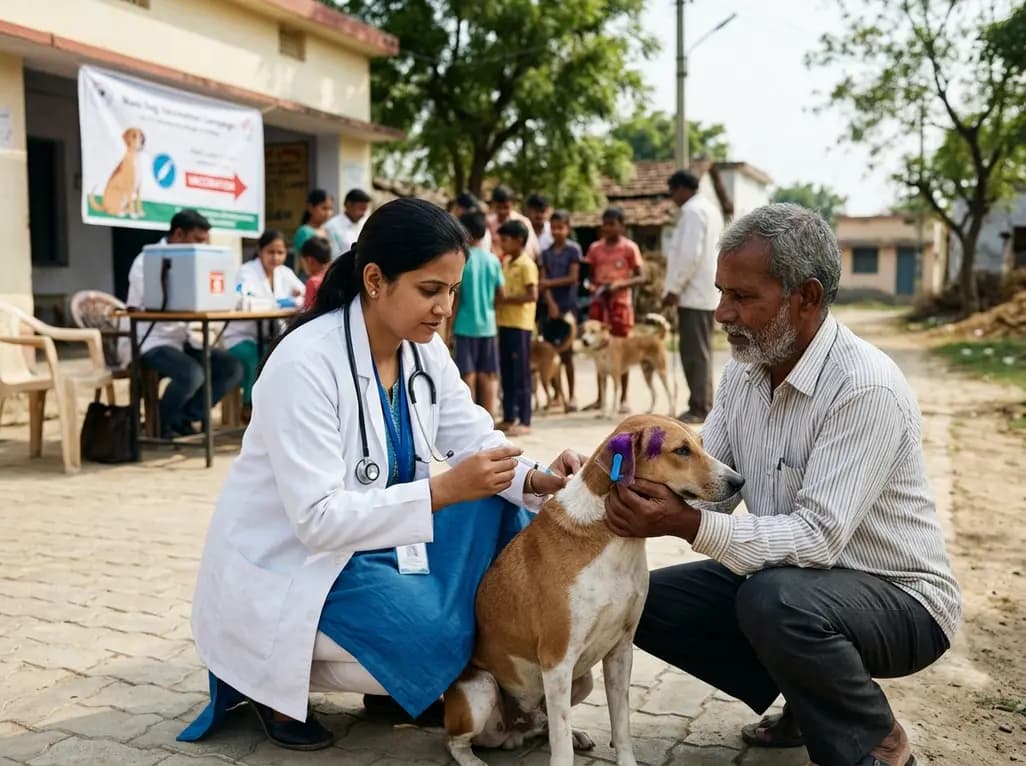
A landmark cluster randomized trial demonstrates that community-based mass dog vaccination achieves superior coverage and sustains protective herd immunity against rabies far better than conventional campaign models, offering vital lessons for global and Indian elimination targets.
Today
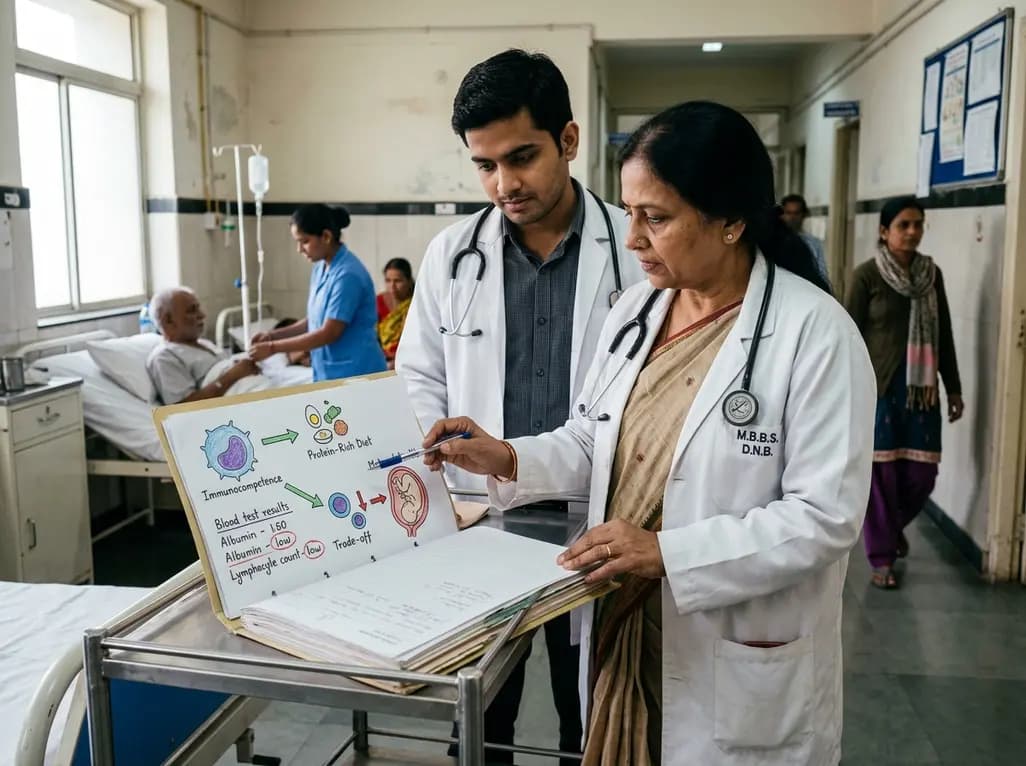
Explore the crucial link between dietary protein and immunocompetence. This review examines how low-protein nutrition shifts metabolic resources away from pathogen defense toward early reproduction, compromising host survival and immunity against severe bacterial infections.
Today
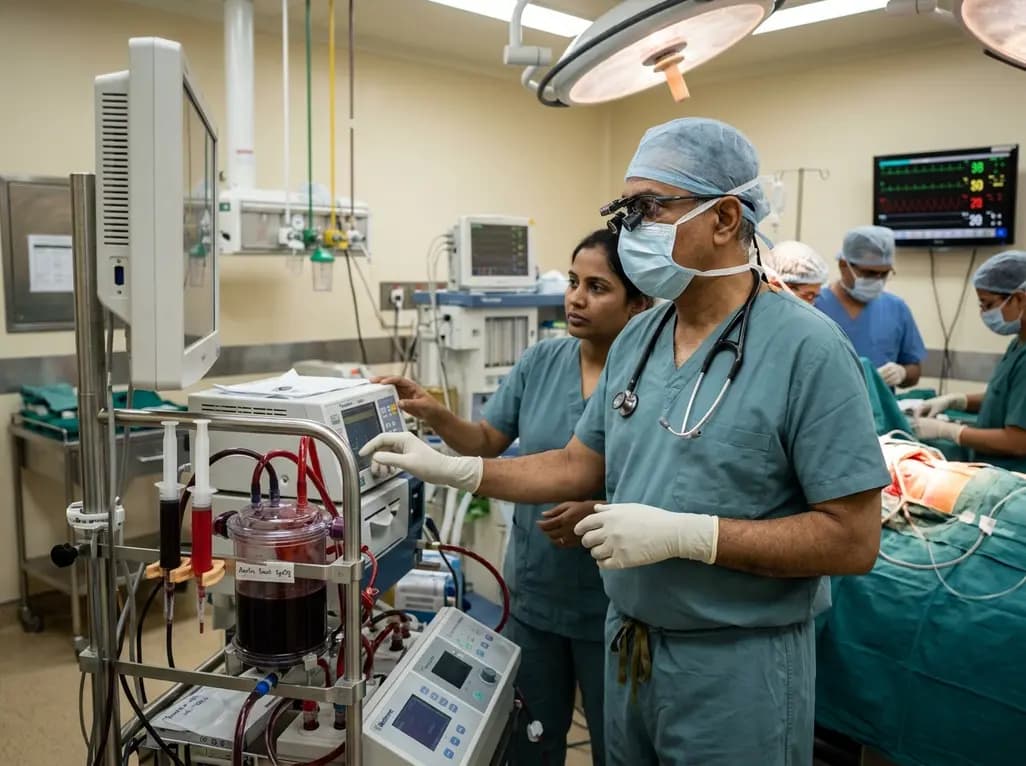
Differential oxygenation during peripheral TA-NRP can cause undetected coronary hypoxemia due to arch vessel clamping. A novel circuit with continuous aortic root monitoring detects desaturation early, facilitating left ventricular unloading and preventing allograft dysfunction and unnecessary heart discard.
Today
A longitudinal study reveals that patients undergoing staged bilateral hip arthroscopy experience progressive contralateral labral deterioration during surgical intervals. However, structural degradation does not compromise 2-year postoperative clinical outcomes or patient-reported satisfaction scores.
Today
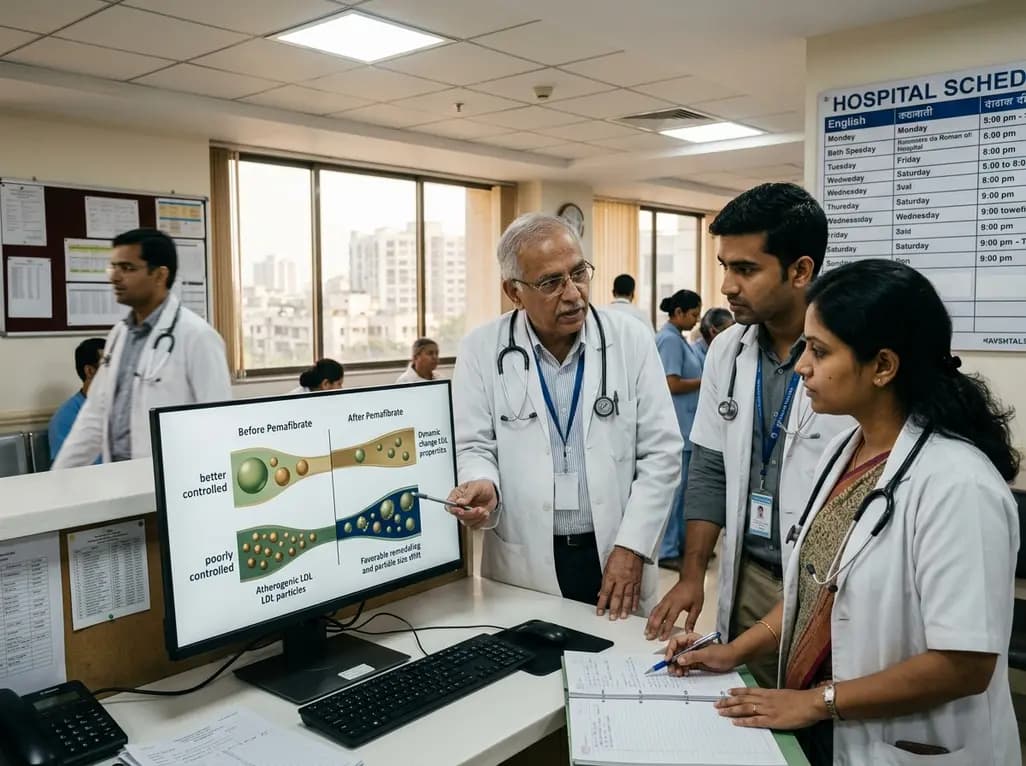
A post hoc analysis of the PARM-T2D study shows pemafibrate exerts baseline-dependent effects on LDL-C and particle size in type 2 diabetes and hypertriglyceridemia. It lowers triglycerides and remnants while favorably remodeling atherogenic LDL particles based on initial lipid control status.
Today
