.webp&w=384&q=75)

Loading, please wait...
Loading, please wait...
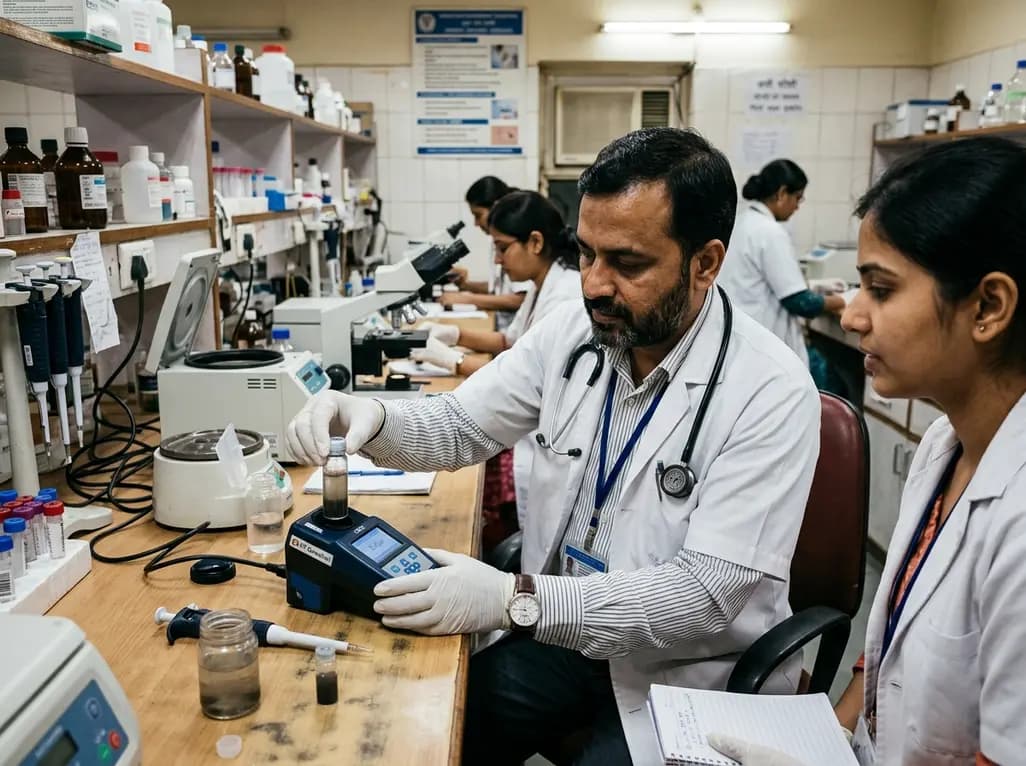
Access to clean and safe drinking water remains a crucial determinant of global public health. However, chemical contamination of water sources poses a continuous threat to human health across rural and urban communities. Environmental pollutants like heavy metals, industrial effluents, and pathogenic micro-organisms frequently contaminate groundwater systems. Consequently, conventional water quality testing relies heavily on centralized laboratory facilities. These traditional approaches require time-consuming sample collection, expensive equipment, and skilled technical personnel. Therefore, delays in obtaining laboratory results often hinder timely public health interventions during contamination events.
To bridge this crucial gap, researchers at the Indian Institute of Technology Guwahati have engineered a groundbreaking point-of-care innovation. The newly created water toxicant detection device, named E-Eye, offers rapid on-site screening for diverse chemical and biological contaminants. Designed as a portable electronic eye, the sensor delivers accurate quantitative data within minutes right at the water source. Furthermore, this compact innovation aligns directly with the Government of India's Jal Jeevan Mission, which aims to provide safe tap water to every household. By enabling instant field testing, E-Eye allows environmental health officials to monitor water supplies continuously. Consequently, this innovation promises to transform water quality management and protect vulnerable populations from toxic exposures nationwide.
The technical foundation of the E-Eye platform relies on established spectrophotometric principles combined with modern digital electronics. Specifically, the device operates on the Beer-Lambert law, which correlates light absorption directly with solute concentration in a solution. When a water or biological sample is introduced, specific chemical reagents react with targeted toxicants to produce colored chemical compounds. Furthermore, the intensity of the color reaction directly reflects the concentration of the specific contaminant present in the sample.
Using integrated optical sensors, the system measures light attenuation across the colored solution with exceptional precision. Consequently, the internal electronic processor converts these optical readings into accurate digital data and displays toxicant concentrations instantly. During extensive laboratory evaluations, researchers validated the device against standard UV-Visible spectrophotometers and Atomic Absorption Spectrophotometers (AAS). Significantly, E-Eye demonstrated analytical precision comparable to these multi-lakh laboratory instruments while maintaining a portable form factor. Moreover, the unit integrates wireless transmission capabilities, allowing field technicians to stream real-time water quality data directly to central treatment facilities. Thus, this seamless blend of chemistry, optics, and digital communication offers an unprecedented tool for rapid environmental diagnostics.
The analytical capabilities of the E-Eye platform cover a broad spectrum of hazardous organic and inorganic substances. Specifically, the device has successfully detected dangerous heavy metals, including arsenic, lead, iron, and hexavalent chromium in water samples. Long-term exposure to these heavy metals links directly to severe clinical consequences, including organ failure, developmental delays, and various cancers. In addition, the sensor accurately quantifies fluoride levels, helping prevent endemic fluorosis in high-risk geographic belts. Furthermore, the testing system identifies microbiological threats, such as Escherichia coli bacteria, which serve as crucial indicators of fecal contamination.
Beyond drinking water surveillance, the versatile architecture of E-Eye supports testing across diverse environmental and biological substrates. For instance, the research team validated the system on agricultural produce, milk, tea, herbal products, and soil samples. Similarly, industrial facilities can deploy the portable device to analyze liquid effluents containing heavy metals, organic pollutants, and odor-causing compounds before discharge. Consequently, food safety inspectors, agricultural specialists, and industrial compliance officers can utilize this single diagnostic tool across multiple sectors. Overall, this multi-substrate capability transforms how field researchers monitor toxicological hazards throughout the food and water supply chain.
Unsafe drinking water represents a major driver of preventable disease burdens across developing regions. Heavy metal toxicity and waterborne enteric infections cause significant morbidity, straining rural healthcare infrastructure. Consequently, early detection of environmental toxicants is essential for preventing acute outbreaks and chronic health conditions. The Jal Jeevan Mission seeks to supply tap water to every Indian household, but maintaining water quality across varied geographical sources remains challenging. Therefore, field-ready monitoring tools are indispensable for verifying that distributed tap water meets safety standards.
By providing real-time data, E-Eye empowers public health authorities to detect contamination events before contaminated water reaches consumers. Furthermore, the platform offers unprecedented economic advantages that make wide-scale deployment feasible. The research team constructed the prototype device at an approximate cost of Rs 3,500, with per-sample testing costs around Rs 2. In contrast, traditional laboratory spectrophotometry requires significant capital investment and expensive consumables. Large-scale industrial production will likely reduce manufacturing costs further, making point-of-care water testing accessible to remote primary health centers and panchayats. Ultimately, decentralized water quality monitoring strengthens public health resilience and protects communities from waterborne disease risks.
Translating laboratory innovations into accessible field tools requires structured commercialization pathways and industrial partnerships. To achieve this objective, the IIT Guwahati research team established ENVIONIX Labs Pvt Ltd, a startup dedicated to bringing E-Eye from lab to land. Furthermore, this commercial venture received critical support through a research grant from the Ministry of Electronics and Information Technology (MeitY). The development team is actively collaborating with industrial partners to initiate technology transfer and scale manufacturing processes.
In addition to commercial scaling, researchers are pursuing key technical enhancements to increase field autonomy. Specifically, upcoming iterations will integrate solar panels, rendering the device completely self-sustaining in off-grid rural environments. Moreover, the team is expanding cloud connectivity options to facilitate automated data aggregation and remote environmental management. Over 2,700 field and laboratory samples have already validated the platform's reliability and durability. Consequently, this smart sensing technology represents a significant milestone toward self-reliant, affordable diagnostic tools in India. Through continuous technical refinement, E-Eye promises to establish new benchmarks for environmental monitoring and public health protection.
Q1: What is the main principle behind the E-Eye water toxicant detection device?
The E-Eye device operates on the Beer-Lambert law, combining optical sensing with digital electronics. When water or biological samples react with specific chemical reagents, a colored compound forms. The intensity of this color corresponds to the toxicant concentration. The device measures light absorption, converts the sensor output into digital data, and displays quantitative contaminant levels instantly while transmitting results wirelessly.
Q2: Which contaminants can the E-Eye portable sensor detect in field samples?
The E-Eye device detects heavy metals such as arsenic, lead, iron, and chromium, alongside chemical toxicants like fluoride. Additionally, it identifies biological contaminants, specifically Escherichia coli bacteria, which indicate fecal contamination. Beyond drinking water, the device can analyze soil, milk, vegetables, food products, tea, herbal samples, and industrial liquid effluents for toxic compounds.
Q3: How does E-Eye compare to traditional laboratory testing methods in terms of cost and efficiency?
Traditional laboratory instruments, such as Atomic Absorption Spectrophotometers, are costly, bulky, and require centralized facilities. In contrast, E-Eye costs approximately Rs 3,500 to manufacture, with a testing cost of about Rs 2 per sample. It offers field-portability, instant digital readings, and accuracy comparable to standard laboratory spectrophotometers, enabling real-time monitoring directly at water sources.
Disclaimer: This content is for informational and educational purposes only. It does not constitute medical advice or replace professional judgment. Refer to the latest local and national guidelines for clinical practice.
References

Read summarized clinical updates, watch expert medical content, and earn CME certifications right from your smartphone.
Open your smartphone camera to scan and install.





IIT Guwahati researchers have developed E-Eye, a portable optical sensing device that offers rapid, point-of-care detection of heavy metals and bacteria in water and biological samples. Operating on the Beer-Lambert law, this affordable device strengthens water quality monitoring across India.
last month
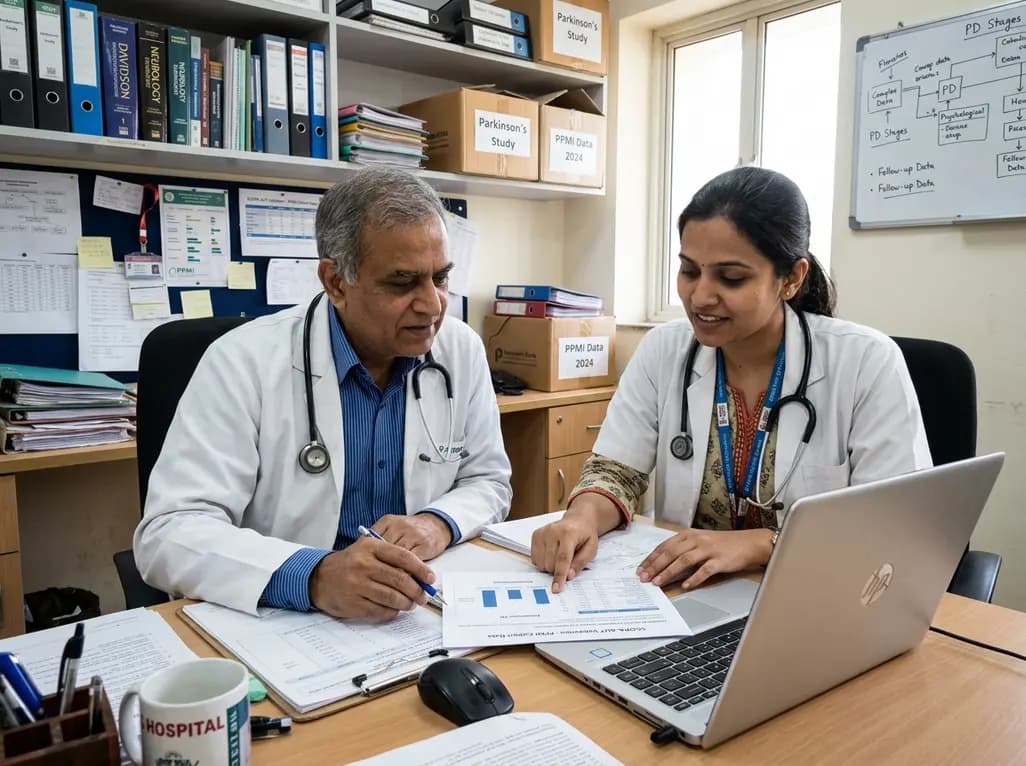
A comprehensive validation study using PPMI cohort data establishes the psychometric reliability, factor structure, and minimal detectable change of the SCOPA-AUT scale across prodromal and established Parkinson's disease, highlighting its longitudinal association with non-motor daily living experiences.
Today
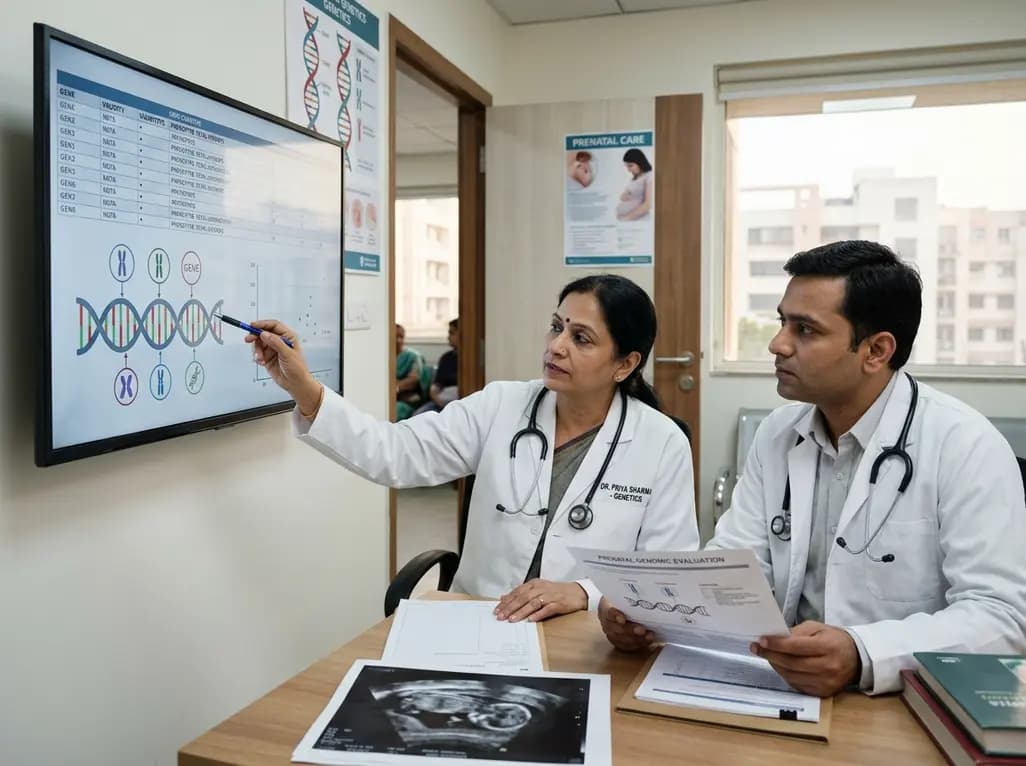
The ClinGen Prenatal Gene Curation Expert Panel evaluated 63 disease relationships across 61 genes, establishing clinical validity for severe fetal phenotypes like hydrops and stillbirth to enhance prenatal genomic interpretation and clinical care.
Today
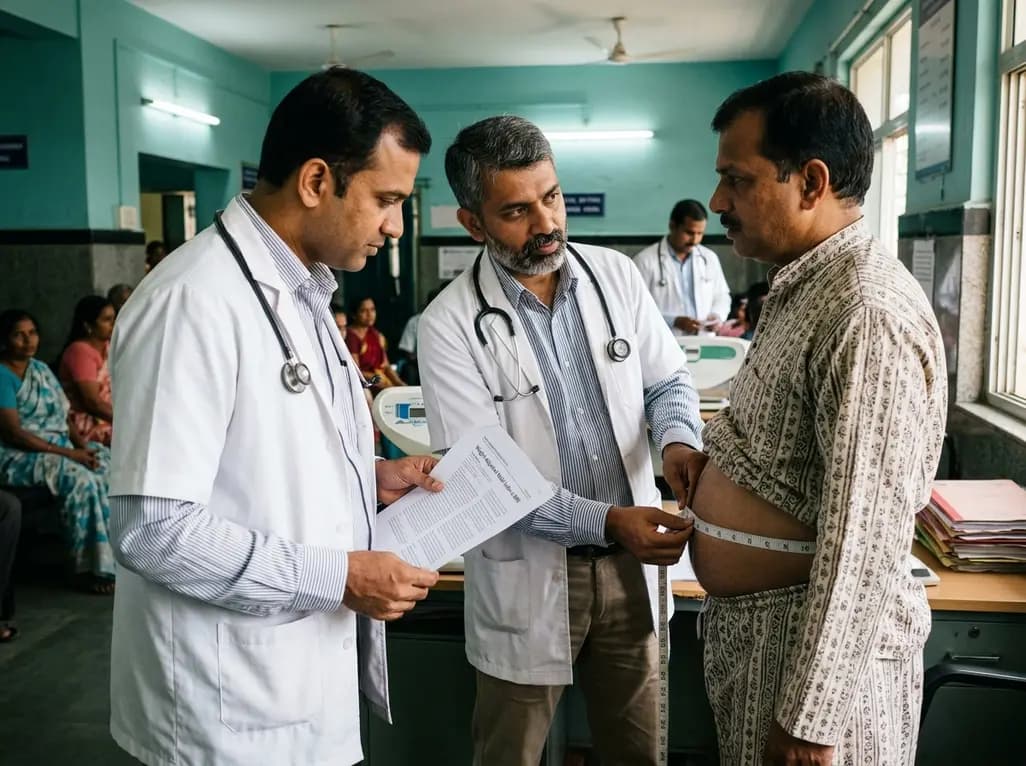
A cohort study demonstrates that the weight-adjusted waist index predicts all-cause and cardiovascular mortality more accurately than BMI and conventional adiposity metrics, offering clinicians a practical anthropometric tool for superior cardiometabolic risk stratification.
Today
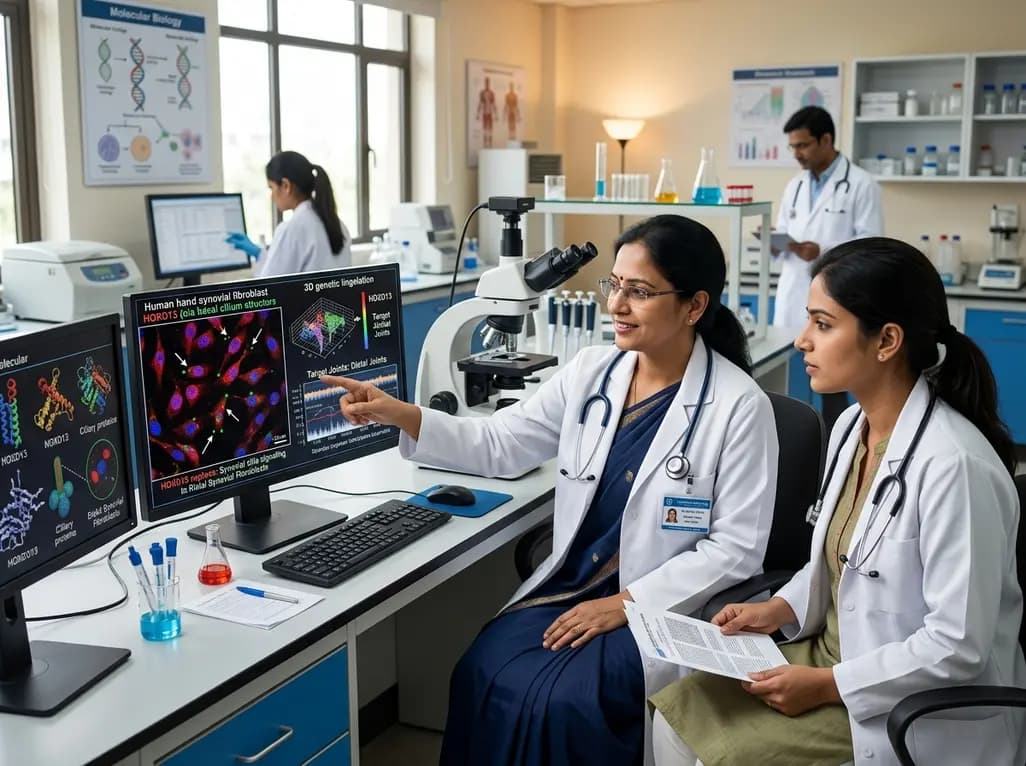
New research reveals that HOXD13 regulates primary cilia signalling and genomic stability in distal synovial fibroblasts, uncovering why conditions like rheumatoid arthritis target specific joints.
Today
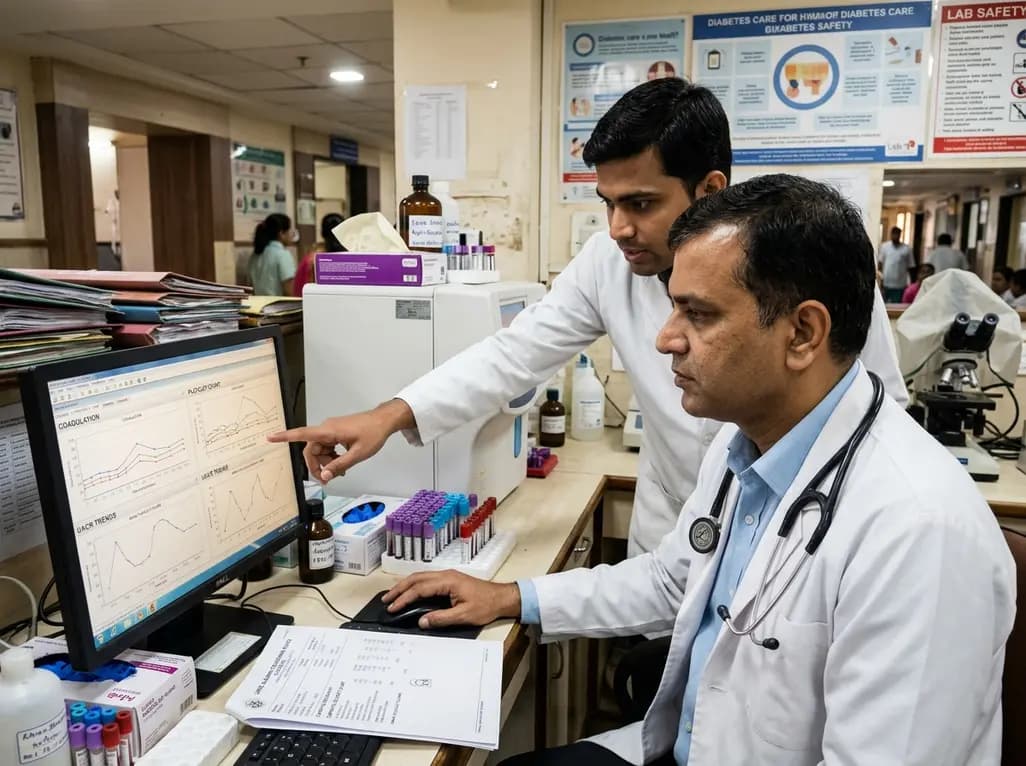
A western India study demonstrates that shortened coagulation times (PT, APTT), elevated mean platelet volume, and increased UACR strongly correlate with type 2 diabetes microvascular complications, highlighting the clinical value of combined hemostatic and renal profiling for early risk stratification.
Today
