.webp&w=384&q=75)

Loading, please wait...
Loading, please wait...
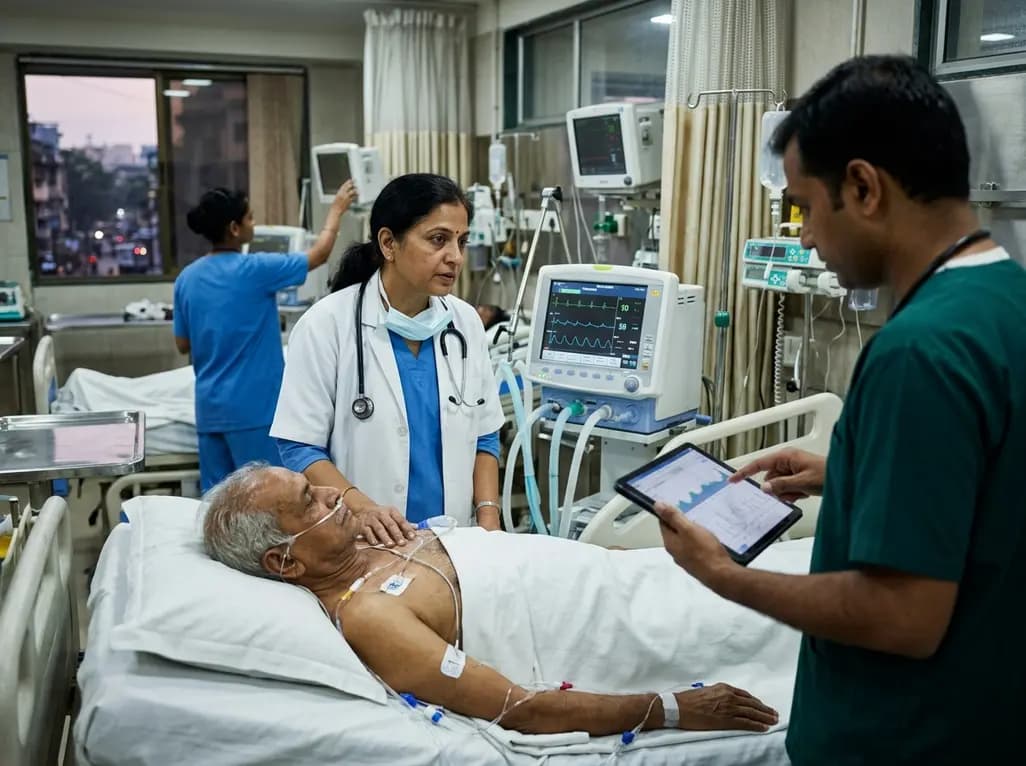
Patients diagnosed with chronic neurological conditions face significant physiological vulnerabilities that predispose them to critical pulmonary complications. When acute respiratory failure neurological dysfunction intersects in an intensive care setting, clinicians encounter complex management dilemmas. Progressive neuromuscular weakness, impaired airway clearance, and loss of protective bulbar reflexes frequently precipitate severe aspiration events, hypoxemia, and hypercapnia. Consequently, these patients often require rapid escalation to advanced respiratory support. Despite advancements in mechanical ventilation and critical monitoring, mortality among individuals with chronic neurological diseases remains elevated.
Recent real-life cohort evaluations provide vital insights into the epidemiology of this vulnerable population. Dementia, cerebrovascular accidents, and motor neuron diseases represent the predominant underlying conditions requiring intensive care unit admission. Furthermore, a substantial proportion of these patients exhibit severe pneumonia and septic shock upon initial presentation. Understanding the distinct pathological drivers that cause respiratory collapse in neurodegenerative states is paramount for risk stratification. Critical care teams must balance immediate life-sustaining interventions against long-term prognosis and functional capabilities. Examining real-world survival patterns offers essential guidance for optimizing acute protocols and post-discharge management strategies.
An in-depth analysis of patient cohorts admitted to specialized respiratory intensive care units illuminates the underlying clinical burden. The patient population typically skews toward advanced age, with a high proportion of male patients experiencing severe respiratory compromise. Dementia accounts for over a third of all chronic neurological admissions, while stroke and motor neuron disorders comprise another major segment. Myopathies and progressive neuromuscular conditions also contribute to overall ICU admissions.
In terms of clinical severity upon admission, acute respiratory failure presents with distinct arterial blood gas phenotypes. Approximately half of the admitted cohort demonstrates pure hypoxemic failure, whereas another substantial group exhibits mixed hypoxemic and hypercapnic failure. Furthermore, pneumonia serves as the primary trigger for acute decompensation in an overwhelming majority of these patients. Within twenty-four hours of intensive care entry, a significant fraction of individuals develops septic shock, requiring vasopressor support and aggressive resuscitation. High APACHE II scores upon admission reflect the severe physiological derangements present across this cohort. These baseline parameters highlight the critical necessity for rapid diagnostic evaluation and targeted antimicrobial interventions.
Determinants of short-term survival during intensive care unit stays rely heavily on initial physiological burden and multiorgan involvement. Cohort analyses demonstrate an overall ICU mortality rate exceeding thirty percent in chronic neurological disease cases. Multivariable regression models confirm that baseline severity scores, specifically the APACHE II score, independently predict in-hospital death. Each incremental point increase in the score correlates with a statistically significant elevation in the odds of ICU mortality. Therefore, early score calculation provides clinicians with an objective metric to anticipate clinical trajectory and allocate monitoring resources effectively.
In addition to systemic scoring systems, specific acute complications heavily influence short-term mortality. The presence of refractory septic shock within the initial treatment window drastically reduces the likelihood of successful ICU discharge. Severe gas exchange impairment, characterized by profound baseline hypoxemia, further exacerbates organ failure risks. Recognizing these acute predictors enables critical care practitioners to deliver timely therapeutic adjustments and hold informed family discussions regarding short-term prognosis.
For patients who successfully survive the acute phase and achieve ICU discharge, long-term survival remains a substantial challenge. Four-year survival analysis reveals distinct trajectories dictated by ongoing respiratory support strategies. Notably, patients utilizing long-term noninvasive mechanical ventilation demonstrate significantly superior long-term survival compared to those managed without chronic ventilatory assistance. Kaplan-Meier survival curves illustrate a clear survival benefit among long-term noninvasive ventilation users, underscoring the physiological importance of continued pressure support.
Chronic respiratory muscle weakness in neurodegenerative disorders leads to progressive nocturnal hypoventilation, atelectasis, and recurrent pulmonary infections. Noninvasive ventilation mitigates these processes by restoring alveolar ventilation, resting fatigued respiratory muscles, and preserving lung compliance. Furthermore, home mechanical ventilation regimens help prevent recurrent emergency department visits and readmissions for acute hypercapnic flare-ups. Clinicians must actively evaluate candidates prior to hospital discharge to establish appropriate noninvasive ventilation protocols. Implementing outpatient mechanical ventilation support effectively extends survival and enhances overall stability in this medically fragile cohort.
While continuous respiratory support enhances post-discharge longevity, specific clinical features significantly heighten the risk of long-term mortality. Cox proportional hazards regression models identify male gender, severe initial hypoxemia, and initial septic shock as independent predictors of reduced post-discharge survival. Each factor contributes to cumulative systemic frailty, reducing the patient's physiological reserve during subsequent pulmonary exacerbations. Identifying these high-risk attributes allows care teams to implement intensive surveillance protocols after hospital discharge.
Another crucial predictor of adverse long-term survival is the requirement for nasogastric tube feeding or artificial enteral nutrition. Bulbar dysfunction and severe dysphagia necessitate enteral tube placement to prevent recurrent aspiration events and maintain adequate intake. However, the requirement for artificial feeding often signifies advanced neurological decline and severe loss of functional capacity. Consequently, patients dependent on nasogastric tubes display a marked elevation in mortality hazard over extended follow-up. Addressing nutrition, aspiration precautions, and swallowing mechanics through multidisciplinary coordination remains vital for maximizing long-term survival.
Acute respiratory failure in chronic neurological disease primarily stems from respiratory muscle weakness, bulbar dysfunction, and acute pulmonary infections like aspiration pneumonia. Conditions such as dementia, stroke, and motor neuron disease severely compromise airway protection. Consequently, patients frequently develop severe hypoxemic or hypercapnic respiratory failure, often complicated by septic shock. Early recognition of bulbar impairment and prompt respiratory support remain critical for preventing rapid physiological deterioration in these vulnerable individuals.
Long-term noninvasive ventilation significantly improves survival in patients with chronic neurological conditions following intensive care discharge. By delivering intermittent positive pressure support, noninvasive ventilation rests fatigued respiratory muscles, prevents nocturnal hypoventilation, and maintains alveolar opening. Research demonstrates that patients adhering to long-term home noninvasive ventilation experience significantly lower long-term mortality compared to non-users. Therefore, clinicians should systematically evaluate eligible post-ICU patients for long-term home ventilatory support prior to discharge.
Intensive care unit mortality in chronic neurological patients with acute respiratory failure is independently predicted by high baseline APACHE II scores upon admission. Higher score values reflect severe multiorgan derangement and increased risk of in-hospital death. Furthermore, early septic shock and severe baseline hypoxemia significantly increase mortality risk. Timely risk assessment using standardized scoring systems allows critical care teams to implement targeted resuscitation strategies and communicate clear prognostic expectations to patient families.
Disclaimer: This content is for informational and educational purposes only and does not constitute professional medical advice, diagnosis, or treatment. Always seek the advice of your physician or other qualified health provider with any questions you may have regarding a medical condition. Refer to the latest local and national guidelines for clinical practice.
References

Read summarized clinical updates, watch expert medical content, and earn CME certifications right from your smartphone.
Open your smartphone camera to scan and install.





A retrospective cohort study evaluated ICU mortality and 4-year survival in patients with chronic neurological diseases presenting with acute respiratory failure. Key findings highlight APACHE II scores, noninvasive ventilation support, and enteral feeding status as crucial determinants of patient outcomes.
last month
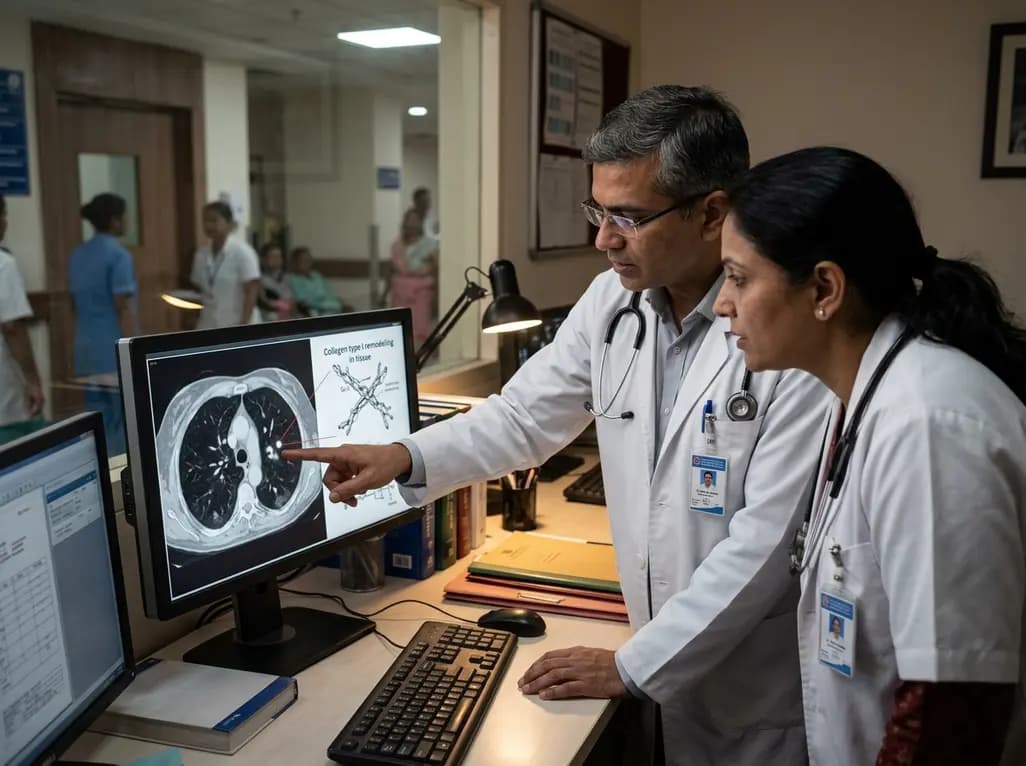
Preclinical findings demonstrate that hProCA32.Collagen, an innovative protein-based contrast agent, detects micro-metastases and aggressive lung adenocarcinomas down to 1 mm on MRI. By targeting collagen type I remodeling, this technology provides radiation-free diagnostic and prognostic evaluation for clinicians.
Today

Gestational diabetes doubles the future risk of type 2 diabetes for mothers and offspring. Adopting a life-course approach centered on family meals and brief, supportive nutrition messaging empowers households to reduce metabolic risks and establish sustainable dietary habits across generations.
Today

A comprehensive meta-analysis evaluates the association between Body Mass Index and outcomes following abdominal aortic aneurysm repair. Discover how overweight and obesity correlate with lower mortality while underweight status confers heightened risk, challenging conventional preoperative risk stratification.
Today

The SOLARIO trial shows that a short course (≤7 days) of systemic antibiotic therapy is noninferior to long courses (≥4 weeks) in orthopedic infections treated with local antibiotic carriers, with significantly fewer adverse events.
Today

New research reveals that preovulatory follicles communicate via LH-induced paracrine signaling. Diffusible EGF ligands epiregulin and amphiregulin coordinate oocyte meiotic resumption across neighboring follicles, challenging traditional concepts of follicular autonomy.
Today
