.webp&w=384&q=75)

Loading, please wait...
Loading, please wait...
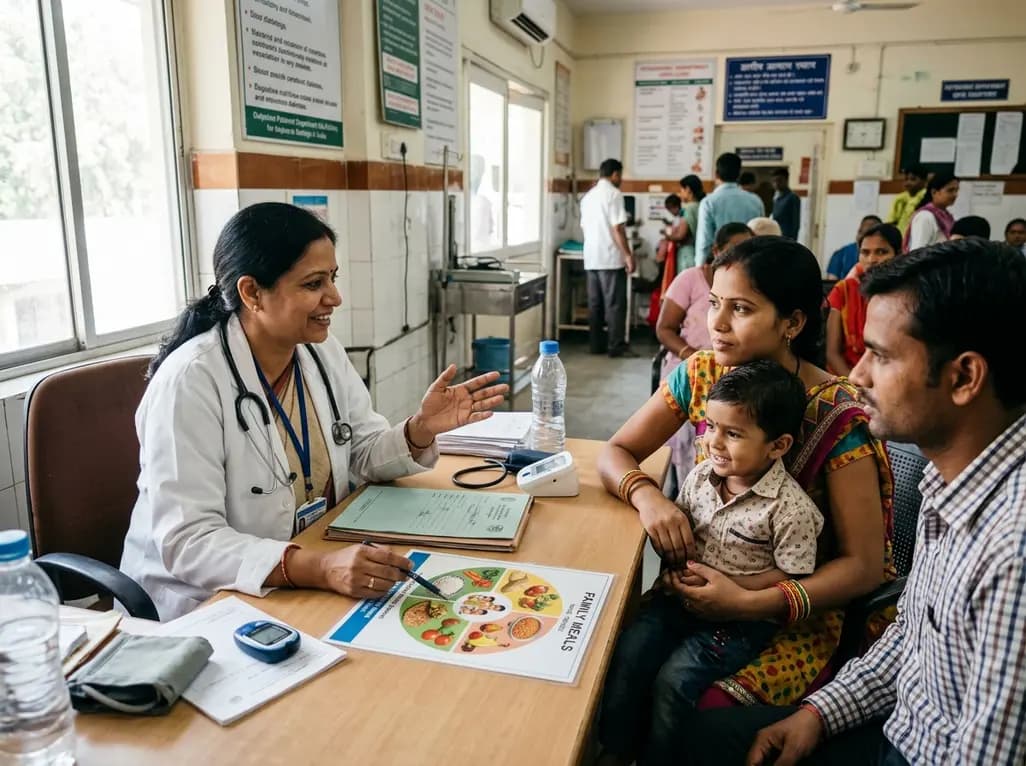
Gestational diabetes mellitus represents an urgent clinical challenge that reshapes metabolic health for both mother and child across their lifetimes. Consequently, effective post-GDM diabetes prevention requires interventions that extend beyond temporary postpartum glucose checks. Epidemiological data demonstrate that mothers with a history of gestational diabetes face a ten-fold higher risk of developing type 2 diabetes compared to normoglycemic peers. Furthermore, intrauterine exposure to maternal hyperglycemia predisposes offspring to childhood adiposity, insulin resistance, and early-onset cardiometabolic dysfunction. Because these health trajectories converge within the domestic environment, clinicians must adopt a comprehensive life-course approach. In this context, shared daily nutrition serves as the cornerstone for establishing lifelong cardiometabolic resilience. However, traditional postpartum care frequently isolates the mother, treating her metabolic risk in isolation from her domestic realities. When healthcare providers view nutrition through a family-centered lens, preventive counseling becomes far more practical and sustainable. Therefore, reshaping household food environments provides a dual opportunity to protect maternal health while simultaneously establishing protective metabolic habits for young children. Clinicians can leverage the immediate postpartum window to inspire meaningful lifestyle modifications that benefit the entire household.
The pathophysiological continuum linking gestational diabetes to future metabolic disorders operates through complex intergenerational mechanisms. Mothers who experience hyperglycemia during gestation exhibit pre-existing pancreatic beta-cell vulnerability and chronic tissue insulin resistance. Similarly, the developing fetus experiences excess nutrient transfer across the placenta, stimulating fetal hyperinsulinemia. In addition, this intrauterine hyperinsulinemic milieu promotes accelerated adipogenesis and permanent epigenetic alterations in appetite regulation and energy homeostasis. As a result, the child faces an increased vulnerability to childhood obesity, impaired fasting glucose, and early metabolic syndrome. The shared domestic dietary ecosystem further amplifies these biological susceptibilities after delivery. In many households, parents and young children consume identical nutrient-poor, carbohydrate-dense meals that accelerate weight gain. Conversely, establishing wholesome eating patterns within the household disrupts this destructive metabolic cycle. Medical professionals now recognize that targeting maternal health alone fails to address the underlying familial routines that govern nutrition. By integrating both mother and child into a shared preventive framework, clinicians can alter disease trajectories across generations. Ultimately, shared protective behaviors at the dining table counteract both inherited genetic traits and acquired environmental risks.
Recent qualitative investigations highlight that mothers with prior gestational diabetes frequently encounter substantial psychosocial and practical barriers during mealtimes. Although mothers generally recognize the protective value of nutritious home cooking, maternal fatigue and time deficits severely constrain their daily choices. In particular, women report intense stress when managing differing taste preferences between toddlers, older siblings, and partners. Consequently, mothers often prepare multiple meals or default to quick, ultra-processed convenience foods to minimize household mealtime conflict. Moreover, many women experience persistent emotional distress and diabetes-related guilt following their pregnancy diagnosis. This lingering apprehension often triggers dietary hypervigilance alternating with burnout and dietary abandon. In addition, financial pressures, work schedules, and unsupportive partner dynamics further erode maternal self-efficacy. Importantly, mothers emphasize that conventional dietary counseling provides rigid individual meal plans that feel unworkable within chaotic family life. They strongly voice the need for compassionate, realistic guidance that acknowledges their domestic constraints without inducing judgment. When clinicians overlook these domestic dynamics, therapeutic compliance rapidly declines. Therefore, recognizing everyday parenting stressors allows clinicians to formulate more practical, empathetic lifestyle interventions for vulnerable households.
To overcome persistent lifestyle hurdles, health promotion must replace complex caloric tracking with clear, actionable nutrition messages. Specifically, mothers respond most favorably to positive, empowerment-focused communication rather than fear-based warnings about chronic disease. Interventions should promote small, incremental adjustments that integrate smoothly into existing family cooking habits. For instance, counseling can encourage parents to serve consistent vegetable portions and prioritize fiber-rich complex grains. Furthermore, eating fiber and protein before carbohydrates significantly attenuates postprandial glycemic excursions. Clinicians can also recommend responsive feeding, where parents select wholesome foods while children decide portion sizes. In addition, eliminating mealtime screens fosters mindful eating and prevents excessive caloric intake in young children. Visual plate models help mothers prepare one unified dinner instead of cooking separate dietary dishes. Consequently, these pragmatic strategies reduce maternal stress while safeguarding the entire household against metabolic disease. Moreover, providing quick, culturally tailored recipes helps busy caregivers prepare balanced dinners without extensive preparation. When clinicians emphasize shared culinary enjoyment, families maintain these healthful habits over the long term.
Transforming postpartum care requires clinicians to re-engineer routine clinical workflows into multidisciplinary, family-oriented touchpoints. In routine practice, obstetrics, primary care, and pediatrics often operate within isolated siloes. However, pediatric immunization visits present a golden, recurrent opportunity to reinforce maternal cardiometabolic monitoring and household nutritional health. When a pediatrician evaluates infant growth, the clinical team can simultaneously inquire about maternal glycemic follow-up and family eating habits. Furthermore, general practitioners and endocrinologists should collaborate with community dietitians to deliver practical, group-based nutritional counseling. In regions with exceptionally high diabetes prevalence, such as India, culturally adapted family nutrition education is particularly urgent. Traditional diets often feature high glycemic loads from polished white rice and refined flour, paired with low dietary protein. Therefore, substituting whole grains, incorporating traditional pulses, and increasing green leafy vegetables significantly improves household cardiometabolic profiles. In addition, digital health tools, including smartphone applications and short messaging services, can deliver timely, nudge-based mealtime reminders to busy parents. By breaking institutional barriers and embracing family-centered models, primary care teams empower mothers as proactive health agents. Ultimately, investing in early household nutrition establishes an enduring foundation for community-wide diabetes prevention.
Clinicians should order an oral glucose tolerance test between 6 and 12 weeks postpartum for all women with gestational diabetes. This formal laboratory evaluation detects persistent dysglycemia, impaired fasting glucose, or early type 2 diabetes. Furthermore, if the initial postpartum testing yields normal glycemic values, clinicians must schedule lifelong follow-up screenings every one to three years. Early metabolic surveillance identifies prediabetes promptly, allowing timely lifestyle adjustments before overt disease complications emerge.
Individual diets isolate mothers and generate substantial emotional fatigue, leading to low adherence within busy households. Conversely, family-centered nutrition fosters a shared domestic food culture that normalizes balanced meals for everyone. When parents cook one nutritious meal, children develop wholesome dietary habits early, while mothers avoid the stress of preparing separate menus. Moreover, mutual spousal participation reinforces parental consistency, turning daily dining into an enduring communal mechanism for long-term cardiometabolic disease prevention.
South Asian families often consume carbohydrate-heavy staples like polished white rice, naan, and deep-fried savory snacks. Clinicians can recommend replacing refined starches with unpolished millets, brown basmati rice, or whole-wheat rotis. In addition, patients should increase high-protein pulses, paneer, or lean meats while adding generous servings of fibrous cooked vegetables. Eating vegetables and protein dishes before carbohydrates further blunts postprandial glucose surges, preserving pancreatic beta-cell function across the entire family without sacrificing cultural heritage.
Disclaimer: This content is for informational and educational purposes only... Refer to the latest local and national guidelines for clinical practice.
References

Read summarized clinical updates, watch expert medical content, and earn CME certifications right from your smartphone.
Open your smartphone camera to scan and install.





Gestational diabetes doubles the future risk of type 2 diabetes for mothers and offspring. Adopting a life-course approach centered on family meals and brief, supportive nutrition messaging empowers households to reduce metabolic risks and establish sustainable dietary habits across generations.
Today

Preclinical findings demonstrate that hProCA32.Collagen, an innovative protein-based contrast agent, detects micro-metastases and aggressive lung adenocarcinomas down to 1 mm on MRI. By targeting collagen type I remodeling, this technology provides radiation-free diagnostic and prognostic evaluation for clinicians.
Today

A comprehensive meta-analysis evaluates the association between Body Mass Index and outcomes following abdominal aortic aneurysm repair. Discover how overweight and obesity correlate with lower mortality while underweight status confers heightened risk, challenging conventional preoperative risk stratification.
Today

The SOLARIO trial shows that a short course (≤7 days) of systemic antibiotic therapy is noninferior to long courses (≥4 weeks) in orthopedic infections treated with local antibiotic carriers, with significantly fewer adverse events.
Today
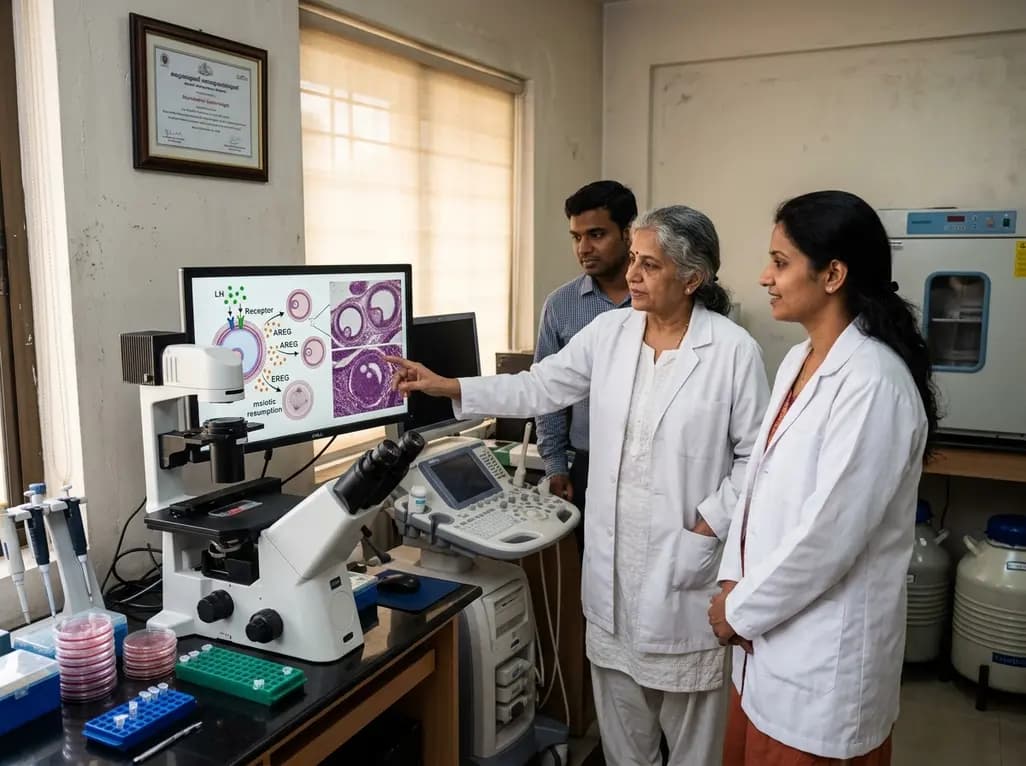
New research reveals that preovulatory follicles communicate via LH-induced paracrine signaling. Diffusible EGF ligands epiregulin and amphiregulin coordinate oocyte meiotic resumption across neighboring follicles, challenging traditional concepts of follicular autonomy.
Today
