.webp&w=384&q=75)

Loading, please wait...
Loading, please wait...
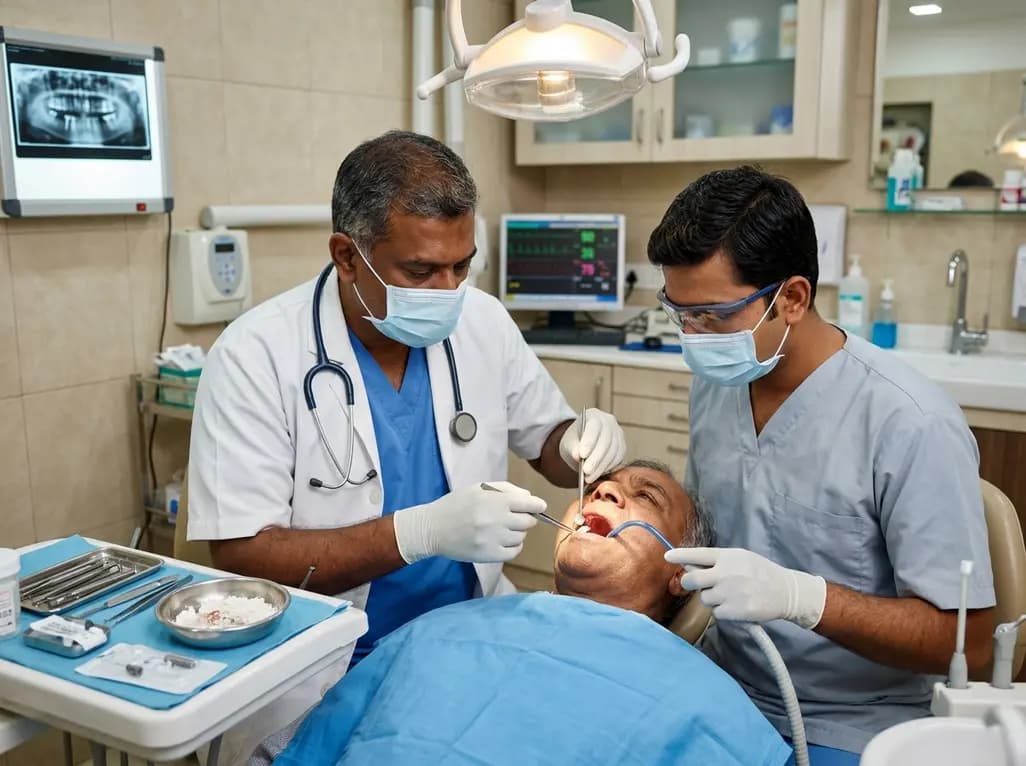
Immediate implant placement after tooth extraction has revolutionized restorative dentistry by shortening overall treatment timelines and preserving existing soft tissue architecture. However, achieving predictable primary and secondary implant stability remains challenging due to the structural gap between the implant surface and the extraction socket walls. Recent clinical innovations highlight the application of a composite hyaluronic acid bone graft to accelerate hard tissue repair and enhance early osseointegration in fresh extraction sites.
Hyaluronic acid is a naturally occurring glycosaminoglycan and a key matrix element within extracellular structural networks across soft and hard human tissues. In oral and maxillofacial reconstructive procedures, hyaluronic acid derivatives demonstrate noteworthy osteoconductive and pro-angiogenic properties. When combined with deproteinized natural bovine bone, which provides a durable mineral scaffold for cellular ingrowth, hyaluronic acid facilitates osteoblast proliferation, stabilizes blood clots, and accelerates early osteogenesis. This biomaterial synergy creates an ideal microenvironment for bone regeneration within immediate extraction sockets.
To evaluate these regenerative effects, researchers conducted a prospective randomized clinical study involving sixteen medically healthy adult patients needing extraction of non-restorable single-rooted maxillary anterior or premolar teeth. Participants were randomly divided into two equal groups. Group 1 (Control) received immediate dental implants placed directly into fresh extraction sockets without graft materials. Group 2 (Study) underwent immediate implant placement supplemented with a natural bovine bone material enhanced with hyaluronic acid. Secondary outcomes were rigorously tracked clinically and radiographically.
Primary implant stability and secondary bone anchorage were quantified using Implant Stability Quotient measurements taken via resonance frequency analysis at surgery and four months postoperatively. At four months, the study group exhibited significantly higher stability scores compared to the ungrafted control cohort. The inclusion of the hyaluronic acid bone graft facilitated faster secondary stability transition, reflecting robust functional bone contact and enhanced peri-implant bone maturation during early healing phases.
Cone Beam Computed Tomography scans performed immediately after surgery and at six months revealed vital structural differences in bone remodeling. Radiographic evaluation demonstrated superior localized bone density in the grafted group alongside crucial preservation of buccal bone width. Maintaining buccal bone height and thickness is vital for long-term aesthetic outcomes, particularly in the anterior maxilla where dimensional ridge collapse frequently leads to soft tissue recession and implant thread exposure.
Incorporating a composite graft combining natural bovine mineral and hyaluronic acid provides clinicians with a reliable, minimally invasive strategy to overcome peri-implant defect challenges. Accelerated osteogenesis, superior density, and diminished facial bone resorption translate directly to improved long-term prognosis and enhanced aesthetic stability. Dental practitioners can confidently integrate these biological matrices into immediate implant protocols to optimize early tissue maturation and long-term functional success.
Using a hyaluronic acid bone graft significantly improves osteogenesis, accelerates vascularization, and enhances structural bone density around immediate implants. It fosters early cellular colonization, stabilizes socket blood clots, and reduces post-extraction dimensional bone resorption, leading to higher implant stability quotients and improved overall clinical outcomes.
Hyaluronic acid reduces localized inflammatory responses and retains essential growth factors at the surgical site. Combined with osteoconductive bovine bone, it prevents rapid resorption of thin buccal cortical plates, ensuring long-term maintenance of facial alveolar ridge width and surrounding soft tissue contours.
While highly effective for single-rooted maxillary anterior and premolar sites with intact socket walls, severe multi-rooted defects or extensively compromised infection sites require individualized diagnostic evaluation. Clinicians must assess socket anatomy, facial bone thickness, and systemic patient factors before selecting appropriate regenerative biomaterials.
Disclaimer: This content is for informational and educational purposes only and does not constitute medical advice. Refer to the latest local and national guidelines for clinical practice.
References
Foad MW et al. Clinical and radiographic evaluation of natural bovine bone with hyaluronic acid on osseointegration of immediate implants: a randomized clinical study. Sci Rep. 2026 Aug 06. doi: undefined. PMID: 42562852.
El-Morsy M et al. Assessment of cross-linked hyaluronic acid combined with xenogenic bone graft in alveolar socket preservation: A randomized controlled trial. Clin Oral Implants Res. 2024;35(2):189-198.
Svensson S et al. The biological role of hyaluronic acid in bone tissue engineering and peri-implant bone regeneration. J Periodontal Res. 2023;58(4):412-425.

Read summarized clinical updates, watch expert medical content, and earn CME certifications right from your smartphone.
Open your smartphone camera to scan and install.





A randomized clinical study shows that incorporating a hyaluronic acid bone graft with natural bovine bone significantly improves implant stability quotients, bone density, and buccal bone preservation in immediate single-rooted maxillary implant placements compared to ungrafted control sockets.
last month
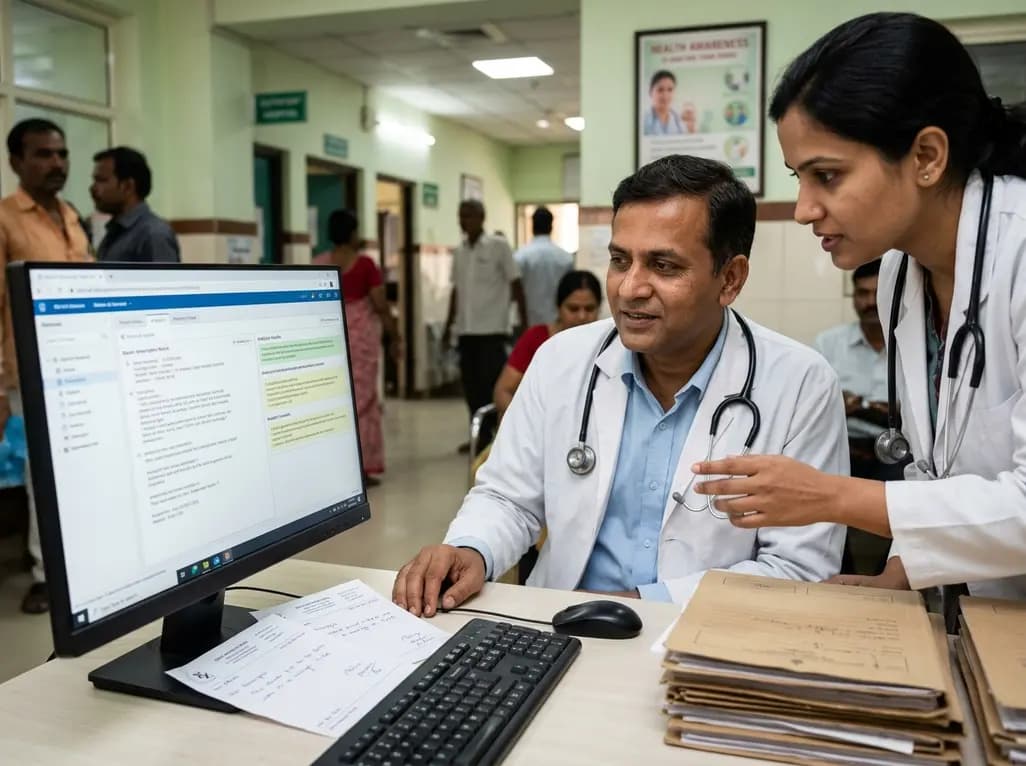
A crossover study demonstrates that locally deployed large language models with exact-match knowledge augmentation significantly elevate outpatient prescription review accuracy to 97.2%, curbing hallucinations and securing patient data without requiring complex cloud infrastructure.
Today
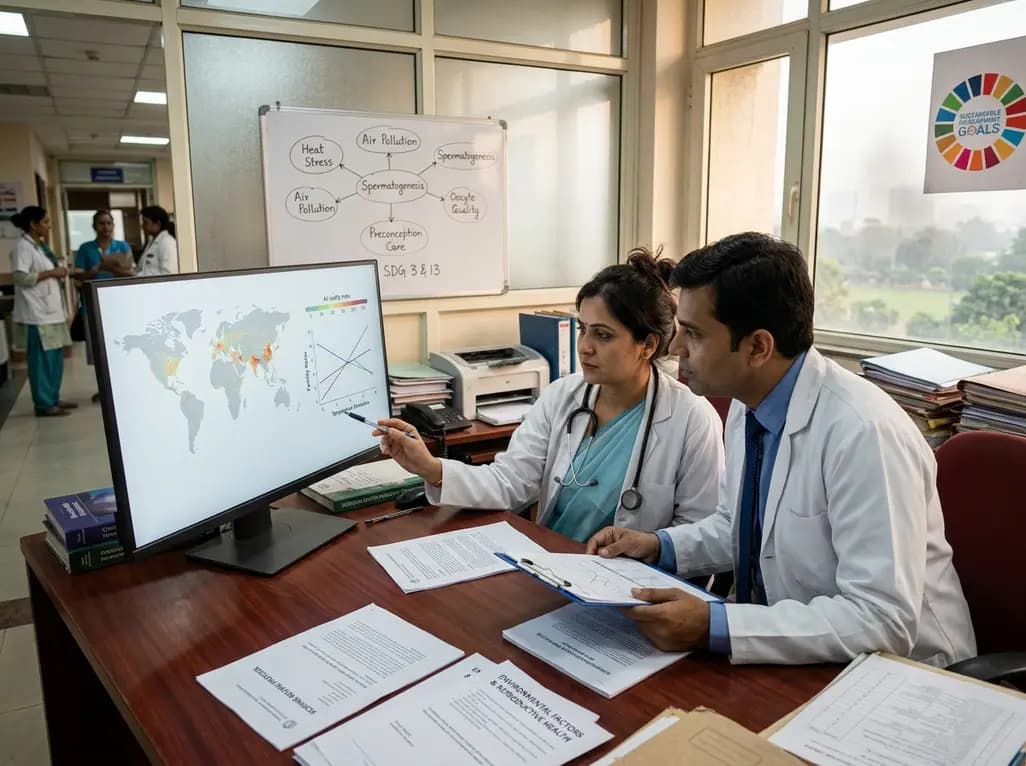
A new scoping review protocol systematically maps global evidence on how climatic shifts, ambient heat, and pollution impact human fertility. Discover key physiological mechanisms, clinical preconception strategies, and critical public health alignments under Sustainable Development Goals 3 and 13.
Today

Pharmacogenomics and artificial intelligence are revolutionizing cardiology by tailoring therapies to individual genetic profiles and clinical data, reducing adverse drug events, and improving cardiovascular patient outcomes.
Today
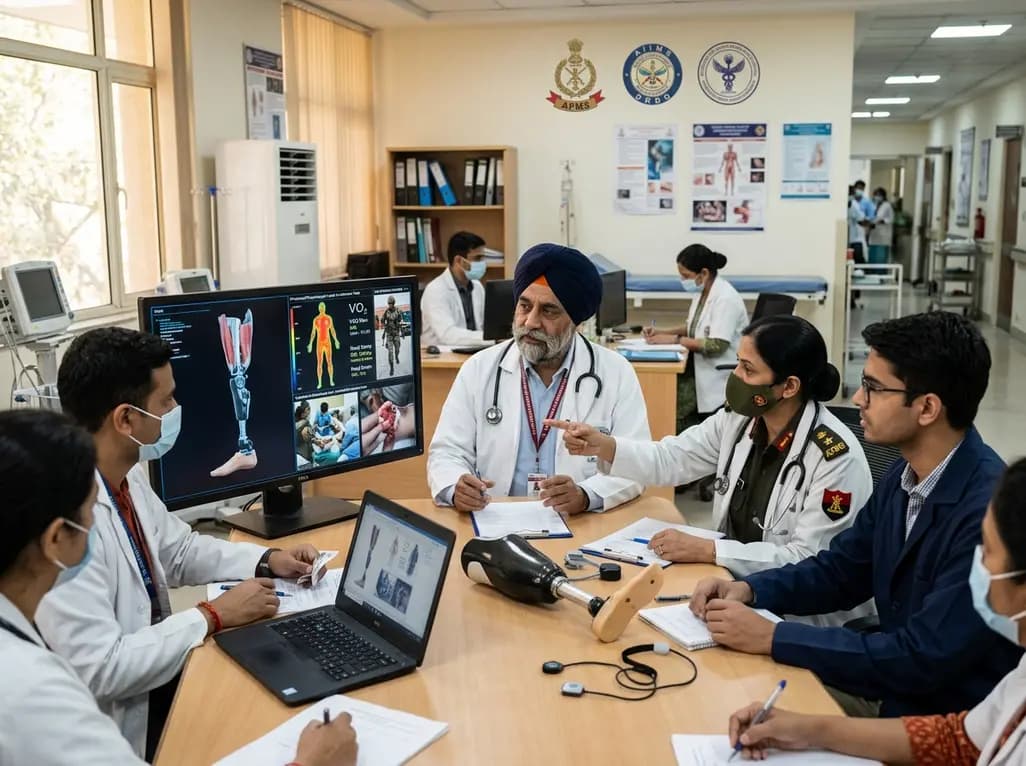
India's premier scientific bodies have joined the Armed Forces Medical Services to solve unique physiological and operational challenges faced by soldiers. The national collaboration covers combat casualty care, artificial intelligence diagnostics, bionic prosthetics, and extreme-environment physiological resilience.
Today
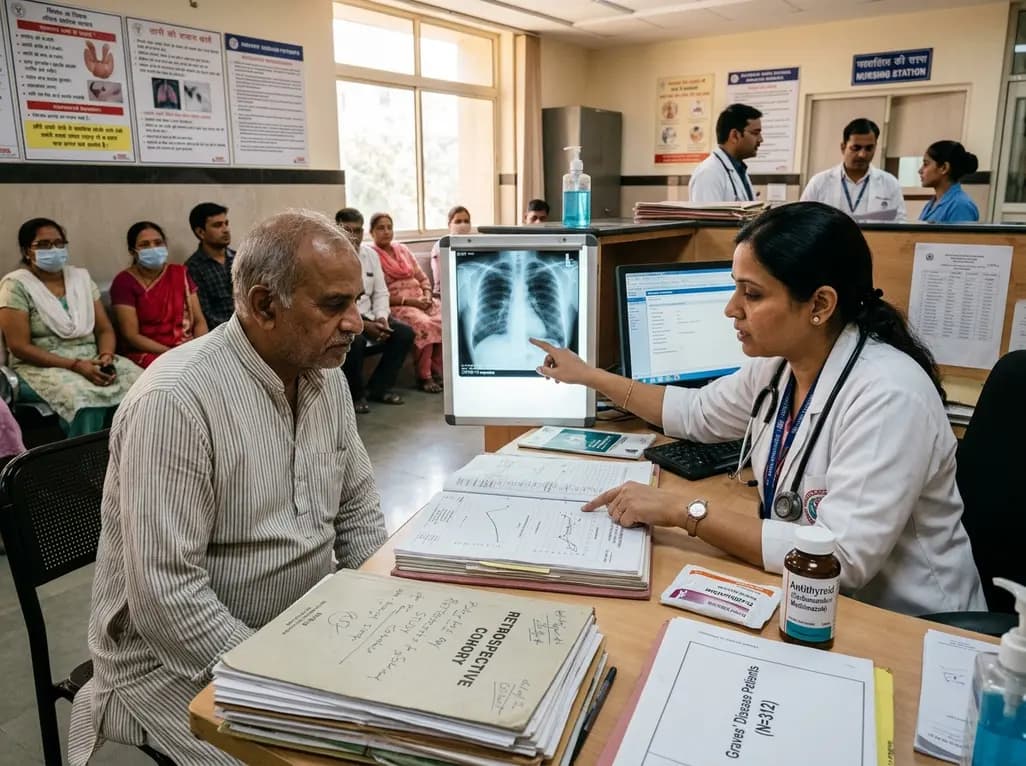
A retrospective cohort study evaluates the short- and long-term impacts of SARS-CoV-2 infection on patients with Graves' disease receiving antithyroid drug therapy, highlighting thyroid status destabilization, clinical symptom exacerbations, and post-viral sequelae.
Today
