.webp&w=384&q=75)

Loading, please wait...
Loading, please wait...
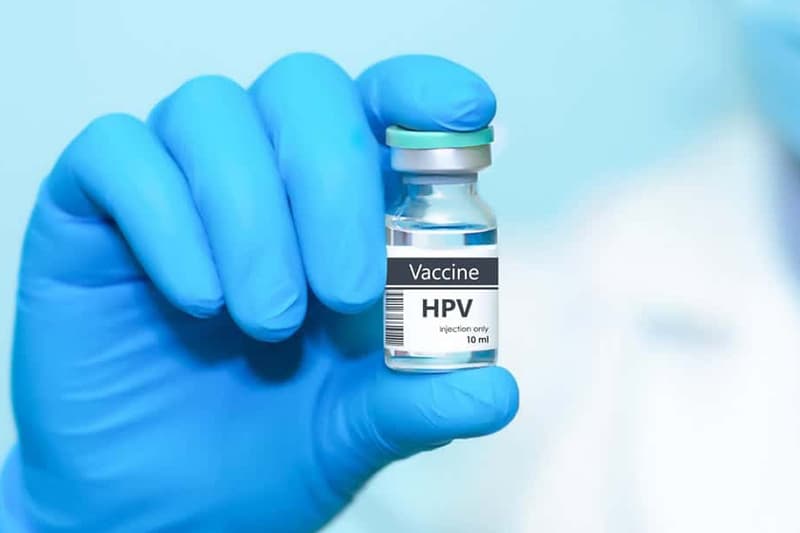
Delhi Chief Minister Rekha Gupta recently inaugurated a significant HPV vaccination drive at Guru Teg Bahadur Hospital. This ambitious initiative aims to vaccinate 1.6 lakh adolescent girls across the national capital within the next three months. Consequently, the Delhi government seeks to provide robust protection against cervical cancer, which claims thousands of lives annually. CM Gupta emphasized that early intervention during adolescence significantly reduces the risk of developing this life-threatening disease.
Furthermore, this regional effort is part of a larger nationwide campaign initiated by Prime Minister Narendra Modi. PM Modi officially launched the national program from Ajmer, Rajasthan, targeting girls aged 14 and above. Specifically, the Union Health Ministry plans to reach approximately 1.15 crore girls every year. Therefore, the government is making the quadrivalent HPV vaccine available free of cost at government health facilities, including district hospitals and Ayushman Arogya Mandirs.
Medical experts note that the quadrivalent Gardasil-4 vaccine provides over 93% protection against persistent HPV infections. Health departments will prioritize a single-dose regimen for the 14-year-old cohort, following the latest clinical recommendations. Additionally, girls who turn 15 within the first 90 days of the launch remain eligible for the program. Systematic tracking through the U-WIN portal will ensure high coverage and effective follow-up across all states.
Q1: Who is eligible for the free HPV vaccine under this campaign?
The campaign primarily targets girls aged 14 years. However, in Delhi, the drive specifically focuses on girls aged 14 to 15 years to ensure comprehensive coverage during this critical developmental window.
Q2: Which vaccine is being used in the national immunization program?
The national program currently utilizes the quadrivalent Gardasil-4 vaccine. This vaccine effectively protects against HPV types 16 and 18, which cause most cervical cancers, as well as types 6 and 11.
Q3: How long will the intensive phase of the drive last?
The government has planned an intensive three-month phase to achieve high immediate coverage. After this period, the vaccine will remain available through routine immunization schedules at designated government health centers.
Disclaimer: This content is for informational and educational purposes only. It does not constitute medical advice or replace professional judgment. Refer to the latest local and national guidelines for clinical practice.
References

Read summarized clinical updates, watch expert medical content, and earn CME certifications right from your smartphone.
Open your smartphone camera to scan and install.





Delhi CM Rekha Gupta launches an HPV vaccination drive for 1.6 lakh girls, part of PM Modi's nationwide campaign to eliminate cervical cancer in India....
7 months ago

As monsoon seasons elevate arboviral disease threats, Tamil Nadu has initiated an ICMR-monitored evaluation of the tetravalent dengue vaccine in Tenkasi district. Clinicians emphasize clinical monitoring, public prevention, and high-quality early pediatric care to reduce disease morbidity across endemic regions.
Today

A comparative cohort study evaluates vNOTES vs TLH hysterectomy for benign conditions, demonstrating shorter operative duration, faster return to daily activities, and equivalent female sexual function scores without increased dyspareunia.
Today

Review how tailored exercise programs benefit frail older patients with heart failure. Explore pathophysiological mechanisms, individualized training prescriptions, and strategies to overcome adherence barriers in clinical practice.
Today

This comparative study evaluates posterior labral tears with and without glenohumeral instability, highlighting distinct demographic patterns, MRI underestimation in stable shoulders, and successful arthroscopic repair outcomes.
Yesterday

A clinical study demonstrates that early intervention with tocilizumab, either as monotherapy or bridged with corticosteroids, achieves significant proptosis reduction and resolves active inflammation in treatment-naive thyroid eye disease.
Today
