.webp&w=384&q=75)

Loading, please wait...
Loading, please wait...
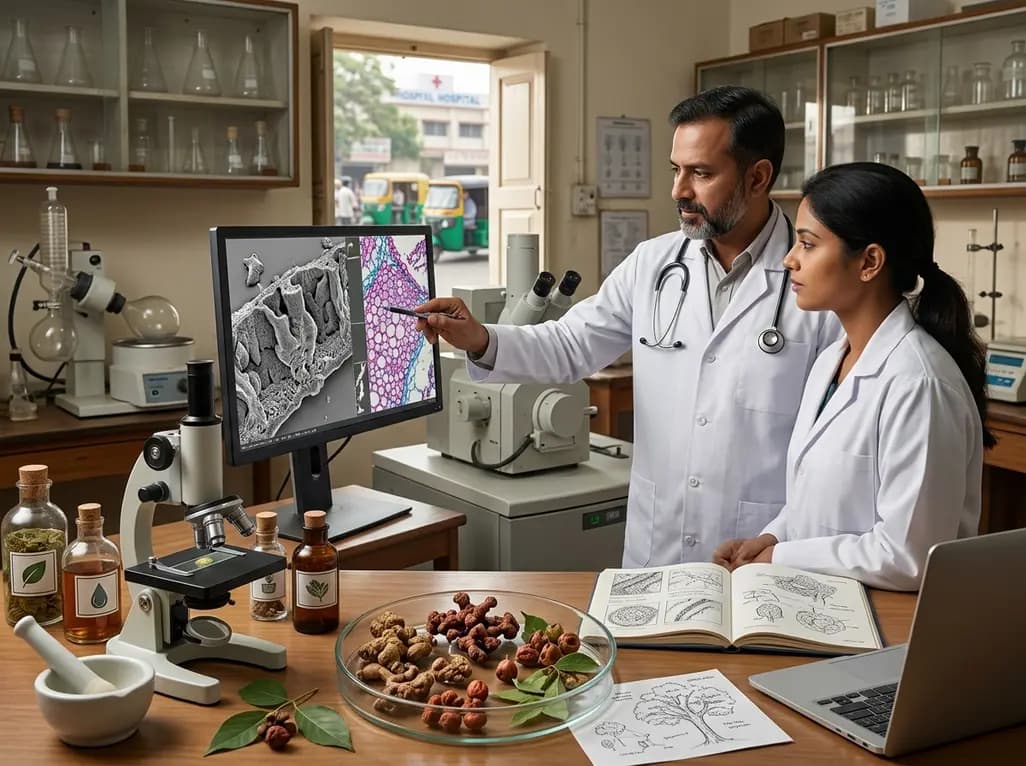
Hovenia dulcis Thunb., widely recognized as the Japanese or Chinese raisin tree, serves as a cornerstone in Traditional Chinese Medicine and various regional herbal practices. Historically, practitioners have utilized almost every part of this Rhamnaceae family member to treat ailments ranging from fever and parasitic infections to liver disorders. Recently, the global pharmacological community has intensified its focus on the species due to its potent hepatoprotective and anti-inflammatory properties. Specifically, the bioactive compound dihydromyricetin, found abundantly in the plant, shows remarkable efficacy in accelerating ethanol metabolism and mitigating the symptoms of alcohol overindulgence. As the demand for herbal supplements rises in India and across the globe, ensuring the purity of these botanical products becomes a clinical necessity. Consequently, establishing precise Hovenia dulcis authentication protocols is essential to prevent the accidental or intentional substitution of raw materials with less effective or potentially toxic lookalikes.
The botanical complexity of the Rhamnaceae family often leads to challenges in identifying genuine specimens at the macroscopic level, especially when dealing with dried or powdered materials. Therefore, researchers now employ advanced microscopic techniques to define the unique cellular architecture of the species. This systematic approach allows for the creation of a "botanical fingerprint" that guarantees the identity and therapeutic integrity of the plant. By integrating light microscopy with scanning electron microscopy (SEM), experts can visualize intricate surface details and internal tissue arrangements that remain invisible to the naked eye. This level of detail is particularly relevant for the AYUSH and pharmaceutical sectors in India, where the standardization of herbal products is undergoing a rigorous regulatory transformation to meet international safety benchmarks.
Effective Hovenia dulcis authentication begins with a detailed understanding of the plant's vegetative and reproductive anatomy. Quality control in the herbal industry frequently suffers from a lack of standardized references, which increases the risk of contamination in the supply chain. Moreover, the therapeutic efficacy of a plant depends heavily on the specific organ used, as the chemical profile varies significantly between the leaves, seeds, and fleshy peduncles. For instance, while the peduncles contain high levels of polysaccharides and sugars, the seeds are richer in certain flavonoids. This variation necessitates a reliable method to verify that the raw material matches the intended pharmacological use. Through rigorous anatomical characterization, scientists can identify diagnostic features that remain stable across different geographic locations and harvesting seasons.
Furthermore, microscopy provides a cost-effective and rapid alternative to complex chemical fingerprinting for initial screening. In the context of large-scale manufacturing, visual confirmation of cellular structures such as stomata types and vascular arrangements provides an immediate assurance of species identity. Recent studies have successfully utilized optical light and scanning electron microscopy to highlight the distinctive traits of the Japanese raisin tree. These methods reveal hidden structures, such as mucilaginous cavities and specific sclerenchyma patterns, which are characteristic of this species. By documenting these traits, the medical community can better safeguard patients against substandard herbal drugs. Such initiatives are vital for maintaining the trust of both clinicians and consumers in the expanding field of integrative medicine.
The leaves of Hovenia dulcis present several unique anatomical markers that facilitate accurate identification. Morphologically, the leaves appear glossy and glabrous, featuring finely toothed margins and an asymmetric base. Anatomically, researchers have observed that the leaves are hypostomatic, meaning the stomata are primarily located on the lower epidermis. Interestingly, the species displays both anomocytic and actinocytic stomata, a combination that serves as a specific diagnostic trait. The mesophyll is largely homogenous, although it contains atypical palisade cells that differ from related species in the Rhamnaceae family. Additionally, the presence of marginal extrafloral nectaries is a notable feature. These nectaries play a role in the plant's ecological interactions and provide a distinct morphological landmark during microscopic examination.
In the stem, the anatomical layout further supports the authentication process. Transverse sections reveal a narrow but continuous ring of sclerenchyma that surrounds the vascular cylinder. This structural arrangement provides mechanical support and remains visible even in processed stem fragments. Furthermore, the presence of mucilaginous cavities throughout the stem tissues is a recurring feature across most organs of the plant, except for the roots and seeds. These cavities house specialized secretions that contribute to the plant's medicinal profile. By identifying these specific tissue layers and cell types, laboratory technicians can confirm the presence of Hovenia dulcis in complex herbal mixtures. This anatomical precision is crucial for ensuring that the therapeutic benefits attributed to the raisin tree are consistently delivered to the patient.
One of the most unique aspects of Hovenia dulcis is its edible fleshy peduncle, which is often mistaken for the fruit itself. This structure, also known as a pseudofruit, undergoes significant changes during maturation, turning a reddish-brown color and developing a sweet, raisin-like flavor. Anatomically, the peduncle contains a cylindrical vascular bundle and an abundance of amyloplasts, which store starch. These features are vital for distinguishing the genuine raisin tree from other invasive or closely related species. The flowers also exhibit specific traits, such as a perigynous hypanthium and an inferior ovary containing anatropous ovules. These reproductive details are essential for botanical taxonomists who study the evolutionary relationships within the Rhamnaceae family.
The seeds of the raisin tree are oblong-elliptic, oily, and albuminous. Unlike other organs, the seeds lack mucilaginous cavities, which is a key distinguishing factor during anatomical profiling. Instead, they contain a linear hilum and a high concentration of lipids, reflecting their role as energy-dense reproductive units. Because the seeds and peduncles are the parts most frequently used in commercial extracts for liver health, their precise characterization is paramount. Microscopic analysis ensures that the oily endosperm and specific hilum morphology are present in the sample. Consequently, these reproductive markers serve as a final checkpoint in the quality assurance process, protecting the integrity of the herbal medicine supply chain.
Advanced diagnostic tools like Energy Dispersive X-Ray Spectroscopy (EDS) have revolutionized the field of botanical authentication. When coupled with scanning electron microscopy, EDS allows researchers to analyze the elemental composition of inorganic crystals found within the plant tissues. In Hovenia dulcis, several types of inorganic crystals with distinct morphologies and chemical signatures have been observed. These crystals, often composed of calcium oxalate, vary in their distribution across different organs. Identifying the specific elemental makeup and shape of these crystals provides an additional layer of verification that goes beyond traditional morphology. This level of analysis is particularly useful for detecting adulterants that might mimic the plant's outward appearance but lack its internal mineral profile.
Moreover, EDS can help identify environmental contaminants or the presence of heavy metals, which is a significant concern in the herbal industry. By mapping the elemental distribution in the stem, leaves, and peduncles, scientists can ensure that the plant was grown in a safe environment and that the raw materials meet safety standards. This integration of micromorphology and chemical analysis represents the future of herbal standardization. It provides a robust, multi-dimensional framework for Hovenia dulcis authentication that addresses both species identity and material purity. For medical practitioners and pharmacists, these scientific advancements translate into safer, more reliable therapeutic options for their patients, especially in the management of metabolic and hepatic health.
The detailed morpho-anatomical characterization of Hovenia dulcis establishes a vital baseline for the herbal medicine industry. By utilizing light microscopy, SEM, and EDS, researchers have provided the tools necessary for the rigorous authentication and quality control of this therapeutic species. These parameters allow for the differentiation of various plant organs and ensure that the correct parts are used for their specific medicinal purposes. Furthermore, these findings contribute to the broader systematic study of the Rhamnaceae family, enhancing our understanding of botanical diversity. For the clinical community, particularly those involved in AYUSH and hepatology, these standards offer a path toward more predictable and safe treatment outcomes.
As the integration of traditional and modern medicine continues to grow, the reliance on standardized botanical data will only increase. Ensuring the quality of raw materials is not just a regulatory requirement but a fundamental aspect of patient safety. The diagnostic traits identified in this study—ranging from stomatal types and sclerenchyma rings to mucilaginous cavities and crystal compositions—provide a comprehensive guide for industry stakeholders. Ultimately, the adoption of these advanced authentication methods will help eliminate substandard products from the market and promote the sustainable use of medicinal plants like the raisin tree. By prioritizing scientific accuracy in botanical identification, the medical field can fully harness the pharmacological potential of nature while minimizing risks.
Authentication ensures that the plant material in a supplement is the correct species and contains the expected bioactive compounds. Without rigorous morpho-anatomical standards, there is a risk of adulteration with similar-looking but potentially toxic species. Proper identification through microscopy protects consumers from adverse reactions and ensures that the therapeutic claims made by manufacturers are supported by the actual chemical profile of the verified plant material.
Key anatomical markers include the presence of both anomocytic and actinocytic stomata on the lower leaf surface, a narrow continuous ring of sclerenchyma in the stem, and mucilaginous cavities in most organs. Additionally, the edible fleshy peduncle contains specific amyloplasts and a cylindrical vascular bundle. These internal cellular structures, visible under microscopy, provide a definitive botanical fingerprint that distinguishes Hovenia dulcis from other members of the Rhamnaceae family.
Scanning electron microscopy (SEM) offers much higher resolution and depth of field than traditional light microscopy, allowing for the visualization of fine surface details like stomatal architecture and nectary structure. When combined with Energy Dispersive X-Ray Spectroscopy (EDS), it also enables the analysis of the mineral composition of inorganic crystals within the plant. This multi-layered approach provides a more comprehensive and accurate profile for authentication than simple visual inspections.
Disclaimer: This content is for informational and educational purposes only. It is not intended to provide medical advice or to be used for the diagnosis or treatment of any condition. Always seek the advice of a qualified health provider regarding any medical concerns. Refer to the latest local and national guidelines for clinical practice.
References
Monchak IT et al. Morpho-Anatomical Characterization of the Raisin Tree, Hovenia dulcis Thunb., Utilizing Optical Light and Scanning Electron Microscopy With Energy Dispersive X-Ray Spectroscopy. Microsc Microanal. 2026 Jul 01. doi: undefined. PMID: 42390899.
Hyun TK, Eom SH, Yu CY, Roitsch T. Hovenia dulcis--an Asian traditional herb. Planta Med. 2010 Jul;76(10):943-9. doi: 10.1055/s-0030-1249776. PMID: 20379955.
Sferrazza G, et al. Hovenia dulcis Thumberg: Phytochemistry, Pharmacology, Toxicology and Regulatory Framework for Its Use in the European Union. Molecules. 2021 Feb 9;26(4):903. doi: 10.3390/molecules26040903. PMID: 33572099.

Read summarized clinical updates, watch expert medical content, and earn CME certifications right from your smartphone.
Open your smartphone camera to scan and install.





This study establishes essential morpho-anatomical markers for Hovenia dulcis (Raisin Tree) using light and scanning electron microscopy. These parameters provide a vital framework for the authentication and quality control of therapeutic raw materials in pharmaceutical and AYUSH sectors.
3 months ago

As monsoon seasons elevate arboviral disease threats, Tamil Nadu has initiated an ICMR-monitored evaluation of the tetravalent dengue vaccine in Tenkasi district. Clinicians emphasize clinical monitoring, public prevention, and high-quality early pediatric care to reduce disease morbidity across endemic regions.
Today

A comparative cohort study evaluates vNOTES vs TLH hysterectomy for benign conditions, demonstrating shorter operative duration, faster return to daily activities, and equivalent female sexual function scores without increased dyspareunia.
Today

Review how tailored exercise programs benefit frail older patients with heart failure. Explore pathophysiological mechanisms, individualized training prescriptions, and strategies to overcome adherence barriers in clinical practice.
Today

This comparative study evaluates posterior labral tears with and without glenohumeral instability, highlighting distinct demographic patterns, MRI underestimation in stable shoulders, and successful arthroscopic repair outcomes.
Today

A clinical study demonstrates that early intervention with tocilizumab, either as monotherapy or bridged with corticosteroids, achieves significant proptosis reduction and resolves active inflammation in treatment-naive thyroid eye disease.
Today
