

Loading, please wait...
Loading, please wait...
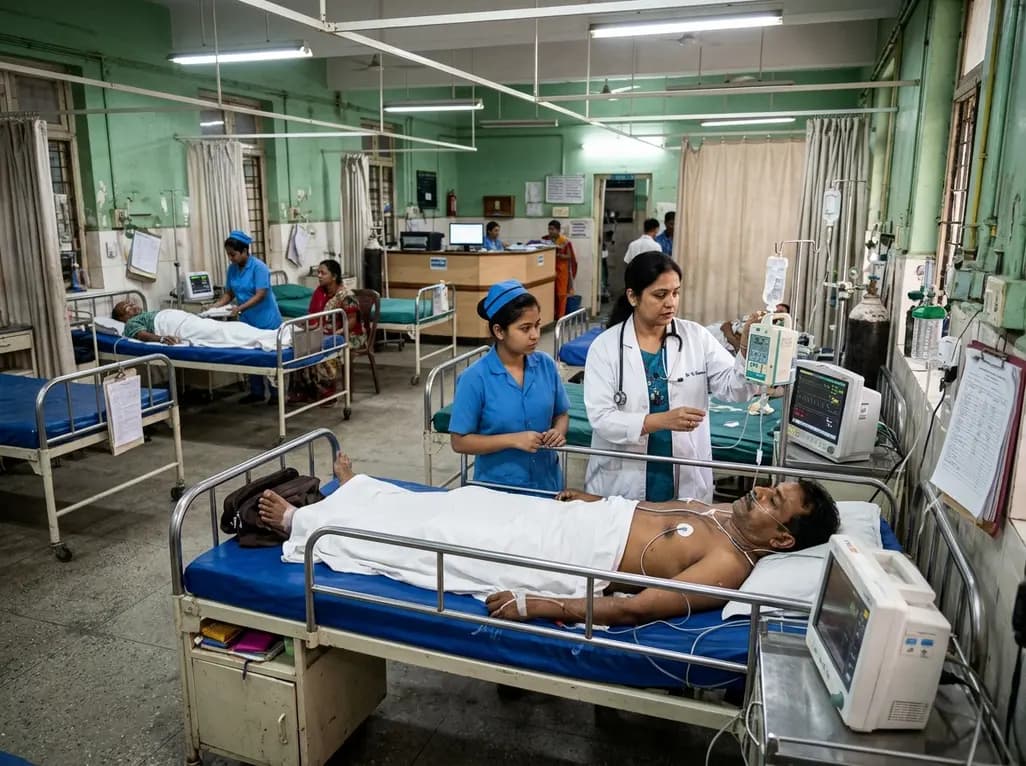
Recent policy discussions in India have highlighted controversial proposals to benchmark hospital room tariffs against local three-star hotel accommodations. However, comparing healthcare facilities to commercial hotels fundamentally misinterprets the intricate economics of acute medical care. A standard hotel room provides leisure, hospitality, and transient comfort that patrons actively choose. In contrast, an acute hospital bed represents a clinical environment supported by continuous medical vigilance. Behind every inpatient room lies an elaborate network of diagnostic technology, intensive care readiness, and skilled personnel. Consequently, healthcare administrators and clinical leaders must examine hospital operational costs beyond physical real estate. True healthcare affordability requires recognizing the massive clinical overhead that directly safeguards patient lives.
Hospital rooms require continuous operational readiness that hotels never deliver. For instance, an inpatient bed demands uninterrupted clinical monitoring, central medical gas pipelines, and strict infection control. Furthermore, clinical facilities must keep intensive care units, emergency suites, and operating theaters fully staffed day and night. Clinical teams cannot simply shut down critical life-support systems or imaging devices when bed occupancy temporarily drops. Therefore, fixed operational expenditures remain exceptionally high regardless of immediate daily inpatient volume.
In addition, geographical location heavily dictates baseline healthcare capital expenditures across different Indian cities. A tertiary medical center in Mumbai or Delhi faces immense land acquisition charges and steep municipal taxes. Conversely, setting up healthcare facilities in tier-two and tier-three cities introduces distinct economic obstacles. While real estate expenses may decline in smaller towns, hospitals frequently encounter lower patient footfalls and severe specialist recruitment barriers. Consequently, hospitals must absorb these substantial baseline expenses to maintain clinical readiness across diverse regional territories. Moreover, regular equipment calibration, clinical quality audits, and statutory accreditation systems impose perpetual overhead on every functional bed. Reducing a multifaceted medical ecosystem to basic hotel lodging distorts the capital needed to maintain safe clinical outcomes.
Modern clinical medicine remains an intensely people-dependent enterprise where specialist availability directly determines patient survival. Experienced physicians, certified intensivists, skilled surgical teams, and qualified nurses form the indispensable foundation of inpatient care. However, assembling such specialized clinical manpower demands continuous, substantial capital investments from healthcare institutions. Tertiary care centers must offer competitive compensation packages to attract elite medical specialists away from overseas opportunities.
Furthermore, the heavy concentration of medical talent in primary metropolitan hubs creates severe regional disparities. Physicians and nurses have understandable lifestyle expectations, requiring reliable civic roads, modern housing, and reputable local schools. Consequently, medical facilities operating outside major metropolitan centers face substantial recruitment premiums to attract experienced clinicians. In addition, nationwide shortages of experienced intensive care nurses and allied healthcare professionals inflate operational labor expenditures. As diagnostic complexity grows, clinical institutions must also invest continually in professional training and skill certification. Similarly, retaining qualified biomedical technicians and pharmacy specialists guarantees round-the-clock patient safety and operational excellence. Therefore, medical staff compensation represents an essential operational necessity rather than an arbitrary administrative markup. Ultimately, sustaining high clinical quality requires recognizing human talent as the primary determinant of acute hospital expenses.
Charitable trust hospitals across India carry unique statutory obligations that commercial hotels never encounter. For example, legal frameworks in Maharashtra mandate that charitable facilities reserve twenty percent of operational beds for impoverished patients. Specifically, hospitals must allocate ten percent of beds to indigent citizens and another ten percent to weaker demographic sections. These vulnerable individuals receive clinical consultations, advanced surgeries, and essential pharmaceuticals either completely free or at heavily concessional rates. Moreover, eligible charitable institutions must contribute two percent of their applicable gross billing to dedicated indigent patient funds.
In contrast, commercial hospitality venues bear no obligation to host vulnerable individuals without charging standard accommodation tariffs. A charitable hospital meets these massive community obligations while continuing to fund expensive medical technology and intensive staffing. Furthermore, private patient tariffs create an essential cross-subsidization mechanism that finances care for economically disadvantaged patients. If regulatory authorities artificially suppress standard room charges, this vital cross-subsidization framework rapidly disintegrates. Consequently, underprivileged communities may face catastrophic reductions in access to life-saving tertiary clinical interventions. Therefore, healthcare regulators must evaluate charitable hospital finances through a public service lens rather than narrow commercial metrics.
Hospital sustainability depends far more on effective clinical capacity utilization than on simple physical bed numbers. A well-managed hospital does not desire prolonged patient hospitalizations because extended stays elevate nosocomial infection risks. Instead, clinical leadership prioritizes an appropriate average length of stay to optimize patient throughput safely. When clinical teams streamline recovery pathways, the same inpatient bed can serve significantly more patients every month. Therefore, operating room utilization, diagnostic throughput, and equipment productivity represent the true drivers of clinical productivity.
In addition, healthcare facilities can enhance overall affordability through disciplined internal operational execution. For instance, rigorous surgical scheduling, rapid discharge planning, and reduced cancellation rates eliminate avoidable inpatient overhead. Furthermore, hospitals can lower operational friction by modernizing supply chains, curbing pharmaceutical wastage, and optimizing revenue-cycle workflows. Moreover, adopting modern digital health records enables multi-departmental coordination, minimizing unnecessary diagnostic redundancies for hospitalized patients. Better communication regarding clinical pathways and upfront billing clarity also reduces patient anxiety and administrative disputes. Consequently, enhanced internal efficiency allows hospitals to contain delivery costs while maintaining rigorous clinical quality standards. However, internal optimization alone cannot replace the necessary financial margins required to replace aging biomedical hardware.
Achieving genuine healthcare affordability requires addressing systemic structural challenges within public and private financing frameworks. Official survey data reveals that out-of-pocket health expenditure still accounts for over forty percent of total healthcare spending in India. Moreover, nearly sixty-four percent of national hospitalizations occur in private healthcare establishments. While public schemes like Ayushman Bharat expand healthcare access, participating private providers frequently confront severe cash-flow delays. For example, empanelled healthcare facilities frequently experience unpaid dues stretching over many months from public health schemes.
These substantial reimbursement delays lock up critical working capital needed to purchase life-saving medications and maintain advanced equipment. Similarly, disputes with private insurers over claim deductions and empanelment terms place immense financial pressure on hospital operations. Therefore, reforming hospital room tariffs requires creating a predictable reimbursement environment with realistic package pricing schedules. In addition, state authorities can lower healthcare delivery costs through rationalized electricity tariffs, tax incentives, and simplified statutory approvals. Consequently, structural regulatory support enables private facilities to deliver high-quality tertiary care without compromising operational viability. Ultimately, sustainable healthcare financing requires balanced public-private collaboration rather than blunt price controls on inpatient rooms.
Q1: Why cannot hospital room tariffs be compared directly to hotel room rates?
Hospital room tariffs fund continuous intensive monitoring, specialized clinical personnel, strict infection control protocols, and life-support readiness. While hotels offer discretionary hospitality and transient lodging amenities, acute units face distinct emergencies. Inpatient wards must sustain complex biomedical infrastructure and resuscitation teams twenty-four hours a day. Consequently, hospital lodging expenses reflect complete institutional clinical preparedness and rapid medical intervention capabilities rather than simple physical real estate accommodations.
Q2: How do charitable hospital bed quotas influence inpatient pricing models?
Charitable trust hospitals in India must allocate twenty percent of operational beds to indigent patients at free or discounted rates. Additionally, regulations require them to contribute two percent of gross billing to indigent patient welfare funds. Private room tariffs generate essential revenue to cross-subsidize these charitable treatments for underprivileged citizens. Furthermore, this revenue continually maintains advanced medical hardware, diagnostic laboratories, and specialized professional clinical salaries.
Q3: What operational measures can private hospitals implement to enhance affordability?
Hospitals can improve healthcare affordability by optimizing their average length of stay and improving operating room scheduling. Additionally, clinical teams can minimize diagnostic equipment downtime to boost overall patient throughput. Furthermore, reducing supply chain inventory losses, preventing billing documentation errors, and adopting digital clinical records help streamline administrative expenditures. These structured operational enhancements systematically eliminate avoidable hospital overhead costs without compromising diagnostic precision or bedside clinical care.
Disclaimer: This content is for informational and educational purposes only. It does not constitute medical advice or replace professional judgment. Refer to the latest local and national guidelines for clinical practice.
References

Read summarized clinical updates, watch expert medical content, and earn CME certifications right from your smartphone.
Open your smartphone camera to scan and install.





Benchmarking hospital beds against hospitality rates overlooks the round-the-clock intensive care, skilled clinical staff, and diagnostic readiness required for acute inpatient medicine. Understanding real operational expenses is vital for creating sustainable healthcare delivery models across public and private sectors.
Today
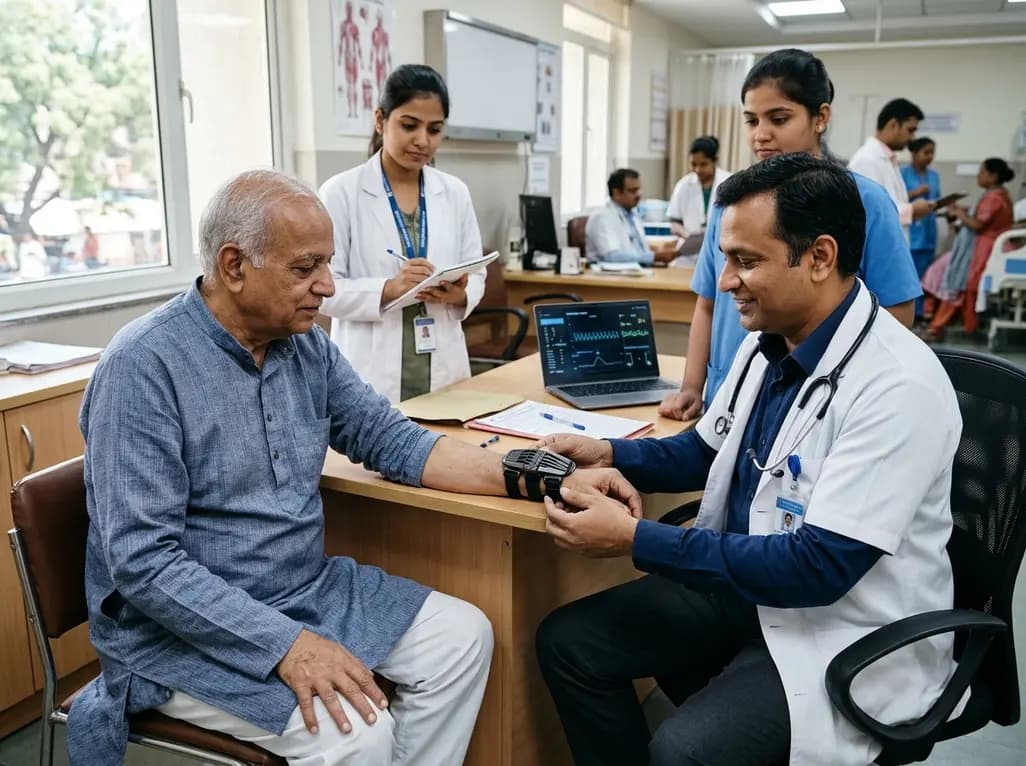
The TREM-AB open-label pilot study evaluated a wearable passive nonlinear vibration absorber for essential tremor. The Nonlinear Energy Sink bracelet reduced clinical Fahn-Tolosa-Marin tremor scores by 32.1% and electrophysiological tremor power by 49.2% with no adverse effects reported.
Today
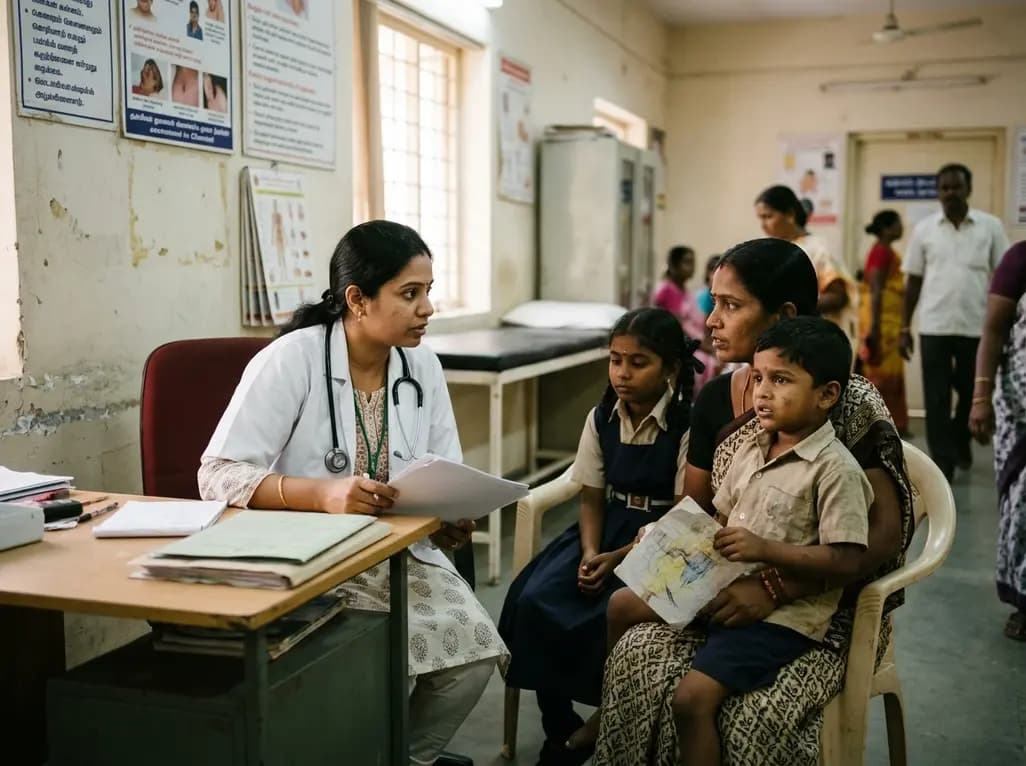
A population-based study of 20,928 children reveals that small vulnerable newborns face sex-divergent mental capital outcomes at ages 6-7: term SGA girls show higher behavioral difficulties and lower resilience, while preterm non-SGA boys experience increased behavioral problems.
Today
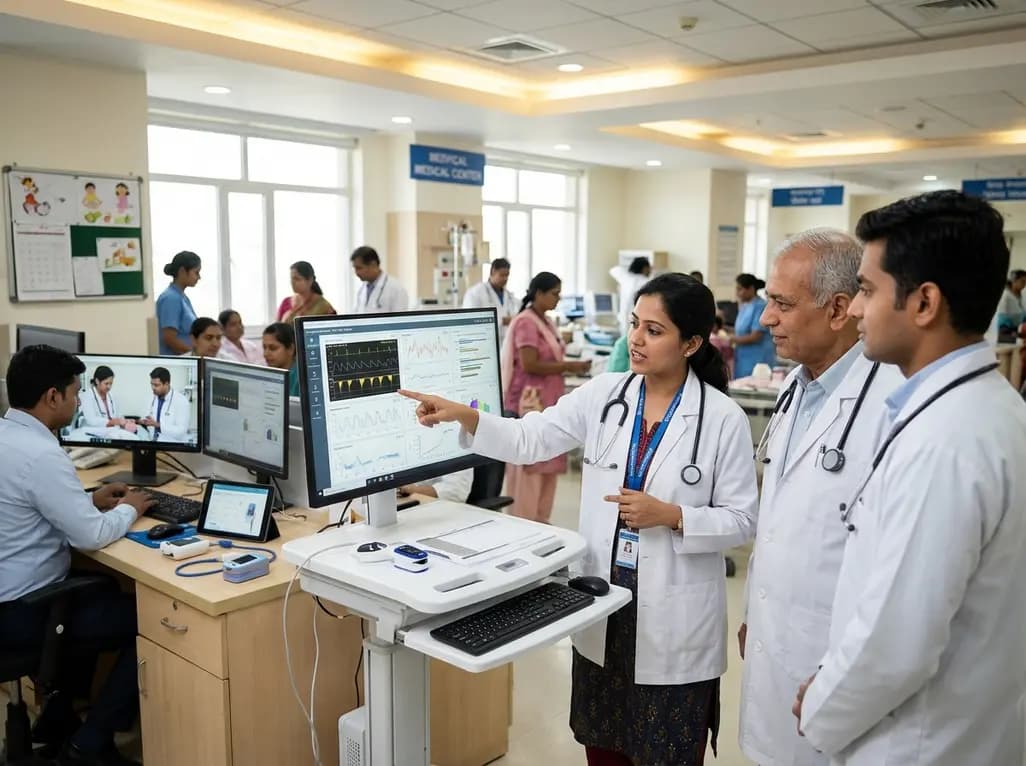
A landmark study details how an enterprise pediatric remote patient management model expanded from a single cardiology pilot to 16 diverse specialty programs by combining centralized digital operations with specialty clinical leadership.
Today
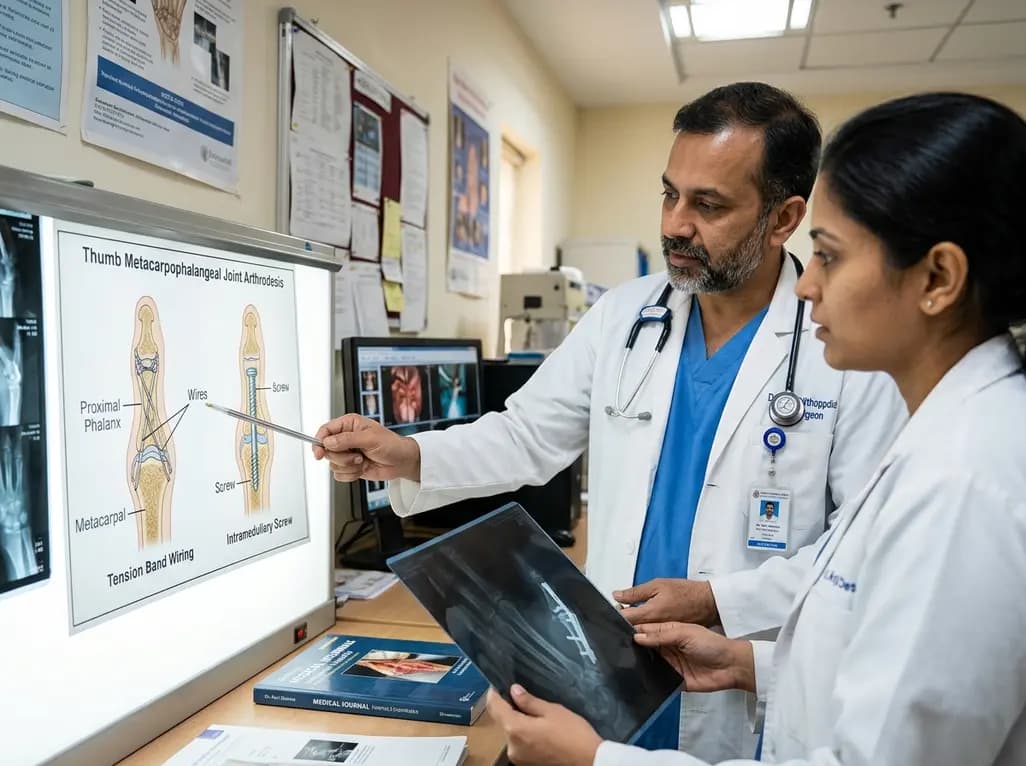
A comparative review of tension band wiring and intramedullary screw fixation in thumb metacarpophalangeal arthrodesis, evaluating union rates, hardware complications, and clinical outcomes.
Today
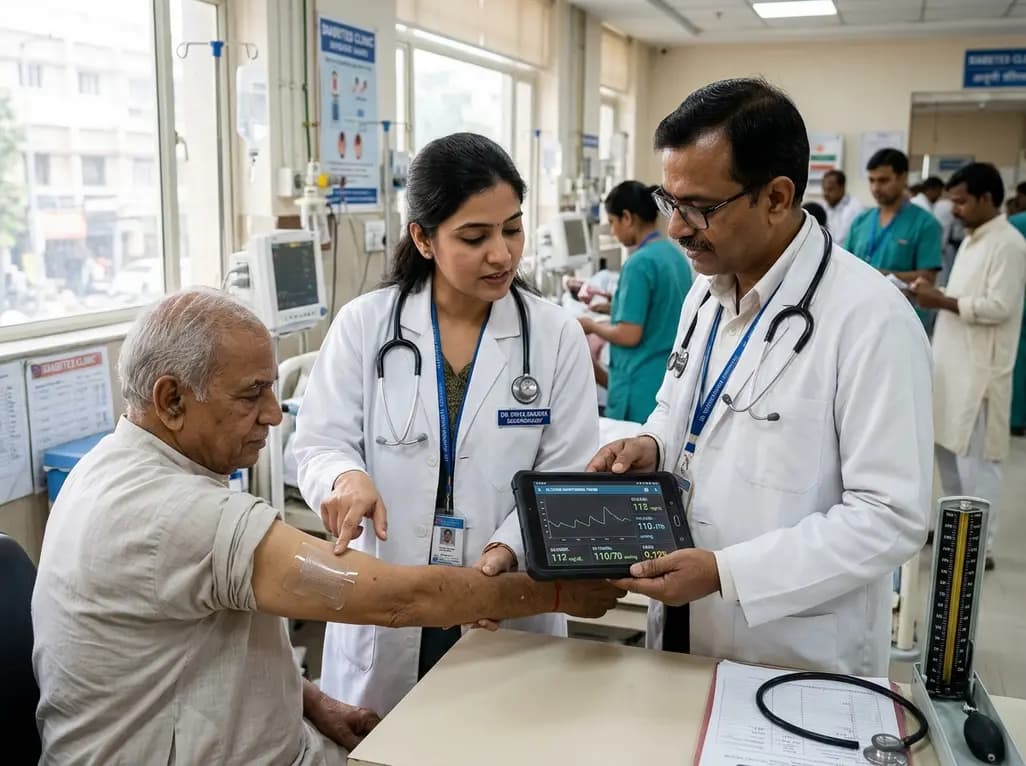
A breakthrough ultrathin multimodal sensor decouples physical hemodynamic monitoring from disposable electrochemical calibration, achieving long-term wearable glucose prediction with 81.36% accuracy and a 9.12% MARD. This offers a robust, drift-free solution for outpatient metabolic surveillance.
Today
