.webp&w=384&q=75)

Loading, please wait...
Loading, please wait...
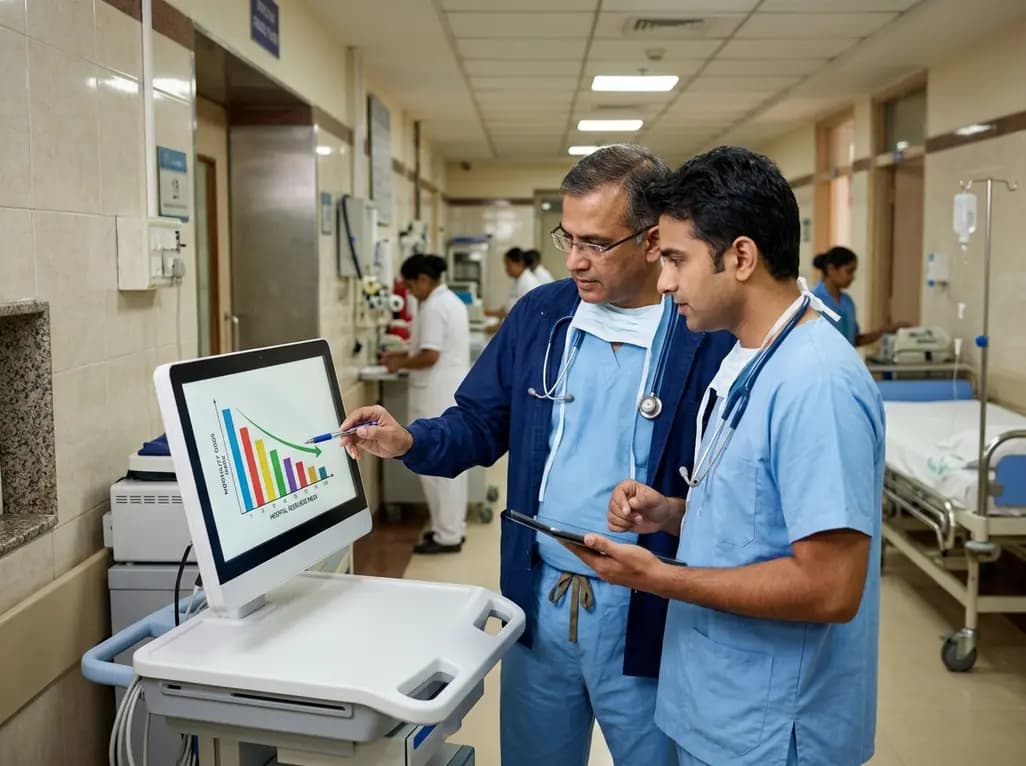
Pancreatic resections represent some of the most complex procedures in abdominal surgery. Historically, centralized healthcare policies have relied on surgical caseload volume as the primary surrogate for perioperative safety. However, global 90-day post-resection death rates still fluctuate widely between 2% and 10%. This disparity demonstrates that surgical experience alone cannot eliminate adverse outcomes. Institutional infrastructure plays an equally crucial role in determining clinical success. A multi-country analysis has now identified specific structural determinants that influence pancreas surgery mortality. By shifting attention from strict case volume toward actionable infrastructure upgrades, clinicians and hospital leaders can implement targeted protocols that improve rescue rates and enhance surgical survival worldwide.
Complex hepatopancreatobiliary procedures entail substantial anatomical dissection and metabolic stress. Even when skilled surgeons perform technically sound resections, patients frequently face severe postoperative complications. These complications include postpancreatectomy hemorrhage, delayed gastric emptying, and clinically relevant postoperative pancreatic fistula. Consequently, the trajectory of a patient depends heavily on how rapidly the hospital detects and manages these critical events. While high-income tertiary centers often report mortality rates below 3%, hospitals in diverse low- and middle-income regions experience rates approaching 10%. Traditionally, health authorities have attempted to address this gap by centralizing operations into regional high-volume hubs. However, centralization often creates formidable geographic, economic, and logistical barriers for vulnerable patients. Furthermore, volume thresholds alone do not guarantee clinical excellence if underlying infrastructure remains inadequate. Therefore, the international surgical community requires precise hospital-level benchmarks. Identifying modifiable structural targets enables institutions to upgrade perioperative pathways directly. This approach ensures that centers of varying sizes can improve survival without relying entirely on caseload expansion.
To identify the structural factors that directly mitigate pancreas surgery mortality, investigators analyzed outcomes from 2,928 patients across 214 centers in 60 countries. They evaluated 20 institutional infrastructure variables using multivariable multilevel modeling. Ultimately, six distinct hospital-level factors emerged as significant independent predictors of patient survival. First, immediate access to interventional radiology and advanced therapeutic endoscopy proved indispensable. These services permit minimally invasive salvage of deep surgical leaks and bleeding vessels. Second, structured clinical nutrition support ensured rapid metabolic recovery and prevented catabolic decline. Third, consistent adoption of evidence-based surgical pathways, such as enhanced recovery protocols, standardized perioperative care. Fourth, regular staff training programs kept clinical teams updated on rapid complication identification. Fifth, systematic medical equipment maintenance guaranteed optimal functioning of essential monitoring and operative technologies. Finally, favorable nurse-to-patient staffing ratios provided vigilant bedside monitoring. Together, these six structural elements formed the additive Hospital Resource Index. Each component addresses a specific vulnerability in the postoperative journey.
The additive Hospital Resource Index reveals a profound cumulative survival advantage for surgical patients. According to the international data, each additional index resource lowers the odds of 90-day postoperative death by 12%. When healthcare facilities possess all six structural capabilities, the cumulative effect becomes dramatic. Patients treated at institutions with the complete six-factor infrastructure experience a 54% lower mortality rate compared to hospitals lacking these resources. Crucially, this protective benefit remains robust after adjusting for patient age, underlying comorbidities, surgical complexity, and the national Human Development Index. Although institutional surgical volume retained an independent protective threshold at 55 cases per year, the infrastructure index exerted comparable protective weight. This finding proves that technical volume and institutional readiness operate as complementary forces rather than interchangeable factors. Therefore, smaller institutions can substantially bridge the mortality divide by systematically integrating these six infrastructure elements into their surgical care environments.
A central tenet of modern surgical quality is the concept of failure to rescue, defined as patient death following a major postoperative complication. Notably, high-volume and low-volume centers frequently experience similar overall complication rates. However, their ultimate mortality rates diverge sharply based on how effectively they rescue deteriorating patients. Interventional radiology and advanced endoscopy serve as primary frontline rescue modalities. For instance, an acute pseudoaneurysm rupture or pancreatic leak requires immediate embolization or catheter drainage. If a facility lacks on-site interventional specialists, the patient faces emergency re-laparotomy, which carries markedly higher operative mortality. Similarly, favorable nurse-to-patient ratios ensure that bedside providers detect subtle tachycardia, fever, or abdominal distension hours before overt septic collapse develops. Furthermore, structured nutritional therapy prevents immune failure and promotes anastomotic healing. When hospitals maintain functional equipment and trained nursing teams, they establish a durable safety net. Consequently, comprehensive hospital readiness directly converts potentially fatal complications into manageable clinical events.
These findings hold profound relevance for healthcare delivery across India, where surgical volume and hospital infrastructure vary considerably between settings. Leading quaternary academic institutions in metropolitan areas manage immense operative volumes with comprehensive technology. Conversely, non-metro tertiary hospitals and tier-two facilities shoulder substantial surgical burdens despite constrained infrastructure. Implementing rigid centralization policies in India often increases travel times, exacerbates financial distress, and delays critical cancer resections. Instead of transferring all cases to overcrowded metropolitan institutions, policymakers should prioritize structural resource allocation. Establishing around-the-clock interventional radiology coverage and expanding specialized surgical intensive care nursing offer immediate protective returns. Additionally, introducing institutional clinical nutrition services and adopting standardized Enhanced Recovery After Surgery pathways require relatively modest capital investment. By targeting these six modifiable variables, regional Indian centers can optimize patient outcomes locally. This balanced strategy elevates surgical quality while preserving timely geographic access to vital oncologic procedures.
Hospital accreditation bodies and surgical quality consortiums must incorporate structural readiness metrics into their evaluation frameworks. Traditionally, regulatory benchmarks have prioritized retrospective surgical volumes and surgeon-specific credentials. While operative experience remains indispensable, structural evaluations must evaluate the broader clinical ecosystem. Healthcare administrators should verify that on-call interventional radiologists, functional endoscopes, and certified equipment preventive maintenance protocols operate seamlessly. Furthermore, hospitals must invest in dedicated nursing retention programs to maintain safe nurse-to-patient ratios on acute surgical wards. Multidisciplinary tumor boards should also audit adherence to evidence-based postoperative bundles regularly. By aligning institutional funding with the six pillars of the Hospital Resource Index, health systems can systematically eliminate preventable operative deaths. Ultimately, this paradigm shift democratizes surgical safety, ensuring that every patient undergoing major pancreatic resection receives exceptional, resilient care regardless of institutional location.
The Hospital Resource Index is a cumulative quality score based on six modifiable institutional factors. These factors comprise interventional radiology or endoscopy access, dedicated nutrition support, evidence-based care protocols, clinical staff training, equipment maintenance, and safe nurse-to-patient ratios. Each factor provides cumulative protection against mortality, helping hospitals identify structural deficiencies and improve surgical outcomes beyond simple caseload metrics.
Institutional infrastructure improves patient rescue capabilities when major complications arise. Facilities equipped with around-the-clock interventional radiology, skilled nursing, and standardized care protocols detect anastomotic leaks, intra-abdominal sepsis, and hemorrhages early. Clinicians can manage these complications using catheter drainage or vascular embolization instead of high-risk re-laparotomy. Consequently, strong infrastructure prevents manageable postoperative complications from progressing into fatal organ failure.
Yes, caseload volume remains an independent predictor of perioperative survival. The global analysis identified an optimal institutional threshold of 55 pancreatic resections annually. However, high volume alone does not guarantee superior survival without essential infrastructure. Institutions that combine high surgical volume with all six hospital resource factors achieve the lowest mortality rates worldwide.
Disclaimer: This content is for informational and educational purposes only, does not constitute medical advice, and is not a substitute for professional clinical judgement. Healthcare professionals should make diagnostic and therapeutic decisions independently. Always verify clinical information with up-to-date peer-reviewed evidence and professional guidelines. The authors and publishers assume no liability for any injury or damage resulting from the use of this content. Refer to the latest local and national guidelines for clinical practice.
References
Hidalgo Salinas C et al. Hospital-Level Determinants of Mortality After Pancreas Surgery: A Global Infrastructure Analysis. Ann Surg. 2026 Sep 09. doi: 10.1097/SLA.0000000000007196. PMID: 42711758.
Gouma DJ, van Geenen RC, van Gulik TM, et al. Rates of complications and death after pancreaticoduodenectomy: risk factors and the impact of hospital volume. Ann Surg. 2000;232(6):786-795.
Krautz C, Nimptsch U, Weber GF, Mansky T, Grützmann R. Effect of hospital volume on failure to rescue after major abdominal surgery: a nationwide study. Ann Surg. 2018;267(5):844-851.

Read summarized clinical updates, watch expert medical content, and earn CME certifications right from your smartphone.
Open your smartphone camera to scan and install.





A landmark global study identifies six modifiable hospital infrastructure factors that form a Hospital Resource Index. Each index point reduces pancreas surgery mortality odds by 12% independently of surgical volume, providing concrete pathways to upgrade surgical safety across diverse health systems worldwide.
last month
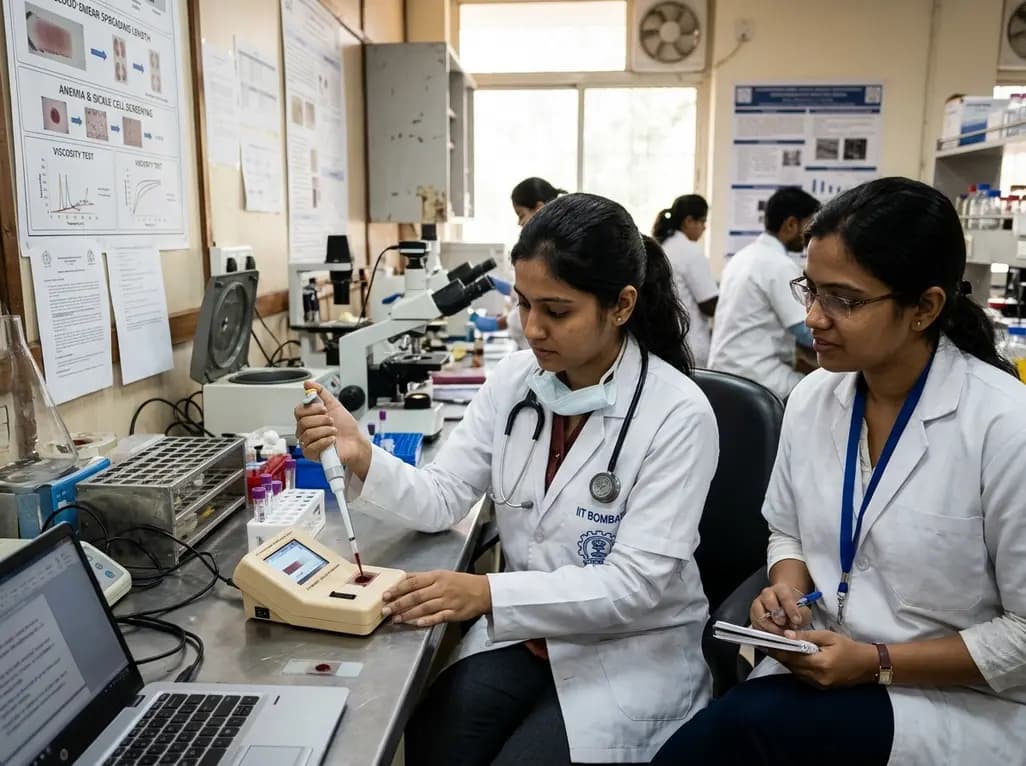
Researchers at IIT Bombay have engineered an automated, cost-effective point-of-care device that diagnoses anaemia and sickle cell disease from a single drop of blood. By measuring blood smear spreading length, this portable tool assesses blood viscosity to offer rapid screening in resource-limited healthcare centers.
Today

A population-based study of 20,928 children reveals that small vulnerable newborns face sex-divergent mental capital outcomes at ages 6-7: term SGA girls show higher behavioral difficulties and lower resilience, while preterm non-SGA boys experience increased behavioral problems.
Today
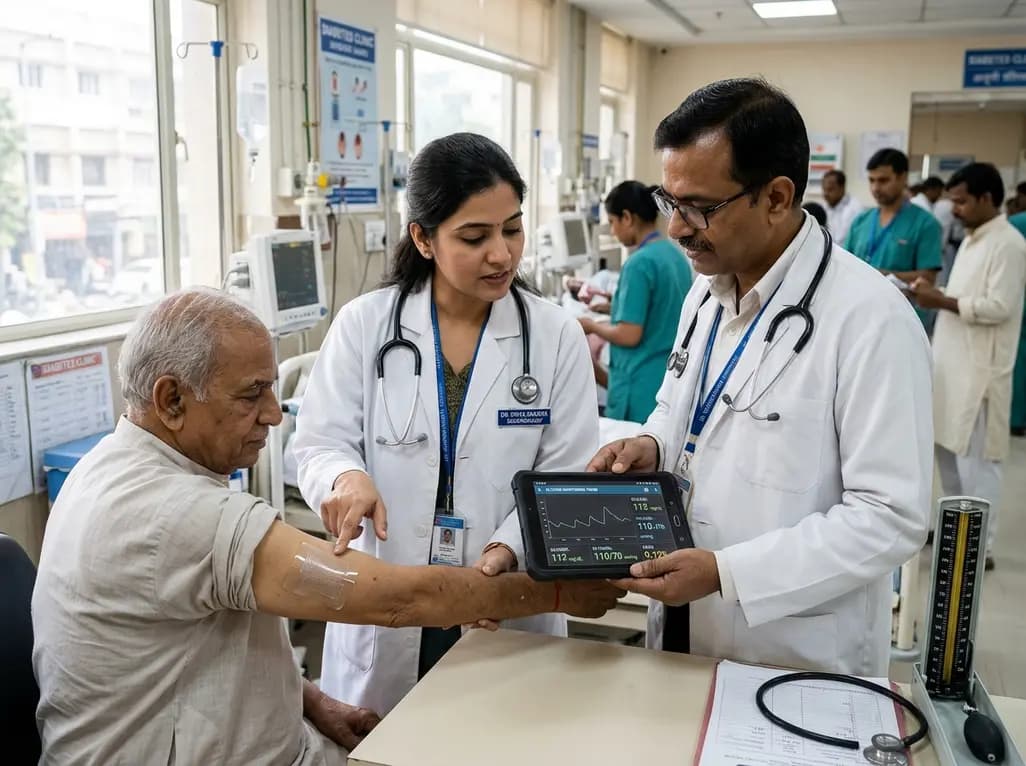
A breakthrough ultrathin multimodal sensor decouples physical hemodynamic monitoring from disposable electrochemical calibration, achieving long-term wearable glucose prediction with 81.36% accuracy and a 9.12% MARD. This offers a robust, drift-free solution for outpatient metabolic surveillance.
Today
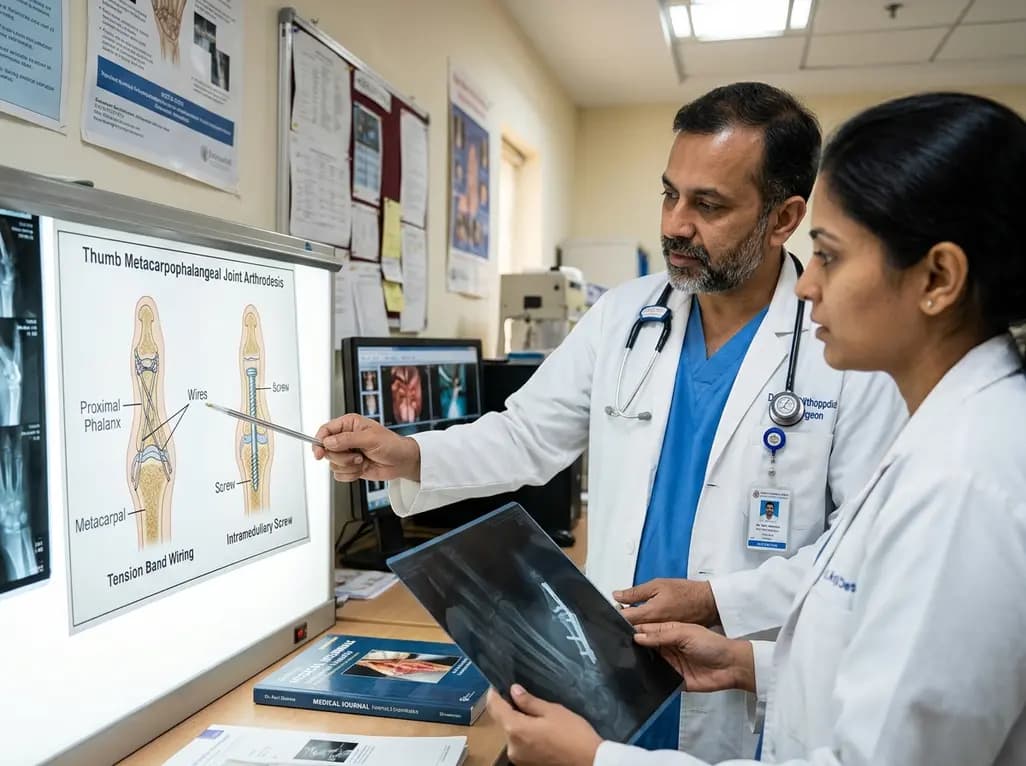
A comparative review of tension band wiring and intramedullary screw fixation in thumb metacarpophalangeal arthrodesis, evaluating union rates, hardware complications, and clinical outcomes.
Today

Following regulatory scrutiny from FSSAI regarding promotional representations and lean muscle preservation claims, Dr. Reddy's Laboratories and Nestlé Health Science are currently reviewing the branding and marketing strategy for their joint nutritional supplement Celevida GLP+.
Today
