.webp&w=384&q=75)

Loading, please wait...
Loading, please wait...
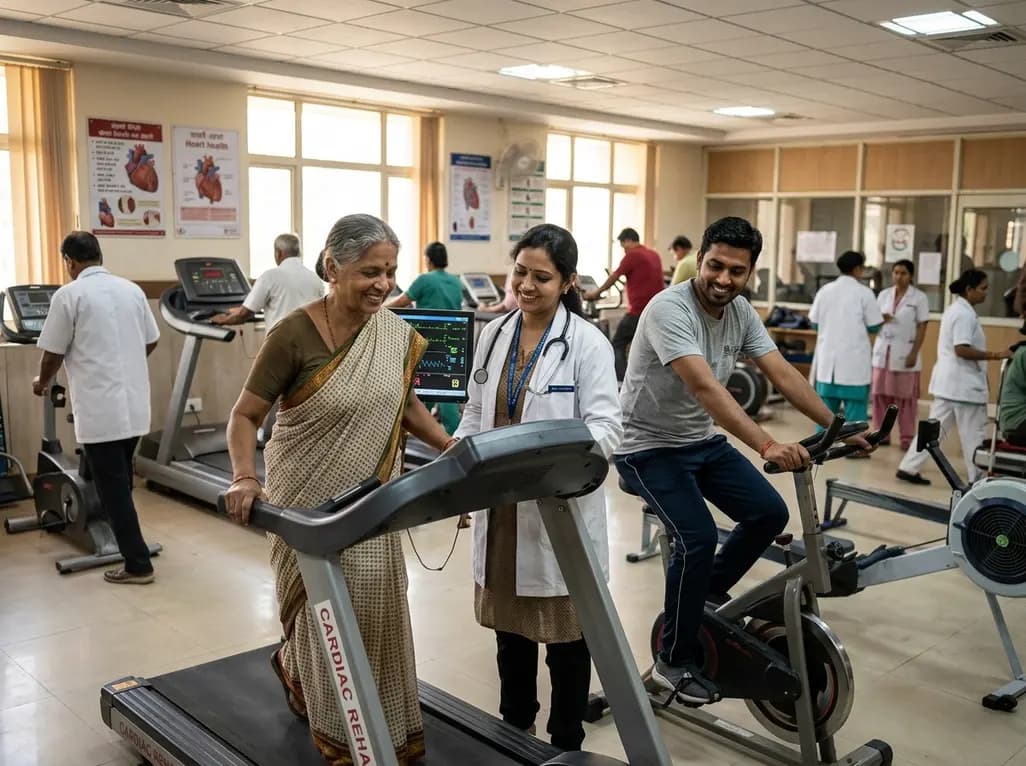
Cardiovascular disease remains the leading cause of premature mortality and long-term disability worldwide. Structured exercise therapy and lifestyle modification provide substantial secondary prevention benefits following acute coronary events. However, healthcare systems frequently observe persistent disparities in cardiac rehabilitation outcomes across diverse demographic cohorts. Historically, clinical trials predominantly enrolled homogeneous male cohorts. Consequently, clinicians possessed limited insight into how sociodemographic factors influence holistic cardiovascular recovery. Female patients and ethnic minorities frequently face substantial barriers to care, including socioeconomic limitations, transportation challenges, and family caregiving obligations. These systematic obstacles often lead to delayed medical presentation and diminished referral rates for structured rehabilitation programs.
Moreover, clinicians often assume that patients with lower baseline functional scores derive inferior therapeutic benefits from supervised exercise. Nevertheless, emerging evidence demonstrates that vulnerable populations achieve remarkable physiological and psychological adaptations when they complete structured programs. Therefore, re-evaluating secondary prevention models is vital for modern cardiology. By examining how demographic characteristics modulate physical capacity and mental well-being, healthcare providers can dismantle systemic inequities. In addition, addressing these clinical gaps helps physicians offer tailored guidance that directly addresses unique patient vulnerabilities. Proactively addressing these disparities ensures that secondary prevention delivers maximum therapeutic value to every community.
A recent prospective observational study evaluated 464 consecutive cardiac patients participating in a comprehensive secondary prevention program. Clinicians assessed health-related quality of life at baseline enrollment and immediately upon program completion. The investigators utilized the validated Short-Form Survey-12 instrument to measure both physical and mental composite outcomes. Furthermore, the researchers conducted objective functional assessments, including the standardized six-minute walk test and symptom-limited exercise stress testing. Trained physiotherapists closely supervised each testing session to ensure clinical safety and data integrity. These validated metrics permitted precise quantification of cardiopulmonary endurance, functional reserves, and aerobic thresholds.
Additionally, the research team analyzed patient adherence rates, clinical characteristics, and the specific timing of program initiation across subgroups. The authors categorized participants according to gender, ethnic background, and referral timelines. This rigorous methodology allowed investigators to separate physiological capacity gains from perceived psychological wellness. While clinical recovery typically focuses on objective treadmill performance, subjective health status predicts long-term cardiovascular prognosis. Thus, tracking validated quality of life markers alongside functional capacity provides an indispensable perspective on holistic recovery. As a result, the study created a robust framework for assessing multi-dimensional recovery in contemporary clinical practice. Consequently, comprehensive monitoring guarantees that clinicians understand how interventions modify daily functional independence.
The study demonstrated statistically significant improvements in physical and mental quality of life dimensions across the total cohort. However, the most compelling findings emerged during subgroup comparative analyses. Female patients presented with notably lower baseline physical and mental quality of life scores than male counterparts. Similarly, ethnic-minority participants exhibited lower initial baseline scores than majority patients. These lower baseline numbers reflected substantial pre-existing psychological burdens, socio-economic challenges, and delayed post-infarction care.
Remarkably, despite these disadvantaged starting points, women and ethnic-minority patients achieved significantly greater improvements in mental health scores upon completion. Their total overall quality of life gains substantially outpaced the improvements recorded by male and majority participants. Moreover, these profound benefits occurred despite identical adherence and completion rates across all demographic groups. Therefore, equal therapeutic participation generated superior relative recovery for historically underserved cohorts. This finding strongly refutes the misconception that socioeconomically diverse cohorts show poorer motivation during rehabilitation. In contrast, timing of program initiation influenced absolute functional capacity gains without dampening psychological recovery. These observational insights underscore that vulnerable populations derive immense therapeutic benefit when clinicians ensure equitable access to structured secondary prevention. Furthermore, identifying these positive responses encourages healthcare teams to recruit marginalized individuals aggressively.
Several physiological and psychosocial mechanisms explain why women and ethnic-minority patients experience such pronounced mental health improvements. First, supervised rehabilitation provides an empathetic and structured therapeutic environment. This safe clinical space effectively reduces isolation and mitigates the severe post-cardiac anxiety that disproportionately burdens female survivors. Furthermore, multidisciplinary programs integrate guided physical activity, structured dietary counseling, and peer support networks. Moreover, this multidisciplinary engagement helps patients overcome debilitating fears of physical exertion. Similarly, engaging with fellow patients creates shared accountability and mutual reassurance. Consequently, patients develop improved self-efficacy and regain emotional confidence after surviving a life-threatening acute cardiovascular crisis.
Additionally, regular aerobic exercise induces neurohormonal benefits that directly relieve depressive symptoms. Aerobic conditioning modulates autonomic tone, enhances endothelial nitric oxide production, and dampens systemic inflammatory signaling. Because women and ethnic-minority patients often carry higher baseline stress markers, exercise-induced neuroendocrine regulation provides a larger therapeutic effect. In addition, acquiring independent exercise skills empowers patients to regain personal agency over their health trajectory. Thus, cardiac rehabilitation functions as both a hemodynamic stabilizer and a vital psychosocial lifeline. When structured exercise dispels catastrophic health fears, patients experience profound mental liberation and enhanced emotional vitality. Ultimately, physiological improvements translate into greater everyday functional confidence.
These clinical findings hold profound significance for medical practitioners across India. Cardiovascular disease manifests almost a decade earlier in South Asian individuals compared to Western populations. Furthermore, Indian patients present with extensive diffuse multi-vessel disease and elevated post-infarction complication rates. Despite this immense disease burden, formal cardiac rehabilitation remains severely underutilized across Indian clinical centers. Women in Indian households face unique domestic duties, cultural stigmas, and economic dependence, which severely hinder secondary prevention attendance. Consequently, female cardiac survivors in India experience unaddressed emotional distress and suboptimal functional recovery.
Similarly, patients from socioeconomically disadvantaged and rural backgrounds encounter formidable structural barriers to accessing specialized cardiovascular centers. Nevertheless, the prospective data show that marginalized populations experience the highest relative quality of life improvements when enrolled. Therefore, Indian cardiologists and consulting physicians must actively champion secondary prevention referrals for female and lower-income cardiac patients. Incorporating subsidized community programs and culturally sensitive counseling can dramatically bridge current gaps in care. Furthermore, establishing community-based satellite clinics can overcome long travel distances for economically constrained patients. In addition, educating families about the critical role of structured recovery ensures sustained patient compliance. Ultimately, expanding rehabilitation access represents a high-impact, cost-effective public health strategy for reducing cardiovascular morbidity nationwide.
Female cardiac patients often present with substantially higher baseline levels of depression, anxiety, and social isolation following acute cardiovascular events. Structured rehabilitation provides supervised exercise, professional psychoeducation, and an encouraging peer environment. These elements systematically dismantle health-related fears and build physical self-efficacy. Consequently, women experience dramatic relative improvements in mental quality of life. The structured support system effectively addresses psychosocial vulnerabilities that standard medical consultations frequently overlook during routine outpatient follow-up care.
Clinicians can enhance enrollment by implementing automatic bedside referral protocols prior to hospital discharge. Furthermore, eliminating language barriers through culturally tailored educational materials and flexible scheduling options dramatically improves participation. Introducing hybrid telerehabilitation models also removes geographic constraints for economically disadvantaged families. In addition, clinicians must actively communicate the profound emotional advantages of rehabilitation. Reassuring apprehensive patients that exercise programs are safe, personalized, and continuously monitored fosters confidence and sustained attendance.
Rehabilitation should ideally begin within one to two weeks following hospital discharge once the patient is hemodynamically stable. Early enrollment prevents rapid physical deconditioning, reduces post-infarction anxiety, and reinforces critical lifestyle modifications. Although early enrollment optimizes functional aerobic gains, delayed participation still confers substantial psychological benefits. Therefore, physicians should consistently refer eligible candidates. Patients still experience meaningful functional and emotional improvements even if several months have elapsed since their coronary event.
Disclaimer: This content is for informational and educational purposes only and should not be considered medical advice. Always consult a qualified healthcare provider for diagnosis and treatment decisions. Refer to the latest local and national guidelines for clinical practice.
References

Read summarized clinical updates, watch expert medical content, and earn CME certifications right from your smartphone.
Open your smartphone camera to scan and install.





A prospective study reveals that women and ethnic-minority patients experience greater quality of life and mental health improvements after cardiac rehabilitation, despite lower baseline scores. Discover clinical insights, underlying mechanisms, and practical strategies to enhance secondary prevention access in India.
last month

As monsoon seasons elevate arboviral disease threats, Tamil Nadu has initiated an ICMR-monitored evaluation of the tetravalent dengue vaccine in Tenkasi district. Clinicians emphasize clinical monitoring, public prevention, and high-quality early pediatric care to reduce disease morbidity across endemic regions.
Today

Leucine Rich Bio has introduced South Asia's first comprehensive vaginal microbiome test, BugSpeaks. By profiling microbial dysbiosis, pathogens, and antimicrobial resistance, this next-generation diagnostic platform provides clinicians with deeper insights into recurrent infections, fertility, and reproductive health.
Today

Review how tailored exercise programs benefit frail older patients with heart failure. Explore pathophysiological mechanisms, individualized training prescriptions, and strategies to overcome adherence barriers in clinical practice.
Today

This comparative study evaluates posterior labral tears with and without glenohumeral instability, highlighting distinct demographic patterns, MRI underestimation in stable shoulders, and successful arthroscopic repair outcomes.
Today

A clinical study demonstrates that early intervention with tocilizumab, either as monotherapy or bridged with corticosteroids, achieves significant proptosis reduction and resolves active inflammation in treatment-naive thyroid eye disease.
Today
