.webp&w=384&q=75)

Loading, please wait...
Loading, please wait...
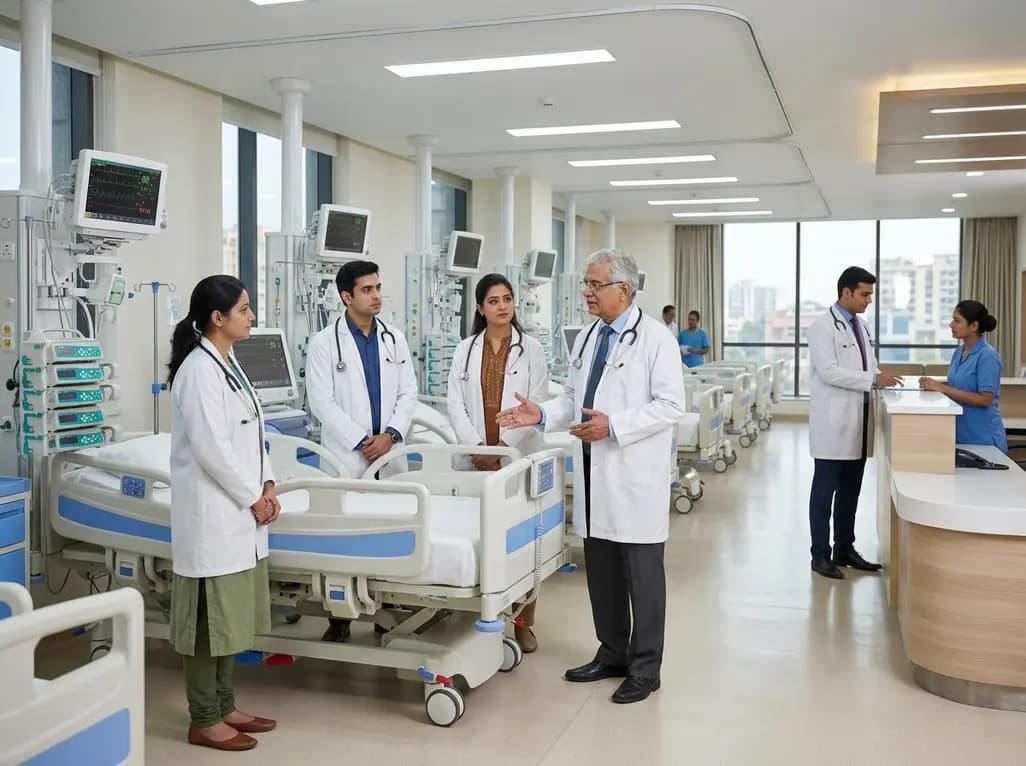
The Indian healthcare sector is undergoing a rapid evolution. This growth is driven by a massive infrastructure deficit across northern and eastern regions. Currently, the nation has only 1.3 hospital beds per 1,000 individuals, which is far below the global standard. Consequently, private providers are executing a massive hospital bed capacity expansion to bridge this critical healthcare gap. For instance, Paras Healthcare plans to scale its beds by 36% to reach 3,011 by March 2028. Specifically, this expansion reflects a broader national trend where organized clinical networks target underserved Tier-II and Tier-III cities.
Hospital chains are actively evaluating under-served markets to deploy their resources efficiently. In North India, the bed density remains exceptionally low. Therefore, Paras Healthcare is focusing its efforts on markets with limited penetration of advanced care. To execute its hospital bed capacity expansion, the company will add two major facilities. Specifically, it expects to commission a 300-bed hospital in Gurugram in FY27. Furthermore, it plans to establish a 500-bed clinical center in Ludhiana by FY28. These projects will leverage long-term lease structures to minimize upfront capital. Consequently, the organization can scale its clinical reach without straining its balance sheet. This disciplined deployment model allows the group to maintain financial health while addressing localized tertiary care shortages.
Historically, Indian hospital groups relied heavily on self-owned real estate for growth. However, this capital-intensive approach often delayed project delivery and reduced returns. To counter this bottleneck, many modern clinical platforms are adopting asset-light models. Specifically, Paras Healthcare utilizes a combination of leased spaces, revenue-sharing agreements, and public-private partnerships. Six of its eight existing hospitals currently operate on leased premises. This operational strategy keeps their capital expenditure relatively low. For example, their reported capital expenditure stood at 7.63 million Rupees per bed in March 2026. This metric indicates an intense focus on minimizing upfront costs. Consequently, the company can direct its capital toward advanced diagnostics and surgical technology. Ultimately, this approach improves clinical outcomes while maximizing overall operational efficiency.
The demand for structured healthcare services in India is rising at an unprecedented rate. This surge is heavily driven by increasing public health insurance penetration. For instance, schemes like Ayushman Bharat are converting out-of-pocket medical expenses into insured volumes. Similarly, expanding corporate insurance coverage is enabling more families to access private hospitals. As a result, the total addressable market is expanding much faster than the actual bed supply. Patients are also demanding better hospital infrastructure and professional medical care. Consequently, hospitals must upgrade their physical spaces to improve clinical safety. For example, modern facilities are optimizing space ratios to prioritize shared clinical rooms. This design strategy allows them to maximize patient care spaces while keeping overhead low. Ultimately, this structural transition supports clinicians by providing a structured environment for managing complex cases.
A critical driver of hospital viability in India is the focus on specialized, high-acuity care. In clinical business terms, these are referred to as CONGOR specialties. These fields include cardiac sciences, oncology, neurosciences, gastrosciences, orthopedics, and renal sciences. Because these disciplines manage high-complexity cases, they typically yield much higher average revenue per occupied bed. For example, Paras Healthcare reported that these specialties contributed 74.70% of its total revenue in FY26. This figure represents a steady increase from 71.92% in FY25. Consequently, the group is aligning its hospital bed capacity expansion specifically with these clinical services. By establishing advanced intensive care units, they can support complex cardiac and neurosurgical interventions. Furthermore, they are dedicating a significant proportion of their new beds to specialized oncology. Ultimately, this programmatic focus ensures that the expanded bed capacity remains highly utilized by patients.
The rapid growth of the private hospital sector has profound implications for medical professionals across India. Firstly, massive hospital bed capacity expansion projects generate thousands of new employment opportunities for doctors and nurses. Currently, clinical talent shortages present a significant bottleneck for healthcare expansion in Tier-II cities. However, the introduction of modern corporate hospitals in these regions offers specialists attractive career paths. In addition, patients in North India will no longer need to travel long distances for advanced interventions. Consequently, timely access to clinical care can drastically reduce morbidity rates for emergency cases. Furthermore, the standardization of clinical protocols in these new centers ensures safe healthcare delivery. Ultimately, this regional infrastructure growth bridges the healthcare gap between urban and suburban populations, fostering equitable access to modern medicine.
To achieve sustainable scaling, hospital administrators are leveraging advanced software tools for patient flow and bed management. Specifically, real-time tracking systems allow clinical staff to minimize patient wait times in emergency wards. Consequently, this digital integration accelerates discharge processes and boosts the overall bed turnover rate. Moreover, modern hospitals are outsourcing non-core services like laundry to improve clinical focus. This operational streamlining ensures that clinical staff can dedicate their full attention to direct patient care. In addition, implementing smart medical beds equipped with pressure-monitoring sensors significantly reduces the risk of pressure ulcers. Ultimately, these minor technological advancements lead to major improvements in clinical safety and patient comfort. Therefore, capacity expansion is not just about physical beds, but rather about enhancing the quality of care.
Q1: What is driving the focus of private hospital networks on Tier-II and Tier-III cities in India?
Private hospital networks target Tier-II and Tier-III cities due to severe under-penetration of tertiary care infrastructure. Additionally, expanding health insurance coverage and rising incomes have made advanced treatments affordable for regional populations. Consequently, healthcare providers can establish highly viable clinical facilities in underserved markets. This trend successfully addresses critical local clinical needs. Ultimately, it also allows regional clinicians to practice advanced specialties locally without relocating to major metropolitan cities.
Q2: Why are healthcare platforms increasingly adopting asset-light models for infrastructure expansion?
Healthcare platforms adopt asset-light models because traditional greenfield developments require massive upfront capital and entail long gestation periods. By utilizing long-term leases, revenue-sharing agreements, and partnerships, groups can execute their hospital bed capacity expansion much faster. This operational flexibility significantly reduces financial risk. Consequently, organizations can allocate more resources toward advanced diagnostic tools and specialized medical talent. Ultimately, this clinical efficiency ensures that regional populations receive rapid access to high-quality care.
Q3: How do CONGOR specialties influence the financial performance and clinical design of modern hospitals?
CONGOR specialties, including cardiac, oncology, neuro, gastro, orthopedics, and renal sciences, manage highly complex clinical cases. Consequently, these high-acuity disciplines generate a major share of operational revenues. They also yield higher average revenue per occupied bed. Modern hospitals design their layouts to prioritize these departments. Specifically, they establish specialized intensive care units and cutting-edge operating theaters. Therefore, this strategic clinical focus ensures robust financial viability while successfully addressing the most critical health burdens.
Disclaimer: This content is for informational and educational purposes only. It does not constitute medical advice or replace professional judgment. Refer to the latest local and national guidelines for clinical practice.
References

Read summarized clinical updates, watch expert medical content, and earn CME certifications right from your smartphone.
Open your smartphone camera to scan and install.





As India faces a severe deficit of hospital beds, private providers are leading a massive infrastructure wave. Discover how asset-light models and a focus on high-acuity specialties like oncology and cardiology are driving capital-efficient scaling in North India's underserved markets.
3 months ago

As monsoon seasons elevate arboviral disease threats, Tamil Nadu has initiated an ICMR-monitored evaluation of the tetravalent dengue vaccine in Tenkasi district. Clinicians emphasize clinical monitoring, public prevention, and high-quality early pediatric care to reduce disease morbidity across endemic regions.
Today

Leucine Rich Bio has introduced South Asia's first comprehensive vaginal microbiome test, BugSpeaks. By profiling microbial dysbiosis, pathogens, and antimicrobial resistance, this next-generation diagnostic platform provides clinicians with deeper insights into recurrent infections, fertility, and reproductive health.
Today

Review how tailored exercise programs benefit frail older patients with heart failure. Explore pathophysiological mechanisms, individualized training prescriptions, and strategies to overcome adherence barriers in clinical practice.
Today

This comparative study evaluates posterior labral tears with and without glenohumeral instability, highlighting distinct demographic patterns, MRI underestimation in stable shoulders, and successful arthroscopic repair outcomes.
Today

A clinical study demonstrates that early intervention with tocilizumab, either as monotherapy or bridged with corticosteroids, achieves significant proptosis reduction and resolves active inflammation in treatment-naive thyroid eye disease.
Today
