.webp&w=384&q=75)

Loading, please wait...
Loading, please wait...
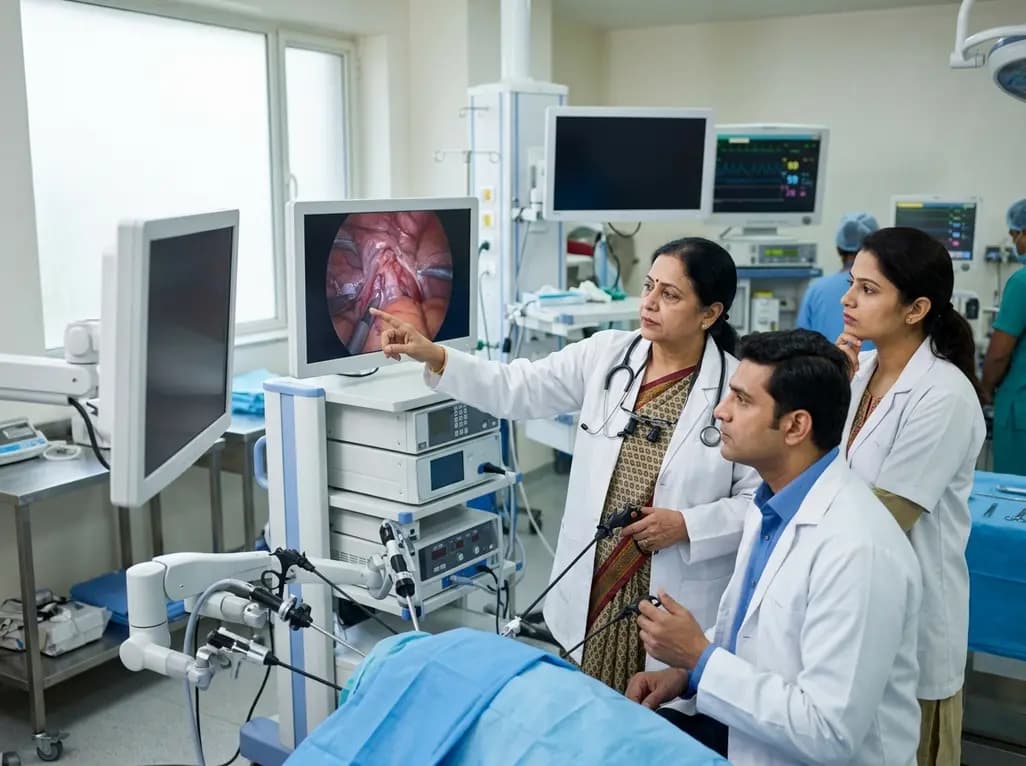
Recent reports indicate that Blackstone and TPG are exploring a sale of the Hologic surgical unit. Specifically, this news comes shortly after the firms finalized their massive $18.3 billion buyout of Hologic in April 2026. Due to shifting market conditions, the buyout groups are now working with financial advisers to secure a buyer. This division is widely recognized for manufacturing advanced gynecological devices. Consequently, it represents an attractive target for strategic buyers. However, the transaction remains in its early stages.
The specialized division of Hologic focuses primarily on designing surgical equipment for gynecologists. For example, their portfolio includes widely utilized diagnostic and therapeutic technologies. These include the NovaSure endometrial ablation system and the MyoSure tissue removal device. These advanced products allow clinicians to perform highly effective, minimally invasive procedures. Consequently, patients benefit from shorter recovery times and fewer post-operative complications. Additionally, these medical systems help gynecological surgeons address complex conditions like uterine fibroids. Because of their clinical efficacy, these devices have become standard tools in modern operating rooms. Therefore, any shift in corporate ownership could eventually impact the global distribution of these technologies. Clinicians rely heavily on consistent product availability and ongoing technical training. Furthermore, changes in management might influence future research and development priorities. For this reason, hospital administrators must track these market shifts carefully. Ultimately, maintaining high standards of patient care requires a reliable supply of advanced medical equipment. Healthcare providers in India also monitor these global developments to prevent any disruptions in device sourcing. For instance, consistent access to original replacement parts remains vital for clinical safety.
The decision to sell this highly successful business division stems from broader macroeconomic challenges. Specifically, persistent inflation and rising interest rates have put significant pressure on private equity sponsors. For instance, Blackstone and TPG finalized their massive Hologic buyout using a complex combination of cash and debt. As a result, they now face high debt-servicing costs that require strategic divestitures to manage. Additionally, these buyout groups must find efficient ways to return capital to their institutional investors. This pressure is not unique to Hologic, as several medtech firms are exploring similar asset sales. For example, some firms are restructuring their divisions to focus solely on high-margin core businesses. Consequently, the Hologic transaction is part of a larger trend of corporate consolidation in healthcare. Meanwhile, private credit funds are facing elevated redemption requests from their clients. Therefore, generating liquidity has become a primary objective for top financial managers. Ultimately, this divestiture will help these private equity firms stabilize their balance sheets. For this reason, analysts expect more mid-sized medtech divisions to change hands in the coming months. Specifically, companies with high leverage will continue seeking cash-generating divestments.
For healthcare providers in India, changes in the ownership of the Hologic surgical unit deserve close attention. Specifically, Hologic is a key supplier of advanced gynecological technologies to leading Indian hospitals. Because many of these procedures are specialized, local clinicians depend heavily on continuous training and support. However, a transition to a new owner might lead to structural changes in distribution networks. As a result, Indian hospitals could experience temporary delays in acquiring new devices or replacement parts. Additionally, pricing structures for these critical surgical systems might be adjusted by the new management team. Consequently, private clinics and public healthcare institutions must anticipate potential budget fluctuations. Meanwhile, local distributors are closely monitoring the sale process to secure their supply contracts. Therefore, proactive communication with current suppliers is highly recommended for procurement departments. Furthermore, professional gynecological associations in India may need to adapt their training workshops if device support changes. Ultimately, the primary goal remains ensuring uninterrupted access to safe and effective surgical care for women. For instance, local hospital networks should coordinate with distributors to maintain sufficient backup inventory.
The potential sale of this surgical business highlighted broader vulnerabilities in private credit markets. Recently, several major investment funds have faced increased pressure from investors seeking to withdraw their capital. For example, Blackstone recently capped withdrawals at its flagship private credit fund to manage liquidity. Consequently, this spillover into the private equity sector forces firms to liquidate high-value healthcare assets. Additionally, stubbornly high interest rates have made refinancing existing debt exceptionally expensive. As a result, asset sales represent the most viable pathway to generate immediate cash. Furthermore, these financial dynamics show how closely linked medical technology is to global financial markets. Specifically, when credit markets tighten, healthcare companies often face intense pressure to restructure. Therefore, hospital chains and healthcare executives must understand these underlying financial forces. Meanwhile, strategic buyers with strong cash reserves may leverage this opportunity to expand their portfolios. For instance, larger medtech conglomerates could absorb these specialized divisions to enhance their market share. Ultimately, the intersection of finance and medicine will continue to shape how clinical technologies are developed and distributed globally.
Despite the corporate reshuffling, the overall demand for advanced gynecological surgical equipment remains exceptionally strong. Indeed, global trends indicate an increasing preference for minimally invasive procedures among female patients. For this reason, the Hologic surgical division remains a highly lucrative and attractive asset. Additionally, prospective buyers are likely to invest further in research to stay competitive. Consequently, we may see accelerated development of next-generation robotic surgery platforms for gynecological care. Furthermore, a new strategic owner might expand the division's reach into emerging markets like India. Specifically, localized marketing and partnerships could make these high-end devices more affordable for tier-2 hospitals. However, the transition period will require careful management to avoid any disruption in clinical support. Meanwhile, medical professionals should continue focusing on evidence-based practices using existing technologies. Therefore, maintaining strong relationships with clinical specialists will be crucial for the incoming management team. Ultimately, the ongoing evolution of medical technology promises to deliver safer and more efficient surgical solutions for women worldwide. For this reason, the future of gynecological care remains bright with continued technological advancements.
Q1: Why are Blackstone and TPG seeking a sale of the Hologic surgical unit?
The private equity groups are exploring the sale primarily to pay down debt and return capital to their investors. Specifically, they recently completed an $18.3 billion leveraged buyout of Hologic using a combination of cash and debt. Consequently, high debt-servicing costs and redemption pressures in their private credit funds have prompted them to seek liquidity. Ultimately, selling this highly profitable division helps stabilize their overall financial portfolios.
Q2: What medical devices are manufactured by this specific Hologic division?
This specialized Hologic division focuses on producing advanced surgical equipment used by gynecologists. For example, their primary portfolio includes the widely recognized NovaSure endometrial ablation system and the MyoSure tissue removal device. Additionally, these technologies enable clinicians to perform minimally invasive procedures for treating uterine fibroids and abnormal bleeding. Therefore, these devices are considered essential tools in modern gynecological practices and hospitals worldwide.
Q3: How could this potential sale affect gynecologists and hospitals in India?
Currently, Indian hospitals rely on Hologic for advanced gynecological surgical equipment. However, a transition in ownership could potentially lead to updates in local distribution networks and pricing structures. For this reason, procurement departments should proactively communicate with local distributors to ensure a continuous supply of devices. Ultimately, maintaining strong relationships with the new management team is essential to prevent disruptions in clinical support.
Disclaimer: This content is for informational and educational purposes only. It does not constitute medical advice or replace professional judgment. Refer to the latest local and national guidelines for clinical practice.
References

Read summarized clinical updates, watch expert medical content, and earn CME certifications right from your smartphone.
Open your smartphone camera to scan and install.





With private equity groups under pressure to generate liquidity, Blackstone and TPG are seeking over $4 billion for Hologic's gynecological surgical division. Learn how this potential divestiture could affect global medical device distribution, product support, and surgical technology pipelines in India.
3 months ago

As monsoon seasons elevate arboviral disease threats, Tamil Nadu has initiated an ICMR-monitored evaluation of the tetravalent dengue vaccine in Tenkasi district. Clinicians emphasize clinical monitoring, public prevention, and high-quality early pediatric care to reduce disease morbidity across endemic regions.
Today

A comparative cohort study evaluates vNOTES vs TLH hysterectomy for benign conditions, demonstrating shorter operative duration, faster return to daily activities, and equivalent female sexual function scores without increased dyspareunia.
Today

Review how tailored exercise programs benefit frail older patients with heart failure. Explore pathophysiological mechanisms, individualized training prescriptions, and strategies to overcome adherence barriers in clinical practice.
Today

This comparative study evaluates posterior labral tears with and without glenohumeral instability, highlighting distinct demographic patterns, MRI underestimation in stable shoulders, and successful arthroscopic repair outcomes.
Yesterday

A clinical study demonstrates that early intervention with tocilizumab, either as monotherapy or bridged with corticosteroids, achieves significant proptosis reduction and resolves active inflammation in treatment-naive thyroid eye disease.
Today
