.webp&w=384&q=75)

Loading, please wait...
Loading, please wait...
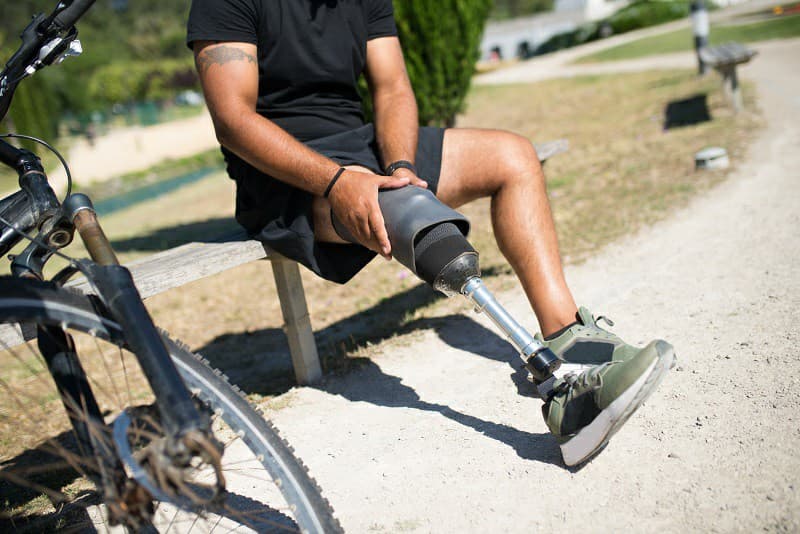
The prevalence and risk factors for phantom limb pain were assessed among 208 participants. Through telephonic data collection, the study revealed a strikingly high prevalence of PLP (71.73%). Persistent pre-operative pain, residual limb pain, and non-painful phantom limb sensations were identified as risk factors for PLP. The findings highlighted the importance of addressing pain management comprehensively throughout the amputation process.

Read summarized clinical updates, watch expert medical content, and earn CME certifications right from your smartphone.
Open your smartphone camera to scan and install.





The prevalence and risk factors for phantom limb pain were assessed among 208 participants. Through telephonic data collection, the study revealed a strikingly high prevalence of PLP (71.73%). Persistent pre-operative pain, residual limb pain, and non-painful phantom limb sensations were identified as risk factors for PLP. The findings highlighted the importance of addressing pain management comprehensively throughout the amputation process.
2 months ago

As monsoon seasons elevate arboviral disease threats, Tamil Nadu has initiated an ICMR-monitored evaluation of the tetravalent dengue vaccine in Tenkasi district. Clinicians emphasize clinical monitoring, public prevention, and high-quality early pediatric care to reduce disease morbidity across endemic regions.
Today

A comparative cohort study evaluates vNOTES vs TLH hysterectomy for benign conditions, demonstrating shorter operative duration, faster return to daily activities, and equivalent female sexual function scores without increased dyspareunia.
Today

Review how tailored exercise programs benefit frail older patients with heart failure. Explore pathophysiological mechanisms, individualized training prescriptions, and strategies to overcome adherence barriers in clinical practice.
Today

This comparative study evaluates posterior labral tears with and without glenohumeral instability, highlighting distinct demographic patterns, MRI underestimation in stable shoulders, and successful arthroscopic repair outcomes.
Today

A clinical study demonstrates that early intervention with tocilizumab, either as monotherapy or bridged with corticosteroids, achieves significant proptosis reduction and resolves active inflammation in treatment-naive thyroid eye disease.
Today
