.webp&w=384&q=75)

Loading, please wait...
Loading, please wait...

The Hellenic Society of Clinical and Molecular Cytology recently celebrated its 50th anniversary, marking a significant milestone in cytopathology clinical practice and public health. This celebration reflects on five decades of service to the Greek population and the global impact of cytological advancements. Initially, the specialty was established in 1962 through the dedicated efforts of Dr. George Papanicolaou's students. In 1975, the society was formally created to promote continuous education and raise the visibility of the specialty within the medical community. Consequently, it has played a vital role in defining the diagnostic standards used in clinics today.
Today, the society comprises 300 active members who manage a diverse range of specimens using advanced diagnostic methods. Modern cytopathology clinical practice in Greece now includes interventional cytopathology and the integration of molecular ancillary techniques. Furthermore, the society is a cornerstone of the national screening program, ensuring high-quality assurance through rigorous laboratory protocols. These efforts have significantly improved the early detection of malignancies, particularly in women's health. Additionally, the society maintains strong international liaisons to stay at the forefront of global diagnostic innovations.
Looking ahead, the landscape of diagnostic medicine is undergoing a transformative shift. Following national guidelines issued in 2024, a working committee has proposed merging cytopathology with anatomic pathology in Greece. This strategic move aims to create a unified diagnostic framework that leverages digital pathology and comprehensive tissue analysis. Moreover, such integration is expected to streamline workflows and enhance diagnostic accuracy by providing a holistic view of patient pathology. Notably, this transition reflects a global trend where traditional cytology boundaries are expanding to include sophisticated molecular and digital tools.
The merger aims to unify diagnostic workflows, particularly with the rise of digital pathology and molecular testing. By combining these fields, clinicians can achieve a more comprehensive and accurate diagnosis through integrated reporting.
The society oversees the quality assurance of laboratory practices and provides the expertise required for the national screening programs, which are essential for the early detection of cancers like cervical cancer.
Disclaimer: This content is for informational and educational purposes only and does not constitute medical advice or a professional relationship. Always seek the advice of a qualified healthcare provider for any medical concerns. Refer to the latest local and national guidelines for clinical practice.
References
Nasioutziki M et al. Honoring 50 Years of the Hellenic Cytology Society: A Milestone Event-A Review of the History, Current Practice, and Future Perspectives of Cytology in Greece. Diagn Cytopathol. 2026 Feb 22. doi: 10.1002/dc.70105. PMID: 41725063.
Proscia. Breaking the Cytology Barrier: Unified Digital Pathology at Enterprise Scale. September 22, 2025.
Saini T et al. Digital cytology: Current status and future prospects. Diagn Cytopathol. 2023 Jan. doi: 10.1002/dc.25099.
"
Read summarized clinical updates, watch expert medical content, and earn CME certifications right from your smartphone.
Open your smartphone camera to scan and install.





The Hellenic Society of Clinical and Molecular Cytology celebrates 50 years, highlighting the evolution of cytopathology and its future integration with pat...
8 months ago

A landmark 12-year longitudinal study highlights significant reductions in opioid prescribing for nonspecific low back pain following clinical guidelines and prescription monitoring systems, emphasizing non-opioid multimodal pain care.
Today
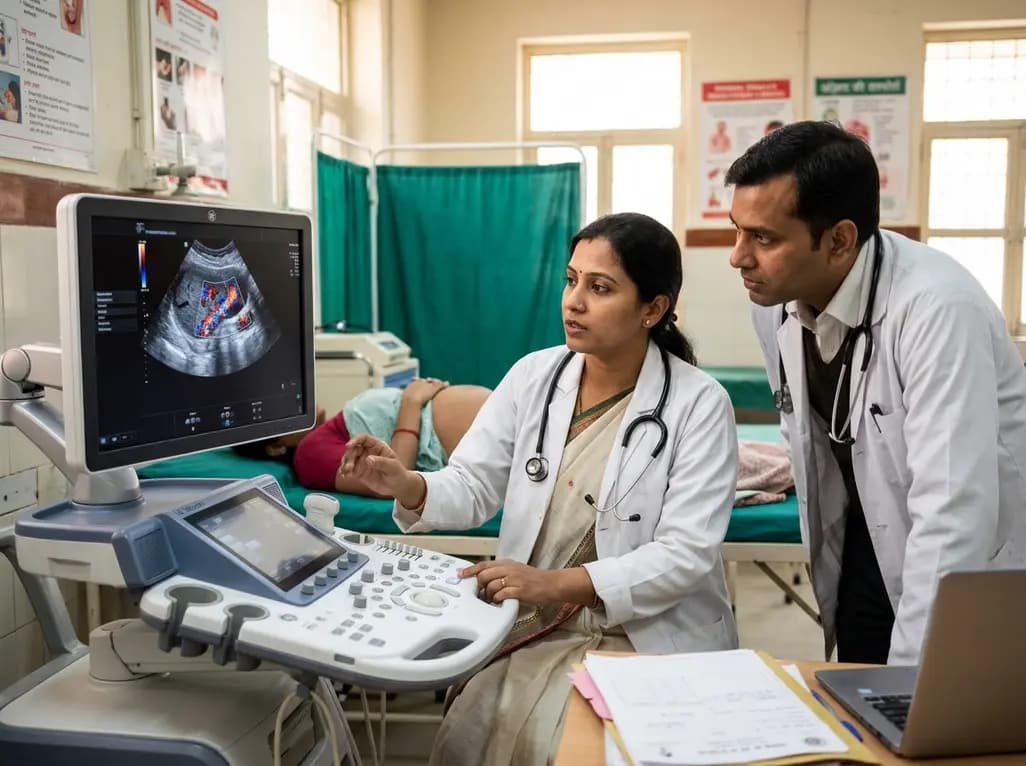
A study in Ultrasound in Obstetrics & Gynecology shows that quantitative vascularization of the anterior fornix/cervix with transvaginal ultrasound reliably identifies placenta accreta spectrum and predicts severe intraoperative hemorrhage, offering vital objective risk stratification.
Today
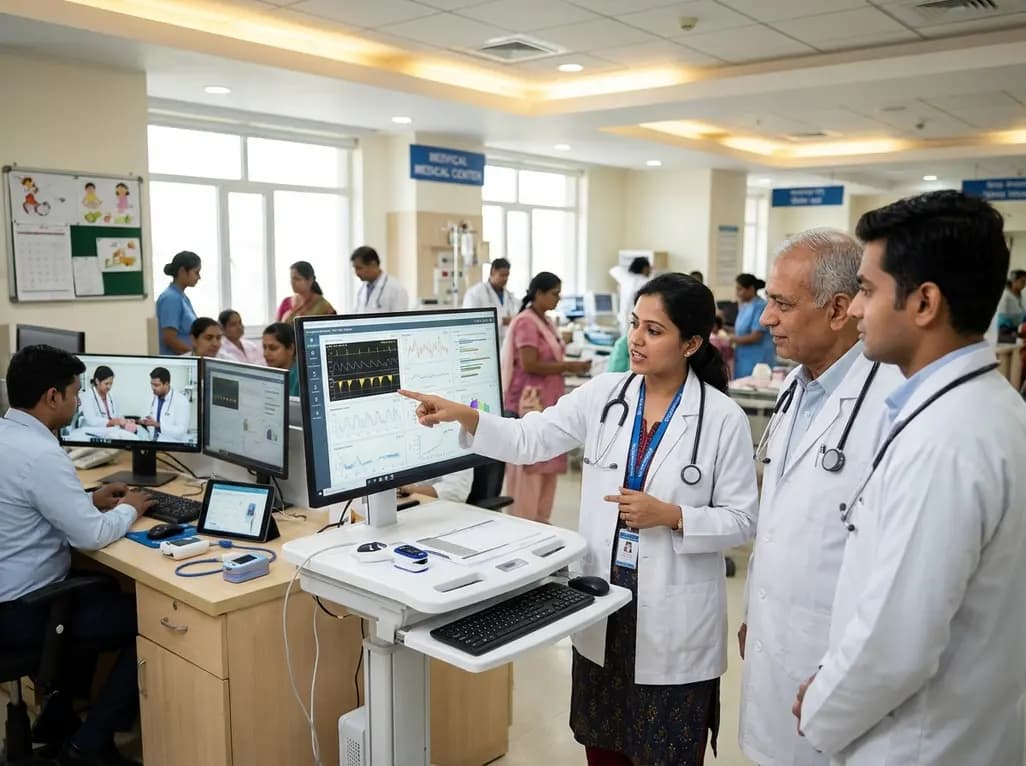
A landmark study details how an enterprise pediatric remote patient management model expanded from a single cardiology pilot to 16 diverse specialty programs by combining centralized digital operations with specialty clinical leadership.
Yesterday
A breakthrough study shows that 3D-planned corrective osteotomy successfully resolves distal radioulnar joint instability in pediatric diaphyseal forearm malunions. The precise osseous realignment eliminates chronic wrist pain and restores joint function without requiring secondary soft-tissue reconstruction.
Today
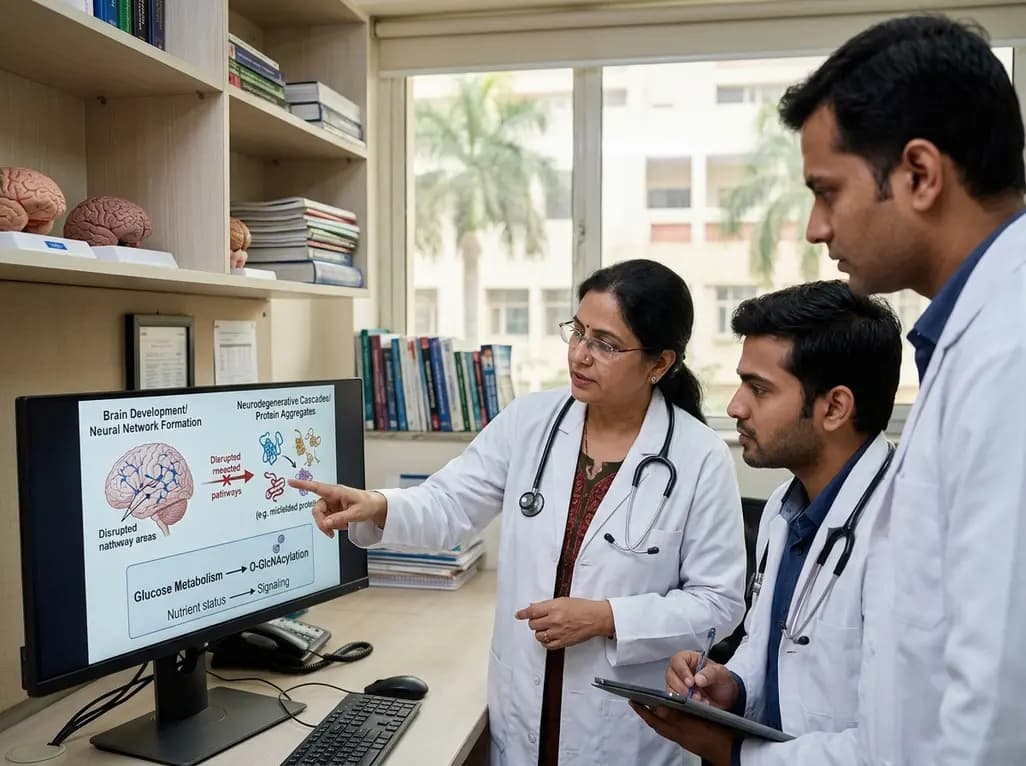
Protein O-GlcNAcylation couples cellular nutrient status to vital neuronal functions. This review explores how disrupted O-GlcNAc cycling drives both neurodevelopmental delays and neurodegenerative cascades, positioning metabolic post-translational modifications as therapeutic targets in clinical neurology.
Today
