.webp&w=384&q=75)

Loading, please wait...
Loading, please wait...

Soil contamination with toxic metal(loid)s represents a severe risk to food security and ecosystem stability in India, where effective strategies for heavy metal soil remediation are critical. Furthermore, hydrochars produced from organic wastes have emerged as promising amendments. However, their capacity for metal immobilization often remains limited by low surface functionality. Consequently, researchers investigated a novel approach by incorporating natural rock phosphate (RP) into various organic feedstocks. This study synthesized RP-modified hydrochars (RP-MHCs) at low temperatures to stabilize multi-metal polluted soil.
Researchers applied these amendments to municipal effluent-polluted soil cultivated with Amaranthus viridis. Notably, the moringa-based treatment immobilized over 84% of Chromium, Copper, and Zinc. In addition, carrot-based hydrochars proved most effective for stabilizing Lead, Cadmium, and Arsenic. These improvements significantly enhanced plant biomass by 70% and reduced bioaccumulation factors below safety thresholds. This research introduces a sustainable strategy for remediating contaminated alkaline soils while ensuring food safety. Existing hydrothermal treatment infrastructure can readily produce these RP-MHCs at a large scale.
Incorporating rock phosphate induces phosphate-induced precipitation and complexation, which significantly enhances the hydrochar's ability to bind and immobilize toxic heavy metals in the soil.
The study demonstrates that these modified hydrochars can effectively immobilize a wide range of toxins, including Chromium, Copper, Zinc, Arsenic, Cadmium, and Lead.
Disclaimer: This content is for informational and educational purposes only. It does not constitute medical advice or professional healthcare services. Refer to the latest local and national guidelines for clinical practice.
References

Read summarized clinical updates, watch expert medical content, and earn CME certifications right from your smartphone.
Open your smartphone camera to scan and install.





A study presents rock-phosphate-enriched hydrochars as a sustainable solution to immobilize heavy metals in soil, enhancing food safety and crop productivit...
5 months ago
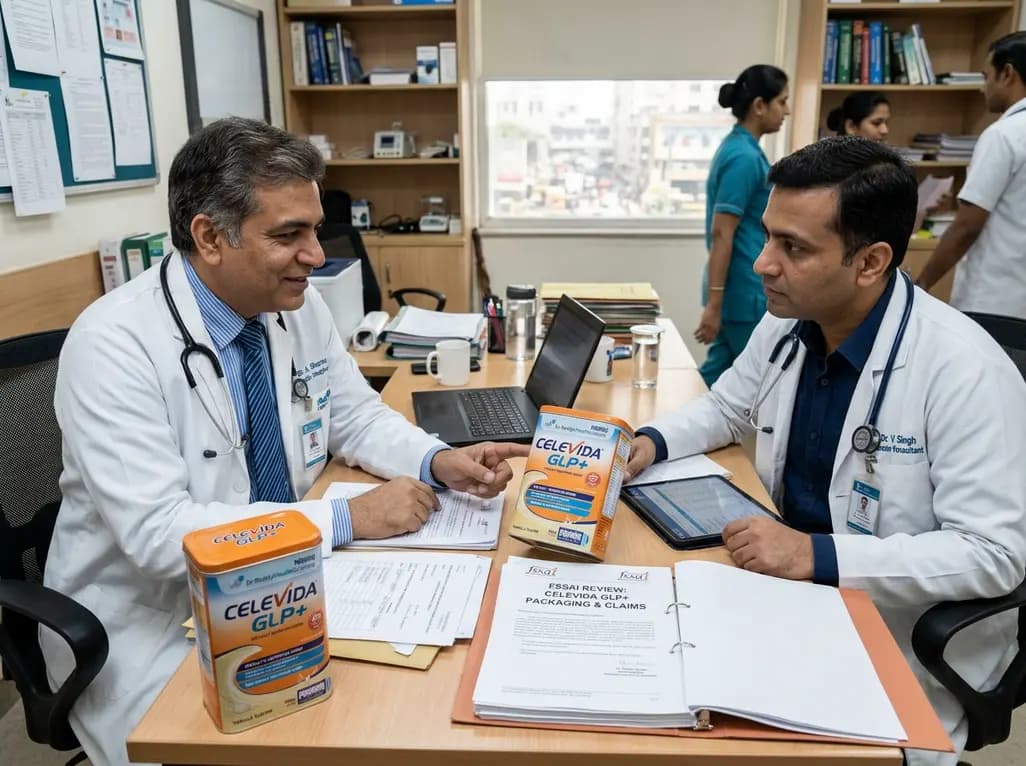
Following regulatory scrutiny from FSSAI regarding promotional representations and lean muscle preservation claims, Dr. Reddy's Laboratories and Nestlé Health Science are currently reviewing the branding and marketing strategy for their joint nutritional supplement Celevida GLP+.
Today
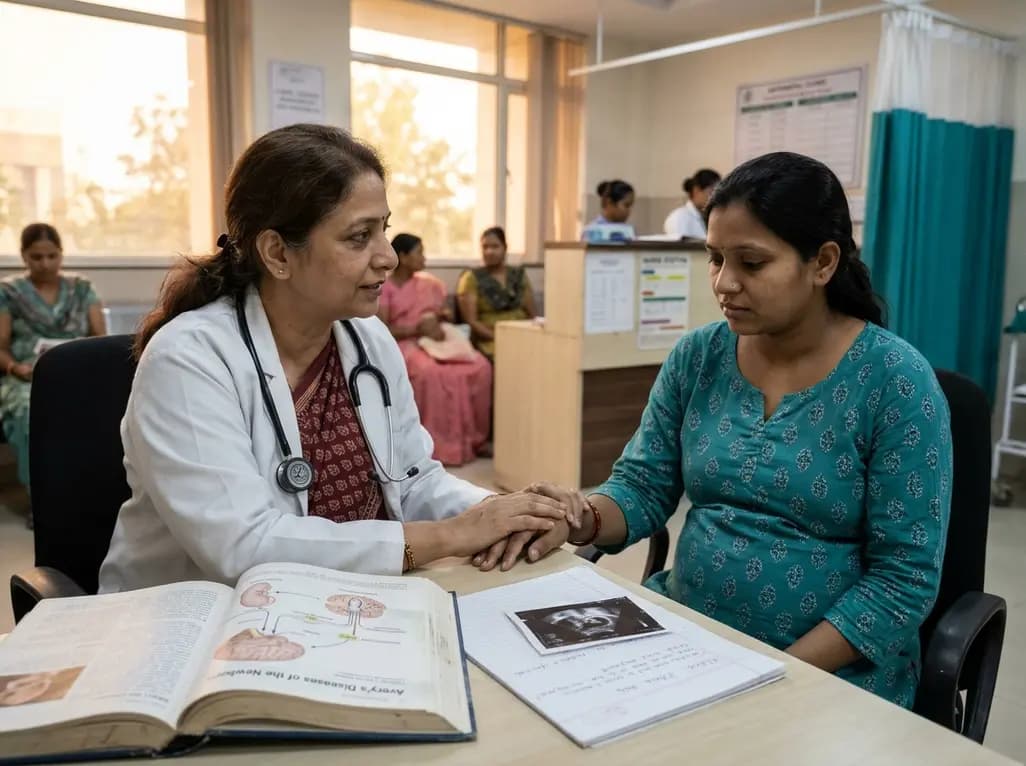
A comprehensive scoping review synthesises evidence linking prenatal maternal mental health to long-term offspring neurodevelopment, evaluating neuroendocrine, inflammatory, and epigenetic pathways while highlighting clinical screening and future research priorities.
Today

The Directorate General of Health Services directs Indian states to halt the hazardous reuse and reprocessing of single-use medical devices. Discover regulatory implications under the Drugs and Cosmetics Act, critical infection risks, legal liabilities, and operational changes required across clinical specialties.
Today

A 25-year multi-institutional cohort reveals high recurrence rates in pediatric giant cell tumor of bone, particularly in patients with open physes and bone marrow edema on preoperative MRI. Early surveillance and careful balance between growth plate preservation and tumor clearance are essential.
Today

India is advancing preventive healthcare by integrating genomics, artificial intelligence, and quantum technologies. With the SANGAM programme sequencing one million Indian genomes, clinicians can unlock personalized therapies, detect cardiometabolic risks early, and curb the burden of diabetes and heart disease.
Today
