.webp&w=384&q=75)

Loading, please wait...
Loading, please wait...
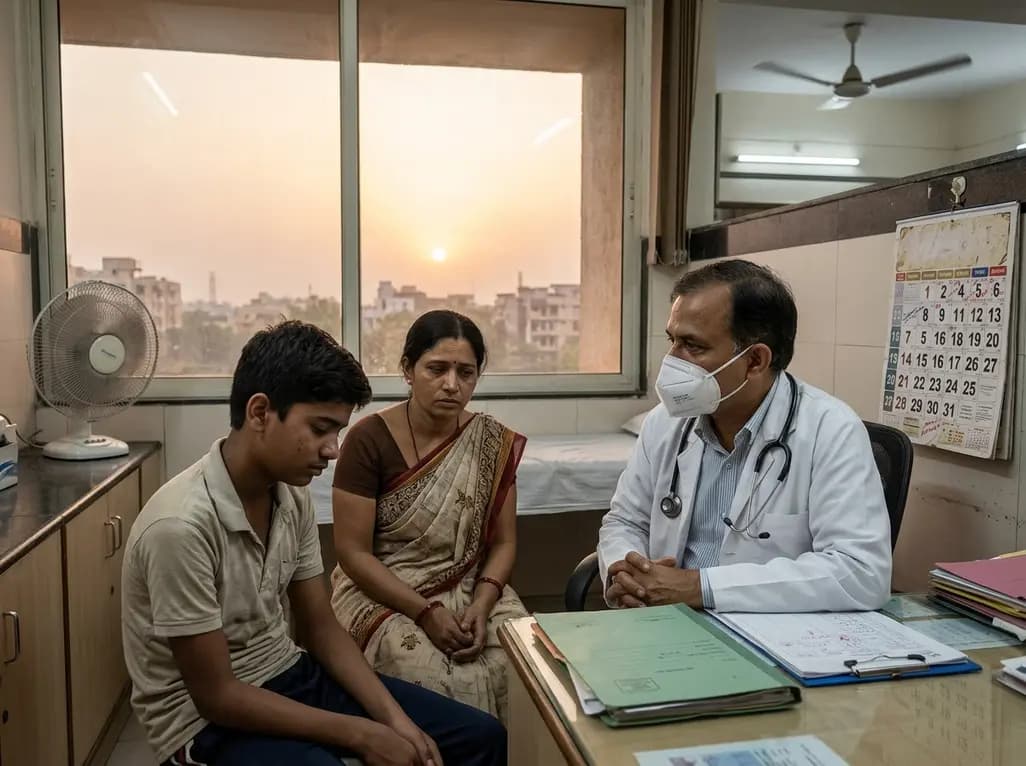
Climate change presents an undeniable threat to global public health. While thermal stress traditionally raises concerns regarding physical ailments like dehydration and heat exhaustion, modern research highlights severe psychological vulnerabilities in pediatric populations. Consequently, understanding how ambient temperature spikes and severe heatwaves affect child mental health has become essential for clinicians worldwide. Recent landmark syntheses reveal that children and adolescents represent the population group most vulnerable to ambient temperature spikes. Specifically, researchers analyzing data across multiple continents noted measurable increases in psychiatric distress, mood disruption, and acute behavioral decompensation among young individuals during extreme weather events. In addition, ambient heat exposure triggers complex physiological and psychosocial challenges that disproportionately affect developing minds. Children possess distinct biological mechanisms for thermoregulation compared to adults. Therefore, elevated environmental temperatures create profound bodily strain that quickly compromises emotional resilience. Furthermore, pediatric populations face unique environmental exposures through school, play, and community activities. As global temperatures continue to climb, healthcare providers must evaluate thermal exposure as a significant social determinant of mental health. Addressing this crisis requires immediate clinical vigilance, community adaptation, and evidence-based strategies tailored to young populations.
Analyzing the direct relationship between heatwaves child mental health vulnerabilities reveals significant epidemiological risks. A comprehensive global review published in the International Journal of Epidemiology synthesized findings from twenty-three distinct studies. The research team discovered that adverse mental health outcomes in pediatric patients increase by nearly one percent for every single degree Celsius rise in daily ambient temperature. Furthermore, during sustained heatwave conditions, the overall risk of poor psychological outcomes among children surges by an alarming twenty-five percent. Youth aged five to eighteen display the highest vulnerability compared to any other age demographic. Adolescence represents a critical developmental period characterized by extensive neurobiological remodeling and heightened emotional sensitivity. Consequently, environmental stressors like extreme heat can severely disrupt brain function and emotional regulation. In addition, high ambient temperatures impair sleep quality during tropical nights, leading to acute sleep deprivation. Consequently, sleep disruption directly worsens mood volatility, impulsivity, and executive dysfunction in developing teenagers. Furthermore, researchers observed increased emergency department visits for acute anxiety, clinical depression, and self-harm during prolonged warm spells. Thus, extreme heat acts as a potent physiological stressor that unmasks and exacerbates underlying psychological conditions in youth.
Extreme heat operates through multiple indirect pathways that significantly worsen youth psychological stability. For instance, hot weather severely disrupts routine outdoor physical activities, recreational opportunities, and structured educational environments. When heat forces children indoors, isolation often ensues, reducing peer socialization and healthy play. Additionally, higher temperatures correlate directly with poorer academic performance, classroom learning difficulties, and cognitive fatigue. Beyond individual academic and social disruption, extreme thermal conditions inflict substantial stress upon entire family systems. Caregivers experiencing heat-related fatigue, financial strain, or irritability frequently report higher parenting stress and interpersonal conflict within the household. Consequently, secondary caregiving stress creates an unstable emotional environment for vulnerable children. Furthermore, family distress compounds pediatric anxiety, creating a vicious cycle of psychological disturbance during prolonged heatwaves. Notably, the psychological burden appears particularly pronounced in humid subtropical and continental climates where cooling mechanisms remain inadequate. Although developed nations record higher reported emergency visits due to robust diagnostic infrastructure, middle-income regions face severe under-reporting despite equal physiological susceptibility. Therefore, pediatric healthcare systems must account for both direct physiological impacts and broader domestic stressors when evaluating children during hot summer months.
The physiological mechanisms underpinning heat-induced psychological distress in pediatric patients are multifaceted. Children possess lower sweating capacity and a higher surface-area-to-mass ratio than mature adults. Consequently, their bodies absorb ambient heat rapidly while struggling to dissipate thermal energy effectively. Furthermore, young individuals are less likely to spontaneously adopt protective behaviors, such as seeking shade or increasing fluid intake, without active adult supervision. On a neurochemical level, thermal stress alters neurotransmitter balance within brain regions governing both thermoregulation and mood stability. Dehydration and electrolyte imbalances further exacerbate central nervous system strain, predisposing youth to confusion, fatigue, and heightened emotional reactivity. In addition, many psychiatric medications commonly prescribed to adolescents can impair endogenous body temperature regulation. For example, psychotropic agents may reduce sweating or impair central hypothalamic responses to heat. Therefore, young patients receiving pharmacological interventions face heightened physiological susceptibility during extreme weather. Medical professionals must proactively educate parents about medication-related hyperthermia risks during summer periods. By understanding these biological vulnerabilities, clinicians can better identify high-risk pediatric patients before severe psychiatric crises manifest. Ultimately, mitigating physical thermal strain remains a fundamental prerequisite for safeguarding adolescent neurological and psychological health.
Protecting young people from heat-induced mental health risks requires comprehensive clinical and public health strategies. Clinicians should routinely incorporate environmental risk assessments into standard pediatric evaluations, particularly during summer months. For instance, screening questions regarding home cooling access, outdoor activity adjustments, and sleep patterns can highlight vulnerable households. Furthermore, primary care providers and child psychiatrists must offer anticipatory guidance on heat hygiene to families. Practical recommendations include maintaining adequate hydration, utilizing shaded outdoor spaces, and optimizing bedroom ventilation during warm nights. On a broader institutional level, educational facilities require targeted infrastructure adaptations. Installing efficient cooling systems, enhancing classroom insulation, and expanding urban tree canopies around schoolyards provide immediate thermal relief. Additionally, public health policies must explicitly integrate youth mental health into national climate adaptation plans. Establishing extreme heat action protocols within schools ensures timely protection during thermal surges. Moreover, community centers can serve as dedicated cooling sanctuaries for socioeconomically disadvantaged families lacking residential air conditioning. Ultimately, multi-sectoral collaboration between medical practitioners, educators, and policy makers is essential. By combining clinical vigilance with environmental interventions, society can build resilient communities capable of protecting youth mental wellbeing.
Q1: Why are children and teenagers more vulnerable to heatwaves than adults?
Children and teenagers possess developing physiological thermoregulation systems and lower tendencies to adopt protective cooling behaviors independently. Furthermore, adolescence represents a critical neurodevelopmental period marked by heightened sensitivity to environmental stressors. Heatwaves disrupt essential routines, including sleep, outdoor recreation, and academic activities, while increasing family stress. Consequently, these combined biological, developmental, and social factors make young people significantly more susceptible to heat-induced mental health disturbances.
Q2: How does elevated daily temperature impact student academic performance and emotional regulation?
Elevated ambient temperatures impair sleep quality during warm nights, leading directly to daytime fatigue, emotional instability, and poor impulse control. Furthermore, physiological heat stress impairs cognitive function, reducing concentration, working memory, and learning capacity in classrooms. Research demonstrates a direct correlation between rising daily temperatures and decreased academic achievement. Consequently, children experience heightened frustration, anxiety, and behavioral challenges when thermal conditions remain elevated.
Q3: What practical steps can healthcare providers recommend to protect pediatric mental health during extreme heat?
Healthcare providers should counsel families to prioritize indoor cooling, adequate hydration, and optimized sleep environments during hot spells. Additionally, clinicians should advise parents to modify outdoor activity schedules, encouraging shaded play during cooler morning hours. Educating families about medication risks for patients taking psychotropic drugs is also critical. Finally, connecting vulnerable households with community cooling centers and school-based environmental supports helps mitigate thermal stress effectively.
Disclaimer: This content is for informational and educational purposes only. It does not constitute medical advice or replace professional judgment. Refer to the latest local and national guidelines for clinical practice.
References

Read summarized clinical updates, watch expert medical content, and earn CME certifications right from your smartphone.
Open your smartphone camera to scan and install.





A landmark global review reveals that extreme heat waves significantly heighten psychiatric risks in children and adolescents aged 5 to 18. Learn how ambient temperature spikes disrupt sleep, emotional regulation, and family dynamics, requiring targeted clinical and public health interventions.
last month
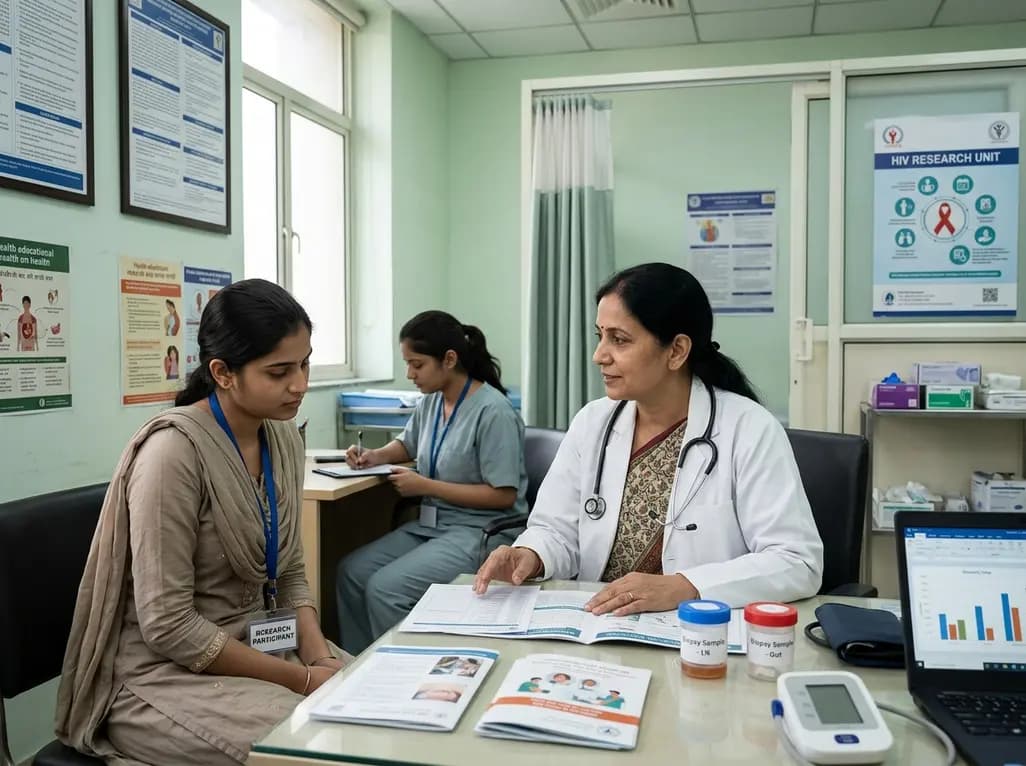
A secondary analysis of an HIV cure-related trial in South Africa highlights the acceptability and safety of serial excisional lymph node and gut biopsies among young women. Clear communication, empathetic care, and altruistic motives helped mitigate initial apprehension and sustain longitudinal trial engagement.
Today
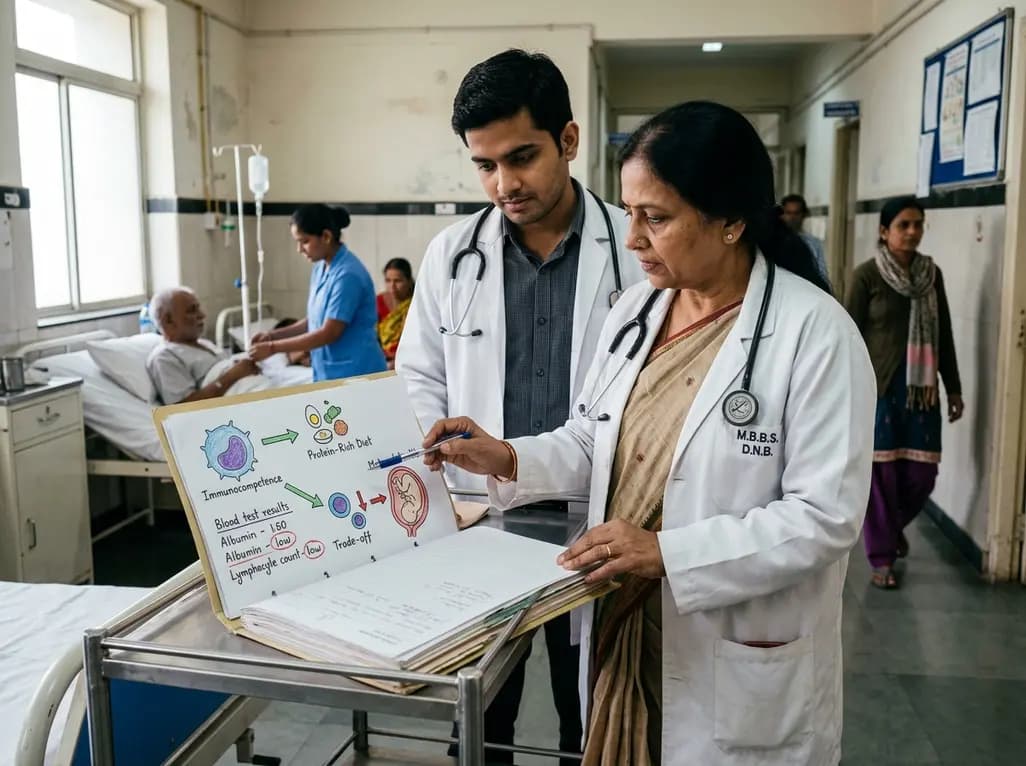
Explore the crucial link between dietary protein and immunocompetence. This review examines how low-protein nutrition shifts metabolic resources away from pathogen defense toward early reproduction, compromising host survival and immunity against severe bacterial infections.
Today

Under India's PLI initiative, domestic production of 57 critical medical devices has commenced, including MRI and CT scanners, cath labs, and heart valves. Global partnerships and local investments are expanding high-end technology, curbing import reliance, and strengthening clinical accessibility nationwide.
Today

A longitudinal study reveals that patients undergoing staged bilateral hip arthroscopy experience progressive contralateral labral deterioration during surgical intervals. However, structural degradation does not compromise 2-year postoperative clinical outcomes or patient-reported satisfaction scores.
Today
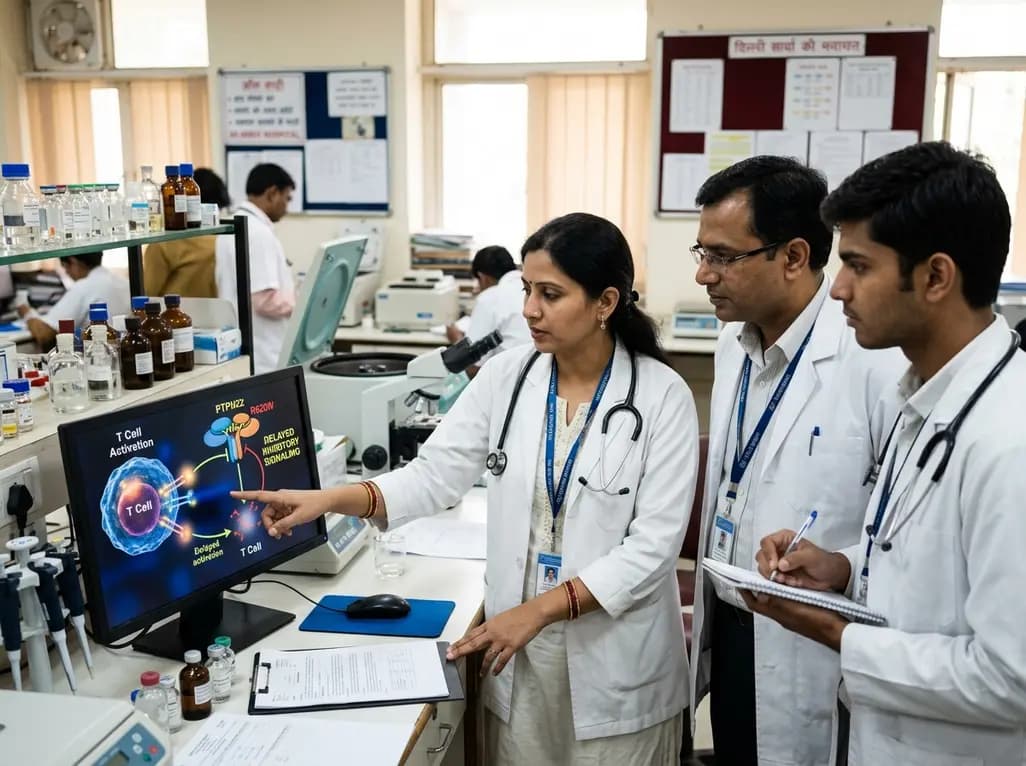
New immunological research reveals how PTPN22 forms a delayed inhibitory signaling complex to restrain T cell activation, explaining how the autoimmune-linked R620W variant disrupts feedback control and promotes persistent inflammation in conditions like rheumatoid arthritis and type 1 diabetes.
Today
