

Loading, please wait...
Loading, please wait...
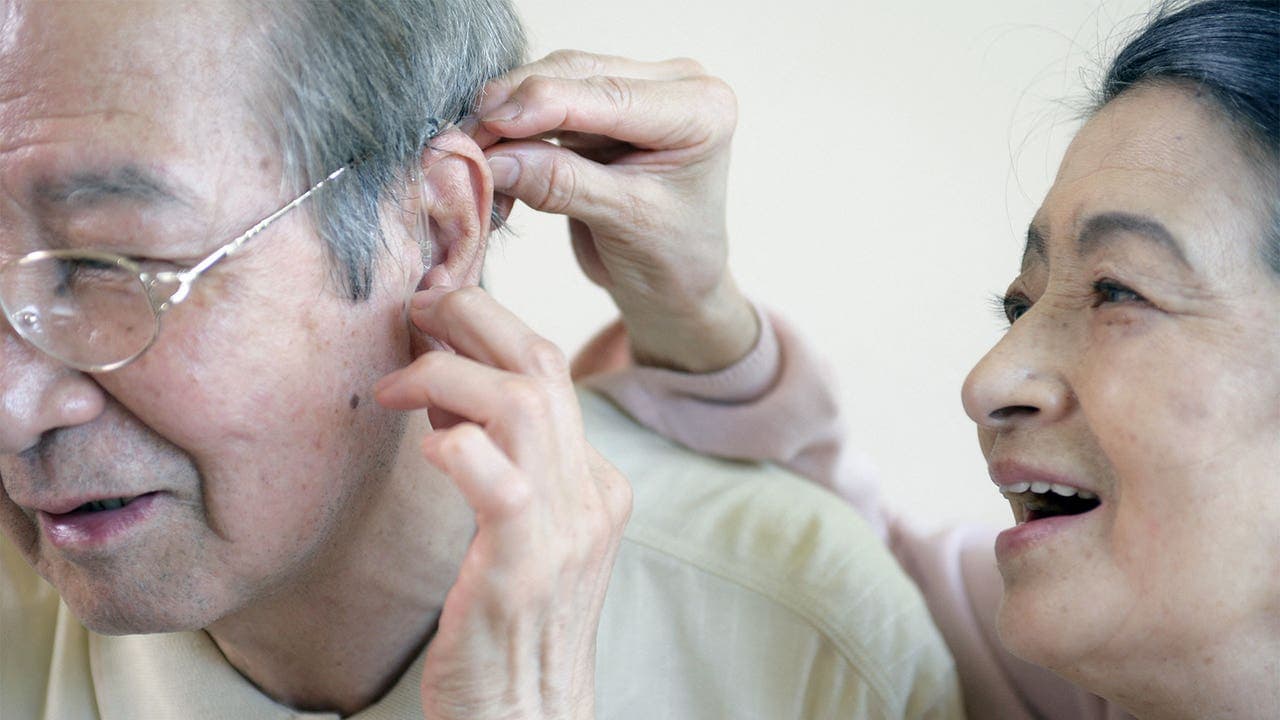
The multicentre, open-label CHOICE trial conducted in Shanghai randomized 703 adults aged ≥60 years with mild cognitive impairment (CDR global score 0.5) and moderate-to-severe hearing loss to binaural hearing aids (n=353) or structured hearing-care education (n=350). At 24 months, conversion to dementia-level impairment (CDR ≥1) occurred in 3.09% of the hearing-aid group versus 4.74% of the education group (RR 0.59, 95% CI 0.25–1.38; P=0.23), a non-significant difference. In a prespecified exploratory analysis, cognitive improvement (CDR shift from 0.5 to 0) was more frequent with hearing aids (15.34% vs 2.36%; RR 5.94, 95% CI 2.46–14.37; P<0.001), and the CDR memory domain also favoured the intervention. Serious adverse events were balanced (10 per group) and none were study-related. The trial did not show that hearing aids prevent progression to dementia-level impairment over 2 years, and the cognitive-improvement signal should be interpreted cautiously.

Read summarized clinical updates, watch expert medical content, and earn CME certifications right from your smartphone.
Open your smartphone camera to scan and install.





The multicentre, open-label CHOICE trial conducted in Shanghai randomized 703 adults aged ≥60 years with mild cognitive impairment (CDR global score 0.5) and moderate-to-severe hearing loss to binaural hearing aids (n=353) or structured hearing-care education (n=350). At 24 months, conversion to dementia-level impairment (CDR ≥1) occurred in 3.09% of the hearing-aid group versus 4.74% of the education group (RR 0.59, 95% CI 0.25–1.38; P=0.23), a non-significant difference. In a prespecified exploratory analysis, cognitive improvement (CDR shift from 0.5 to 0) was more frequent with hearing aids (15.34% vs 2.36%; RR 5.94, 95% CI 2.46–14.37; P<0.001), and the CDR memory domain also favoured the intervention. Serious adverse events were balanced (10 per group) and none were study-related. The trial did not show that hearing aids prevent progression to dementia-level impairment over 2 years, and the cognitive-improvement signal should be interpreted cautiously.
Today

Targeting bacterial signaling pathways marks a major shift in antimicrobial strategies. By disrupting quorum sensing and biofilm formation, anti-virulence tools suppress foodborne pathogens without driving antimicrobial resistance, protecting vulnerable patients and the broader food ecosystem.
Today
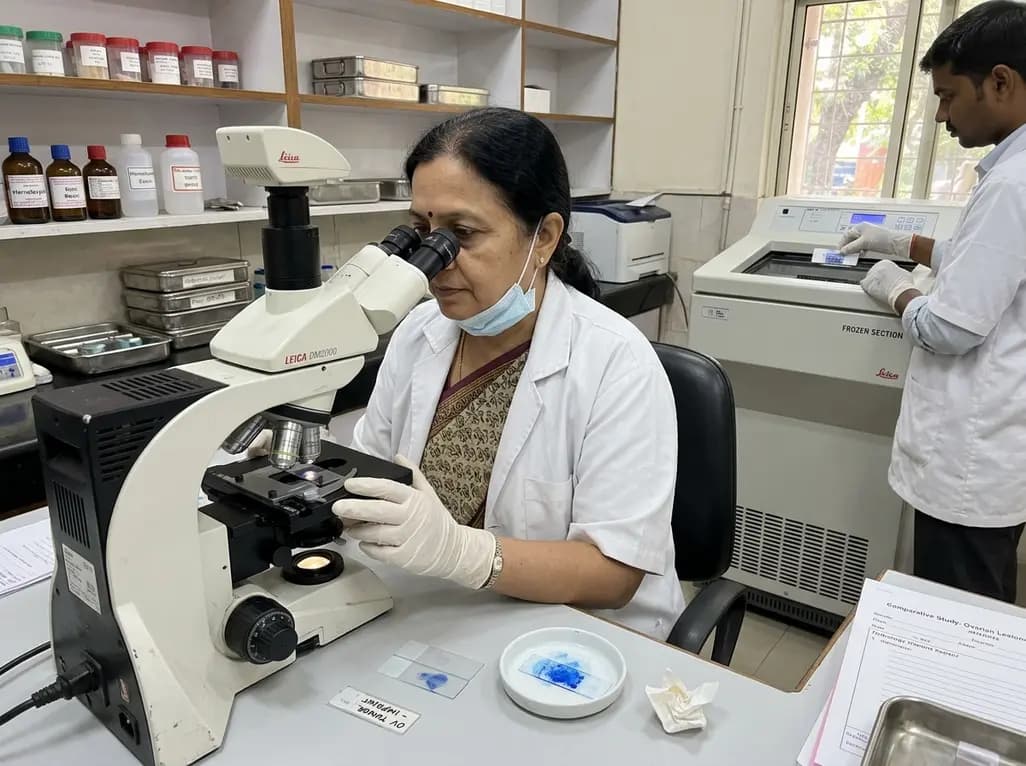
A new comparative study demonstrates that intraoperative imprint cytology achieves 96.6% diagnostic accuracy in ovarian tumours, outperforming frozen section in sensitivity for borderline lesions and offering an accessible, rapid alternative for resource-constrained surgical centres.
Today

Thoracic aortic aneurysm lacks etiologic medical therapy. A new study reveals that targeting specific αV integrins with Cilengitide attenuates TGF-β and mechanotransduction pathways, effectively limiting pro-fibrotic remodeling and aortic bulb dilation in both syndromic and sporadic disease models.
Today

Discover how microstructural optimization of strontium zinc phosphate coatings enhances titanium implant bioactivity, accelerating stem cell adhesion and early osseointegration in orthopedic and dental applications.
Today
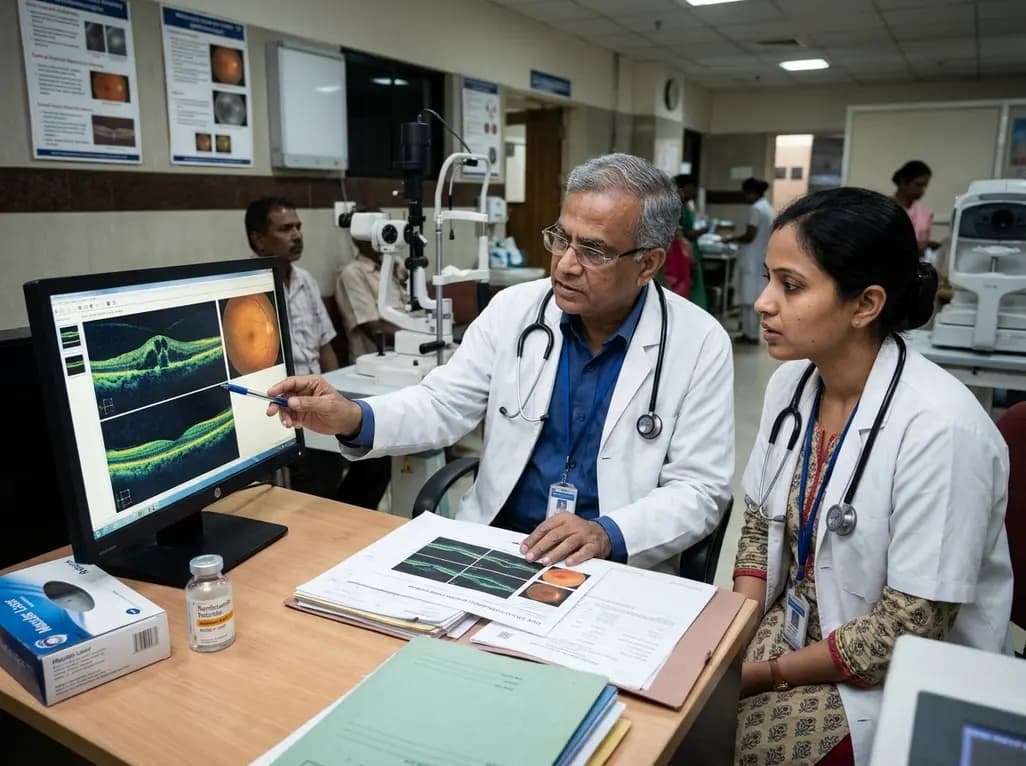
A real-world retrospective study demonstrates that combining intravitreal ranibizumab with focal/grid macular laser significantly improves visual acuity and central macular thickness compared to laser monotherapy in patients with center-involved diabetic macular edema.
Today
