

Loading, please wait...
Loading, please wait...
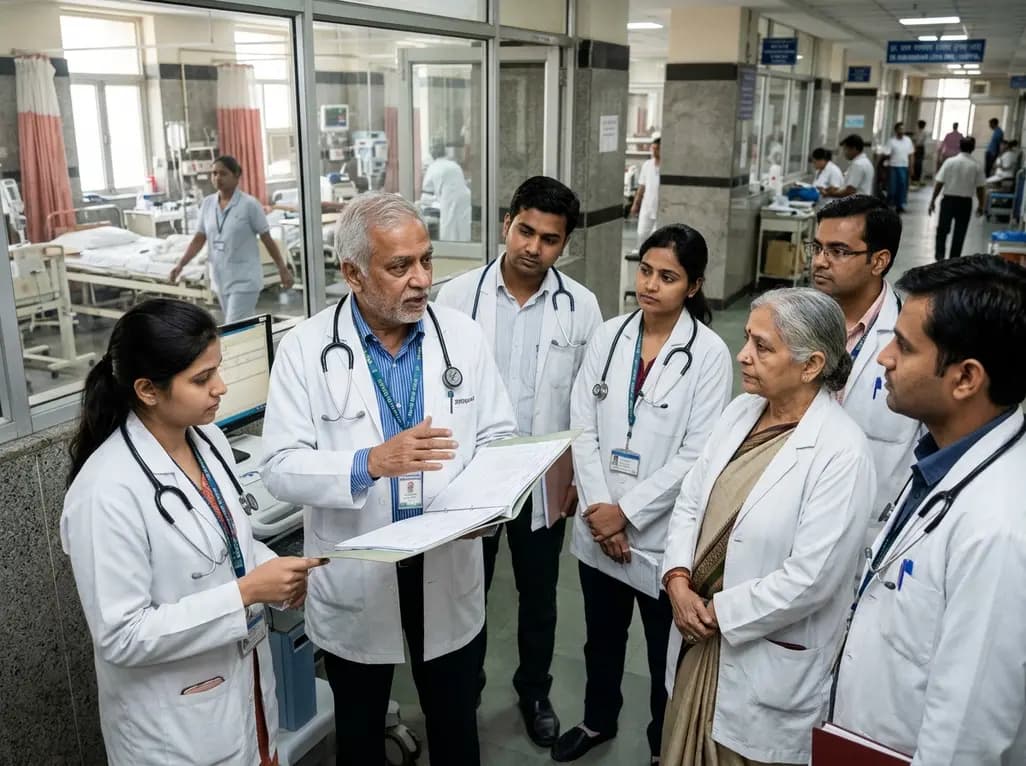
Rigorous healthcare infrastructure planning enables public hospitals to expand clinical capacity while maintaining patient safety. During a recent review of ABVIMS and Dr. RML Hospital, Union Health Minister J. P. Nadda stressed this priority. Furthermore, hospital administrators must balance infrastructure growth with clinician well-being. Therefore, medical leaders must integrate modern facility design with compassionate clinical workflows.
Translating conceptual blueprints into efficient clinical spaces requires practical administrative foresight. Consequently, adopting proven models from established tertiary centers prevents expensive architectural errors and procedural bottlenecks. During institutional reviews, planners must analyze high-volume patient streams, including triage desks, surgical suites, and diagnostic departments. For example, Dr. RML Hospital recorded 19.4 lakh outpatient consultations and over 82,500 inpatient admissions in 2025. Handling such massive volumes demands meticulous clinical and infrastructural coordination. In addition, hospital layouts must physically separate acute trauma zones from routine ambulatory clinics. Planners should also project long-term medical staffing requirements when drafting departmental floor plans. When architects build clinical wards without consulting bedside clinicians, service delivery quickly falters. Therefore, institutional planning committees must unite senior physicians, nursing directors, and biomedical engineers. This collaborative method guarantees that newly designed facilities support operational efficiency and patient safety. Similarly, planners must integrate infection control barriers into modern architectural blueprints. Inadequate isolation capacity or deficient airflow systems can compromise clinical safety during severe infectious outbreaks. Accordingly, drawing directly upon national institutional expertise creates highly resilient medical centers that serve public needs for decades.
While advanced medical equipment and modern towers remain essential, dedicated clinical personnel represent the true foundation of healthcare. Nevertheless, intense academic pressure and relentless working hours frequently trigger severe burnout among postgraduate medical trainees. During the institutional review, Minister Nadda emphasized that hospitals must actively safeguard the mental health of healthcare providers. Chronic workplace stress impairs emotional wellness, academic productivity, and clinical decision-making. Consequently, medical colleges must implement sustained psychological support mechanisms rather than irregular interventions. For instance, Dr. RML Hospital conducts routine mental health screenings for students and periodic health check-ups for faculty. Furthermore, academic departments should promote open communication and supportive interpersonal dynamics between senior faculty and junior doctors. Transparent dialogue dismantles the historical stigma that discourages clinicians from seeking psychiatric guidance. In addition, residency coordinators must design realistic duty rotas that prevent dangerous sleep deprivation. When healthcare institutions protect physician wellness, diagnostic errors drop and clinical empathy improves. Therefore, structured wellness initiatives must become a standard accreditation metric for teaching hospitals. Moreover, administrators should establish designated quiet respite lounges near acute intensive care units for fatigued clinicians.
Overcrowded outpatient departments generate substantial confusion and psychological distress for patients and their accompanying relatives. To solve this problem, health authorities are expanding Project SARATHI across prominent tertiary medical institutions. Specifically, this youth-driven initiative engages trained student volunteers to streamline patient navigation and provide compassionate hospital assistance. These volunteers assist elderly citizens with wheelchairs, direct visitors through sprawling corridors, and explain diagnostic booking steps. As a result, non-clinical navigational responsibilities shift away from busy nursing personnel and security guards. Healthcare professionals can subsequently concentrate their valuable time on clinical consultations and critical therapeutic procedures. Earlier pilot data from PGIMER Chandigarh showed that Project SARATHI reduced overall hospital navigation time by 26 percent. Furthermore, the initiative coordinates closely with the Mera Yuva Bharat digital platform. This nationwide integration encourages university students to participate in public health service while building essential civic empathy. Additionally, hospital administrators can oversee volunteer attendance and gather real-time patient satisfaction metrics through centralized digital dashboards. Thus, structured volunteer initiatives humanize public medical centers and substantially upgrade patient experiences across high-volume healthcare environments. Consequently, patient frustration decreases as orderly navigation replaces hallway congestion in busy facilities.
Modern hospital operations require robust digital health systems to eliminate paperwork delays and prevent diagnostic duplication. Accordingly, the Union Health Ministry has instructed major hospitals to implement the Ayushman Bharat Digital Mission aggressively. Clinicians must adopt standardized electronic medical records and compliant digital e-prescriptions across all outpatient clinics. Electronic documentation allows immediate retrieval of longitudinal medical records, past surgical histories, and laboratory findings during emergency triage. Consequently, e-prescriptions minimize prescribing mistakes, prevent negative drug interactions, and expedite dispensing at institutional pharmacies. In addition, QR-code based appointment kiosks substantially decrease queue times in crowded hospital registration lobbies. This integrated digital ecosystem also allows patients to access their diagnostic investigations securely on personal smartphones. However, digital health transitions succeed only when administrators provide reliable computer infrastructure and intuitive clinical software. When electronic medical interfaces feel overly complicated, doctors experience documentation fatigue during busy clinics. Therefore, hospital IT teams must collaborate directly with frontline doctors to refine software usability. Furthermore, digital registries generate invaluable clinical data that assist public health researchers in monitoring regional disease patterns. Ultimately, comprehensive digital adoption enhances diagnostic accuracy, clinical continuity, and patient satisfaction.
In 2025, Dr. RML Hospital achieved full accreditation from the National Accreditation Board for Hospitals and Healthcare Providers under 5th Edition standards. Notably, this achievement marked the first time a Central government-owned multispecialty hospital attained this rigorous distinction. Reaching this milestone required establishing standard operating procedures across 31 clinical departments and creating over 150 quality monitoring formats. Furthermore, clinical teams reinforced emergency triage processes, prescription audits, and adverse drug reaction reporting mechanisms to protect patient safety. Alongside these clinical governance upgrades, the hospital expanded its PM-JAY kiosks, increasing pre-authorization approvals from 549 in 2022 to 1,516 in 2025. Looking ahead, ABVIMS and Dr. RML Hospital are executing a comprehensive roadmap aligned with the Viksit Bharat 2047 vision. Specifically, this strategic plan incorporates artificial intelligence for vital sign monitoring and establishes satellite clinics for community outreach. Additionally, the master plan prioritizes green, energy-efficient healthcare infrastructure to minimize environmental impacts. Ultimately, combining strict accreditation benchmarks with visionary digital planning creates a sustainable healthcare model for future generations. Similarly, rigorous quality auditing inspires greater public trust in state-run medical centers and tertiary institutions.
Q1: Why is healthcare infrastructure planning critical for public medical institutions in India?
Healthcare infrastructure planning ensures that public hospitals expand clinical capacity to match surging patient numbers. By studying proven institutional best practices, hospital administrators prevent workflow bottlenecks, optimize infection control, and modernize departments. Moreover, thorough planning incorporates advanced diagnostic technologies, streamlined patient pathways, and sustainable architecture. Consequently, this structured approach elevates patient safety, shortens waiting times, and ensures equitable delivery of high-quality tertiary medical care across communities.
Q2: How does Project SARATHI improve daily clinical operations and patient navigation?
Project SARATHI mobilizes trained youth volunteers to provide compassionate, non-clinical guidance for patients across busy hospitals. These volunteers assist visitors with wheelchair mobility, direct families to diagnostic laboratories, and simplify registration procedures. Consequently, institutional data demonstrates that this initiative reduces hospital navigation time by 26 percent. By shifting non-clinical responsibilities to volunteers, nurses and resident doctors can dedicate their complete attention to bedside patient evaluations and specialized therapy.
Q3: What specific measures are recommended to protect the mental well-being of medical students and faculty?
Medical institutions must establish proactive psychological support systems, including mandatory mental health screenings for students and routine health checks for faculty members. Furthermore, academic departments should cultivate open communication, foster supportive peer networks, and eliminate the stigma associated with seeking counseling. Additionally, residency coordinators must organize humane duty rotas to prevent chronic sleep deprivation. Protecting clinician well-being mitigates diagnostic errors, prevents professional burnout, and creates an empathetic learning environment.
Disclaimer: This content is for informational and educational purposes only. It does not constitute medical advice or replace professional judgment. Refer to the latest local and national guidelines for clinical practice.
References

Read summarized clinical updates, watch expert medical content, and earn CME certifications right from your smartphone.
Open your smartphone camera to scan and install.





Union Health Minister J.P. Nadda emphasized adopting institutional best practices, expanding digital health under ABDM, and prioritizing medical student wellness during a review of ABVIMS and RML Hospital, establishing a clear blueprint for quality improvement, patient navigation, and clinical excellence.
Today
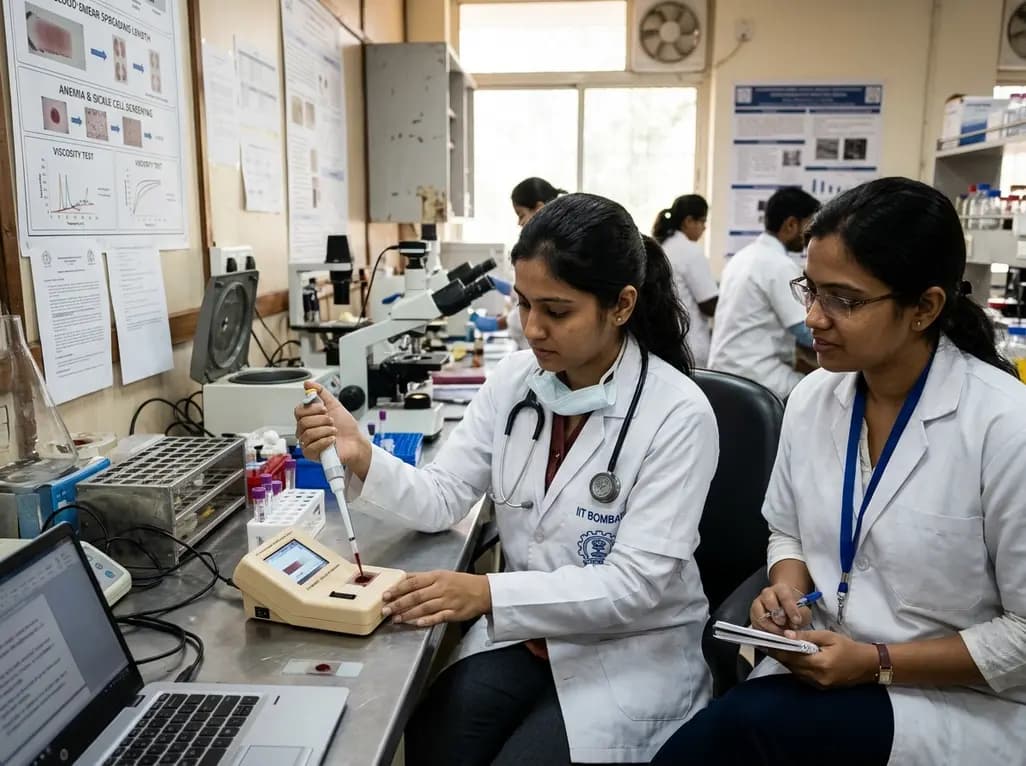
Researchers at IIT Bombay have engineered an automated, cost-effective point-of-care device that diagnoses anaemia and sickle cell disease from a single drop of blood. By measuring blood smear spreading length, this portable tool assesses blood viscosity to offer rapid screening in resource-limited healthcare centers.
Today

A population-based study of 20,928 children reveals that small vulnerable newborns face sex-divergent mental capital outcomes at ages 6-7: term SGA girls show higher behavioral difficulties and lower resilience, while preterm non-SGA boys experience increased behavioral problems.
Today
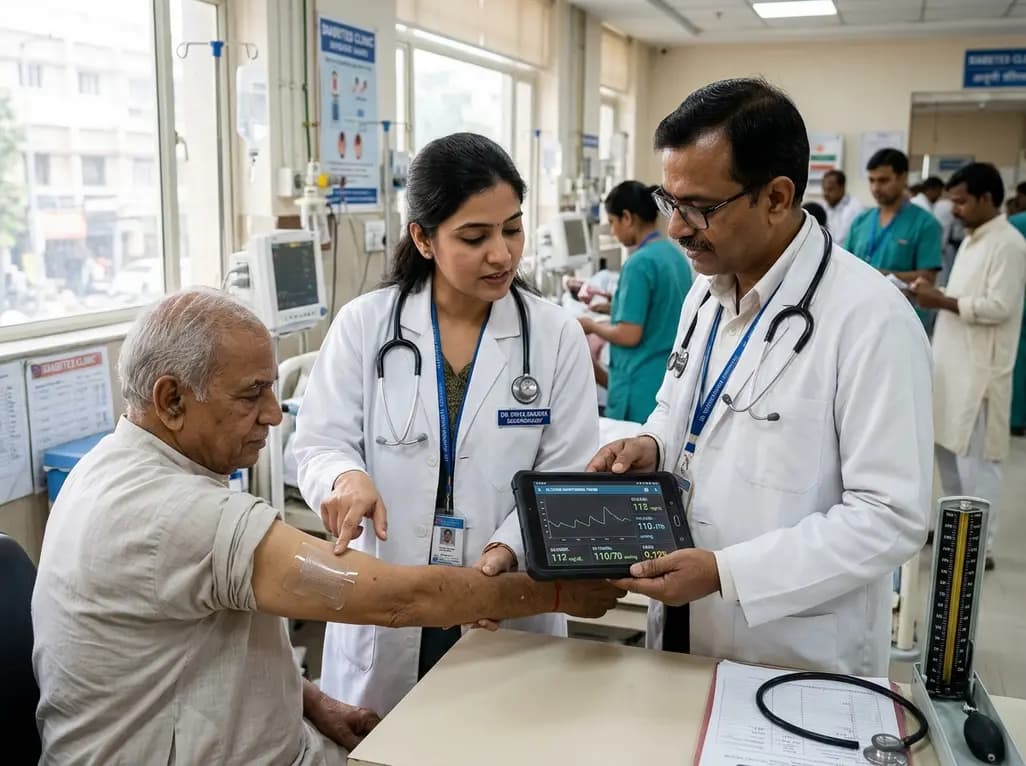
A breakthrough ultrathin multimodal sensor decouples physical hemodynamic monitoring from disposable electrochemical calibration, achieving long-term wearable glucose prediction with 81.36% accuracy and a 9.12% MARD. This offers a robust, drift-free solution for outpatient metabolic surveillance.
Today
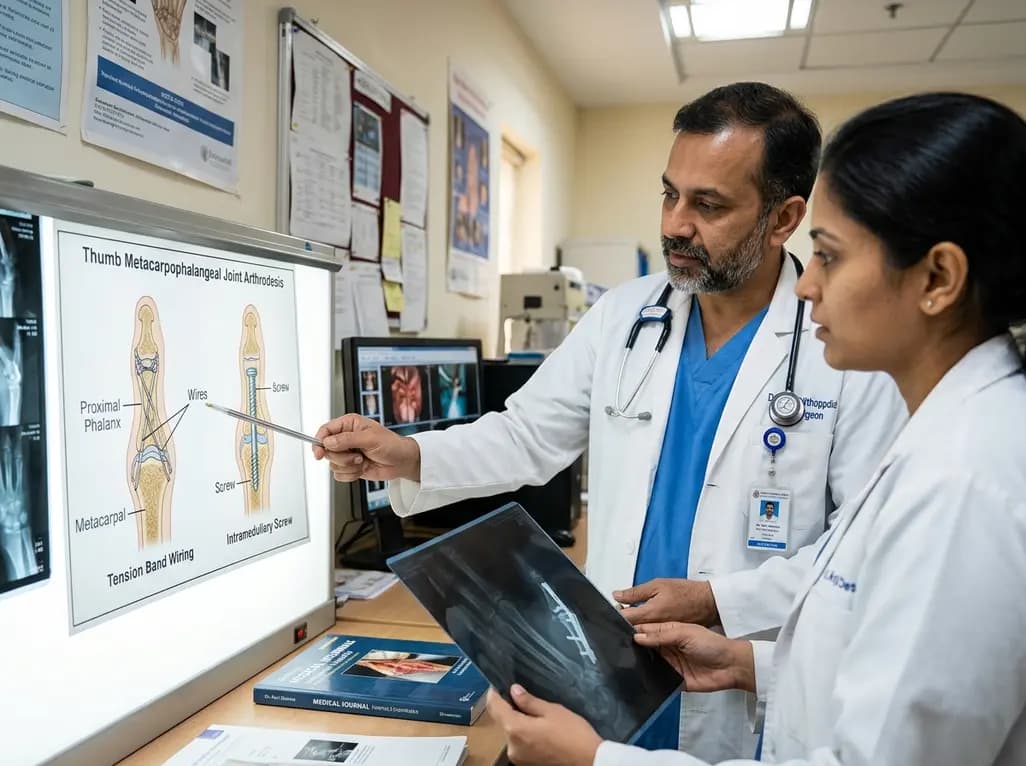
A comparative review of tension band wiring and intramedullary screw fixation in thumb metacarpophalangeal arthrodesis, evaluating union rates, hardware complications, and clinical outcomes.
Today
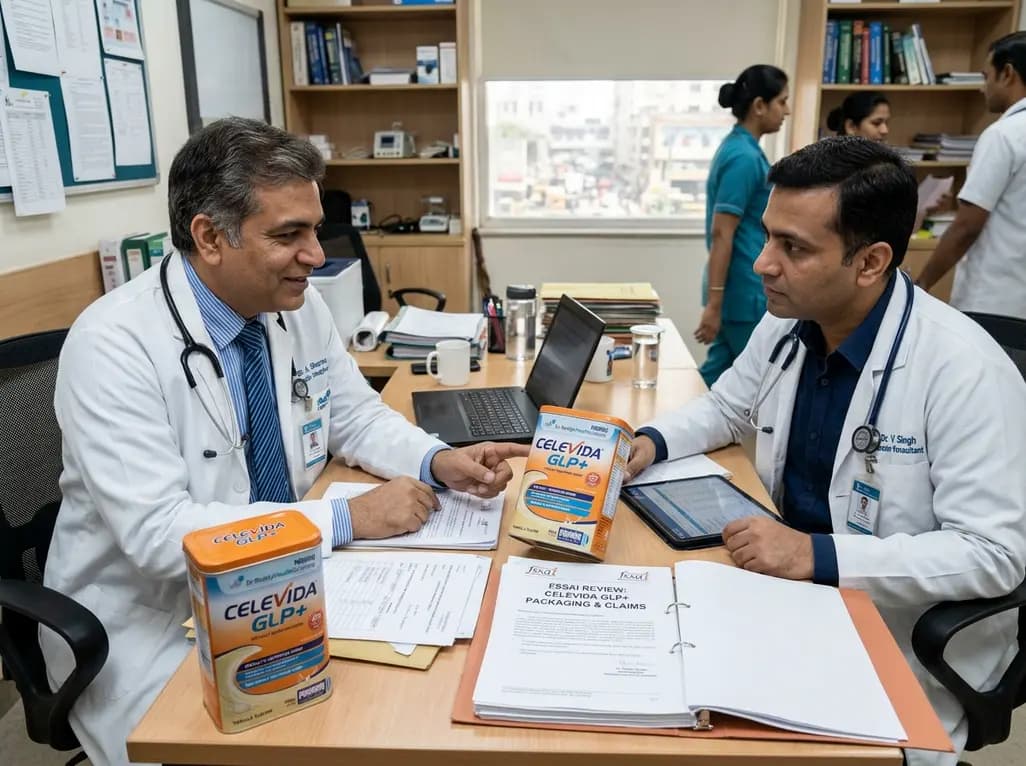
Following regulatory scrutiny from FSSAI regarding promotional representations and lean muscle preservation claims, Dr. Reddy's Laboratories and Nestlé Health Science are currently reviewing the branding and marketing strategy for their joint nutritional supplement Celevida GLP+.
Today
